
Al-Farabi and the Establishment of the Scientific Tradition of Music in the Islamic Golden Age
This article examines Al-Farabi’s contribution to the development of scientific and philosophical music during the Islamic Golden Age.

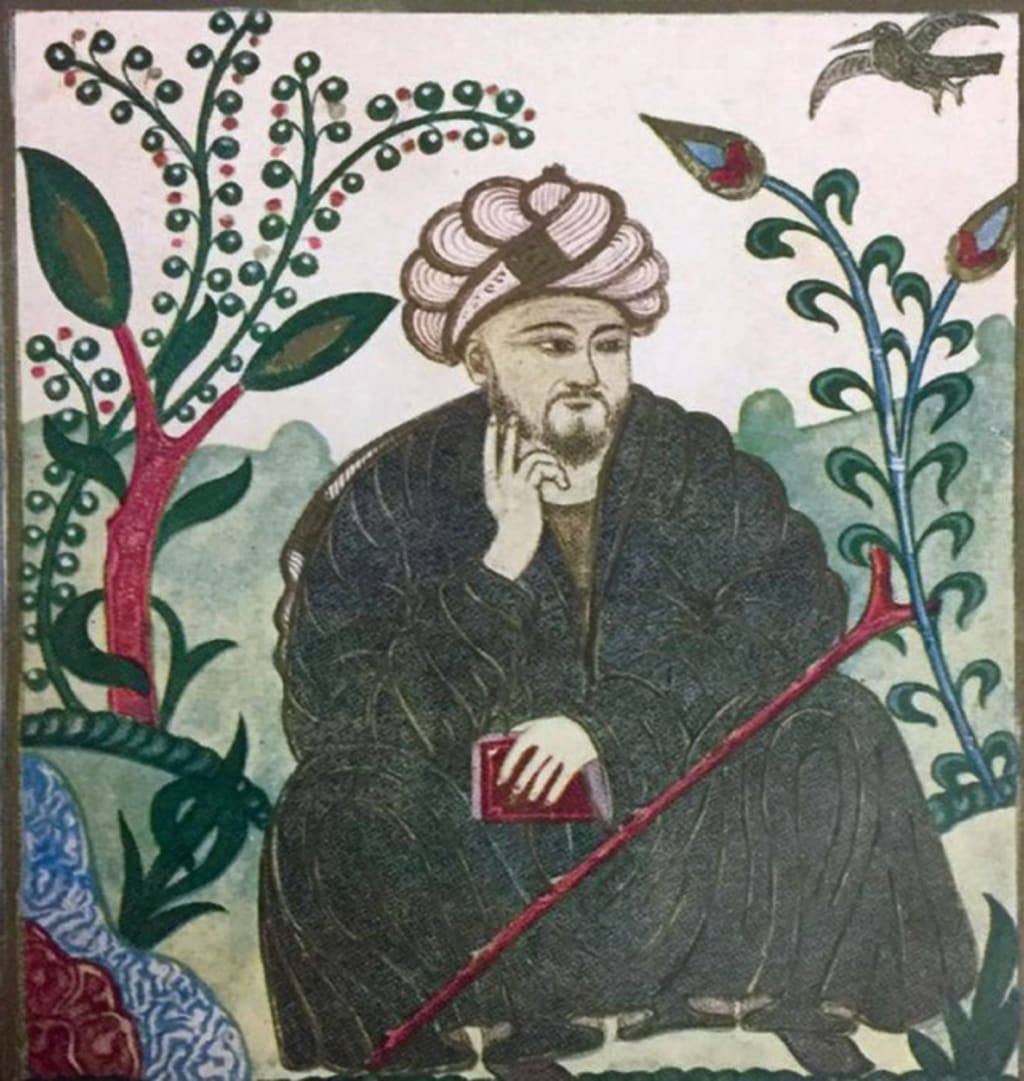
Al-Farabi and the Establishment of the Scientific Tradition of Music in the Islamic Golden Age
Author: Islamuddin Feroz, Former Professor, Department of Music, Faculty of Fine Arts, University of Kabul
Abstract
Abu Nasr al-Farabi is one of the most prominent scientific and philosophical figures in the Islamic world, who, by linking philosophy, logic, and music, established a new and scholarly position for music within the epistemological system of Islamic civilization. He introduces music as a discipline with rational foundations, influential on the psychological, ethical, and educational dimensions of human beings. In Ihsa’ al-Ulum, al-Farabi categorizes music among the theoretical sciences, and in his seminal work Al-Musiqi al-Kabir, he provides a precise explanation of the structure of sound, melodic relationships, musical modes, and practical functions of music through a rational and systematic approach. His emphasis on the role of music in regulating emotions, creating psychological balance, and influencing individual and societal behavior reflects a profound and human-centered perspective, placing music beyond mere art. This study, by analyzing the position of music in al-Farabi’s thought and examining the dichotomy of “theoretical music” and “practical music,” elucidates the significance and implications of al-Farabi’s theory in the development of musical knowledge during the Islamic Golden Age and its enduring legacy in Eastern music.
Keywords: Al-Farabi, Music, Islamic Music, Philosophy of Music, Theoretical and Practical Music.
Introduction
Introduction:
Al-Farabi (873–950 CE) is one of the most prominent philosophers and theorists of the Islamic world and a key figure in Islamic civilization. By drawing on the philosophical heritage of Greece and integrating it with the intellectual framework of Islam, he established a novel system in the rational sciences and the arts. Alongside his extensive contributions to philosophy and logic, Al-Farabi played a significant role in the development of musical sciences during the Islamic period. In his important work Ihsa’ al-‘Ulum (Enumeration of the Sciences), he placed music among the rational sciences, and he further elaborated this theoretical position in his foundational book Al-Musiqa al-Kabir (The Great Book of Music) by explaining the scientific and precise concepts of melodies, intervals, modes, and sound structures. According to Al-Farabi, music is not merely a source of auditory pleasure; it is a tool for moral cultivation, behavioral refinement, and psychological balance. This perspective elevates music beyond mere entertainment, making it an integral part of education and social philosophy. Al-Farabi’s interpretation of music analyzes it in two domains: the science of theoretical music and the science of practical music—covering both the understanding of music’s structural laws and its real, applied effects on human beings. For this reason, Al-Farabi’s musical thought forms a bridge between art and science, as well as between psychology and philosophy; an approach that later influenced both Islamic and even Western scholars. This study aims to examine the precise position of music in Al-Farabi’s thought and to analyze his role in shaping the scientific system of music in the Islamic world, highlighting the significance of his contributions in the history of Eastern music and the golden age of Islamic civilization.
Al-Farabi (873–950 CE)
Abu Nasr Muhammad ibn Uzluq Tarkhan al-Farabi (873–950 CE), commonly referred to simply as al-Farabi, is one of the greatest figures in the culture and music of the Islamic world during the medieval period. Unfortunately, precise information about his life and activities is scarce. He was born in 873 CE. There is disagreement regarding his place of birth: some sources identify it as the Faryab region in Afghanistan, while others mention a region with the same name in the Syr Darya area, near present-day Shymkent in Kazakhstan. Al-Farabi’s father was an army officer. He spent his childhood and youth in his birthplace and later traveled to the cities of Tashkent, Bukhara, and Samarkand for his studies. Subsequently, he went to Baghdad, the cultural center of the Abbasid Caliphate, to continue his education (Kambarbekova, 2020, pp. 57–60). He also visited cities in present-day Iran, such as Isfahan, Hamadan, and Ray. Around 940 CE, he settled in Damascus and spent the final years of his life in Aleppo (Umar Gokaru, Abdullah, 2024, p. 153). There, he served under Sayf al-Dawla Hamdani and was considered a close associate of the court. In addition to his scholarly stature, al-Farabi was a distinguished musician and composer, proficient in playing instruments such as the oud, tanbur, ghijak, ney, harp, and qanun. Due to his exceptional talent and taste, he became familiar with the musical cultures of various Middle Eastern peoples, and the musical heritage of Persia (present-day Iran) and Greater Khorasan had a profound influence on his musical thought. Numerous anecdotes recount his skill in performance and composition. One of the most famous stories relates to a gathering at Sayf al-Dawla’s court, where al-Farabi played an instrument he had crafted himself: first making the attendees laugh, then, by changing the tone, causing them to cry, and finally, with another melody, lulling everyone to sleep before quietly leaving the assembly (Nurysheva, Tercan, 2021, p. 16). Al-Farabi produced valuable scientific and artistic works, which contributed significantly to the history of musicology worldwide. Among his most important works are Ihsa’ al-Ulum, al-Madkhal ila ‘Ilm al-Musiqi, Kitab Tabaqat al-Iqa‘at, and especially Kitab al-Musiqi al-Kabir. Some of these works are still preserved as manuscripts in libraries around the world. Al-Farabi’s two main works, namely the music section of Ihsa’ al-Ulum and Kitab al-Musiqi al-Kabir, hold a global position in the field of music. Kitab al-Musiqi al-Kabir is considered one of the masterpieces of scientific achievement, unparalleled in its comprehensiveness and depth in musicology at the time (Nurysheva, Tercan, 2021, p. 18). In this book, al-Farabi elevated music, which until then had been regarded as a part of philosophy and mathematics, to the status of an independent science. Originally, al-Musiqi al-Kabir consisted of two volumes, but no trace of the second volume remains. The first volume is divided into two sections. The first section, presented under the title Madkhal Sina‘at al-Musiqi, includes two treatises. The first treatise defines musical tone, explores abilities related to composing melodies, and examines the origins of music. The second treatise addresses the concept of musical interval or dimension, introduces natural melodies for humans, and explains natural notes on the oud (Abdumutalibovich, 2022, p. 528).
Overall, these two introductory sections reflect al-Farabi’s scientific and philosophical perspective on music and form the theoretical foundation of Islamic and Eastern music. He considered music both a mathematical science and a factor influencing the human spirit and ethics. This perspective profoundly impacted musical thought in Central Asia and the Islamic world, paving the way for music theorization for scholars such as Avicenna (Ibn Sina) and other thinkers. In addition, al-Farabi’s book Ihsa’ al-Ulum, as a methodology for the classification of sciences, has held great significance throughout history. In this book, al-Farabi scientifically examines music, considering it as one of the important branches of knowledge. All the explanations he provides about music appear both in Al-Musiqi al-Kabir and in Ihsa’ al-Ulum. Al-Farabi writes in this regard: "The science of music includes the study of types of melodies, their combinations, purposes and applications, and the methods for their effective performance." In general, he divides music into two parts:
1. Practical Music Science: which relates to the performance and application of music.
2. Theoretical Music Science: which encompasses the understanding of musical laws, structures, and principles.
Practical music science deals with the application and performance of music. This section includes playing melodies, arranging sounds, combining musical sections, and creating effective melodies. Al-Farabi believes that practical music should be performed with precision and skill to achieve desirable psychological and even physical effects on the listener. The repetitive nature of music and the precise arrangement of modes allow the listener to gain a deeper understanding of melodies, making the auditory experience morally and psychologically impactful. Theoretical music science, on the other hand, focuses on understanding the principles, structures, and laws of music. In this section, al-Farabi examines how each melody is formed, its ratios and scales, and why these structures produce harmony and beauty in music. Theoretical music helps both the listener and the performer not only to execute music accurately but also to present combinations and variations of melodies in a harmonious and effective manner based on scientific understanding (Nurysheva, Tercan, 2021, p. 11). Simply put, practical music science concerns how music is performed and its effects, while theoretical music science addresses its structure and laws. The combination of these two aspects in al-Farabi’s works makes music both a precise science and a tool for nurturing the spirit and regulating human states. Al-Farabi utilized the repetitive nature of music to influence the mind and emotions, demonstrating that music is not merely an auditory art but also an effective instrument for regulating human psychology and ethics. Within the framework of the twelve-mode system, he made an important discovery regarding the nature of music: al-Farabi showed that music performed in this system not only shapes the listener’s auditory experience but can also have profound physical and psychological effects. In other words, the repetition and modal structure of music provide the possibility of altering the listener’s mental states and even behavior, turning music into an educational and moralizing tool (Nurysheva, Tercan, 2021, p. 18). In addition to being a prominent music theorist, al-Farabi was also a highly skilled performer. He, in fact, left behind a work that can be considered the most important treatise on music in the medieval period—Al-Musiqi al-Kabir, which had a significant impact both in the East and the West and later became a reliable reference. His works are so valuable that their manuscripts are preserved not only in Islamic world libraries, such as those in Istanbul, Beirut, Damascus, and Cairo, but also in prestigious European and American libraries, including New York, Paris, Madrid, London, Sweden, Leiden, and Munich (Weller, 2018, p. 31).
Al-Farabi was a thinker who successfully established a logical and profound connection between theoretical knowledge and the human arts. He did not consider music, philosophy, and logic as separate disciplines but saw them as components of a unified system for understanding human beings and the world. His perspective on music as a tool for influencing the mind and ethics demonstrates a forward-looking understanding of the role of art in social education. By proposing a scientific classification of knowledge, he laid a new foundation for the scientific method in Islamic civilization. Overall, al-Farabi can be seen as a bridge between Greek heritage and the intellectual flourishing of the Islamic world, playing an unparalleled role in the development of philosophy and music.
Conclusion
Al-Farabi’s musical thought reflects a profound connection between philosophy, science, and education in Islamic civilization. By establishing theoretical foundations for music and defining scientific structures for melodies, intervals, and modes, he elevated music beyond the level of an empirical art and placed it within a rational and knowledge-based framework. His dual approach, distinguishing between “theoretical music science” and “practical music science,” indicates that music requires both abstract, rational understanding and experience, skill, and social application. Al-Farabi also emphasized the impact of music on the human mind and behavior, highlighting its ethical and educational dimension and demonstrating that music can play a role in behavioral refinement, cultural identity enhancement, and psychological balance within society. His works not only advanced the scientific level of music during the Islamic Golden Age but also provided a theoretical foundation for subsequent musicians and thinkers in the Islamic world and even in certain intellectual traditions of the East. Therefore, al-Farabi’s musical legacy remains one of the most authoritative and foundational sources in musicological studies, philosophy of art, and the history of Eastern music, and its examination can contribute to a better understanding of the evolution of musical thought in the Islamic world.
References
Abdumutalibovich, Marufjon Ashurov. (2022) Musical Life in The Samanid Period in The IX-X Centuries Anduzbek Music in the XI-XV Centuries. Andijan State University named after Zahiriddin Muhammad Babur, Faculty of Art History, Associate Professor of Music Education. Volume: 22 . ISSN: 2545-0573. Pp 527- 537.
Kambarbekova, Galiya. (). Al-Farabi and his treatises, which are based on practice. 2020, Journal of Oriental Studies Mathematics, Oriental Studies, Archaeology of Natural Places. Publisher: al-Farabi Kazakh National University. Pp 56-63.
Nurysheva, Gulzhihan and Tercan, Nurfer. (2021). Al-Farabi’s philosophy of music “The Legality of Music”Central Asian Journal of Art Studies 6(1):10-26. DOI:10.47940/cajas.v6i1.318. pp 10-23.
Umar Gokaru, Shuaibu and Abdullah, Mustaffa. (2024). Language and Its Philosophy in the Views of Al-Farabi: A Discussion in the Light of the Quran. International Journal of Islamic Thought 25: 152-159 DOI:10.24035/ijit. 25.2024.293. pp 152-159. (Umar Gokaru, Abdullah, 2024, p153)
Weller, Rcharles. (2018). Al-Farabi's World Historical Travels: From Central Asia and the Middle East, to Europe and Russia, and Back Again. January 2018 Eurasian Journal of Religious Studies 15(3):30-34 DOI:10.26577/EJRS-2018-3-179 pp 30-34.
About the Creator
Prof. Islamuddin Feroz
Greetings and welcome to all friends and enthusiasts of Afghan culture, arts, and music!
I am Islamuddin Feroz, former Head and Professor of the Department of Music at the Faculty of Fine Arts, University of Kabul.
Keep reading
More stories from Prof. Islamuddin Feroz and writers in Beat and other communities.
From Samarkand to Herat: Rudaki and the Shared Musical Identity of Afghanistan and Central Asia
From Samarkand to Herat: Rudaki and the Shared Musical Identity of Afghanistan and Central Asia Author: Eslâmuddin Firooz, Former Professor, Department of Music, Faculty of Fine Arts, Kabul University
By Prof. Islamuddin Feroz3 months ago in Beat
Ludacris and Nelly draw backlash over bookings at MAGA-coded music festival
Ludacris and Nelly headlining a mostly right-wing event is good for them. It’s also great for the genre of hip hop. The two rap veterans have showcased their talents on other stages. Why can’t they perform for mostly MAGA folks and grab that bag?
By Skyler Saunders5 days ago in Beat
Pooh Shiesty’s Record Label Clarifies He’s Not In Jail Following Reports Of His Arrest
Pooh Shiesty’s release from prison is mired in speculation, confusion, and rumors. Is he out? Is he in? What are the current details? He has become a point of talk because there has been speculation about him snitching in a weapons case. Nevertheless, the rapper has released a song titled “FDO” or “First Day Out.”
By Skyler Saunders7 days ago in Beat
How, Too
Many people wonder how, too. You are not alone, and I am an expert. I will teach you how, too! First, you need to remit a small application fee and fill out an application describing the nature of your financial situation and how often payments will be made, as this will have great bearing on how well I teach you how, too.
By Harper Lewis3 days ago in Fiction




Comments
There are no comments for this story
Be the first to respond and start the conversation.