Rob Angeli
Bio
sunt lacrimae rerum et mentem mortalia tangunt
There are tears of things, and mortal objects touch the mind.
-Virgil Aeneid I.462


Stories (164)
Filter by community
Mesmerizing (Measuring Magic Tricks)
MESMERIZING Animal Magnetism makes All submit to the great Magnetizer; even though they appear to be asleep, his voice, a sudden look, a signal launched with the flick of the wrist, pulls them out of it. We cannot help but acknowledge the magnetic presence of a great power which moves and controls patients, never placebo, always
By Rob Angeli3 years ago in Fiction
AGAVE BLUES
But LO, the MIRACLE OF AGAVE BLUES the miracle of nature was the great goddess of the [Mexican Aloe], Maguey, the Goddess Mayahuel, whose flowers cluttered in pyramidal clusters, towerlapping above their dark coronals of leaves, like so many swords of dull blue flint. They can be seen unsheathing themselves to the sun in many a wide acre of the table-land. Its bruised pulp of spikes afford a paste to make paper; its juice when blades are cut is fermented into an intoxicating beverage called PULQUE, of which the inhabitants, to this day, are very fond; its leaves also supply an impenetrable thatch for the humbler dwellings. Thread for weaving coarse cloth and strong rope were drawn from its tough and twisted fibers; it made the weave of the paper they recorded their picture-codices with. Not only that, but its thorns at the extremity of the leaves were used as pins and needles used in ritualized self-mutilation of the tongue and genitals. The body part would be pierced with the agave needle, thereafter the blood was smeared on a bit of paper and burned in the fire as an offering. At last,the root, when properly cooked, made a sweet and wholesome dish. The AGAVE, in short, was vestment, mead, meat, and writing material for the Aztec People. It is certain that "Nature never before had bundled together so many of the elements of human comfort and CIVILIZATION!"
By Rob Angeli3 years ago in Fiction
In Plain Site
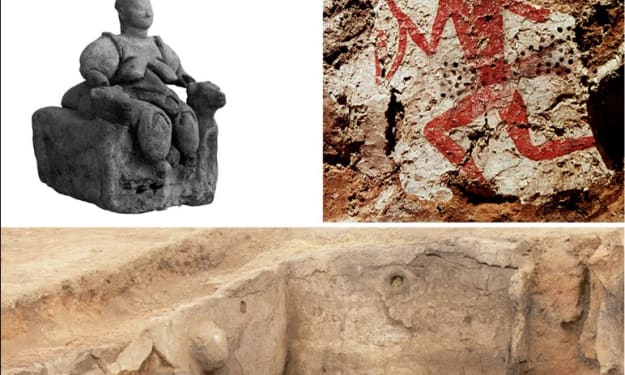
Çatalhöyük is an archeological site situated on the Konya plain in Turkey, and boasts extensive ruins of a group of prehistoric proto-cities. These hive-like structures were entered through the roofs, and fostered a tight-knit and unique communal structure of living. One of their most famous features were their burial practices: the dead were left on the rooftops to be de-fleshed by birds, and the skeletons were disassembled, and reassembled with other remains. They were decorated and painted, then these relics were shared between different homes where they would be enshrined beneath the floors. Children are thought to have been raised between different households as well. The inner walls of the small cell-like rooms were meticulously and repeatedly plastered and whitewashed. One of their favored objects [of worship?] are immense bull or Auroch horns that decorated many of the chambers. This culture flourished in the 7000's B.C.E.
By Rob Angeli3 years ago in History