Muhammad Hassan
Bio
Muhammad Hassan | Content writer with 2 years of experience crafting engaging articles on world news, current affairs, and trending topics. I simplify complex stories to keep readers informed and connected.
Stories (192)
Filter by community
Honey, I Shrunk the Datacentres: Is Small the New Big?. AI-Generated.
When most people think of datacentres, they picture sprawling warehouses full of servers, humming fans, and mountains of cabling. These massive facilities power everything from Netflix streams to artificial intelligence, but they also consume enormous amounts of energy and space. Now, a new trend is emerging: micro-datacentres. Tiny, modular, and often portable, these “datacentre in a box” solutions are challenging the old assumption that bigger is always better. Could small really be the new big in the world of computing? What Are Micro-Datacentres? Micro-datacentres are compact computing hubs designed to perform the same essential functions as traditional datacentres but in a fraction of the space. Think of them as miniaturized cloud factories — smaller, energy-efficient, and often placed closer to the users they serve. Key characteristics include: Compact size: Often no larger than a shipping container or even a cabinet. Energy efficiency: Use less power by focusing on localized computing needs. Modularity: Can be scaled horizontally by adding more units rather than expanding a single huge facility. Edge computing readiness: Positioned closer to where data is generated, reducing latency for IoT devices, AI applications, and streaming services. In short, micro-datacentres take the power of traditional computing and shrink it to fit modern, flexible infrastructure demands. Why Companies Are Embracing Smaller Datacentres There are several reasons the tech world is warming up to smaller datacentres: Energy and Cost Savings – Traditional datacentres consume massive amounts of electricity, sometimes as much as a small town. Micro-datacentres use less power and generate less heat, reducing both energy bills and cooling costs. Local Speed and Low Latency – For applications like AI, gaming, and streaming, milliseconds matter. By placing computing resources closer to users, micro-datacentres reduce latency and improve performance. Flexibility and Rapid Deployment – Big datacentres take years to build. Micro-datacentres can be deployed in weeks, allowing companies to respond quickly to spikes in demand or to expand into new regions. Resilience and Redundancy – Smaller, distributed units reduce the risk of a single point of failure. If one micro-datacentre goes down, others can pick up the load. Sustainability Goals – With energy efficiency at their core, micro-datacentres are often paired with renewable energy, making them an attractive option for companies seeking greener operations. From Data Warehouses to Data Cabinets Historically, the datacentre arms race has been about size. Companies like Amazon, Google, and Microsoft built massive facilities housing hundreds of thousands of servers. These centers achieved economies of scale but came with high energy use, long construction timelines, and heavy regulatory scrutiny. Micro-datacentres, on the other hand, flip the script: instead of one mega-facility, you deploy many smaller units closer to users. This is sometimes called edge computing, and it’s particularly useful for AI applications, smart cities, and the Internet of Things (IoT). Imagine self-driving cars, smart traffic lights, or factory robots. These devices generate enormous amounts of data that can’t be efficiently sent to a distant datacentre for processing. A nearby micro-datacentre solves the problem in real-time, enabling faster decisions and smoother operations. Real-World Examples Several companies are already experimenting with smaller datacentres: Google’s Edge Nodes: Google has deployed compact datacentres in regional locations to speed up cloud services. Microsoft Azure Stack Edge: A modular datacentre solution that brings cloud computing capabilities closer to businesses. Amazon Web Services (AWS) Snowcone: A portable computing and storage unit that can operate in remote or temporary locations. Even municipalities and hospitals are exploring micro-datacentres for localized applications like traffic management, healthcare data storage, and emergency services. Challenges of Going Small While micro-datacentres have many advantages, they’re not without challenges: Limited capacity: They can’t match the raw scale of traditional datacentres, so some large-scale AI training tasks still require mega-facilities. Security concerns: Smaller units distributed across many locations require robust cybersecurity protocols. Maintenance and monitoring: Managing multiple small units can be more complex than running a centralized datacentre. Energy trade-offs: If not designed efficiently, multiple micro-datacentres can sometimes use more energy than a single optimized large facility. Despite these challenges, many experts argue that the benefits — speed, flexibility, and reduced environmental impact — outweigh the downsides for many applications. Why “Small” Could Be the Future The rise of micro-datacentres signals a broader shift in how we think about computing infrastructure. Instead of centralized, monolithic powerhouses, the future may look like a network of small, smart, and sustainable units. This trend aligns with several larger tech movements: Edge computing – Computing closer to the user or device. Green technology – Reducing energy consumption and carbon footprints. AI proliferation – Handling massive data loads locally to enable faster processing. For companies, governments, and communities, the message is clear: smaller doesn’t mean weaker — it can mean smarter, faster, and more adaptable. Conclusion: Small but Mighty Micro-datacentres may not replace all mega-facilities, but they are carving out an essential niche in the computing ecosystem. They offer speed, flexibility, and sustainability that large datacentres can’t always provide, particularly for localized applications and edge computing. As technology evolves and energy concerns intensify, these “datacentres in a box” could become a core component of how we process, store, and access data in the 21st century. So the next time someone asks if small is the new big, the answer might just be yes — at least when it comes to datacentres.
By Muhammad Hassana day ago in Earth
As Trump Pushes Housing Affordability, His Mortgage Chief Undermines It. AI-Generated.
Affordable housing has become one of the hottest issues in American politics. From skyrocketing rents in urban centers to home prices that outpace wage growth, millions of Americans are feeling the squeeze. President Donald Trump recently highlighted housing affordability as a priority, promising policies aimed at making homeownership easier and more attainable. Yet, behind the scenes, his mortgage chief appears to be undercutting those very goals, raising questions about coherence in the administration’s approach. This contradiction is not just a policy quirk—it has real-world consequences for families trying to buy homes, investors watching the housing market, and communities struggling with affordability. Trump’s Push for Housing Affordability During recent speeches and public statements, Trump has stressed that making housing more affordable for Americans is a top priority. His proposals include: Expanding federal support for first-time homebuyers. Encouraging private sector investment in affordable housing projects. Streamlining regulations that, according to his administration, make housing unnecessarily expensive. These initiatives tap into widespread frustration over the housing crisis, which has only worsened in the past decade. In many cities, the gap between wages and home prices has widened so drastically that even middle-income families struggle to buy a modest home. Trump’s rhetoric on affordability appeals directly to voters, promising relief from soaring costs and signaling that his administration is responsive to everyday economic pressures. The Mortgage Chief’s Contradictory Actions Despite Trump’s stated goals, his mortgage chief, a key figure in the federal housing apparatus, has made decisions that seem to work against affordability. These include: Supporting higher fees or stricter lending requirements for federally backed mortgages. Maintaining interest rate policies that favor larger, wealthier borrowers over first-time or lower-income buyers. Delaying or limiting programs designed to expand access to affordable housing loans. These moves create tension between policy statements and actual administrative practices. While the president promotes accessibility, the mortgage chief’s actions effectively raise barriers for the very people Trump claims to help. Analysts say this kind of internal contradiction is not uncommon in government, but it can have serious consequences when it affects something as personal and financially critical as buying a home. Why This Matters for Homebuyers The disconnect between the president and his mortgage chief is more than political theater. For families hoping to buy their first home, it could mean: Higher upfront costs: Tighter lending requirements make down payments and fees harder to manage. Limited options: Stricter mortgage policies may exclude lower-income buyers from accessing certain loans. Uncertainty: Conflicting signals from the administration can create confusion about eligibility, program availability, and financial planning. For those already navigating the housing market, these contradictions add stress and financial strain. Families may delay buying, settle for smaller homes, or be forced to rent longer than intended—all outcomes that directly impact their economic stability. The Broader Market Impact The mortgage chief’s stance doesn’t just affect individual buyers. The housing market as a whole may experience: Slower growth in homeownership rates: If lending becomes more restrictive, fewer people will qualify to buy homes. Pressure on rental markets: More people renting due to barriers to homeownership can drive up rents, worsening affordability issues. Investor uncertainty: Conflicting policies make it harder for developers and investors to plan affordable housing projects. Economists warn that these kinds of contradictions can stall efforts to stabilize housing markets, leaving affordability as a persistent national challenge. Political Implications Politically, this disconnect could have significant consequences. Housing affordability is a key voter issue, especially among younger and first-time buyers. If Trump is seen as promoting policies that his administration simultaneously undermines, it may weaken his credibility on economic issues. Conversely, this tension offers an opportunity for critics of the administration to highlight policy inconsistencies, potentially framing the government as out of touch with the needs of ordinary Americans. Some political observers note that similar contradictions have appeared in past administrations, where high-level appointees implement rules that contradict public statements from leaders. The housing sector, however, is particularly sensitive because its effects are immediate and personal. Voices From the Field Housing advocates and community leaders have been vocal about the mixed messages coming from the administration. Many emphasize the importance of consistent, transparent policies to help first-time and low-income buyers. Community groups argue that without clear support for affordable lending, families will continue to face barriers to homeownership. Economists warn that inconsistent policies may discourage private investment in affordable housing projects. Homebuyers report confusion about which programs are truly accessible, adding stress to already complex financial decisions. These perspectives underscore the importance of alignment between leadership rhetoric and administrative action. Moving Forward: What Needs to Change For Trump’s housing affordability push to have a real impact, several adjustments may be necessary: Policy alignment: Ensure that statements from the White House match the actions of housing officials. Lending reforms: Focus on lowering barriers for first-time buyers without increasing risk to the financial system. Community engagement: Work with local housing groups to understand and address real affordability challenges. Transparency: Clearly communicate available programs, eligibility requirements, and changes to regulations. Without these measures, well-intentioned policies may fail to reach the people who need them most. Conclusion: The Gap Between Words and Action Housing affordability is a critical issue for millions of Americans, touching everything from family stability to economic opportunity. President Trump’s emphasis on making homes more accessible is politically popular and socially important. Yet, when key figures in his administration act in ways that undermine these goals, the promise of affordability risks becoming empty rhetoric. For policymakers, advocates, and homebuyers alike, the lesson is clear: intentions must align with execution. Until the administration resolves these contradictions, affordable housing will remain a contentious and unresolved issue, with real consequences for the families who need help the most. The challenge now is for the White House and its housing leadership to bridge the gap between promise and practice, ensuring that every American who dreams of owning a home has a clear, achievable path to make it a reality.
By Muhammad Hassana day ago in The Swamp
Trump Says Microsoft Will Pay More for Its Datacenters’ Electricity. AI-Generated.
When it comes to energy, politics, and Big Tech, things just got interesting. President Donald Trump recently announced that Microsoft will pay more for the electricity used by its massive datacenters, a statement that has stirred debate from boardrooms to living rooms. The move highlights a growing tension: how do we balance America’s technological growth, particularly in artificial intelligence, with rising energy costs for everyday people? Let’s unpack what’s happening, why it matters, and what it could mean for communities, companies, and consumers alike. Datacenters Are Hungry for Power Datacenters are the backbone of cloud computing and AI development. These massive facilities store and process the data that powers everything from your video calls to advanced AI programs. And all that processing requires energy — lots of it. In fact, some datacenters use as much electricity as a small city. With AI workloads growing exponentially, electricity consumption in these centers could double by the mid‑2020s. That’s not just a tech problem — it affects local electricity grids, utility rates, and environmental resources. Trump’s announcement reflects a broader concern: he wants ordinary Americans to avoid paying higher utility bills just because tech companies need more power. Why Microsoft’s Response Matters Microsoft didn’t push back. Instead, the company unveiled its “Community-First AI Infrastructure” plan, aimed at addressing energy concerns while continuing its AI expansion. The plan includes: Paying electricity rates that cover the full cost of their datacenters. Working with local utilities and regulators to support grid improvements. Investing in job creation and AI training in host communities. Reducing environmental impacts, including water usage. Paying full property taxes without requesting incentives. In short, Microsoft is trying to show that it’s willing to internalize its energy costs rather than let local communities shoulder the burden. The Political Angle This announcement is more than just corporate strategy — it’s political theater. With voters concerned about rising costs and inflation, Trump is signaling that his administration is protecting consumers from the hidden costs of AI infrastructure. However, critics warn that forcing tech companies to pay higher electricity bills could slow investment in U.S. datacenters. Some clean energy advocates also argue that expanding renewable energy capacity is a more effective solution than simply redistributing costs. The debate shows that AI isn’t just a technological revolution — it’s also reshaping energy policy, economics, and local politics. Community Reactions People living near datacenters have had mixed reactions. Some welcome the news, hoping that higher corporate contributions will prevent electricity bills from climbing. Others remain skeptical, worried that new projects might still strain local resources or that energy-intensive operations could continue despite higher costs. Communities in states like Wisconsin and Virginia have already pushed back against new datacenters, citing water usage, environmental concerns, and electricity demand. Microsoft’s commitments aim to reassure local residents and reduce community resistance — but whether it works remains to be seen. Broader Implications for the Tech Industry If Microsoft’s plan is successful, it could set a new standard for the entire tech industry. Other companies, like Amazon, Google, and Meta, may follow suit, paying closer attention to electricity costs, local infrastructure, and community relations. This could encourage more sustainable datacenter development, better corporate accountability, and even influence where AI infrastructure is built in the future. AI, Energy, and the Future of Policy The Trump-Microsoft electricity issue is more than a headline. It’s a window into how AI, energy consumption, and public policy intersect. Datacenters are no longer invisible infrastructure — their energy needs have direct economic, social, and environmental impacts. By calling on Microsoft to pay more, Trump has spotlighted the challenges of maintaining rapid AI growth while protecting consumers. And Microsoft’s “Community-First” plan shows one way a tech giant can respond: balancing expansion with responsibility. Conclusion: Powering Technology Without Powering Up Costs At the heart of this story is a simple question: how do we ensure AI innovation doesn’t come at the expense of everyday Americans? Trump’s directive and Microsoft’s response offer one potential path forward: let tech companies cover their own energy costs, invest in communities, and reduce environmental impacts. Whether this model becomes the industry standard remains to be seen. For now, it’s a clear reminder that the future of AI isn’t just about algorithms and servers — it’s about people, power, and policy.
By Muhammad Hassana day ago in The Swamp
Why the East Coast Wants More of Trump’s Least-Favorite Energy Source. AI-Generated.
The East Coast of the United States has long been at the center of political debates over energy policy. From coal-fired power plants in Pennsylvania to offshore wind projects in Massachusetts, the region has often found itself at odds with federal priorities. Recently, attention has turned to a particular energy source that former President Donald Trump famously criticized—natural gas. While Trump often championed coal and domestic fossil fuels, calling natural gas “not clean enough” for his administration’s vision, East Coast states are increasingly betting on it to fuel their energy needs. This pivot raises a critical question: why is a region leaning heavily into a fuel source that one of the country’s most influential political figures publicly dismissed? The answer lies in a mix of economic necessity, environmental policy, and infrastructure realities. Rising Demand, Limited Options Energy demand on the East Coast is growing faster than elsewhere in the country. The population in states from New York down to Florida is expanding, and urban centers are seeing increased consumption due to the rise of electric vehicles, new data centers, and more residential and commercial development. Renewable energy projects, while promising, are not yet sufficient to meet this surge in demand. Solar and wind power are growing, but their intermittent nature creates gaps in supply that cannot yet be fully bridged without reliable backup sources. Natural gas fills that gap. Unlike coal, it burns cleaner and produces significantly lower carbon dioxide emissions per unit of energy. It also emits fewer pollutants such as sulfur dioxide and particulate matter, which makes it more acceptable in states with strict air quality standards. For many East Coast states, the choice isn’t about political alignment—it’s about pragmatism. Infrastructure Investments Over the last decade, states along the East Coast have invested billions of dollars in natural gas infrastructure, including pipelines, storage facilities, and modernized power plants. This infrastructure provides a steady, controllable energy supply, unlike some renewable options that depend heavily on weather conditions. Retrofitting the grid entirely to run on solar, wind, or nuclear would take decades and tens of billions more in investment, which is why natural gas remains a central piece of the puzzle. For example, Massachusetts has been expanding its natural gas pipeline network to reduce the risk of winter shortages. Similarly, New York and New Jersey have approved projects that allow for natural gas storage in strategic locations to ensure the grid remains stable during peak demand periods. These projects face political opposition, environmental concerns, and even lawsuits, but their momentum demonstrates the economic and logistical importance of natural gas. Balancing Environment and Economics While Trump criticized natural gas for environmental reasons, East Coast states are adopting a more balanced approach. By using natural gas as a bridge fuel, these states aim to reduce reliance on coal while giving renewable technologies time to scale up. In New England, for example, natural gas now supplies nearly half of electricity generation, allowing older, dirtier coal plants to be retired. This shift has led to measurable reductions in regional carbon emissions and improved air quality in densely populated areas. At the same time, natural gas is not seen as a permanent solution. Policymakers are simultaneously promoting offshore wind projects, large-scale solar installations, and energy efficiency measures. The goal is to gradually replace natural gas over time with cleaner, renewable alternatives. But the pace of change is constrained by technological and financial realities, which is why natural gas demand remains strong despite political rhetoric. Political Pushback and the Trump Factor Trump’s criticisms of natural gas—particularly his push for coal and disdain for certain renewable policies—highlight the tension between federal politics and state-level priorities. East Coast governors, both Republican and Democrat, have largely ignored this political messaging in favor of practical solutions that meet the energy demands of their constituents. This political dynamic has also created an interesting market scenario. While Trump’s rhetoric may have slowed natural gas projects in some regions during his presidency, private investors and utility companies on the East Coast have seen opportunity. By doubling down on natural gas now, these stakeholders position themselves to profit from a fuel source that remains essential for reliable electricity generation. Economic Benefits The economic argument for natural gas is equally compelling. The fuel is relatively cheap compared to alternatives, especially when global oil prices fluctuate. It also supports thousands of jobs in construction, engineering, and maintenance along the East Coast. Furthermore, natural gas provides a degree of energy independence by reducing the need to import expensive foreign fuels, which aligns with broader economic and strategic goals even if it conflicts with Trump-era messaging. Looking Ahead The East Coast’s embrace of natural gas is not a rejection of renewable energy. Instead, it reflects a strategy of pragmatism: using a cleaner-burning fossil fuel to stabilize the grid while scaling up cleaner alternatives. States like New York, New Jersey, and Massachusetts are investing heavily in offshore wind, while others are pushing solar and hydroelectric projects. In the long term, natural gas may indeed become a transitional fuel rather than a permanent fixture—but for now, it remains indispensable. The question of energy policy on the East Coast underscores a larger truth: local realities often outweigh national politics. Even if a former president declares a fuel source “undesirable,” states must prioritize reliable, affordable, and environmentally responsible energy for millions of residents. In that context, natural gas is not just an energy source; it is a strategic tool that balances growth, sustainability, and economic stability. In conclusion, the East Coast’s demand for natural gas is about more than political statements or presidential preferences. It is about securing reliable energy, protecting the environment incrementally, and supporting economic growth. Whether Trump approves or not, the East Coast is charting its own course—one pipeline, one power plant, and one megawatt at a time.
By Muhammad Hassana day ago in The Swamp
Tired of the Wellness Industrial Complex? Six Rules to Ditch – And What to Do Instead. AI-Generated.
If you’ve ever scrolled through Instagram, only to see someone sipping kale smoothies while doing yoga on a cliff, you know the wellness industrial complex is everywhere. Promises of “detoxes,” “miracle supplements,” and the “perfect morning routine” flood our feeds, making us feel like we’re failing if we can’t keep up. The problem? The wellness industry often prioritizes profit over real health. Those expensive gadgets, trendy diets, and Instagram-worthy fitness challenges can leave you broke, stressed, and exhausted. The good news is, you don’t have to play by their rules. Here are six wellness rules to ditch—and what to do instead. 1. Ditch the “Detox” Craze Why it’s misleading: Detox teas, cleanses, and expensive supplements promise to flush toxins from your body—but your liver and kidneys are already doing that job 24/7. Most “detoxes” are unnecessary and can even be harmful. What to do instead: Focus on basic nutrition. Eat whole foods, drink water, and get enough sleep. That’s your body’s real detox system. Simple, but far more effective than a $60 cleanse kit. 2. Forget About “Perfect” Mornings Why it’s unrealistic: The wellness industrial complex loves selling the idea of a flawless morning routine: cold showers, journaling, meditation, and superfoods before 7 AM. If your morning doesn’t look like a Pinterest board, you feel like a failure. What to do instead: Build a routine that actually fits your life. Even five minutes of stretching, a cup of coffee, or a brief walk counts. Consistency matters more than Instagram-worthy perfection. 3. Stop Chasing Supplements for Every Problem Why it’s a trap: There’s a supplement for everything: energy, sleep, skin, focus. But many of these products are overhyped and under-regulated. Your body often doesn’t need them. What to do instead: Prioritize real foods and lifestyle changes. Want more energy? Sleep, hydrate, and move your body. Struggling with focus? Try movement breaks and proper nutrition before popping a pill. Supplements can help in certain cases, but they shouldn’t be your first line of defense. 4. Ignore the “Quick Fix” Fitness Trends Why it’s harmful: High-intensity 10-minute workouts, fad exercises, or extreme challenges promise rapid transformation. They rarely consider your body type, fitness level, or lifestyle. This often leads to frustration or injury. What to do instead: Adopt sustainable fitness habits. Walk, run, lift weights, or take classes you genuinely enjoy. Consistency beats intensity when it comes to long-term results. Remember, fitness is a lifestyle, not a 21-day challenge. 5. Say Goodbye to Diet Culture Why it’s toxic: Counting calories, restricting foods, or labeling meals as “good” or “bad” can create an unhealthy relationship with food. The wellness industry profits from our guilt and obsession with dieting. What to do instead: Focus on mindful eating. Listen to your body’s hunger cues, enjoy meals without guilt, and include foods that nourish and satisfy you. Balance and moderation are your best friends—not strict rules. 6. Ditch the Comparison Game Why it’s damaging: Social media is a highlight reel. Comparing your body, lifestyle, or wellness journey to others’ curated feeds can lower self-esteem and increase stress. What to do instead: Define your own version of wellness. Track your personal progress, celebrate small victories, and remember that health isn’t a competition. Social media can inspire, but it shouldn’t dictate your standards. Building Your Personal Wellness Plan Once you’ve ditched these six toxic rules, it’s time to create a wellness routine that actually works. Here’s a simple framework: Move your body in ways you enjoy – whether it’s dancing, swimming, or just walking around your neighborhood. Eat with intention – focus on variety, whole foods, and balance rather than deprivation. Prioritize mental health – meditation, therapy, journaling, or talking to friends can all support your well-being. Sleep and rest matter – aim for consistent, quality sleep rather than sacrificing rest for productivity hacks. Celebrate progress, not perfection – small, sustainable changes beat dramatic, unsustainable fixes. Remember, wellness is personal. Your health, happiness, and peace of mind shouldn’t be determined by trends, products, or influencers. By ditching these six harmful rules, you take control of your journey, without paying for overpriced gimmicks. Final Thoughts The wellness industrial complex thrives on our insecurities and desire for instant results. But lasting health and happiness come from simple, sustainable practices that work for you—not for social media likes. Ditch the detoxes, fads, and perfectionism. Instead, focus on balance, consistency, and self-compassion. Wellness isn’t a product—it’s a lifelong practice. Start small, stay consistent, and watch the results unfold naturally. Your body, mind, and wallet will thank you.
By Muhammad Hassana day ago in The Swamp
Inside Trump's $11 Billion Health Plan to Replace “Neo-Colonial” USAID. AI-Generated.
In the landscape of global health aid, few proposals have stirred as much debate as former President Donald Trump’s ambitious plan to restructure American assistance abroad. Dubbed an $11 billion health initiative aimed at replacing USAID’s current framework, the plan seeks to pivot away from what Trump and his allies have criticized as the “neo-colonial” approach of U.S. foreign aid. While the plan promises greater efficiency and impact, experts are split on whether it is a practical solution or a politically driven gamble. Trump’s Critique of USAID The United States Agency for International Development (USAID) has long been a central pillar of American foreign assistance, distributing billions in aid annually to address health crises, food insecurity, and development challenges worldwide. However, Trump’s administration and its supporters have often described USAID’s approach as bureaucratic, inefficient, and reflective of a “neo-colonial” mindset. In public statements, Trump argued that the U.S. was spending taxpayer dollars on programs that benefited foreign governments or contractors more than the intended local communities. Critics of the plan say that while USAID has flaws—as any large bureaucracy does—its extensive networks and decades of experience provide an unmatched capacity to deliver aid efficiently and safely. The Core of the $11 Billion Proposal At the heart of Trump’s proposal is an $11 billion fund designed to consolidate, modernize, and streamline U.S. health aid. Unlike the traditional USAID model, which relies heavily on long-term partnerships with governments and NGOs, the new plan emphasizes: Direct Impact Funding: Allocating resources to frontline health workers and local initiatives rather than intermediaries. Data-Driven Investments: Using real-time health data to target outbreaks and crises more efficiently. Private Sector Partnerships: Leveraging U.S. pharmaceutical companies, tech firms, and healthcare startups to deliver vaccines, treatments, and medical infrastructure. Shorter Program Cycles: Moving away from multi-year funding commitments in favor of more flexible, results-oriented programs. Proponents argue that this approach could reduce bureaucratic overhead and ensure U.S. aid reaches communities faster. By “cutting out the middlemen,” Trump supporters claim, America can avoid the pitfalls of slow-moving aid programs that sometimes fail to adapt to crises. Reactions from the Global Health Community Global health experts, however, have expressed concern about both the logistics and philosophy of the plan. Dr. Melissa Ortega, a senior researcher at the Global Health Policy Institute, explained, “The idea of bypassing established structures like USAID may sound appealing on paper, but in practice, it risks undermining decades of institutional knowledge. Health systems are complex, and short-term projects cannot replace long-term capacity building.” Some critics have also questioned the characterization of USAID as “neo-colonial.” While U.S. foreign aid has historically been tied to geopolitical interests, many programs today are designed collaboratively with recipient countries and local organizations. Reducing oversight could unintentionally increase the risk of misuse, corruption, or health inequities. On the other hand, supporters of Trump’s plan point to examples of inefficiency in USAID programs, citing cases where aid was delayed or mismanaged. By introducing more direct funding models, they argue, U.S. taxpayer dollars could achieve a higher “return on health outcomes.” Political Implications Trump’s health aid overhaul proposal is not just about international development—it is also deeply political. Framing USAID as a “neo-colonial” institution resonates with a populist narrative that America should prioritize its own citizens and assert greater control over how taxpayer money is spent abroad. Domestically, the $11 billion plan faces scrutiny from Congress. Lawmakers from both parties have questioned whether dismantling USAID’s systems could destabilize ongoing health programs in countries where the U.S. has long-term commitments. The potential impact on global health security—including the fight against pandemics like COVID-19—adds another layer of concern. Internationally, U.S. allies and partner nations are watching closely. Sudden shifts in aid delivery could disrupt health programs in low- and middle-income countries, many of which rely on predictable funding cycles to maintain vaccination campaigns, maternal health services, and disease surveillance. Possible Benefits and Risks If executed carefully, the Trump-backed model could bring several benefits: Faster Response Times: Direct funding could accelerate delivery of vaccines, treatments, and emergency support. Innovation Boost: By partnering with private sector companies, the plan could accelerate development of new health technologies. Accountability: With performance-based metrics, the plan may better measure the impact of U.S. aid. However, the risks are equally significant: Disruption of Existing Programs: Abrupt changes could destabilize ongoing health projects. Loss of Expertise: USAID’s decades of experience in navigating local governance, supply chains, and community engagement may be hard to replace. Geopolitical Fallout: Allies accustomed to collaborating with USAID might see the move as destabilizing, reducing cooperation on global health initiatives. Looking Ahead As Trump and his allies continue to advocate for this $11 billion overhaul, the debate over the future of U.S. health aid is intensifying. Proponents view it as a necessary modernization of an outdated system, while critics fear it could undercut decades of carefully built infrastructure and global partnerships. Ultimately, the success of this plan will hinge on its ability to balance efficiency with stability, innovation with oversight, and political objectives with humanitarian needs. For now, the proposal remains controversial, representing a dramatic departure from traditional approaches to U.S. foreign aid. Whether it will reshape global health for the better—or simply create more uncertainty—remains to be seen. In the end, the Trump health plan is as much about ideology as it is about dollars. It challenges the conventional wisdom of international development and asks whether a more streamlined, results-focused approach can truly replace a system built over decades. As the world watches, the stakes could not be higher: the future of U.S. global health aid—and the lives it touches—hangs in the balance.
By Muhammad Hassana day ago in Earth
Russian Oil Company Refuses to Relinquish Control of Venezuela Exports. AI-Generated.
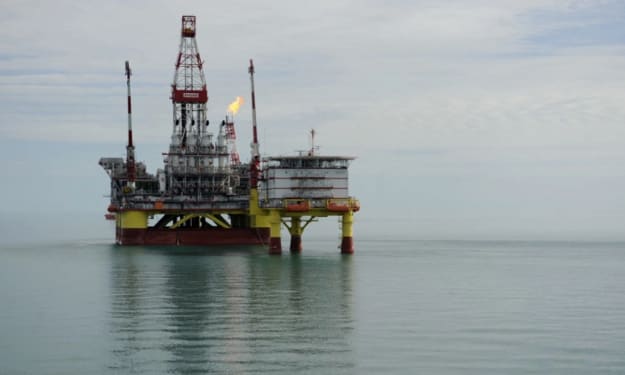
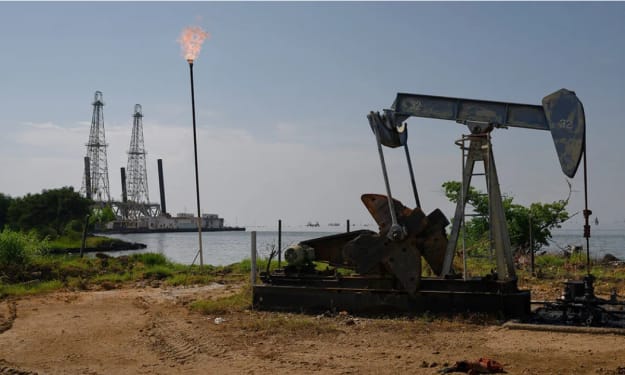
Venezuela’s oil saga just got even more intense. In early 2026, a dramatic confrontation between superpowers took center stage: a Russian oil company has refused to relinquish control of Venezuelan oil exports, directly challenging U.S. ambitions in the region. This isn’t just a business dispute; it’s a story of geopolitics, national sovereignty, and global influence that is reshaping energy markets and international diplomacy. For decades, Venezuela has been one of the world’s top oil producers, with reserves that rival those of Saudi Arabia. Control over these reserves doesn’t just mean profits — it signifies leverage, influence, and a critical role in global energy security. When Russia’s state-owned Roszarubezhneft declared it would maintain control over Venezuelan oil operations, it sent a clear message: Moscow isn’t backing down, no matter the pressure from Washington. Russia vs. U.S.: The Clash Over Venezuelan Oil In January 2026, following political upheaval in Venezuela — including the capture of its president by U.S. forces — the Trump administration announced plans to assert control over Venezuela’s oil exports. The aim was clear: integrate Venezuelan crude into U.S. markets, reduce the influence of adversarial powers, and stabilize energy flows favorable to U.S. interests. However, Russia’s Roszarubezhneft, a fully state-owned company, refused to comply. According to official statements, the Venezuelan oil assets are legally Russian, and the company will continue operations alongside Venezuela’s state-owned PDVSA (Petróleos de Venezuela SA). This refusal isn’t just about business — it’s a geopolitical power play, signaling Moscow’s intent to maintain influence in the Western Hemisphere. The standoff is more than a territorial or commercial dispute. It underscores a larger strategic battle over energy control, sovereignty, and the balance of power between the U.S. and Russia. Venezuela, with its vast reserves and strategic location, has become a key chess piece in this global game. Why Venezuela’s Oil Matters Venezuela holds some of the largest proven oil reserves on the planet, estimated at more than 300 billion barrels. Oil exports are the backbone of its economy, and control over these exports means influence over global energy markets. Yet, Venezuela’s oil sector has been plagued by decades of mismanagement, political instability, and international sanctions, leaving PDVSA struggling to maintain production levels. This created a window of opportunity for Russia. Over the past two decades, Moscow built deep energy ties with Caracas, stepping in when Western oil companies either pulled out or faced sanctions. Initially, Rosneft — Russia’s largest oil producer — managed these assets. However, after sanctions limited Rosneft’s ability to trade Venezuelan oil internationally, many of the assets were transferred to Roszarubezhneft, cementing full Russian state control. By maintaining this presence, Russia ensures it retains a strategic foothold in one of the richest oil basins in the world. A Geopolitical Statement, Not Just Business Roszarubezhneft’s refusal isn’t merely about oil production; it’s a bold geopolitical signal. By asserting control, Russia is challenging the idea that the U.S. can unilaterally dictate outcomes in the Americas. It’s also a demonstration of Moscow’s broader foreign policy approach: energy is as much about politics and influence as it is about commerce. For Washington, this represents a challenge. The U.S. strategy aimed to curtail adversarial influence near its borders while potentially opening the door for U.S.-aligned oil companies to enter the Venezuelan market. But Moscow’s defiance complicates that plan, raising tensions and increasing the likelihood of sanctions, economic maneuvers, and diplomatic clashes. Global Implications The repercussions of this standoff extend far beyond Venezuela: Russian Presence in the Americas: Traditionally, the U.S. has dominated Latin America. Russia’s continued involvement in Venezuela challenges this influence, signaling a shift toward a more multipolar world where energy resources can dictate power dynamics. Rising U.S.–Russia Tensions: The dispute adds fuel to an already tense relationship between the two nations. Both sides could escalate economic or diplomatic measures, further complicating the global political landscape. Market Uncertainty: Oil markets thrive on predictability. When control over a key supply region like Venezuela is contested, traders face uncertainty. This can lead to volatility in global oil prices, affecting consumers and businesses worldwide. Questions of Sovereignty: Central to this debate is the question of who really controls Venezuela’s natural resources. With the country’s government fragmented and foreign powers vying for influence, the issue of sovereignty becomes murky, highlighting the intersection of domestic politics and international intervention. The Human and Economic Angle While international headlines focus on geopolitics, the Venezuelan people feel the real-world consequences. Economic instability, hyperinflation, and scarcity of essential goods have plagued the nation for years. The contest over oil exports has a direct impact on Venezuela’s recovery prospects. If the sector remains under contested control, it could slow investment, delay infrastructure projects, and limit the revenue needed for social programs and economic stabilization. Meanwhile, Russian involvement, while strategic for Moscow, brings limited immediate relief to Venezuelans, illustrating how global power struggles often unfold at the expense of ordinary citizens. What’s Next? The situation in Venezuela is still evolving. The standoff between Russia and the U.S. over oil exports could take many forms: diplomatic negotiations, economic sanctions, or shifts in domestic Venezuelan politics. Global energy markets, investors, and policymakers will be watching closely. One thing is certain: in the world of oil, nothing is just business anymore. Energy resources have become instruments of power, leverage, and influence, shaping alliances and rivalries alike. Russia’s refusal to relinquish control of Venezuelan oil is a clear reminder that oil isn’t just a commodity — it’s a geopolitical weapon. As the story develops, the stakes will only rise. Whether through market pressures, international diplomacy, or changes within Venezuela itself, this battle over oil control will continue to make headlines, influence global energy flows, and reshape international relations.
By Muhammad Hassana day ago in The Swamp
Icy Chaos in Central and Eastern Europe. AI-Generated.
Winter has unleashed its fury across central and eastern Europe, leaving travelers frustrated and transport networks struggling to keep up. Over the past few days, freezing rain and ice have wreaked havoc on airports, train stations, and highways — forcing flight diversions, delaying trains, and making roads treacherously slippery. From Vienna to Budapest, Prague to Bratislava, this icy grip has brought travel to a near standstill. Let’s take a closer look at what’s happening, how it’s affecting people on the move, and what it tells us about winter travel in Europe. A Sudden Winter Blow A sudden wave of freezing rain swept across the region, coating runways, rail tracks, and roads with a dangerous layer of ice. Major airports in Austria, Hungary, Slovakia, and the Czech Republic were particularly affected. At Vienna International Airport, operations were temporarily suspended when runways became too slick for flights to land safely. Travelers already in the air had to divert to alternative airports in Munich, Frankfurt, and Venice. Meanwhile, Budapest’s Ferenc Liszt International Airport paused all arrivals and departures, and Prague’s Václav Havel Airport continued operating but at limited capacity. Trains Crawling Through Ice Rail networks weren’t spared. Across Austria, Hungary, and the Czech Republic, ice on tracks and power lines caused delays and cancellations. Austria’s national rail operator, ÖBB, urged passengers to postpone non-essential journeys. In the Czech Republic, travelers at Prague’s main station faced long waits as trains struggled to maintain schedules. Hungary’s tram and suburban rail services were temporarily suspended due to ice buildup on power lines. This combination of black ice, frozen switches, and heavy snowfall has tested the limits of winter infrastructure in Europe. Roads Turn Into Skating Rinks The icy weather didn’t just affect public transport — roads became treacherous, too. Authorities in Slovakia and the Czech Republic warned residents to avoid non-essential travel as highways turned into slippery skating rinks. Accidents and minor collisions were reported, and emergency services were busy responding to dozens of injuries from slips and falls. Even schools weren’t immune: parts of Romania shifted to online learning, keeping children safe during the extreme temperatures, which dropped to around -13°C in some areas. Why This Weather Is So Disruptive Meteorologists point to several factors that made this storm particularly severe: Freezing rain on top of existing snow creates an icy layer that’s extremely hard to clear. Rapidly refreezing surfaces make conditions unpredictable. Temperatures hovering around freezing prevent efficient melting during the day. This “perfect storm” scenario underscores just how vulnerable transport systems are to extreme weather. Even well-prepared airports and rail networks can struggle when weather transitions from snow to freezing rain. Voices From the Ground Passengers took to social media to express their frustration: Crowded airports as travelers scrambled to rebook flights. Train stations packed with delayed commuters, unsure when the next train would depart. Warming centers opened to provide shelter and hot drinks for stranded travelers. For many, a simple trip turned into a test of patience and resilience. Tips for Traveling in Freezing Conditions If you must travel during winter storms, experts recommend: Check flight and train schedules regularly, as delays can change quickly. Allow extra time for travel to avoid missing connections. Consider travel insurance that covers weather-related disruptions. If driving, carry winter essentials: blankets, food, water, and check road conditions before departure. Most importantly, prioritize safety over schedules — icy conditions can change rapidly, making travel risky. A Reminder From Winter This recent chaos in central and eastern Europe serves as a stark reminder of how interconnected transport systems are, and how vulnerable they can be to extreme weather. Flights grounded, trains stalled, and highways turned icy show that winter can bring travel to a halt — sometimes with very little warning. As Europe continues to face volatile winter conditions, travelers and authorities alike are reminded: preparation and flexibility are key. Sometimes, the weather truly has the final say. ❄️🛫🚆
By Muhammad Hassana day ago in Earth
Trump Wants Greenlanders to Join the U.S., but His Comments Are Making That Harder. AI-Generated.
Donald Trump’s fascination with Greenland has been a topic of international headlines since his first public musings about the massive Arctic island. His latest statements, suggesting that Greenlanders “should consider joining the United States,” have added a new layer of controversy. What might have sounded like a lighthearted comment or a negotiation tactic is now straining U.S.-Greenland relations and raising broader questions about diplomacy, sovereignty, and Arctic geopolitics. Greenland: More Than Just Ice Greenland, the world’s largest island, is an autonomous territory within the Kingdom of Denmark. Home to roughly 56,000 people, it has rich natural resources, strategic military locations, and a unique Arctic ecosystem. While its population is small, Greenland’s geopolitical significance is anything but. The island’s location makes it a focal point for global powers. The U.S. has long recognized Greenland’s strategic importance, operating Thule Air Base, which is the northernmost U.S. military installation. Meanwhile, China and Russia have shown growing interest in the Arctic, eyeing shipping routes and resource exploration. For Greenlanders, however, the question of joining the United States is more than a strategic calculation; it’s about identity, culture, and self-determination. The Problem With Trump’s Proposal When Trump publicly floated the idea that Greenland “would be great for the United States,” the reaction in Greenland was swift and largely negative. Locals viewed the remarks as a mix of arrogance and misunderstanding. Many Greenlanders see the U.S. as a key ally but remain committed to their Danish ties and independent governance. Political analyst Maria Kjeldsen notes, “Trump’s comments, while seemingly playful, undermine Greenland’s ongoing efforts to develop its economy and assert its political voice. Suggesting annexation or membership in the U.S. oversimplifies the island’s complex realities.” The remarks also triggered diplomatic tensions with Denmark. Danish Prime Minister Mette Frederiksen responded firmly, emphasizing that Greenland is not for sale and reaffirming its sovereignty. “Greenlanders decide their future, not external powers,” she stated, signaling that Washington’s casual rhetoric could complicate longstanding alliances. Economic and Strategic Stakes Trump’s interest in Greenland is not purely political—it has a strong economic and strategic dimension. The island is rich in rare earth minerals, including rare metals essential for technology and defense industries. As the U.S. seeks to reduce dependence on China for these critical resources, Greenland’s reserves become increasingly attractive. Additionally, the melting Arctic ice has opened new shipping lanes, potentially allowing faster maritime transport between the Atlantic and Pacific Oceans. Control or influence over Greenland could provide significant advantages for global trade and military logistics. From Washington’s perspective, inviting Greenland to join the U.S. may appear as a clever strategic play. From Nuuk—the capital of Greenland—it feels more like a disregard for local agency and international law. Historical Context Matters It’s important to remember Greenland’s history when assessing Trump’s proposal. Greenland has been part of the Danish realm since the early 18th century, and its people have steadily gained autonomy. In 2009, Greenland voted for self-rule, allowing it to manage its internal affairs while Denmark continues to handle defense and foreign policy. Proposals to merge with another country, even one as powerful as the U.S., evoke memories of colonial pressure and paternalistic decision-making. For Greenlanders, sovereignty is a deeply held value. Any suggestion of annexation—even framed as a positive opportunity—can be seen as undermining their hard-won autonomy. Public Opinion in Greenland Surveys conducted in Greenland suggest that the majority of the population opposes joining the United States. Concerns range from cultural preservation to legal and political complications. Greenlandic leaders emphasize gradual economic development, environmental protection, and international cooperation rather than radical political changes. Community leaders have been vocal about the tone of the conversation. Anecdotal responses indicate frustration: residents feel that foreign leaders are treating the island as a bargaining chip rather than a community with its own priorities and rights. The Diplomatic Fallout Trump’s comments risk more than just public backlash—they could affect diplomacy between the U.S., Denmark, and Greenland. Allies may perceive the remarks as dismissive or disrespectful. Given Greenland’s growing role in Arctic affairs, maintaining strong relationships with local leaders is essential for cooperation on environmental, military, and economic initiatives. Diplomats are walking a fine line. They must balance U.S. strategic interests with respect for Greenlandic sovereignty. Missteps can strain decades of partnership and give rival powers an opportunity to increase their influence in the Arctic. Lessons in International Engagement The Greenland episode highlights an important lesson in international relations: rhetoric matters. Casual or provocative statements from leaders can have real-world consequences, especially in territories with complex histories and strategic value. Policy experts argue that engagement with Greenland should focus on collaboration, not coercion. This means supporting infrastructure, trade, and education while respecting political autonomy. Successful diplomacy in the Arctic relies on long-term trust, not headline-grabbing proposals. Looking Ahead As the world watches, Greenlanders continue to navigate their own path. They are balancing opportunities for economic growth with the need to preserve culture, environment, and political independence. Meanwhile, U.S. leaders face a choice: continue making provocative public statements or pursue nuanced, respectful diplomacy. Trump’s comments may have sparked headlines, but the reality is clear: Greenland’s future will be determined by its people, not external pressures. For now, the idea of joining the United States remains politically unlikely, socially unpopular, and diplomatically sensitive. In the end, Greenland represents more than a strategic prize or economic opportunity. It is a reminder that sovereignty, identity, and international respect are as important as military bases and mineral wealth. If Washington truly seeks influence, listening and partnering—rather than proposing union—may be the most effective strategy.
By Muhammad Hassana day ago in The Swamp
Supreme Court Set to Issue Rulings, with Trump Tariffs Case Still Pending. AI-Generated.
The U.S. Supreme Court is gearing up for a series of critical rulings that could have far-reaching effects on American politics, the economy, and ongoing legal controversies involving former President Donald Trump. Among these high-profile cases is the long-awaited decision on the Trump tariffs case, which remains unresolved and continues to draw national attention. A Pivotal Moment for the Supreme Court The Supreme Court, as the highest judicial body in the United States, has the power to shape not only legal precedent but also economic and political landscapes. Every term, the Court issues decisions that can influence everything from civil liberties to federal policies. This session, observers are particularly focused on cases involving trade, executive power, and regulations implemented during Trump’s administration. The Trump tariffs case, in particular, highlights the tension between presidential authority and congressional oversight. The case challenges certain tariffs imposed by Trump on imports from countries like China, Mexico, and the European Union, arguing that they exceeded the executive branch’s authority and bypassed proper legislative procedures. What the Trump Tariffs Case Is About During his presidency, Donald Trump frequently used tariffs as a tool to bolster U.S. manufacturing, address trade imbalances, and pressure foreign governments into renegotiating trade deals. While some praised these measures for protecting domestic industries, critics argued that they overstepped legal boundaries and caused economic strain on American consumers. The case currently pending before the Supreme Court examines whether Trump acted within his executive authority when imposing these tariffs. Legal analysts note that a ruling against Trump could set a precedent limiting future presidents’ power to unilaterally impose trade restrictions without congressional approval. Conversely, a ruling in his favor could reinforce broad executive powers in trade matters. Broader Implications for Trade and the Economy The Supreme Court’s decision is more than just a legal formality—it has significant economic implications. If the Court rules that the tariffs were unlawful, the U.S. could face demands to refund millions in duties collected, impacting businesses and international trade relations. Companies that relied on protective tariffs to compete in global markets might also face increased competition from foreign imports. On the other hand, upholding the tariffs could embolden future administrations to take aggressive action in trade disputes, potentially triggering new tensions with other countries. Investors, trade associations, and policymakers are closely monitoring these developments, as the ruling could influence stock markets, trade negotiations, and long-term economic strategies. Political Stakes Remain High Beyond economics, the Trump tariffs case has political dimensions. Donald Trump’s legal and political team is watching the case closely, as the outcome could influence his broader legal battles and political ambitions. While the case focuses on trade, it also touches on questions of executive authority, a topic central to debates about checks and balances in the U.S. government. Democrats and Republicans alike are analyzing the case for its potential impact on future administrations. Some lawmakers have expressed concern that a broad interpretation of executive power could set a dangerous precedent, allowing presidents to implement sweeping economic measures without sufficient legislative oversight. Other Supreme Court Decisions to Watch While the Trump tariffs case is the most high-profile, the Supreme Court is expected to issue rulings on several other major issues this session, including voting rights, environmental regulations, and federal agency authority. Each decision could have ripple effects across the nation, shaping laws and policies for years to come. Observers are particularly interested in cases that intersect with current political debates. With midterm elections approaching, the timing of these rulings could influence public opinion, political campaigns, and legislative priorities. What Comes Next For now, all eyes remain on the Supreme Court. Legal experts are divided on the likely outcome of the Trump tariffs case, with some predicting a narrow decision and others expecting broader implications. Regardless of the verdict, the ruling will be closely studied by policymakers, businesses, and citizens alike. In the meantime, companies affected by tariffs, trade advocates, and political analysts continue to prepare for potential scenarios. Whether the Court sides with Trump or challenges his administration’s actions, the ruling will shape the legal landscape for presidential authority and U.S. trade policy for years to come. Final Thoughts The Supreme Court’s upcoming rulings, particularly on the Trump tariffs case, underscore the enduring tension between executive authority, congressional oversight, and judicial interpretation. These decisions will not only influence the immediate legal battle but could also redefine the boundaries of presidential power and trade policy in the United States. For citizens, investors, and policymakers, understanding the implications of these rulings is crucial. As the nation waits for the Court’s verdict, one thing is clear: the outcome will resonate far beyond the courtroom, affecting politics, economics, and the balance of power in Washington, D.C.
By Muhammad Hassana day ago in Earth
Without Democracy, Donald Trump’s Venezuelan Oil Quest Will Fail. AI-Generated.
The lure of Venezuelan oil has long been irresistible to global powers. With some of the largest proven oil reserves in the world, the South American nation represents both enormous wealth and complex geopolitical challenges. For Donald Trump, whose approach to foreign policy often blends economic opportunism with bold rhetoric, Venezuela’s oil has been a tantalizing target. Yet, despite his aggressive strategies and public declarations, the reality is clear: without democracy, Trump’s Venezuelan oil ambitions are likely to fail. Oil, Power, and Politics: The Venezuelan Context Venezuela’s oil sector is inextricably linked with its political landscape. Once a booming oil exporter, the country has faced decades of mismanagement, corruption, and authoritarian rule. Under leaders like Hugo Chávez and Nicolás Maduro, the state-controlled oil industry, managed by Petróleos de Venezuela (PDVSA), became a central instrument of political control. Trump’s administration repeatedly emphasized using sanctions, diplomatic pressure, and even the prospect of regime change to gain leverage over Venezuela. The underlying assumption is straightforward: by destabilizing the government or promoting a more U.S.-friendly leadership, access to oil reserves would follow. However, this strategy encounters a fundamental problem: without a functioning democratic system, there is no reliable mechanism to guarantee stability, transparency, or fair contracts in the oil sector. Authoritarian regimes often operate on loyalty rather than merit, and economic opportunities are frequently distributed through patronage networks. In such an environment, Trump’s promises or incentives could quickly be undermined by internal power struggles or corruption. The Limits of Sanctions Sanctions have been a cornerstone of U.S. policy toward Venezuela. The idea is simple: pressure the regime economically to force political concessions or create openings for change. While sanctions can cripple state finances and limit access to international markets, they rarely produce immediate regime collapse. Instead, they often strengthen authoritarian leaders’ grip, as governments rally nationalistic sentiment against perceived foreign interference. For Trump, this meant that even aggressive sanctions could not guarantee access to Venezuela’s oil. Without democratic institutions—free elections, independent judiciary, accountable governance—any oil deals risk becoming transactional rather than sustainable. In other words, a U.S.-backed leader could secure an oil contract today but face domestic resistance tomorrow, rendering the arrangement fragile and unreliable. Democracy as a Stabilizing Force Democracy provides mechanisms that authoritarian regimes lack. Transparent governance, checks and balances, and legal accountability create predictability in business dealings. For multinational companies and foreign governments, this stability is critical. In Venezuela, decades of democratic erosion have led to erratic policy decisions, frequent expropriations, and unpredictable regulatory environments. Trump’s oil ambitions, rooted in traditional business logic, clash with this reality. No amount of negotiation can fully mitigate the risks posed by a system where political survival often trumps economic rationality. History provides stark lessons. In countries where democracy is weak, oil wealth has often led to corruption, conflict, and economic collapse—a phenomenon known as the “resource curse.” Conversely, nations with strong institutions can leverage oil reserves to build sustainable wealth, attract foreign investment, and maintain political stability. Trump’s approach, which prioritizes short-term gains over institutional development, underestimates the necessity of democratic foundations. The Geopolitical Dimension U.S. ambitions in Venezuela do not operate in a vacuum. Russia, China, and other international actors have substantial influence in Caracas, providing both economic and military support to Maduro’s government. These alliances complicate U.S. efforts to access oil resources. Without democratic legitimacy, any intervention is likely to provoke geopolitical resistance, further limiting Trump’s options. Moreover, Venezuelan citizens themselves play a critical role. Over 7 million people have fled the country in recent years, driven by economic collapse and political repression. Any U.S. strategy that ignores public sentiment risks backlash, both locally and internationally. Democracy, by its very nature, requires engagement with citizens’ interests and demands, something authoritarian governments—and by extension, Trump’s transactional approach—often overlook. The Pitfalls of Personalistic Leadership Trump’s style of leadership, characterized by bold statements and personal negotiation, clashes with the structural realities of Venezuela. In authoritarian systems, deals depend on the whims of a few individuals rather than institutional norms. One change in leadership or a shift in loyalty can invalidate months of negotiation. In a democratic context, agreements are more resilient. Laws, regulatory frameworks, and independent institutions provide continuity, ensuring that commitments outlast a single leader. Trump’s reliance on personalistic leverage rather than systemic stability reduces the likelihood of successful, long-term oil access in Venezuela. Lessons for U.S. Policy The central lesson is clear: energy ambitions cannot succeed in isolation from political reality. Accessing Venezuelan oil requires more than coercive measures or diplomatic theatrics; it requires an environment where contracts can be enforced, policies are predictable, and political transitions are peaceful. Democracy—or at least steps toward accountable governance—is a prerequisite for these conditions. Trump’s Venezuela strategy demonstrates the limits of relying solely on authoritarian pressure or personal influence. Without addressing the structural issues of governance, economic mismanagement, and citizen engagement, oil wealth remains a distant prize. In essence, the pursuit of Venezuelan oil is inseparable from the pursuit of democratic legitimacy. Conclusion Donald Trump’s Venezuelan oil quest embodies the intersection of ambition, power, and geopolitics. While the allure of Venezuela’s vast reserves is undeniable, the absence of democratic structures makes this pursuit inherently fragile. Authoritarianism, corruption, and political instability create risks that personalistic leadership and aggressive policies cannot fully overcome. For the U.S., the lesson is not merely about oil—it is about the necessity of supporting institutions that promote transparency, accountability, and citizen engagement. Without these foundations, the pursuit of Venezuelan oil is likely to remain an unfulfilled dream, no matter how forcefully it is pursued. In the end, democracy is not just a political ideal; it is a practical requirement for sustainable international energy strategy.
By Muhammad Hassana day ago in The Swamp
Trump Renews Threat on Greenland Before Meeting at White House. AI-Generated.
When it comes to bold headlines, few U.S. presidents rival Donald Trump. In recent days, the former president has once again put Greenland in the spotlight, reigniting debates over international diplomacy, natural resources, and the strategic importance of the Arctic. With a scheduled meeting at the White House on the horizon, Trump’s renewed comments about Greenland have left allies and critics alike scrambling to interpret his intentions. Greenland in the Global Spotlight Greenland, the world’s largest island, has long fascinated global powers due to its strategic location between North America and Europe. Beyond its geopolitical relevance, the island is rich in untapped natural resources, including rare earth minerals, oil, and gas reserves. These factors make Greenland not only a significant strategic interest for the United States but also a sensitive subject for Denmark, which administers the island as part of its kingdom. Trump’s comments have once again drawn attention to this icy territory, sparking questions about what the U.S. might gain from closer engagement—or, as some speculate, potential acquisition efforts. The History Behind Trump’s Greenland Interest This is not the first time Donald Trump has expressed unusual interest in Greenland. In 2019, during his presidency, Trump famously suggested purchasing the island from Denmark—a proposal that Denmark quickly rejected. Critics at the time dismissed the idea as improbable, while supporters argued it was a bold assertion of U.S. influence in the Arctic. Fast forward to today, Trump’s remarks hint at a continuing fascination with the Arctic region. Analysts suggest that this renewed attention is not just political theater; the Arctic is increasingly central to global security, trade, and climate discussions. Strategic Importance of Greenland Greenland’s importance extends far beyond its icy landscapes. The island sits atop key shipping lanes that could become critical as melting ice opens new maritime routes. Moreover, its proximity to the Arctic Circle makes it an essential location for military and intelligence operations. The U.S. already maintains a presence at Thule Air Base, one of the northernmost military installations in the world, highlighting the island’s strategic relevance. Trump’s comments, therefore, resonate within a broader geopolitical context. They underscore the U.S.’s enduring interest in Arctic security, particularly in an era of rising competition with Russia and China. Environmental and Climate Considerations Greenland is also a focal point for climate change discussions. The island’s ice sheet is melting at alarming rates, contributing to rising global sea levels. This environmental transformation has sparked international scientific attention, as well as debates over how to balance strategic interests with the urgent need for climate action. Trump’s rhetoric, however, tends to prioritize strategic and economic opportunities over environmental concerns. Critics argue that this approach risks sidelining urgent climate considerations at a time when Greenland’s ice melt is not just a local issue but a global threat. Denmark’s Reaction Denmark, which governs Greenland, has consistently emphasized that Greenland is not for sale and that the island’s future decisions should be made by its people. Following Trump’s renewed comments, Danish officials have reiterated their stance, stressing the importance of cooperation and respect for Greenland’s autonomy. In response, Greenland’s government has also emphasized self-determination. While U.S. engagement in Arctic research, defense, and trade is welcome, any attempt to influence sovereignty would be met with resistance. Public and Political Reactions in the U.S. Within the United States, Trump’s comments have elicited a range of reactions. Supporters argue that a strong U.S. presence in Greenland is a strategic necessity, particularly given the global competition for Arctic influence. Critics, however, see the remarks as a distraction from pressing domestic issues, framing the Greenland discourse as yet another example of Trump’s unconventional approach to foreign policy. Political analysts note that Trump’s pattern of making provocative statements ahead of key meetings is often a calculated move, designed to dominate headlines and frame the agenda on his terms. The upcoming White House meeting could provide further clarity—or more surprises. The Global Implications Beyond U.S.-Denmark relations, Trump’s Greenland comments reverberate globally. Nations like Russia, Canada, and China are increasingly active in Arctic affairs, making Greenland a potential flashpoint in international diplomacy. How the United States approaches this issue could shape Arctic policy, military positioning, and resource negotiations for years to come. Additionally, the environmental stakes are enormous. As melting ice opens new shipping lanes and exposes valuable minerals, the international community faces the challenge of balancing economic ambitions with sustainability. Trump’s remarks signal a prioritization of strategic and economic opportunities, potentially complicating cooperative efforts on climate action. Looking Ahead: What to Expect As the White House meeting approaches, all eyes will be on Trump’s statements and the reactions they provoke. Will this renewed Greenland focus result in concrete policy proposals, or is it another headline-grabbing maneuver? Observers agree that the Arctic will remain a key geopolitical arena, with Greenland at its center. For Americans and international audiences alike, understanding Greenland’s importance is crucial. This island may seem remote and icy, but its strategic, economic, and environmental significance makes it a place where global interests converge—often contentiously. Trump’s renewed threat or interest, therefore, is not just a political quip; it is a reminder of how central the Arctic is to 21st-century geopolitics. Conclusion Trump’s renewed comments on Greenland have once again thrust the island into international headlines. While the rhetoric may be polarizing, the underlying issues—strategic positioning, natural resources, climate implications, and sovereignty—are profoundly serious. As the world watches the upcoming White House meeting, one thing is clear: Greenland, a vast icy land, is far more than a distant territory. It is a linchpin in global politics, and any U.S. action there will have far-reaching implications. In the end, Trump’s Greenland remarks serve as a reminder that even the most remote parts of the world can capture the attention of the most powerful leaders—and that in today’s interconnected world, no territory is too far away to matter.
By Muhammad Hassana day ago in The Swamp