
T-Mobile Activates Free Cellular Starlink in the US As Winter Storm Rolls In
Bridging the Connectivity Gap During Severe Weather

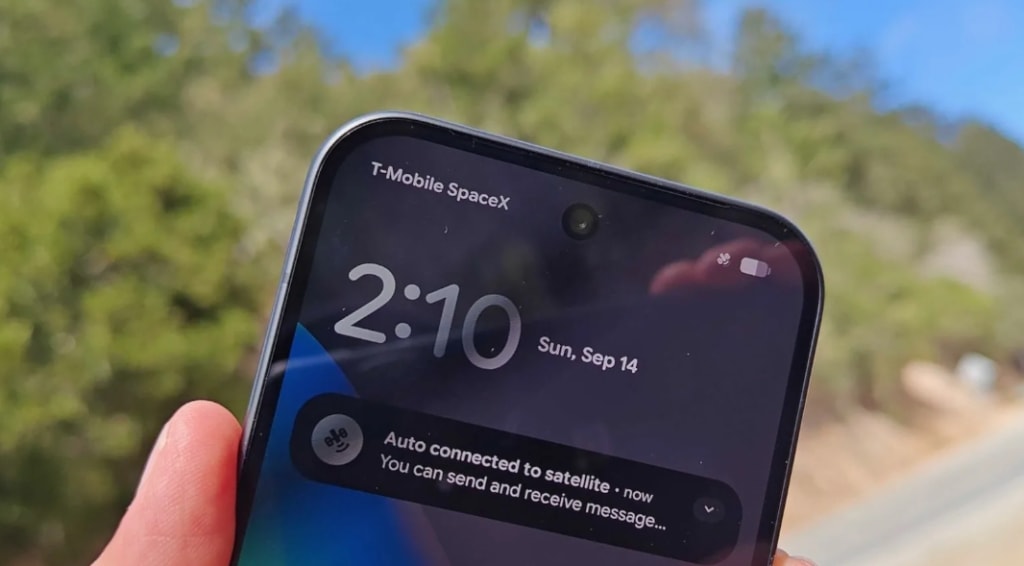
As winter storms sweep across large parts of the United States, T-Mobile has activated free cellular Starlink access, aiming to ensure that affected communities remain connected during periods of severe weather. The initiative highlights how technology companies are increasingly stepping up during natural disasters to provide critical communication services, bridging the gap when traditional networks may fail.
What Happened
With forecasts predicting heavy snowfall, icy roads, and widespread power outages, T-Mobile announced that it would activate free cellular Starlink connections for customers in storm-affected regions. The program is designed to provide:
Reliable internet access for households and businesses during outages.
Communication channels for emergency services, healthcare providers, and first responders.
Remote connectivity for individuals needing to work from home or stay in touch with family members.
The initiative demonstrates how telecommunications and satellite internet technologies are increasingly intertwined to maintain resilience in the face of extreme weather events.
How Cellular Starlink Works
Starlink, developed by SpaceX, is a satellite internet network that provides broadband connectivity even in remote or underserved areas. T-Mobile’s integration with Starlink allows customers to connect through their cellular devices, creating a seamless bridge between terrestrial and satellite networks.
Key features include:
Low-latency internet suitable for browsing, messaging, and streaming.
High reliability, even in regions where traditional cell towers may be damaged or overwhelmed.
Rapid deployment, enabling immediate connectivity during emergencies.
During the winter storm, this integration ensures that affected residents can stay informed, maintain communication, and access critical resources.
Why This Matters
Winter storms in the U.S. frequently cause power outages, blocked roads, and disrupted cell networks, leaving communities isolated. Maintaining connectivity is essential for:
Emergency alerts and updates: People rely on timely notifications to avoid hazards or evacuate if necessary.
Medical needs: Hospitals, clinics, and pharmacies need uninterrupted access to online systems and patient information.
Remote work and education: Many Americans work or study from home, making internet access critical.
Community coordination: Families and neighbors depend on digital communication to coordinate assistance.
By offering free cellular Starlink, T-Mobile is mitigating the impact of the storm, ensuring that citizens have access to reliable communications when they need it most.
Industry Implications
This move marks a significant step in disaster-resilient connectivity, showcasing how telecommunications companies and satellite networks can collaborate effectively. Analysts suggest:
Enhanced public-private cooperation: Companies like T-Mobile are increasingly partnering with satellite providers to bolster infrastructure during crises.
Acceleration of hybrid networks: The combination of cellular and satellite connectivity may become standard in storm-prone areas.
Potential influence on competitors: Other carriers may adopt similar strategies to remain competitive in both service reliability and public perception.
Experts believe that such initiatives signal a broader shift toward adaptive, resilient communication networks, capable of withstanding natural disasters and unexpected network disruptions.
Customer Reactions
Residents in affected areas have largely welcomed T-Mobile’s efforts, praising the initiative for its timely support and reliability. Customers noted that:
Even during power outages, their devices maintained stable internet connections.
Emergency communications, including weather alerts and local advisories, were accessible without interruption.
Remote work and online education were minimally affected, providing continuity during the storm.
Social media platforms quickly saw a surge in discussions highlighting T-Mobile’s innovative approach to ensuring connectivity in adverse conditions.
Government and Emergency Services Support
The integration of Starlink with T-Mobile also benefits emergency response agencies. By maintaining connectivity in storm-affected areas, officials can:
Coordinate rescue operations more effectively.
Ensure timely distribution of supplies and medical aid.
Communicate with affected communities to provide accurate and actionable guidance.
This partnership illustrates the importance of technology in disaster preparedness, allowing authorities and citizens to act in a more coordinated and informed manner.
Challenges and Considerations
While the activation of free cellular Starlink provides critical benefits, several challenges remain:
Network congestion: High demand during emergencies can strain even hybrid networks.
Device compatibility: Not all devices may support seamless integration with satellite networks.
Sustainability: Free access during storms relies on corporate support and resource allocation.
Coverage limitations: Remote or heavily obstructed areas may still experience reduced connectivity.
Despite these limitations, the initiative represents a major advancement in emergency communication technology, demonstrating the potential of hybrid networks in disaster management.
Looking Ahead
T-Mobile’s activation of free cellular Starlink could set a precedent for future disaster response efforts, encouraging other telecommunications providers to adopt similar strategies. Potential developments include:
Permanent integration of satellite backup systems for disaster-prone regions.
Expanded partnerships between tech companies and government agencies for crisis response.
Investment in low-latency, high-capacity satellite networks to serve both urban and rural populations.
The trend reflects a growing recognition that connectivity is a critical lifeline, not just a convenience, especially during extreme weather events.
Final Thoughts
As winter storms continue to affect millions of Americans each year, T-Mobile’s activation of free cellular Starlink provides a vital lifeline, ensuring that residents, businesses, and emergency services remain connected. By combining traditional cellular networks with satellite technology, this initiative demonstrates the power of innovation in protecting communities and highlights the growing role of private companies in public safety.
For citizens facing snow, ice, and power outages, the program ensures that even in the harshest conditions, communication is never lost. As hybrid network strategies evolve, initiatives like this are likely to become an essential feature of disaster resilience, bridging the gap between modern technology and human needs in times of crisis.
About the Creator
Muhammad Hassan
Muhammad Hassan | Content writer with 2 years of experience crafting engaging articles on world news, current affairs, and trending topics. I simplify complex stories to keep readers informed and connected.
Keep reading
More stories from Muhammad Hassan and writers in The Swamp and other communities.
Rs15 Billion Assistance for Rice Exporters: Government Vows to Ensure There Is No Misuse
In a bold move aimed at bolstering Pakistan’s rice sector, the government has announced Rs15 billion in financial assistance for rice exporters. The initiative comes at a crucial time as global demand for rice fluctuates due to supply chain challenges, inflation, and geopolitical tensions affecting trade. Officials have also emphasized that strict measures will be in place to prevent misuse of the funds, ensuring that the aid reaches its intended recipients.
By Muhammad Hassanabout 13 hours ago in The Swamp
Royal Mail Warns Customers It May ‘Suspend Deliveries to Your Address’
Royal Mail has issued a warning to certain customers, indicating that it may temporarily suspend deliveries to specific addresses under certain circumstances. This announcement has raised concerns among residents and businesses alike, highlighting the challenges facing postal services in the UK amid rising operational pressures.
By Aarif Lasharia day ago in The Swamp
Air Force One Turns Back With Trump After Electrical Issue: What the Incident Reveals About Presidential Aviation Safety
When Air Force One abruptly turned back mid-flight with former U.S. President Donald Trump on board due to an electrical issue, the incident immediately captured global attention. Any disruption involving the aircraft that carries a U.S. president—current or former—is bound to raise questions about safety, reliability, and preparedness. While officials quickly reassured the public that there was no immediate danger, the episode offers a rare glimpse into the complex world of presidential aviation and why caution, redundancy, and protocol always come first. What Happened in the Air? According to initial reports, the aircraft experienced a technical electrical malfunction shortly after departure. Following standard safety procedures, the flight crew made the decision to turn the plane back rather than continue to its destination. Importantly, there was no emergency landing, no loss of control, and no threat to passengers. The issue was handled calmly and professionally, underscoring the effectiveness of established aviation protocols. Electrical systems on modern aircraft are vast and interconnected, powering everything from navigation and communications to cabin systems. Even a minor irregularity can trigger precautionary measures—especially when the passenger list includes a former president and senior officials. Why Air Force One Is Different From Any Other Plane Air Force One is not a single aircraft but a call sign used for any U.S. Air Force plane carrying the president. Typically, it refers to two highly modified Boeing 747-200B aircraft. These planes are flying command centers, designed to operate under extreme conditions, including during national emergencies or global conflict. They feature multiple redundant systems, hardened electronics, secure communications, and defensive countermeasures. This means that even if one system encounters a problem, backup systems are immediately available. Turning back due to an electrical issue does not indicate weakness—it reflects a zero-risk tolerance approach. Safety Over Schedule: A Non-Negotiable Rule In commercial aviation, minor technical issues may sometimes be resolved without altering flight plans. Presidential aviation operates under a different philosophy entirely. If there is even a small uncertainty, the safest option is chosen, regardless of inconvenience or political optics. This decision-making culture explains why Air Force One turned back instead of pressing forward. The goal is not to “push through” but to eliminate risk entirely. In fact, experts argue that such conservative choices are proof that the system is working exactly as intended. Public Reaction and Political Overtones Incidents involving high-profile figures often spark speculation, particularly in today’s hyper-connected media environment. Social media quickly filled with theories, jokes, and political commentary. However, aviation specialists were quick to stress that technical turnbacks are not unusual and happen across all types of aircraft worldwide. Linking routine safety decisions to political narratives can distort public understanding. From an aviation standpoint, this was a textbook response to a technical anomaly—nothing more, nothing less. Aging Aircraft and the Push for Modernization The incident also reignited discussions about the age of the current Air Force One fleet. The aircraft have been in service since the early 1990s. While meticulously maintained and upgraded, they are still based on older airframes. The U.S. government has already commissioned new Air Force One replacements based on the Boeing 747-8 platform. These next-generation aircraft are expected to feature improved efficiency, updated avionics, and enhanced security systems. However, delays and cost overruns mean the current fleet remains in service longer than originally planned. Events like this highlight why modernization is not just about comfort or prestige—it’s about long-term reliability. What This Incident Really Tells Us Rather than signaling danger or failure, the Air Force One turnback demonstrates the strength of U.S. aviation safety culture. The crew identified an issue, followed protocol, and ensured the safety of everyone on board. There was no panic, no secrecy, and no improvisation—only procedure. For the general public, this incident serves as a reminder that aviation safety often involves decisions that seem dramatic from the outside but are routine within professional flight operations. Conclusion: Caution Is the Ultimate Security In the world of presidential travel, perfection is the goal, and caution is the rule. The Air Force One electrical issue and subsequent return were not signs of vulnerability but of vigilance. In an era where leaders travel under constant scrutiny and risk, the safest decision is always the right one—even if it means turning back. Ultimately, this brief interruption reinforced a simple truth: when it comes to the safety of national leaders, there is no such thing as overreacting—only being prepared.
By Fiaz Ahmed 3 days ago in The Swamp



Comments
There are no comments for this story
Be the first to respond and start the conversation.