Through every word, seeks to build bridges — one story, one voice, one moment of peace at a time.
Every night, when the city streets grew quiet and the day’s noise faded away, a small tea stall lit up on the corner of Railway Street.
By M.Farooq2 months ago in Humans
In the heart of a busy city, a small bakery named “Golden Crust” stood quietly on a corner. Its owner, Hassan, had inherited the shop from his father, who taught him that baking was more than just making bread — it was a way to nurture, to connect, and sometimes, to heal.
In the quiet town of Afsanaabad, there was a small public garden known as Nafees Park. Old wooden benches, a narrow walking path, and a fountain that barely worked — nothing special, yet the garden held a warmth that made people visit after long days.
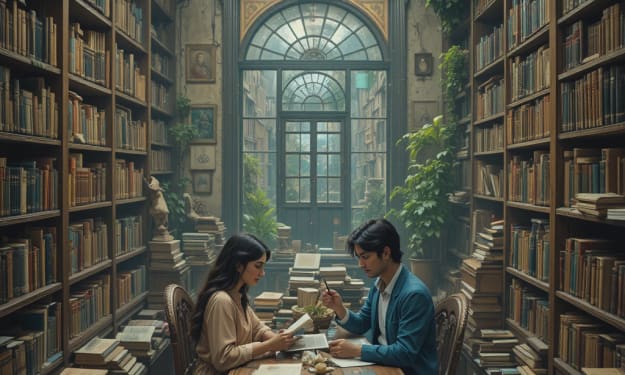
In the middle of a crowded, noisy city, there was a library that few people visited. Its walls were lined with books from floor to ceiling, many with cracked spines and yellowed pages. Dust lingered in the corners, and the smell of old paper mixed with the faint scent of lavender that the librarian, Mr. Naveed, always carried.
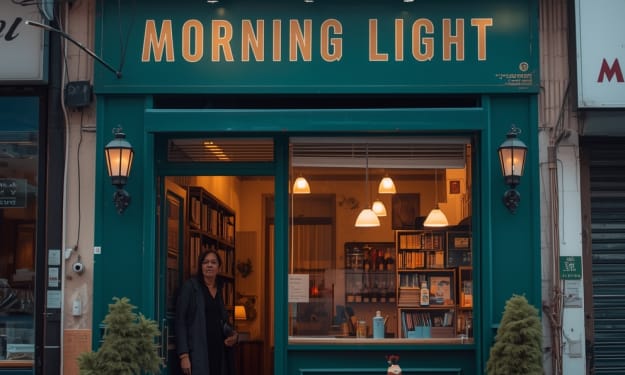
In the heart of a bustling city, where honking cars and hurried footsteps never seemed to stop, there was a small café at the corner of two streets called “Morning Light.” It was modest — a few wooden tables, a counter polished to a warm glow, and a window overlooking the crowded intersection. But for those who entered, it felt like a haven.
In the heart of a crowded, bustling city, life often felt rushed and disconnected. Narrow streets, honking cars, and towering apartment buildings pressed close together. Between two such buildings, hidden from most passersby, lay a long, narrow strip of land — neglected, overgrown with weeds, littered with broken bricks, old tires, and garbage. Residents ignored it, calling it an eyesore, a “forgotten space.”
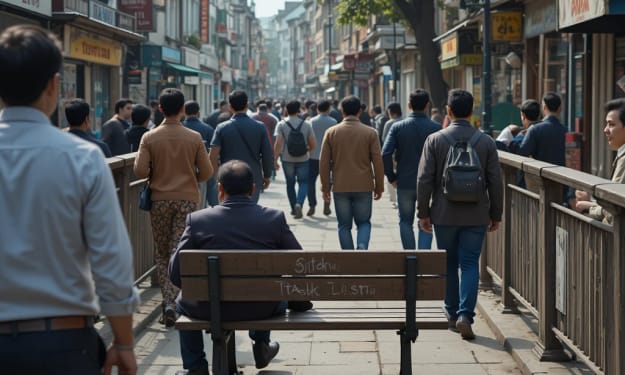
In a crowded city, a narrow pedestrian bridge connected two busy neighborhoods. Every day, hundreds of people crossed it — rushing to work, carrying groceries, or walking to school. Most ignored one another, their eyes glued to the ground or their phones.
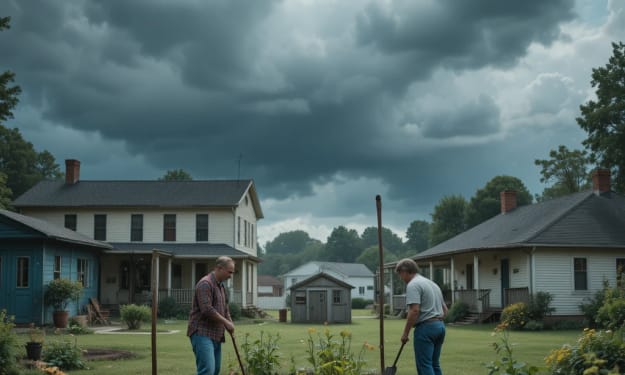
The riverside town of Mehrabad was small and quiet, nestled between rolling hills and a winding river. Life there was simple: children played on dusty streets, fishermen repaired their nets by the water, and neighbors greeted each other with warm smiles. But after sunset, darkness enveloped the town. Electricity was unreliable, and the narrow streets were often shrouded in shadow.
In the heart of a bustling city, sandwiched between narrow streets and towering apartment blocks, stood the Al-Huda Community Center. Its exterior was faded and cracked, a relic from decades past, and its windows, once gleaming, were smudged with dust and neglect.
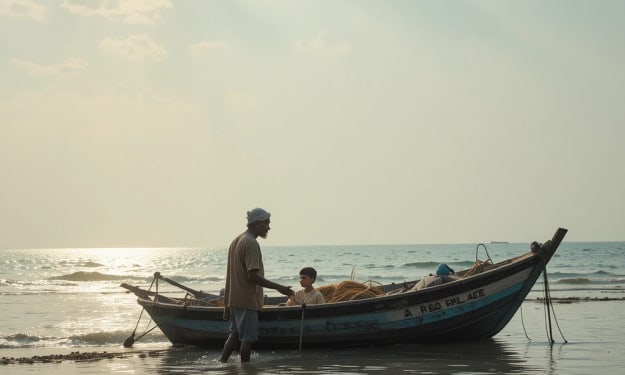
The village of Kamalpur sat on a narrow strip of land where the sea kissed the cliffs. Fishing boats, colorful and worn, bobbed gently in the harbor, and gulls cried overhead as waves lapped rhythmically against the shore. It was a quiet, timeless place — a world apart from the noise and chaos of the city.
In a small village tucked between rolling hills, Zara inherited her grandfather’s olive grove. The trees were old, gnarled, and full of history — each branch a witness to decades of family life, laughter, and arguments long forgotten.
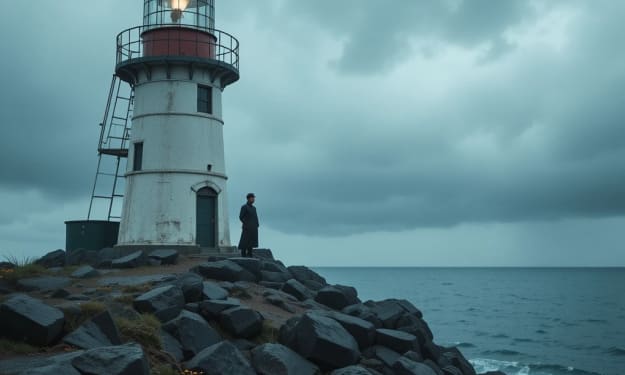
At the edge of a small coastal town, where waves collided with jagged rocks and gulls cried into the wind, Imran lived alone in a lighthouse.