Larisa Albanians
Bio
Hey, a healthcare technology solutions provider at emorphis, that is helping organizations to deliver better healthcare solutions.
Stories (94)
Filter by community
The Role of Data Analytics in Healthcare Digital Transformation
Digital transformation in healthcare Digital transformation in healthcare refers to the process of using technology to improve the quality of healthcare services, increase efficiency, and reduce costs. It involves the integration of digital technologies, such as electronic health records, telemedicine, wearables, and other tools, into healthcare systems.
By Larisa Albanians3 years ago in Humans
The Future of Healthcare: AI-Powered Health Systems
The artificial intelligence in healthcare Artificial intelligence (AI) is transforming the healthcare industry in significant ways. With the ability to analyze and process vast amounts of data quickly and accurately, AI has the potential to revolutionize the way healthcare is delivered, improving patient outcomes and reducing costs.
By Larisa Albanians3 years ago in Humans
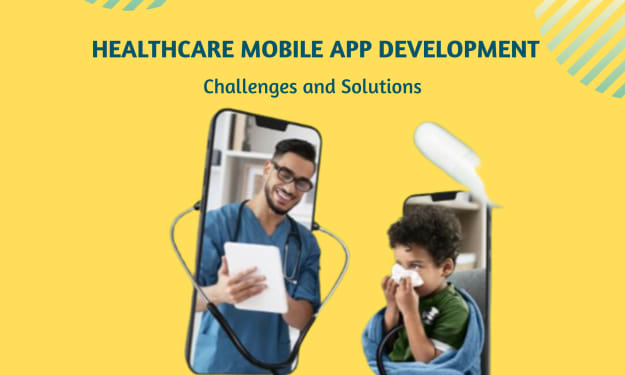
Challenges and Solutions in Healthcare Mobile App Development
Healthcare Mobile App Development Market Outlook The healthcare mobile app development market has been growing rapidly in recent years, driven by the increasing use of mobile devices in healthcare, rising demand for remote healthcare services, and the growing importance of healthcare technology. According to a report by Research and Markets, the global healthcare mobile app development market was valued at USD 4.22 billion in 2020 and is expected to reach USD 15.07 billion by 2028, growing at a CAGR of 16.8% from 2021 to 2028.
By Larisa Albanians3 years ago in Humans
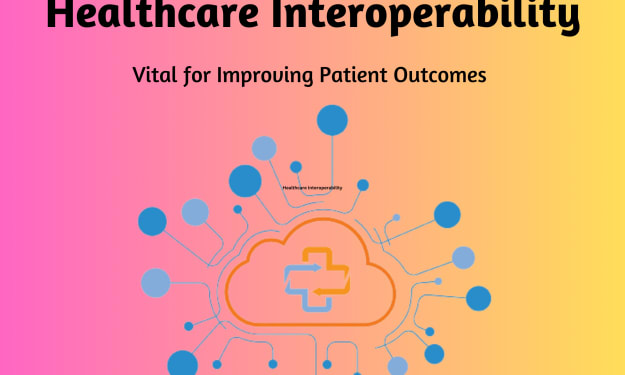
Healthcare Interoperability: Vital for Improving Patient Outcomes
What is healthcare interoperability? Healthcare interoperability refers to the ability of different healthcare information systems and devices to exchange, interpret, and use patient data seamlessly and securely. This means that medical data can be easily shared between different healthcare providers, such as doctors, nurses, hospitals, and other healthcare organizations, regardless of the specific electronic health record (EHR) system or software they use.
By Larisa Albanians3 years ago in Humans
Custom Healthcare Software: A Smart Investment for Long-Term Success
An overview of the healthcare industry at present The healthcare industry is a vital sector that encompasses a wide range of organizations and professionals that provide healthcare services to people. It is a complex and rapidly evolving field that includes hospitals, clinics, medical device companies, pharmaceuticals, health insurance providers, and other healthcare-related businesses.
By Larisa Albanians3 years ago in Humans
Patient Engagement Solutions-The value of technology!
What is Patient Engagement in Healthcare? Patient engagement refers to the collaboration and active participation of patients in their own healthcare. It involves involving patients in decision-making about their health, treatment options, and ongoing care management.
By Larisa Albanians3 years ago in Humans
Emorphis Technologies' Role in Customized Healthcare Solutions
Healthcare is an ever-evolving industry, with new challenges and opportunities arising every day. From patient care to medical research, healthcare requires innovative solutions to meet the needs of a growing and diverse population. That's were Emorphis Technologies comes in - a leading provider of custom software solutions that help healthcare organizations optimize their operations and deliver high-quality care to patients.
By Larisa Albanians3 years ago in Humans
Implementation strategy for medical software development
Medical Software Development Medical software refers to computer programs and applications designed to facilitate various aspects of healthcare delivery, management, and research. The use of medical software has become increasingly popular in recent years due to the numerous benefits it offers healthcare providers, researchers, and patients.
By Larisa Albanians3 years ago in Humans
"The Benefits of Healthcare Integration: Improving Patient Care and Reducing Costs"
Healthcare data Healthcare data refers to data related to the health of individuals, populations, and healthcare systems. This data can be used to inform decisions about the delivery of healthcare solutions, the development of health policy, and the performance of healthcare organizations. Healthcare data can include clinical data such as medical records, claims data, administrative data, and patient surveys.
By Larisa Albanians3 years ago in Humans
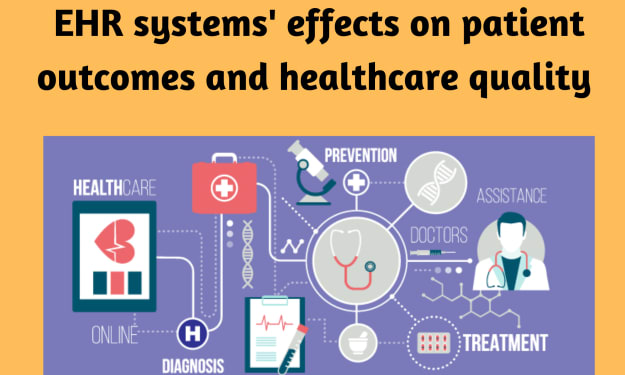
EHR systems' effects on patient outcomes and healthcare quality
What is EHR System? EHR stands for Electronic Health Record. An EHR system is an electronic record of a patient's medical history, including health information from various sources, that is maintained by a healthcare provider over time. The system includes patient data such as demographics, medical history, medications, immunizations, laboratory results, and radiology reports. It can also include other data such as medical images, vital signs, and provider notes. The system can be used to track a patient's health over time, provide better quality of care, and enable easier communication between healthcare providers.
By Larisa Albanians3 years ago in Humans
Improving Patient Satisfaction with Healthcare Apps
What exactly is Patient Satisfaction when it comes to using a healthcare app? Patient satisfaction with healthcare apps is generally very high. Studies have found that patients are satisfied with the convenience, ease of use, and access to medical information that apps provide. Patients report feeling more empowered and in control of their health when they use healthcare apps, as they can view their medical records, track their health, and access healthcare services easily on their own.
By Larisa Albanians3 years ago in Humans
Making Digital Health “Solutions” Sustainable in Healthcare Systems
Digital Health Digital health is an emerging field of healthcare that focuses on the use of digital technology to improve and streamline the health care system. This technology includes electronic health records (EHRs), telemedicine, mobile health apps, wearables, and other digital tools. Digital health is a rapidly growing field as more and more people are starting to use technology to manage their own health and access medical care. There are many benefits to digital health, such as the ability to access health information quickly and easily, improved patient care, and cost savings.
By Larisa Albanians3 years ago in Humans