HINGES OF TIME
Bio
Unlock the past with Hinges of Time⏳.
A community for history lovers, discourse and knowledge.
Stories (19)
Filter by community
African Elected Members Association (A.E.MO)
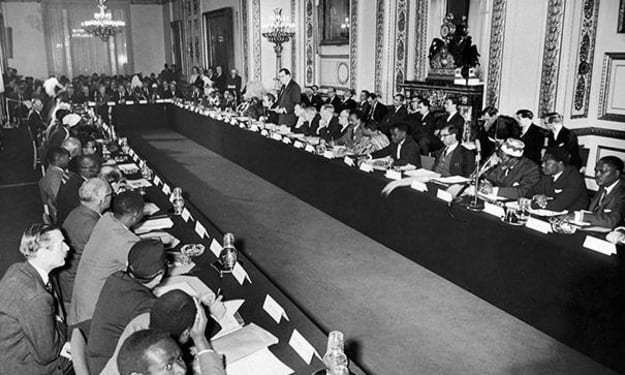
The Lyttleton Constitution of 1954 provided for elections in which Africans could vote for an African representative for each of the 8 Provinces. Between 25 September and 2 October 1956, Kenyans elected the leaders that would represent them in the legislative council. There was an impressive 78.5% turnout among the African voters.
By HINGES OF TIME12 months ago in History
The Limuru Conference (1966).
Tom Mboya set off the chain of events that led to the Limuru Conference. As David Goldsworthy narrates in the book, Tom Mboya: The Man Kenya Wanted to Forget, he cunningly set a trap for Odinga which the latter obliviously walked into. On 15th February 1966, Mboya tabled a motion in Parliament condemning dissident groups in KANU and asked that all who were against the government should declare themselves. Odinga immediately voiced his disapproval of the motion expressing that he had not been consulted regarding it and stormed out of the House but not before attacking Mboya directly calling him ‘The American ambassador to Kenya’. The motion did pass in his absence but only after 7 hours of vicious debates in which both camps voiced their personal and political disparities to each other in a manner that had never been done before in the country.
By HINGES OF TIME12 months ago in History
The Hola Massacre
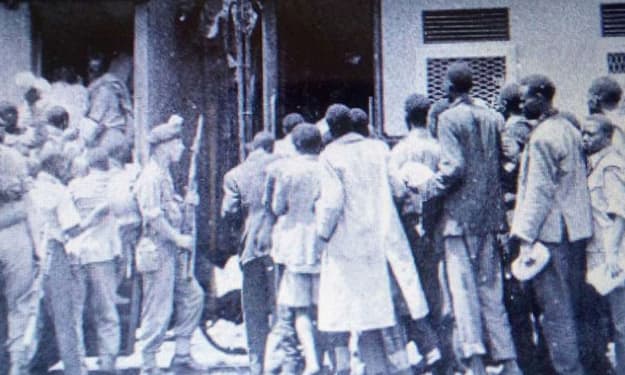
Hola Exile Camp was in an arid, mosquito-infested area in the East of the colony near Garissa. By March 1959, it held about 1000 hardcore detainees some of whom had been brought in from Mageta Island where they had participated in a major riot. On March 3rd 1959, 88 of the Hola detainees were marched outdoors for the day’s labour which they refused to do. They politely stated that they were liberation detainees and not prisoners meaning they did not have to work. While this was true in the years prior, the ‘Cowan Plan’ was now in effect empowering the guards to compel them to work if need be.
By HINGES OF TIME12 months ago in History
Manyani Detention Camp
Manyani was an enormous site, nearly three miles long by half a mile wide. At the time, this was the largest detention camp outside the Iron Curtain. It was, like most of the camps in the Pipeline, surrounded by barbed wire and watchtowers and patrolled by armed guards with police dogs. After Operation Anvil, detainees were being moved in batches of a thousand twice a week from the screening camps. J.M Kariuki who was transported from Langata, asserts that they were given no food at any point in the 2-day journey. All their possessions that were not packed into a box were confiscated upon arrival and the detainees became recipients of harsh beatings throughout the process of registration.
By HINGES OF TIMEabout a year ago in History
Wangari Maathai's Divorce Hearing
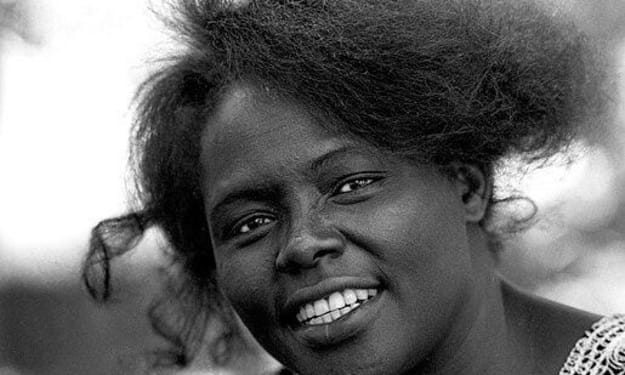
Wangari Maathai (1940-2011) was an environmental maverick who ended up winning the Nobel Peace Prize in 2004. Her first claim to fame, however, came more than two hours earlier in the scandalous dissolution of her marriage to Nairobi businessman and politician- Mwangi Mathai. Here’s what happened:
By HINGES OF TIMEabout a year ago in History
The Kisumu Massacre
Kisumu was an active tinderbox by the time Jomo Kenyatta was making his visit in 25th October 1969. From Oginga Odinga and Achieng Oneko’s resignation in 1966, Kenyatta had spared no effort in antagonizing and sidelining the Luo community in government. Kenya People’s Union (KPU) dawn raids had led to the arrests of several Luo party officials who were not only detained but lost their government posts. The prominent lawyer and MP aspirant Argwings Kodhek died in a mysterious car accident in January 1969 only for Tom Mboya, who was the darling of his people, to be gunned down in July of the same year. The Luo community was bitter and Kenyatta was about to throw the match that would turn the tinderbox into a roaring inferno.
By HINGES OF TIMEabout a year ago in History
Princess Elizabeth’s first visit to Kenya
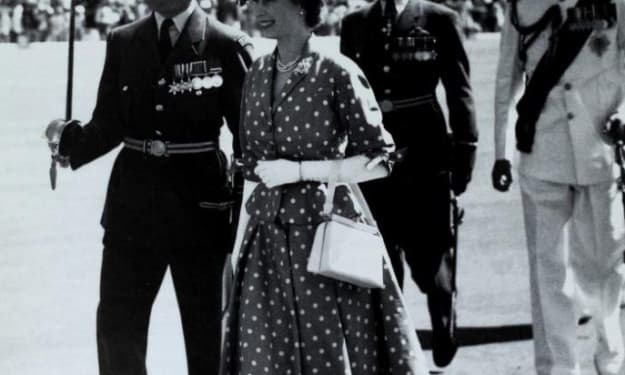
Even before this visit, the colony was already fond of the princess. The first dual-carriageway in Nairobi was named Princess Elizabeth Highway (now Uhuru Highway). The Royal State Lodge in Sagana had also been conferred to her as ‘a wedding gift from the people of Kenya’ in 1949 although she had never had a chance to see it. Finally in February 1952, in her ailing father’s stead, she visited the country in the sunny month of February and was received with pomp.
By HINGES OF TIMEabout a year ago in History