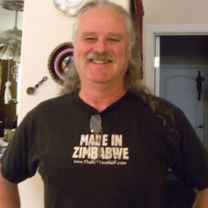
Guy lynn
Bio
born and raised in Southern Rhodesia, a British colony in Southern CentralAfrica.I lived in South Africa during the 1970’s, on the south coast,Natal .Emigrated to the U.S.A. In 1980, specifically The San Francisco Bay Area, California.
Stories (198)
Filter by community
The universe connects.
My life has settled down into a quiet, simple, mundane routine of household chores and yard work that comes from living alone on a hobby farm in a rural community deep in the mountains with no close by neighbors. And I’m okay with that, I suppose. I’ve lived a good life, full of excitement and danger, good stress, intellectual stimulus, world travel, all that interesting kind of life you read about in novels. I’ve lived that life. But now it’s over. I’m older, content to slow down. But maybe it’s because I’m alone, no companion to share adventures with, I don’t know. I’m not actively looking for anyone. I’m content on growing my fruit tree orchard on my patch of land and raising my flock of chickens and ducks. My chocolate lab keeps me company when I watch tv at night, and goes on long walks with me around the farm roads and down to the creek that runs past my land in the pine and redwood forest nearby. It’s beautiful here. No noise, or people, or crime, or graffiti. Just birds, frogs and other bigger wildlife. My slice of paradise. But actually, it would be nice to share it with someone. And that’s where the universe comes in. Let me tell how.
By Guy lynn25 days ago in Confessions
The secret life of the librarian.
I love books, I’ve been a voracious reader all my life, and if I buy a book, I can’t get rid of it. I’ll read it 2 or 3 times, and shelve it in my library in case I want to read it again. My collection has got out of control, and the room I’ve designated as my library is full, crammed full, the overflow of books has crept into the other rooms of the house, and also the garage. On shelves, packed in boxes stacked 8 high. There’s no room for the car. Like I said, out of control. So instead of buying books and reading them at home, and then storing them, I decided to join the local library. It’s just a short walk into town , a very pleasant walk, next to a park, and a coffee shop, not too many kids go there, at least during the times I’m there, and the libarian is sweet and helpful. Oh, and did I mention kind of cute. I’m not attached, so although I’m not on the prowl I’m always looking at the female scenery. I mean, why not?
By Guy lynn26 days ago in Motivation