Beyond Boundaries: Rethinking the Brain, Genomics, and Sleep
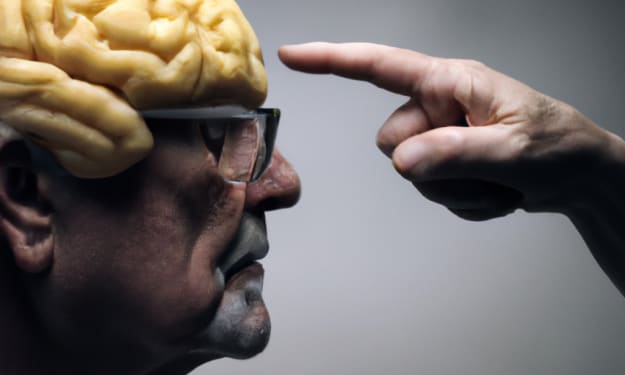
For centuries, the human brain has been a subject of fascination for doctors and scientists, seeking to unravel its mysteries. How is it organized? What roles do different areas play in mental functions, and how do they connect to shape our subjective psychological experience? Over the past 100 years, neuroscientists have approached the brain as cartographers, mapping its features and activities within defined boundaries. The prefrontal cortex has been hailed as the seat of rationality, while the motor cortex governs movement coordination. The somatosensory cortex and parietal lobes control our perception of the physical world, and the temporal lobes process memories, language, and emotion. The occipital lobe handles visual information, and the cerebellum executes motor commands. However, recent studies challenge these neat categorizations and reveal overlapping activity across different brain regions, blurring the lines of the traditional map.