Fiazahmedbrohi
Stories (513)
Filter by community
Many Schools Don’t Think Students Can Read Full Novels Anymore — And That’s a Tragedy. AI-Generated.
In classrooms across the world, a quiet but troubling shift is taking place. Many schools are scaling back or completely abandoning the teaching of full-length novels, replacing them with excerpts, summaries, or short-form texts. The reasoning often sounds practical: students lack the attention span, reading stamina, or motivation to finish long books. But this growing assumption carries a deeper cost. The decline of novel reading in schools is not just an educational adjustment — it is a cultural and intellectual tragedy. The Shrinking Role of the Novel For generations, novels have been central to education. They taught students empathy, critical thinking, moral reasoning, and the patience required to follow complex ideas over time. From classic literature to modern fiction, full novels allowed young readers to live inside other lives and perspectives. Today, however, many educators report that students struggle to complete even a few chapters. Digital distractions, social media, and fast-paced content have reshaped how young people consume information. In response, schools increasingly favor bite-sized reading materials that align with standardized testing and reduced classroom time. While this may appear efficient, it risks sacrificing depth for convenience. Why Reading Full Novels Still Matters Reading a novel is fundamentally different from reading short texts. A novel demands sustained attention, emotional investment, and intellectual endurance. These are not outdated skills — they are essential ones. When students read a full novel, they learn how to track themes across hundreds of pages, understand character development, and recognize cause-and-effect relationships in complex narratives. These abilities translate directly into real-world skills such as problem-solving, patience, and long-term focus. More importantly, novels cultivate empathy. Living inside a character’s thoughts over time helps students understand perspectives vastly different from their own. In an increasingly polarized world, this emotional literacy is invaluable. Lowering Expectations, Lowering Outcomes One of the most concerning aspects of abandoning novels is the message it sends to students: we don’t think you’re capable. When schools assume students cannot handle long-form reading, expectations are quietly lowered. History shows that when expectations drop, outcomes often follow. Students rise to challenges when given the tools and encouragement to do so. If reading stamina is weak, the solution should not be avoidance but gradual rebuilding — just as physical strength improves with practice. Removing novels from curricula denies students the chance to develop this crucial skill. The Role of Technology and Attention It is undeniable that digital culture has reshaped attention spans. Constant notifications, short videos, and algorithm-driven content train the brain to crave immediacy. But schools should act as a counterbalance to this trend, not surrender to it. Education has always required effort that goes against the grain of comfort. Learning mathematics is difficult. Writing essays is demanding. Reading novels is no different. Shielding students from difficulty does not prepare them for adulthood — it weakens their resilience. Engagement, Not Elimination The problem is not novels themselves, but how they are taught. Too often, novels are presented as rigid academic tasks rather than living stories. Educators who connect books to students’ lives, encourage discussion, and allow space for interpretation often see higher engagement. Modern novels, diverse voices, and relevant themes can reignite interest. Pairing reading with creative projects, debates, or multimedia exploration can make novels feel alive rather than burdensome. The answer is innovation in teaching, not retreat from literature. Equity and Cultural Loss There is also an equity issue at stake. Students from book-rich homes may continue reading novels independently, while those without access rely entirely on schools for literary exposure. Removing novels from classrooms widens the cultural gap, depriving many students of the shared experience of literature. Novels are not just educational tools — they are cultural touchstones. They shape language, values, and identity. Losing them from schools means losing a common intellectual heritage. What We Stand to Lose If students grow up believing they cannot read novels, the consequences extend far beyond school. Long-form reading strengthens concentration, memory, and analytical thinking — skills essential for higher education, professional life, and informed citizenship. A society that abandons deep reading risks becoming more reactive, less reflective, and more vulnerable to misinformation. The ability to sit with complexity, ambiguity, and nuance begins with reading books that do not offer instant gratification. Conclusion The belief that students can no longer read full novels is not just pessimistic — it is dangerous. It reflects a failure of imagination and resolve rather than a failure of students themselves. Young people are capable of far more than we often assume, especially when challenged with purpose and support. Abandoning novels may seem like a practical response to modern realities, but it comes at a steep cost. Preserving long-form reading in schools is not about nostalgia; it is about protecting the intellectual and emotional development of future generations. If schools give up on novels, we give up on depth, empathy, and sustained thought. That is not progress. That is a tragedy.
By Fiazahmedbrohi 8 days ago in Longevity
Total War’s New Game Is Exactly What the Strategy Genre Needs Right Now. AI-Generated.
The strategy gaming genre has long been a playground for thinkers, planners, and tacticians. From classic turn-based titles to real-time strategy epics, gamers have been given opportunities to flex their mental muscles while commanding armies, empires, or civilizations. Yet in recent years, many fans have argued that the genre has stagnated. Incremental updates, recycled mechanics, and overly simplified campaigns left veteran players craving innovation and depth. Enter Total War’s latest release—a game that doesn’t just aim to satisfy existing fans but reinvigorates the strategy genre as a whole.
By Fiazahmedbrohi 8 days ago in Geeks
Write an article of 700 word on this" Hrithik Roshan kicks off filming his career's first production 'Storm' with Parvathy Thiruvothu in Mumbai"💯 unique and informative content which attract to vocal media audience.. AI-Generated.
Bollywood superstar Hrithik Roshan has officially embarked on a new journey, not just as an actor, but as a producer. The actor, known for his stellar performances and high-octane dance moves, has begun filming his debut production venture, “Storm”, in Mumbai. Sharing the screen with him is the acclaimed actress Parvathy Thiruvothu, renowned for her powerful performances in South Indian cinema and her critically acclaimed work across multiple languages. This announcement has created waves in the film industry and among fans, signaling a new chapter in Hrithik Roshan’s illustrious career. For years, Roshan has been a household name, admired for his versatility and commitment to his roles. His move into production reflects not just a personal milestone but also a bold step toward influencing the creative direction of his projects. A Star-Studded Beginning The Mumbai shoot of “Storm” marks the official commencement of this ambitious project. The set is reportedly bustling with energy, blending professional precision with the excitement of creative experimentation. Hrithik, who is known for his discipline and meticulous preparation, is said to be deeply involved in the production process. From script discussions to set design, the actor-producer is reportedly leaving no stone unturned. Parvathy Thiruvothu’s involvement adds a unique dimension to the project. Celebrated for her nuanced performances in films like Take Off and Koode, Parvathy brings a depth of talent and a commitment to authenticity that aligns well with Hrithik’s vision for the film. Industry insiders suggest that their on-screen chemistry will be one of the highlights of “Storm,” promising audiences a compelling cinematic experience. The Story and Vision Behind ‘Storm’ While the filmmakers are keeping plot details under wraps, early reports suggest that “Storm” is an action-packed thriller with emotional depth, blending intense sequences with a strong narrative arc. Hrithik, who has always gravitated toward roles that challenge him physically and emotionally, is expected to push his boundaries in this production. The decision to produce his own film stems from Hrithik’s desire to explore stories that resonate with contemporary audiences while maintaining creative control. Unlike traditional studio projects, “Storm” allows him to curate a project that aligns with his artistic vision, from storytelling to technical execution. This approach reflects a growing trend among Bollywood actors who are taking charge of production to craft films that reflect both commercial appeal and creative integrity. Behind the Scenes in Mumbai The Mumbai sets for “Storm” are reportedly sprawling and meticulously planned, combining advanced technology with realistic settings. Cinematographers, choreographers, and action directors have been brought on board to ensure that every scene is visually stunning and narratively compelling. Hrithik’s reputation for demanding excellence is expected to elevate the entire production team, ensuring that the final output meets international standards. Fans have already expressed their excitement on social media, with hashtags celebrating the start of filming trending across multiple platforms. Enthusiasts are particularly intrigued by Hrithik’s collaboration with Parvathy, noting that the mix of Bollywood charisma and South Indian acting prowess could produce a film that transcends regional boundaries. Impact on Bollywood and Beyond Hrithik Roshan’s venture into production could signal a new era for him and for Bollywood. With established stars increasingly exploring production, the industry is witnessing a shift toward actor-driven projects that prioritize quality storytelling alongside commercial viability. “Storm” could serve as a blueprint for future films where creative talent takes the helm, offering audiences a more diverse cinematic experience. Moreover, Hrithik’s production debut may also open doors for innovative collaborations between Bollywood and regional cinema. By bringing in talent like Parvathy Thiruvothu, the project bridges industries, allowing a richer exchange of artistic practices and expanding the film’s appeal to a pan-Indian audience. Conclusion As the cameras roll in Mumbai, anticipation for “Storm” is at an all-time high. Hrithik Roshan’s journey from actor to producer represents both a personal evolution and a larger trend within the Indian film industry, where creative talent seeks to shape the projects they are passionate about. With Parvathy Thiruvothu by his side and a team dedicated to excellence, “Storm” promises to be a cinematic experience that thrills, moves, and surprises. For fans and industry watchers alike, the project is more than just a film—it is a statement of ambition, artistry, and the limitless possibilities of Indian cinema in 2026. As production progresses, the excitement is sure to grow, and audiences around the world will be watching closely to see how Hrithik Roshan’s first foray into production unfolds.
By Fiazahmedbrohi 8 days ago in Geeks
Poet 'flabbergasted' by London fireworks request. AI-Generated.
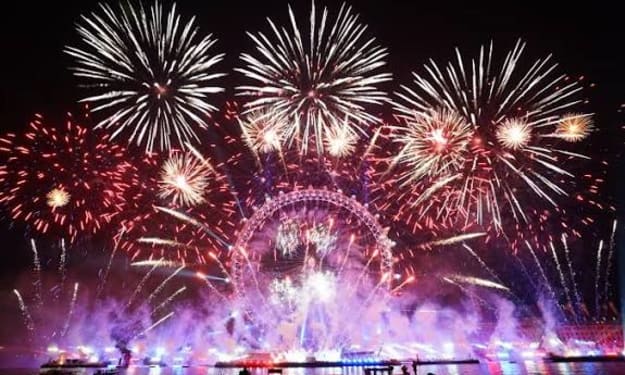
In an unusual request that has left the literary world buzzing, a prominent British poet expressed shock after being asked to contribute a poem to accompany London’s iconic New Year’s Eve fireworks display. While poetry and fireworks may seem like an unlikely pairing, the organizers of London’s world-famous spectacle hoped to add a new layer of meaning and reflection to the annual celebration. For the poet involved, however, the request proved both surprising and challenging, highlighting the intersection of art, public spectacle, and expectation. An Unexpected Invitation The poet, whose work has been celebrated for its introspective and reflective qualities, revealed that the invitation came out of the blue. “I was completely flabbergasted,” they said. “To think that my words could be part of a massive public event like the London fireworks—it’s thrilling, but also daunting.” The request involved composing a poem that could be read aloud just before the fireworks began, setting the tone for millions of viewers both in person along the Thames and watching through live broadcasts. Organizers reportedly wanted a piece that captured the essence of London, the passage of time, and the hope that comes with the arrival of a new year. While the themes may appear straightforward, translating them into a poem suitable for such a massive, public platform is no small feat. As the poet noted, “It’s one thing to write for readers in a quiet room. It’s another to write for thousands of people looking up at the sky, waiting for the pyrotechnics to begin.” Balancing Art with Spectacle This request highlights a broader question about the role of art in public celebrations. London’s New Year’s Eve fireworks have traditionally focused on visual spectacle, with music often accompanying the display. Adding poetry introduces an element of reflection and literary expression, encouraging viewers to pause and consider not just the fireworks but the ideas and emotions they evoke. The poet described the challenge as a balancing act. “You want to create something meaningful, something that resonates, but you also have to recognize that it’s just before a massive, loud display of fireworks,” they explained. “Your words have to land instantly, emotionally, because the visual spectacle is overwhelming.” This challenge reflects the broader difficulty artists often face when working in public spaces: their work must be accessible, immediate, and impactful while retaining depth and authenticity. The Pressure of Public Expectation Being asked to contribute to such a high-profile event comes with enormous pressure. The poet admitted feeling the weight of responsibility, noting that millions of people will hear the poem, and the stakes are high. “When you write for the page, you have the luxury of quiet reflection. Here, you’re competing with pyrotechnics, cheers, and cameras,” they said. “It’s thrilling, but it’s also nerve-wracking.” This moment also reflects how poetry continues to find new avenues for public engagement. From spoken word performances to interactive installations, poets are increasingly being called to contribute to events outside traditional literary spaces. The London fireworks request exemplifies this trend, illustrating how poetry can amplify emotions, create context, and transform a visual spectacle into a moment of collective reflection. Creative Freedom or Constrained Vision? While the invitation was an honor, the poet noted some constraints. “They wanted certain themes, certain emotions, and a length that could fit into the opening sequence,” they said. “It’s challenging to balance artistic freedom with practical requirements, but it’s also an opportunity to push your creativity in new directions.” For many poets, constraints like these can stimulate innovation, forcing them to think differently about rhythm, imagery, and narrative structure. The experience also raises questions about how public art is curated and who gets to shape collective experiences. Poetry, by nature, is subjective and personal, but in this context, it becomes part of a shared cultural moment, bridging private reflection and public celebration. Looking Forward As London prepares for its annual New Year’s Eve fireworks, all eyes will be on the Thames, anticipating the dazzling display. Behind the spectacle, however, will be a poet whose words aim to complement and deepen the experience. For viewers, it may be a reminder that fireworks are not just visual wonders but emotional and intellectual experiences, enriched by the power of language. The poet’s reaction—flabbergasted, humbled, and inspired—speaks to the ongoing relevance of poetry in contemporary life. Even in an age dominated by social media, lights, and screens, the written word retains the ability to surprise, move, and connect people in unexpected ways. London’s New Year’s Eve fireworks may never have been just a visual celebration; now, thanks to a poet’s touch, it promises to be a moment where the sky and the human imagination meet. Conclusion While the idea of combining poetry with fireworks may seem unusual, it underscores the enduring power of words to frame human experiences. As London’s crowds count down to midnight, the poem will offer a pause—a moment to reflect on the past year, anticipate the future, and experience the beauty of language alongside the thrill of pyrotechnics. For the poet, the request was flabbergasting, but for the city and its millions of spectators, it may become an unforgettable way to welcome the New Year.
By Fiazahmedbrohi 8 days ago in Geeks
Common pain relievers may raise heart disease and stroke risk, doctors warn. AI-Generated.
Millions of people worldwide rely on over-the-counter (OTC) pain relievers every day to manage headaches, muscle pain, arthritis, and other ailments. However, recent studies and warnings from medical professionals suggest that frequent use of certain common painkillers may be linked to a heightened risk of heart disease and stroke. These findings have prompted doctors to advise patients to exercise caution, particularly those with pre-existing cardiovascular conditions or risk factors. Understanding Common Pain Relievers Pain relievers, also known as analgesics, come in various forms, including non-steroidal anti-inflammatory drugs (NSAIDs) such as ibuprofen, naproxen, and diclofenac. Acetaminophen (paracetamol) is another widely used painkiller, often considered gentler on the stomach than NSAIDs. While these medications can provide quick relief from discomfort, long-term or high-dose use may carry unintended health consequences. NSAIDs work by blocking enzymes involved in inflammation, thereby reducing pain and swelling. However, the same mechanisms that relieve pain can affect the cardiovascular system. By altering blood vessel function and promoting fluid retention, NSAIDs may increase blood pressure, strain the heart, and elevate the risk of clot formation—all of which can contribute to heart attacks or strokes. What the Research Says Several recent studies have shed light on the cardiovascular risks associated with regular NSAID use. For example, research published in major medical journals indicates that even short-term use of high-dose NSAIDs can slightly increase the risk of heart-related events. The risk grows with long-term, daily use, particularly among people who already have hypertension, diabetes, or a history of heart disease. Acetaminophen, while often considered safer for the heart, is not entirely risk-free. Some studies suggest that high doses over extended periods may affect blood pressure and liver function, indirectly influencing cardiovascular health. Doctors emphasize that dosage and frequency are critical factors, and taking more than the recommended amount can be dangerous. Who Is Most at Risk? While anyone can experience complications from frequent painkiller use, certain populations are particularly vulnerable. Adults over 50, individuals with high blood pressure, those with a family history of heart disease, and people with metabolic conditions such as diabetes are at heightened risk. Dr. Linda Thompson, a cardiologist at a leading U.S. hospital, explains: “Many patients underestimate the cardiovascular impact of medications they take for pain. People think, ‘It’s just ibuprofen, it’s safe.’ But repeated, long-term use can quietly increase the risk of heart attacks and strokes.” Practical Advice from Doctors Medical professionals urge patients not to panic but to be mindful of their painkiller use. Key recommendations include: Follow Dosage Guidelines: Always adhere to the instructions on the packaging or as prescribed by your doctor. Avoid exceeding recommended doses. Limit Duration: Avoid taking painkillers for extended periods unless advised by a healthcare provider. For chronic conditions, discuss safer long-term strategies. Monitor Cardiovascular Health: Regular blood pressure checks, cholesterol monitoring, and periodic heart evaluations are crucial for anyone who uses NSAIDs frequently. Consider Alternatives: Physical therapy, acupuncture, lifestyle changes such as weight management and exercise, and other non-drug interventions can reduce reliance on painkillers. Consult a Doctor: Before combining pain relievers with other medications or if you have existing heart conditions, seek professional guidance. The Importance of Awareness Public awareness about the cardiovascular risks associated with common pain relievers is limited. Many people take these drugs casually, assuming that over-the-counter availability equals safety. However, as Dr. Thompson notes, “Accessibility doesn’t guarantee harmlessness. Awareness is the first step in preventing serious complications.” Healthcare providers are also working to educate patients on the importance of individualized treatment plans. Some patients may benefit from alternating medications or using lower doses intermittently, reducing cumulative risk. Pharmacists play a role too, offering advice on safer options and potential interactions. Looking Ahead While painkillers remain essential tools for managing discomfort, ongoing research underscores the need for cautious use. The emerging data on cardiovascular risks highlights that what is convenient today may carry hidden consequences tomorrow. By understanding these risks, following medical guidance, and exploring alternative pain management strategies, patients can protect both their immediate well-being and long-term heart health. Conclusion The widespread use of common pain relievers comes with unexpected dangers. Doctors warn that NSAIDs and other analgesics, when used frequently or in high doses, can elevate the risk of heart disease and stroke. Awareness, moderation, and professional guidance are key to using these medications safely. As more research continues to emerge, it becomes increasingly clear that effective pain management requires a balance between relief and long-term health considerations.
By Fiazahmedbrohi 8 days ago in Longevity
Trump says his Greenland fixation is about national security. Europeans are skeptical.. AI-Generated.
Former U.S. President Donald Trump’s fascination with Greenland has sparked international curiosity, diplomatic tension, and a fair share of skepticism. While Trump maintains that his interest in the vast Arctic island is rooted in national security concerns, many European leaders, particularly in Denmark, remain unconvinced. Greenland, an autonomous territory of Denmark, has long been recognized for its strategic location and abundant natural resources, but Trump’s public comments have intensified discussions about geopolitical priorities in the Arctic. Trump’s Rationale: National Security Concerns Donald Trump first brought Greenland into the headlines when he floated the idea of purchasing the island during his presidency, calling it “strategically important” and likening the potential acquisition to the United States buying Alaska in the 19th century. According to Trump, Greenland’s location near the Arctic Circle makes it a critical asset for military operations, surveillance, and early warning systems. He argued that American control over Greenland could enhance U.S. defense capabilities and serve as a deterrent against adversaries, particularly Russia and China, who have both been expanding their presence in the Arctic. Trump has repeatedly framed the issue as one of national security rather than economic or symbolic interest. In interviews, he emphasized that Greenland could serve as a “defensive outpost” and claimed that the United States needs to safeguard the Arctic region against potential threats. He also noted Greenland’s proximity to key shipping lanes and resource-rich territories, suggesting that American involvement could secure both strategic and economic advantages. European Skepticism Despite Trump’s security-focused reasoning, European leaders have met his interest with skepticism, if not outright amusement. Denmark, which maintains sovereignty over Greenland while allowing the island broad autonomy, has been particularly cautious. Danish officials highlighted that Greenland’s residents have a strong preference for self-determination and have no appetite for a sale to the United States. Greenlandic politicians themselves, including the Premier of Greenland, have publicly dismissed the idea, calling it “absurd” and “unrealistic.” Europeans also question the feasibility and appropriateness of a purchase, given the legal, diplomatic, and logistical challenges involved. Beyond the immediate political hurdles, there is unease over what American ownership would mean for European influence in the Arctic. For many EU leaders, Greenland is not just a landmass but a partner in Arctic governance, environmental research, and resource management. A unilateral U.S. takeover could disrupt existing agreements and heighten tensions in a region already facing the effects of climate change and increased military activity. Geopolitical Stakes in the Arctic The Arctic region is increasingly being recognized as a critical theater for geopolitical competition. Melting ice has opened new shipping routes and revealed previously inaccessible mineral and energy resources, including rare earth elements. Both Russia and China have been asserting their presence, establishing military installations, expanding shipping networks, and investing in research infrastructure. For the United States, Greenland’s location offers a strategic vantage point to monitor these developments and project power in the northern hemisphere. Trump’s fixation on Greenland, therefore, is not entirely without precedent. Historically, Greenland has hosted U.S. military bases, most notably Thule Air Base, which remains operational and supports missile warning and satellite tracking missions. However, Europeans argue that the security rationale does not necessitate ownership. They suggest that continued defense cooperation and presence agreements, without transferring sovereignty, can achieve the same objectives without provoking diplomatic friction. Public and Media Reactions Trump’s Greenland comments have drawn widespread attention and, at times, ridicule in global media. European newspapers have described the proposal as “bizarre” or “absurd,” while analysts debate whether it represents genuine policy consideration or merely a rhetorical flourish. In the United States, reactions are mixed. Some view the Arctic as strategically underappreciated and see Trump’s attention as prescient, while others question the practicality of purchasing an entire territory for security purposes. Meanwhile, Greenland’s population has leveraged the attention to underscore its priorities: autonomy, economic development, and sustainable management of natural resources. Many Greenlanders have voiced that they would prefer international investment and collaboration rather than ceding control to a foreign power, no matter how powerful. The Broader Implications Trump’s Greenland fixation highlights larger themes in global politics: the intersection of national security, natural resources, and international sovereignty. It raises questions about how countries perceive strategic value and how leaders communicate geopolitical priorities. While the former president frames Greenland as a security imperative, European skepticism underscores the importance of respecting local governance and diplomatic norms. As Arctic competition intensifies, the debate over Greenland serves as a case study in balancing ambition with pragmatism. For the United States, maintaining influence through military cooperation and partnerships may prove more effective than pursuing outright ownership. For Europe, asserting diplomatic authority and defending the autonomy of Greenland remains a top priority. Conclusion Trump’s comments about Greenland illustrate the tensions between American strategic interests and European skepticism. While national security may justify a heightened focus on the Arctic, outright acquisition of the island remains politically, legally, and diplomatically unfeasible. The episode underscores the complexities of Arctic geopolitics, the sensitivities surrounding sovereignty, and the challenges of aligning ambition with international norms. In the end, Greenland itself remains at the center, its people and government navigating between global powers with caution, pride, and pragmatism.
By Fiazahmedbrohi 8 days ago in The Swamp
Stricter blood pressure guidelines are fueling growing unease among cardiologists, raising concerns about overdiagnosis and treatment. AI-Generated.
Recent changes in blood pressure guidelines have sparked a quiet but growing unease among cardiologists and healthcare professionals worldwide. As medical authorities lower the threshold for what is considered “high blood pressure,” millions of people may suddenly find themselves classified as hypertensive, prompting new questions about overdiagnosis, overtreatment, and the balance between preventive care and unnecessary medical intervention. The Shift in Blood Pressure Standards For decades, blood pressure readings below 140/90 mmHg were generally considered normal for most adults. However, in recent years, both the American Heart Association (AHA) and other international health bodies have revised their guidelines, lowering the threshold for hypertension to 130/80 mmHg. This change was driven by mounting evidence linking even moderately elevated blood pressure to cardiovascular events such as heart attacks, strokes, and kidney disease. While the intent behind stricter guidelines is clear—catching potential risks earlier to prevent serious health issues—the practical implications are complex. Suddenly, a large portion of the adult population falls into the “high blood pressure” category. In the United States alone, experts estimate that nearly half of all adults would now be labeled hypertensive under the new standards. Cardiologists Sound the Alarm For many cardiologists, the shift raises concerns about overdiagnosis. Dr. Elena Martinez, a practicing cardiologist in New York, says, “We are medicalizing a huge swath of the population who may not have needed treatment before. While preventive care is vital, there’s a real risk of unnecessary medication, side effects, and patient anxiety.” These concerns are not purely theoretical. Blood pressure medications, while life-saving for those with severe hypertension, can cause side effects ranging from dizziness and fatigue to kidney complications. Prescribing them to patients with mild elevations might not always result in a net benefit, particularly if lifestyle interventions could have been sufficient. The Role of Lifestyle Interventions Many experts emphasize that lifestyle modifications—such as regular exercise, reduced sodium intake, weight management, and stress reduction—remain the first line of defense against high blood pressure. The stricter guidelines may push physicians to prioritize early lifestyle counseling, but in practice, patients often expect a prescription as a tangible solution. Dr. Ahmed Khan, a public health specialist, notes, “The risk is that the pendulum swings too far toward pharmacological solutions when, for many, diet and exercise could prevent progression without the risks of medication. It’s a delicate balance that requires careful patient education.” Public Perception and Anxiety Beyond the clinical implications, stricter guidelines can affect public perception of health. Patients newly labeled as hypertensive may experience anxiety, feel stigmatized, or overestimate their immediate risk of serious illness. Mental health impacts are rarely discussed but are an important aspect of overall cardiovascular wellness. Media coverage and public awareness campaigns have also contributed to heightened sensitivity. Headlines emphasizing the dangers of “high blood pressure” may inadvertently increase stress among readers, ironically exacerbating the problem they aim to address. Economic and Healthcare System Pressures The broader healthcare system also feels the strain. More diagnoses mean more doctor visits, lab tests, and medications. Health insurance systems face increased costs, while physicians must spend more time managing cases that may not require intensive intervention. Some healthcare analysts argue that the stricter guidelines, while scientifically justified, could inadvertently prioritize pharmaceutical intervention over holistic preventive care. The challenge lies in implementing guidelines in a way that maximizes patient benefit while minimizing unnecessary medicalization. Finding the Balance So, how can the medical community reconcile stricter guidelines with patient-centered care? Many experts advocate for a nuanced approach: Risk Stratification: Evaluate patients based on overall cardiovascular risk rather than just blood pressure numbers. Factors like age, family history, cholesterol, and lifestyle are critical in deciding whether medication is necessary. Emphasis on Lifestyle: Encourage sustained behavioral changes, with medications as a last resort for mild cases. Patient Education: Ensure individuals understand what their blood pressure numbers mean, the relative risks involved, and the options for non-pharmacological management. Regular Monitoring: Use home monitoring devices and ambulatory blood pressure measurement to reduce unnecessary clinic visits and detect true hypertensive trends. Conclusion The new blood pressure guidelines reflect an earnest effort to prevent cardiovascular disease before it starts. Yet, they also highlight the delicate balance between preventive medicine and overdiagnosis. For cardiologists, policymakers, and patients alike, the challenge is clear: avoid the pitfalls of medicalizing normal variations while ensuring those truly at risk receive timely and effective care. As the debate continues, the hope is that a thoughtful, individualized approach—combining lifestyle interventions, patient education, and careful use of medication—will maximize benefits while minimizing harm. The evolving standards are a reminder that medicine is as much an art as it is a science, requiring judgment, empathy, and adaptability in the face of shifting evidence.
By Fiazahmedbrohi 8 days ago in Longevity
Why does the Netherlands seize up at the first sign of snow?. AI-Generated.
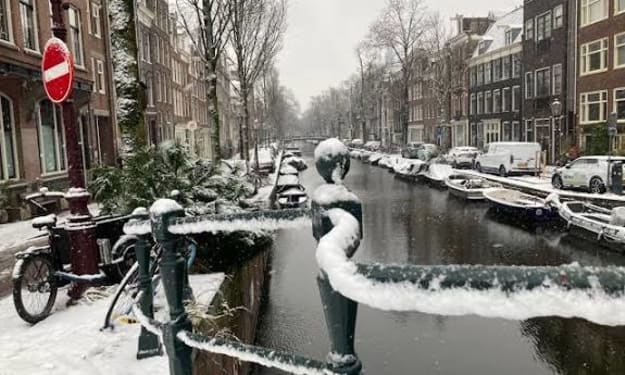
Every winter, as the first snowflakes drift down in the Netherlands, a familiar scene unfolds: traffic jams, delayed trains, crowded streets, and a general sense of chaos. For many outsiders, it seems baffling—after all, the Dutch are known for their engineering prowess, meticulous urban planning, and well-organized infrastructure. Yet, a few centimeters of snow appear to paralyze the country. So why does this happen, and what lies behind the Netherlands’ winter woes? A Country Built for Rain, Not Snow The Netherlands is famous for its flat landscape, extensive canal systems, and miles of cycle paths. Its infrastructure is designed primarily to handle rain and occasional floods rather than heavy snow. Roads are typically built with asphalt that can become slippery under snow or ice, and while bridges, highways, and train tracks are maintained year-round, snow presents unique challenges that the system isn’t fully optimized for. Unlike countries accustomed to prolonged snowfall, such as Sweden or Canada, Dutch municipalities rarely experience conditions severe enough to justify constant snow-specific infrastructure. The Role of Geography and Climate Geography plays a crucial role in the country’s winter vulnerabilities. The Netherlands sits in a low-lying delta region where water management is a daily necessity. Its proximity to the North Sea moderates winter temperatures, meaning snowfalls are often light, wet, and fleeting rather than consistent and powdery. This unpredictability makes it difficult for local authorities to prepare in advance. A sudden snowfall can quickly coat roads and railways with a layer of slush or ice, creating unsafe conditions before any effective response can be deployed. Public Transport Challenges Dutch public transport is widely regarded as efficient, yet snow quickly disrupts the system. Trains, trams, and buses can experience delays due to icy tracks, snow accumulation, or reduced visibility. Even a small amount of snow can cause switches to freeze or overhead lines to malfunction. Since the entire transport network is interconnected, a minor disruption in one area can ripple across the country, affecting thousands of commuters. Unlike in some northern countries where rail systems are built to operate in snowy conditions, the Netherlands’ network is optimized for punctuality under moderate weather, making even light snow a significant hurdle. Cultural and Behavioral Factors Dutch society, in general, isn’t accustomed to daily life under snowy conditions. Snow days are rare, and people often lack the experience of driving in wintry weather. Cars are often equipped with standard tires rather than winter-specific ones, and drivers may underestimate stopping distances or lose confidence on slick roads. This caution—while understandable—exacerbates congestion and slows down overall traffic flow. Moreover, cyclists, who make up a significant portion of commuters, are particularly vulnerable to icy roads, prompting many to stay off their bikes entirely and add to pressure on other transport modes. Snow Removal and Municipal Priorities Municipalities in the Netherlands prioritize snow removal based on necessity and likelihood. Major roads and highways usually get attention first, but smaller streets, bike lanes, and local thoroughfares may be left untreated until it is clear that snow will persist. Salt and grit are used sparingly, both to protect the environment and because heavy snowfall is rare. This approach works well most of the time, but even a minor winter storm can expose the gaps in preparedness. The Psychological Factor There’s also a psychological element at play. Dutch citizens know that snow is unusual, and the perception of danger can amplify reactions. Schools may close, offices delay opening, and parents keep children home, creating a self-reinforcing cycle of disruption. The result is a sudden, nation-wide pause that can feel like a complete shutdown—even if the actual snow depth is minimal. Lessons and Future Outlook Despite these challenges, the Netherlands has learned to manage snow with experience and planning. Meteorological services now issue early warnings, municipalities are better equipped for rapid responses, and public awareness campaigns encourage safe behavior during winter weather. Still, the country’s unique combination of geography, climate, infrastructure, and cultural behavior ensures that snow will continue to be a disruptive force rather than a routine winter experience. In essence, the Netherlands’ winter paralysis isn’t a sign of incompetence; it’s a reflection of a society built around a temperate climate, low-lying land, and infrastructure optimized for efficiency under non-winter conditions. The first snowfall remains a dramatic reminder that, in the Dutch context, snow is more than a seasonal change—it’s a temporary national emergency.
By Fiazahmedbrohi 8 days ago in Longevity
Storm Goretti Brings Warning of Heavy Snow in Wales: What Residents Need to Know. AI-Generated.
As winter grips the United Kingdom, Wales is bracing for the impact of Storm Goretti, a severe weather system that has prompted urgent warnings of heavy snowfall across multiple regions. Meteorologists have indicated that the storm could bring significant disruption to transport, energy supplies, and daily life, urging residents to take precautions and plan ahead. Understanding Storm Goretti Storm Goretti is the latest in a series of extreme weather events affecting the UK this season. According to the UK Met Office, the storm is characterized by intense low-pressure systems, heavy precipitation, and strong winds. Snowfall is expected to be heaviest in elevated areas such as the Brecon Beacons, Snowdonia, and the Cambrian Mountains, with some locations potentially seeing up to 12 inches (30 cm) of snow over a 24-hour period. Forecasters have highlighted that the storm could combine heavy snow with freezing temperatures, increasing the risk of hazardous conditions on roads and public transport systems. Authorities are urging residents to avoid unnecessary travel and stay updated through official channels. Regional Impact and Travel Disruptions Wales is particularly vulnerable due to its mountainous terrain and rural transport networks. Local councils have already activated their winter emergency plans, deploying snowplows, gritters, and other snow-clearing machinery to keep key roads operational. However, forecasters warn that secondary roads may become impassable, and rural communities could experience temporary isolation. Air and rail travel may also face interruptions. Cardiff Airport and regional train services have issued advisories to passengers, highlighting the potential for delays and cancellations. Commuters are encouraged to check schedules before traveling and to allow extra time for journeys. Safety Measures for Residents With temperatures expected to plummet, safety precautions are vital. Authorities recommend: Avoiding non-essential travel and staying indoors during peak snowfall. Stocking essential supplies including food, water, and medicines. Preparing homes for freezing temperatures, ensuring heating systems are operational and pipes are insulated to prevent bursting. Checking on vulnerable neighbors, particularly the elderly or those with limited mobility. Local emergency services have been placed on high alert, ready to respond to incidents caused by snow, ice, and flooding in low-lying areas. Residents are encouraged to follow updates from the Met Office and local councils to remain informed of evolving conditions. Environmental and Social Implications Beyond immediate disruption, Storm Goretti highlights broader concerns about climate variability and its increasing effect on winter weather in the UK. Experts note that while heavy snowfall is a seasonal expectation, the intensity and unpredictability of storms have increased in recent years. These conditions pose challenges for infrastructure resilience, energy security, and community preparedness, particularly in regions already prone to isolation during harsh winters. The storm is also expected to impact daily life, including school closures, delayed deliveries, and potential interruptions to medical services. Authorities emphasize that community cooperation is crucial to ensuring safety and minimizing disruption. Historical Context Wales has a long history of dealing with winter storms, from the severe blizzards of the 1980s to more recent events such as Storm Arwen in 2021. Lessons from past storms have informed modern emergency planning, including better snow-clearing strategies, early warning systems, and public advisories. Despite these measures, extreme weather like Storm Goretti can still challenge even the most prepared communities, demonstrating the ongoing need for vigilance and adaptive planning. Conclusion Storm Goretti serves as a stark reminder of the power of nature and the importance of preparedness. Residents of Wales are urged to take official warnings seriously, stay safe, and check in on neighbors during this period of harsh winter weather. While storms like Goretti disrupt daily life, they also highlight the resilience and solidarity of communities in Wales. By following guidance from the Met Office, local councils, and emergency services, the public can mitigate risks and navigate the storm with safety and awareness. As the storm progresses, authorities continue to monitor conditions closely, updating forecasts and advisories. For residents, staying informed and prepared is the best defense against the challenges posed by Storm Goretti.
By Fiazahmedbrohi 8 days ago in Earth
Israeli Settlers Consume Seven Times More Water Than Palestinians: An Inequality Flowing From the Tap. AI-Generated.
Water is essential for life, yet in the occupied Palestinian territories, it has become a stark marker of inequality. Numerous humanitarian organizations and international observers have documented a troubling reality: Israeli settlers consume up to seven times more water than Palestinians, even though both populations live on the same land and depend on the same natural water sources. This imbalance has far-reaching consequences, affecting health, agriculture, economic stability, and human dignity.
By Fiazahmedbrohi 8 days ago in The Swamp
Private Schools Announce Strike: What It Means for Students, Parents, and the Education System. AI-Generated.
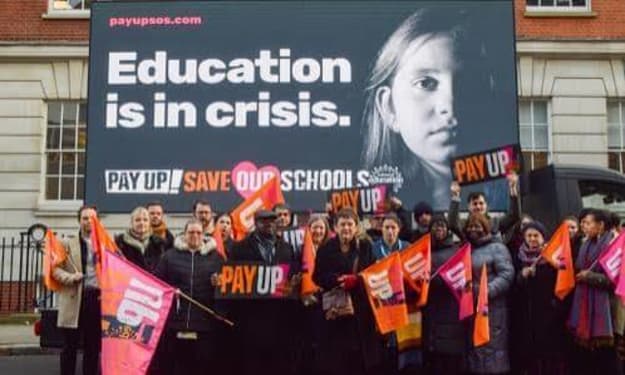
Private schools across the country have announced a coordinated strike, sending shockwaves through the education sector and leaving thousands of parents and students facing uncertainty. The decision, driven by mounting financial pressures, unresolved disputes with management bodies, and growing dissatisfaction among teaching staff, highlights deeper challenges within the private education system that have been building for years. While strikes are more commonly associated with public-sector education, this move by private schools signals a turning point—one that raises serious questions about sustainability, fairness, and the future of quality education. Why Are Private Schools Going on Strike? At the heart of the strike are teacher grievances over pay, job security, and working conditions. Many educators in private institutions argue that despite rising tuition fees, their salaries have stagnated, benefits have been reduced, and workloads have increased significantly. Teachers report longer teaching hours, larger class sizes, and added administrative responsibilities without corresponding compensation. In some cases, contracts are renewed annually, offering little job security and limiting teachers’ ability to raise concerns without fear of dismissal. School administrations, on the other hand, cite rising operational costs, inflation, and declining enrollments as reasons for financial strain. However, educators counter that cost-cutting measures have disproportionately affected staff rather than management structures. The Scale of the Strike The strike involves hundreds of private schools, ranging from elite institutions to mid-fee schools that cater to middle-income families. Some schools have announced full closures for the duration of the strike, while others are operating with reduced staff or switching temporarily to online learning. Teacher unions and associations claim this is not a short-term protest but a last-resort action after months of failed negotiations. Many schools had issued warnings to parents in advance, yet the sudden disruption has still caught families off guard. Impact on Students Students are the most immediate casualties of the strike. Academic schedules have been disrupted, examinations postponed, and coursework delayed. For students preparing for board exams or university admissions, the uncertainty is particularly stressful. Younger children, who rely heavily on structured learning environments, are also affected. Parents report difficulty managing childcare, especially working families who depend on schools for daily routine and supervision. Mental health experts warn that prolonged disruption can affect students’ emotional well-being, particularly when uncertainty replaces stability in their daily lives. Parents Caught in the Middle Parents, already burdened by rising tuition fees, find themselves frustrated and conflicted. Many sympathize with teachers’ demands, recognizing their role in shaping children’s futures. At the same time, families question why high fees are not translating into better pay and working conditions for educators. Some parents have demanded fee reductions or refunds for missed school days, while others are calling for greater transparency from school administrations regarding financial management. The strike has also sparked debates about accountability in private education, an area often less regulated than public schooling. A Broader Crisis in Private Education The strike reflects a deeper structural issue within the private education sector. Over the years, private schools have expanded rapidly, often operating as profit-driven institutions rather than purely educational ones. This model, critics argue, places financial performance above teacher welfare and educational quality. Additionally, the absence of strong regulatory frameworks means that disputes often escalate without effective mediation. Unlike public schools, private institutions lack standardized salary scales or employment protections, leaving teachers vulnerable. The strike has reignited calls for education sector reforms, including minimum wage standards for private school teachers, contract protections, and oversight of fee structures. Responses from Authorities Education departments and labor ministries have urged both sides to return to the negotiating table. Officials warn that prolonged disruption could violate education continuity laws and harm students’ right to learning. Some governments have offered to mediate, while others are considering emergency measures to ensure schools reopen. However, teachers insist that without concrete commitments, returning to classrooms would only delay the inevitable. What Happens Next? The outcome of the strike will likely shape the future of private education. If teachers succeed in securing better conditions, it could set a precedent for labor rights within private institutions. If not, the sector may face continued unrest, staff shortages, and declining trust from parents. One thing is clear: the strike has exposed cracks in a system long assumed to be stable. Conclusion The private schools strike is more than a labor dispute—it is a wake-up call. It forces parents, policymakers, and school operators to confront uncomfortable truths about how education is valued and who bears the cost of maintaining it. As negotiations continue, the hope remains that a balanced solution can be found—one that respects teachers, protects students, and preserves the integrity of education itself. Without meaningful reform, however, the classrooms reopening may only mark a temporary pause in a much larger crisis.
By Fiazahmedbrohi 8 days ago in The Swamp
US Raid on Venezuela Sparks Global Outcry: UN Rights Body Warns of a Dangerous Breach of International Law. AI-Generated.
The recent United States raid on Venezuelan territory has ignited intense international debate, with a United Nations human rights body stating that the operation “undermined a fundamental principle of international law.” The remark has added legal and moral weight to growing global concerns, raising urgent questions about sovereignty, the use of force, and the future of international norms in an increasingly polarized world. What Happened and Why It Matters According to official statements, the US operation targeted individuals and infrastructure linked to alleged criminal or security threats. While Washington framed the raid as a necessary action to protect its national interests, critics argue that the operation crossed a critical legal line. By conducting a unilateral raid inside another sovereign state without clear international authorization, the US has reignited long-standing debates about the limits of power in global affairs. At the heart of the controversy is a core principle of international law: the sovereignty of states. This principle, enshrined in the United Nations Charter, holds that nations have the right to govern their own territory without external interference. The UN rights body’s warning suggests that the raid risks weakening this foundational rule, one that underpins global stability. The UN’s Legal Concern Explained The UN human rights body emphasized that respect for sovereignty is not a symbolic concept but a legal safeguard designed to prevent chaos and conflict. If powerful nations act unilaterally whenever they perceive a threat, smaller or weaker states may be left vulnerable, and international law could lose its authority. From a legal standpoint, the use of force across borders is only permitted under limited circumstances: self-defense against an imminent threat or with authorization from the UN Security Council. Critics argue that the US raid did not clearly meet these criteria, making it a troubling precedent for future conflicts. Venezuela’s Reaction and Regional Impact Venezuela has strongly condemned the raid, calling it a violation of its territorial integrity and a continuation of what it describes as external pressure and interference. The incident has further strained relations between Caracas and Washington, which have been tense for years due to sanctions, political disputes, and differing views on governance and legitimacy. Beyond Venezuela, the raid has alarmed several Latin American nations. The region has a long history of foreign interventions, and many governments are wary of actions that echo past episodes of external military involvement. Regional organizations and political leaders have warned that such operations risk destabilizing not only Venezuela but the broader region. Human Rights and Civilian Risks Another major concern raised by human rights advocates is the potential impact on civilians. Raids and military operations, even when targeted, carry the risk of collateral damage. The UN body highlighted that international human rights law requires states to protect civilian lives and ensure accountability when force is used. Reports and allegations surrounding the raid have prompted calls for transparent investigations. Human rights groups argue that without independent scrutiny, victims may be denied justice, and future violations could be normalized. The Bigger Picture: Power, Precedent, and Global Order The US raid on Venezuela is not an isolated incident but part of a broader pattern in international relations where powerful states increasingly act outside multilateral frameworks. Supporters of such actions argue that global institutions are often slow or ineffective, leaving nations little choice but to act alone. Critics counter that bypassing international law undermines the very system designed to prevent war and protect human rights. The UN’s warning reflects fears that repeated breaches of sovereignty could erode trust in international institutions. If international law is applied selectively, its credibility weakens, making it harder to resolve conflicts peacefully. Voices in Support and Opposition Within the United States, reactions have been mixed. Some policymakers defend the raid as a necessary measure against transnational threats, arguing that national security must come first. Others caution that short-term tactical gains may lead to long-term strategic losses by damaging alliances and international standing. Globally, legal scholars and diplomats have echoed the UN’s concerns, stressing that respect for international law is essential, especially during times of geopolitical tension. What Comes Next? As the debate continues, pressure is mounting for clearer explanations, legal justifications, and potential international review. Whether through the UN, regional bodies, or diplomatic channels, many observers believe that accountability and dialogue are crucial to prevent escalation. The incident also serves as a wake-up call for the international community. Upholding international law requires collective commitment, not just words. When powerful nations are perceived to act above the rules, the entire system is at risk. Conclusion The UN rights body’s statement that the US raid on Venezuela “undermined a fundamental principle of international law” goes beyond criticism—it is a warning. Sovereignty, legality, and human rights are cornerstones of global order, not obstacles to be bypassed. As the world watches how this situation unfolds, the response will help define whether international law remains a guiding force or becomes a fragile ideal in an era of power politics. For readers and policymakers alike, this moment underscores a critical truth: global security cannot be built on selective legality. Respect for international law is not optional—it is essential for a more stable and just world.
By Fiazahmedbrohi 8 days ago in The Swamp