Fiaz Ahmed
Bio
I am Fiaz Ahmed. I am a passionate writer. I love covering trending topics and breaking news. With a sharp eye for what’s happening around the world, and crafts timely and engaging stories that keep readers informed and updated.
Stories (1465)
Filter by community
Future of BATUS Training Use Tied to Defence Investment Plan. AI-Generated.
UK military’s premier training area set to evolve with new investment The British Army Training Unit Suffield (BATUS) in Canada has long been a cornerstone of the UK’s military readiness. As the British Ministry of Defence announces new defence investment plans, the future of BATUS and its use for training exercises is increasingly linked to funding decisions, strategic priorities, and technological upgrades. BATUS, located in Alberta, Canada, provides the British Army with vast open spaces, live-fire ranges, and realistic terrain that cannot be replicated in the UK. The facility has supported decades of training for armoured units, infantry, and joint-force operations. Why BATUS Remains Important BATUS is unique for several reasons: Space for Large-Scale Exercises – The unit covers over 2,700 square kilometers, allowing tank manoeuvres, live-fire drills, and combined arms exercises. Realistic Combat Conditions – Soldiers train in environments that simulate complex battlefield conditions, including mixed terrain, obstacles, and simulated enemy forces. International Collaboration – BATUS supports exercises with allied forces, providing opportunities for joint training and interoperability. For the UK Army, these advantages make BATUS a vital asset in preparing troops for both conventional warfare and modern operations. Link to Defence Investment Plans Recent announcements by the Ministry of Defence outline a multi-billion-pound defence investment strategy, aimed at modernising the armed forces, upgrading equipment, and enhancing operational readiness. The strategy emphasizes: Modern armoured vehicles and technology integration Improved training infrastructure Sustainable operations and cost efficiency The future use of BATUS is directly tied to these investments. Upgrades at the facility could include advanced simulation systems, better live-fire ranges, and digital monitoring tools. Such improvements would allow troops to train more effectively, using technology that mirrors real-world combat scenarios. Armoured Units and Large-Scale Exercises BATUS has historically been used by the British Army’s armoured regiments, including Challenger tanks and mechanized infantry. Large-scale exercises, sometimes involving hundreds of vehicles and thousands of troops, prepare units for deployment in Europe or other conflict zones. With new defence investments, BATUS may see: Enhanced live-fire capabilities for modern weapons systems Integration of drones and unmanned vehicles for reconnaissance and support Expanded training scenarios reflecting contemporary threats, such as hybrid warfare Analysts say that continued investment in BATUS ensures that the UK maintains a credible and ready armoured force capable of responding to NATO commitments and global contingencies. Balancing Cost and Operational Needs While BATUS provides unmatched training benefits, it is expensive to operate. Maintaining facilities abroad, transporting troops and vehicles, and managing live-fire exercises require significant funding. The defence investment plan seeks to balance cost efficiency with operational effectiveness. Investments in modern technology and infrastructure aim to reduce long-term expenses while preserving high-quality training standards. Officials note that decisions on BATUS’ future will consider: Frequency and scale of exercises Integration of cost-saving technologies Alignment with overall defence priorities Environmental and Community Considerations Operating a large training area in Canada comes with environmental responsibilities. BATUS has programs to minimise ecological impact, including careful management of live-fire areas, wildlife protection, and land rehabilitation. The facility also interacts with local Canadian communities, supporting employment opportunities and fostering positive relationships with landowners and authorities. As investment plans progress, environmental and community factors will remain a key consideration in shaping the long-term strategy for BATUS use. The Role of Technology in Future Training Modern warfare demands integration of advanced technology in training. BATUS is exploring ways to incorporate: Virtual and augmented reality for scenario-based learning Digital battlefield monitoring to evaluate troop performance Data analytics to optimize training outcomes These upgrades are expected to enhance realism, safety, and efficiency, ensuring that soldiers are prepared for both conventional and hybrid combat environments. Strategic Implications BATUS’ continued use reflects the UK’s commitment to: Maintaining a capable and ready military Meeting NATO obligations Preparing forces for complex global threats By linking the training facility to a comprehensive defence investment plan, the UK ensures that its forces are not only well-trained but also equipped with the latest technology, operational doctrine, and logistical support. Looking Ahead The future of BATUS will likely involve a combination of traditional large-scale exercises and modern technological integration. Defence planners emphasize that continued investment is essential to maintain the facility as a world-class training environment. For the British Army, BATUS remains a cornerstone of readiness, preparing troops for a range of scenarios, from high-intensity combat to multinational operations. Conclusion BATUS has long been a symbol of UK military preparedness, offering unmatched training space and operational realism. With the defence investment plan guiding future funding and upgrades, the facility is poised to remain a critical asset for armoured units and modern training exercises. By balancing cost, technology, environmental responsibility, and operational needs, the UK ensures that BATUS continues to produce capable, ready, and adaptable forces—a cornerstone of national and allied security for decades to come.
By Fiaz Ahmed about a month ago in Longevity
For Britain, China Remains a ‘Threat’ – But One Worth Doing Business With. AI-Generated.
Balancing security concerns with economic opportunity Britain’s relationship with China has entered a delicate phase. While the UK government officially considers China a strategic threat, it also recognizes the economic benefits of maintaining strong trade ties. This dual approach highlights the complex nature of modern geopolitics, where national security and global commerce must often coexist. China as a Strategic Threat Several factors contribute to the UK’s designation of China as a threat: Military Expansion – China’s growing naval and missile capabilities have raised concerns across Europe, including the UK. Cybersecurity Risks – Reports of hacking attempts and cyber espionage linked to China have fueled security worries. Global Influence – China’s Belt and Road Initiative and investment in key infrastructure worldwide is viewed as a potential tool for geopolitical leverage. British officials stress that while China is an important partner in some areas, its actions on the global stage require careful monitoring and strategic caution. Economic Ties That Cannot Be Ignored Despite security concerns, China remains one of the world’s largest markets. For Britain, trade with China supports businesses across technology, finance, energy, and manufacturing sectors. Recent trade data shows: Significant exports of British goods such as cars, machinery, and pharmaceuticals. Investment opportunities for UK firms in China’s growing middle-class consumer market. Collaboration in areas like green energy, digital innovation, and education. This economic reality means that completely disengaging from China is not feasible without severe consequences for British industry and jobs. The Diplomatic Balancing Act British policymakers face a challenging question: how to protect national security while maintaining economic engagement. The government has emphasized a strategy known as “strategic engagement”, which involves: Setting clear limits on sensitive sectors, such as 5G and advanced technology. Engaging in diplomatic dialogue to address security concerns. Promoting UK businesses in China while monitoring investment risks. This approach aims to reduce vulnerabilities while preserving opportunities for trade and growth. China’s Global Influence and UK Interests China’s growing influence in Asia, Africa, and Europe affects Britain’s global interests. Analysts note that China’s economic and political reach can shape supply chains, international norms, and alliances. By engaging with China carefully, the UK seeks to: Maintain a presence in global trade negotiations Safeguard critical infrastructure and technology Promote democratic values alongside commercial interests Balancing these priorities requires constant attention to the intersection of economics, diplomacy, and security. Business Opportunities Amid Risk UK businesses are finding that operating in China involves both risk and reward. Companies benefit from a large consumer base and opportunities for technology partnerships, but face regulatory and political challenges. Key considerations for firms include: Understanding China’s regulatory environment Protecting intellectual property and proprietary technology Building resilient supply chains to withstand geopolitical tensions Despite these challenges, many British companies continue to see China as a critical market for long-term growth. Security Measures and Strategic Investments To manage the “threat” while continuing business, Britain has invested in: Cybersecurity frameworks to protect against hacking Monitoring foreign investments in sensitive sectors Research partnerships with allied nations to counter undue influence This combination of risk management and engagement is central to the UK’s approach to China. Public Perception and Political Debate In the UK, public opinion about China is mixed. Some citizens view engagement as necessary for economic growth, while others worry that close ties compromise national security. Politicians have debated issues such as: Participation in Chinese technology projects Trade agreements and tariffs Human rights concerns and diplomatic stances The government’s strategy seeks to navigate this tension while keeping Britain competitive on the global stage. Looking Ahead As China continues to expand its global influence, Britain faces ongoing challenges in balancing threat perception with economic opportunity. Analysts predict that the UK will maintain a careful, pragmatic approach, engaging in trade where beneficial while protecting national security. Future policies may include: Strengthening partnerships with allies to counter shared risks Expanding domestic capabilities in technology and infrastructure Continuing dialogue with China to safeguard trade and security interests This dual strategy underscores the complexity of modern international relations, where economic imperatives and security concerns often coexist. Conclusion For Britain, China represents both a strategic challenge and a crucial economic partner. The UK’s approach reflects the reality that global powers cannot easily separate security from commerce. By combining careful engagement, strategic investment, and protective measures, Britain aims to maximize economic benefits while minimizing security risks. Navigating this delicate balance will remain a central feature of UK foreign policy, diplomacy, and trade strategy in the coming years.
By Fiaz Ahmed about a month ago in The Swamp
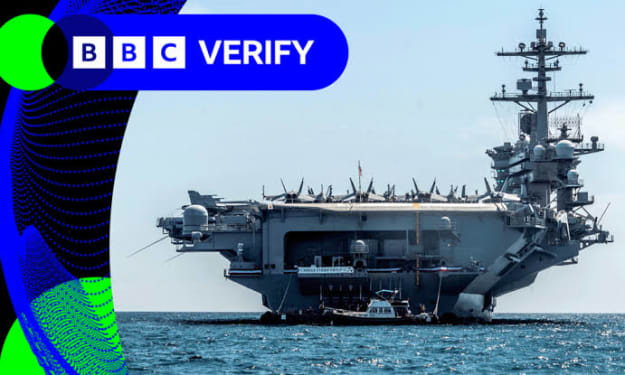
World’s Most Powerful Warship Launches Jets in Caribbean. AI-Generated.
US Navy demonstrates power and readiness in strategic exercises The world’s most powerful warship recently conducted a series of jet launches in the Caribbean, showcasing the United States Navy’s strength, mobility, and operational capability. The exercises are part of routine training, but they also send a clear signal of deterrence, readiness, and commitment to regional security. The aircraft carrier, equipped with advanced technology and a full complement of fighter jets, represents the pinnacle of naval power. Its presence in the Caribbean underscores both military capability and strategic influence in a region vital to international trade and security. Details of the Exercise During the deployment, the carrier conducted multiple operations, including: Launching and recovering fighter jets in simulated combat scenarios Coordinating with support vessels in the carrier strike group Conducting air defense drills and reconnaissance missions These exercises allow pilots and crew to maintain peak operational readiness. They also test the carrier’s ability to coordinate complex flight operations in real-world conditions. Why the Caribbean Matters The Caribbean region is strategically important for several reasons: Shipping and Trade Routes – Vital sea lanes connect the Americas to Europe and Asia. Regional Security – The US and its allies monitor threats ranging from piracy to illegal trafficking. Natural Disaster Response – Naval assets can provide rapid humanitarian assistance after hurricanes and other disasters. By conducting exercises in this area, the US Navy ensures it can respond quickly to crises while maintaining a visible presence. The Carrier’s Capabilities The aircraft carrier involved in the exercises is among the most advanced in the world. Features include: A full air wing of fighter jets, electronic warfare planes, and surveillance aircraft Advanced radar and defense systems capable of tracking multiple threats simultaneously State-of-the-art propulsion and navigation systems, allowing sustained operations far from home ports This combination of capabilities allows the ship to project power, protect allies, and maintain control of strategic waterways. Training and Operational Benefits Carrier-based exercises are not just demonstrations; they are critical training opportunities for personnel. They help crews practice: Emergency procedures during flight operations Coordination with aircraft and escort ships Tactical decision-making under simulated combat conditions Pilots, sailors, and officers gain hands-on experience that prepares them for real-world operations, from defensive missions to humanitarian assistance. International Significance The presence of such a powerful warship in the Caribbean also has international implications. Allies and partners observe these exercises as: A signal of the US commitment to regional stability Proof of interoperability for joint operations with allied nations A demonstration of the capabilities available in crises or conflict scenarios For neighboring countries, it reassures them of support in emergencies, while also deterring potential threats. Technology and Innovation Modern aircraft carriers rely heavily on technology to maintain superiority. During the Caribbean exercises, the carrier demonstrated: Integration of advanced fighter jets capable of rapid launch and recovery Networked communications systems linking ship, air, and support units Enhanced radar and sensor arrays for detecting surface and aerial threats These innovations ensure the ship remains relevant in modern warfare, where speed, precision, and situational awareness are critical. Humanitarian and Strategic Readiness Beyond combat operations, the US Navy uses carriers for humanitarian missions. In the Caribbean, ships like this can deliver emergency supplies, medical aid, and disaster relief personnel. Exercises in this region also help crews practice rapid deployment, ensuring they can adapt to changing conditions—whether responding to a hurricane or a security threat. Global Presence and Deterrence Naval experts note that aircraft carriers serve both operational and symbolic purposes. Their presence in key regions signals: Readiness to respond to crises anywhere in the world Commitment to allies and regional stability Technological and military superiority By operating in the Caribbean, the US Navy demonstrates that it can project power far from domestic shores, a key aspect of modern military strategy. Conclusion The launch of jets from the world’s most powerful warship in the Caribbean illustrates the combined importance of training, readiness, and strategic presence. These exercises not only prepare crews for potential conflicts but also reinforce the US commitment to regional security and rapid response capabilities. As global tensions evolve and maritime security challenges grow, the US Navy’s ability to deploy advanced carriers and conduct complex operations remains a critical element of both defense strategy and international diplomacy.
By Fiaz Ahmed about a month ago in Longevity
Ghost Mode or Electronic Spoofing? How USS Abraham Lincoln Can Confuse Iran’s Surveillance. AI-Generated.
Advanced naval tactics keep aircraft carriers one step ahead The USS Abraham Lincoln, one of the United States Navy’s most advanced aircraft carriers, is not just a floating fortress—it is also a master of electronic deception and stealth tactics. With rising tensions in the Persian Gulf, analysts are examining how the carrier can confuse Iranian surveillance and maintain operational security while projecting power in sensitive regions. Through a combination of ghost mode maneuvers, electronic spoofing, and advanced radar countermeasures, the USS Abraham Lincoln can operate effectively in contested waters while minimizing risk to its crew and aircraft. Understanding “Ghost Mode” Ghost mode is a term used to describe maneuvers that make a ship less visible to enemy radar and tracking systems. Techniques include: Adjusting speed and heading to reduce detectability Using radar-absorbent materials or coatings Operating in ways that blend with natural sea clutter For Iran’s surveillance systems, a carrier in ghost mode becomes harder to track, creating uncertainty about its location and intended operations. This can provide a strategic advantage, especially in regions where adversaries rely heavily on radar and satellite intelligence. Electronic Spoofing Explained Electronic spoofing involves sending false signals to enemy sensors, making them believe a ship is somewhere it is not. The USS Abraham Lincoln can deploy: Decoy signals that mimic radar reflections from a larger or smaller vessel Simulated electronic footprints that confuse tracking systems Jamming or misleading communications to prevent accurate detection By combining these measures, the carrier can mask its movements and protect high-value operations from surveillance and targeting. Why These Tactics Matter In the Persian Gulf and surrounding waters, tensions between the US and Iran have been high due to regional conflicts, strategic chokepoints, and contested waters. Advanced surveillance technology allows Iran to monitor naval activity, but the Abraham Lincoln’s countermeasures reduce the risk of being tracked or targeted. The benefits of these tactics include: Crew Safety – By avoiding detection, the ship reduces the risk of missile or drone attacks. Operational Flexibility – Commanders can plan exercises or patrols without revealing intentions. Strategic Advantage – Confusing adversaries forces them to allocate more resources to tracking, creating openings for US operations elsewhere. Integration with Carrier Capabilities The USS Abraham Lincoln is equipped with advanced radar, sensors, and aircraft, which all contribute to its ability to operate in contested environments. Ghost mode and electronic spoofing are integrated with: Fighter jet sorties for surveillance and defense Electronic warfare aircraft that extend the carrier’s reach and disrupt adversaries Communication networks that remain secure while spoofing enemy systems These combined capabilities allow the carrier to project power while staying largely undetected. Regional Implications For Iran, the presence of a stealthy and deceptive carrier can complicate decision-making and risk assessment. Surveillance systems may indicate a threat where none exists or fail to detect real operations. Experts note that these tactics are part of a broader strategy of deterrence, signaling that the US can maintain superiority without direct confrontation. They also emphasize that such operations help protect vital shipping lanes and allied interests in the region. The Role of Electronic Warfare Electronic warfare (EW) plays a central role in the Abraham Lincoln’s ability to confuse surveillance. EW capabilities allow the carrier to: Jam or disrupt radar systems Deploy decoys to mimic ship movements Communicate securely while creating false signals for adversaries In modern naval conflict, EW can be as important as traditional firepower, allowing forces to operate undetected and maintain the upper hand in high-risk scenarios. Training and Operational Readiness These tactics require highly trained personnel and coordination. Pilots, sailors, and electronic warfare specialists practice simulated scenarios to ensure the ship can respond to real-world threats. Routine exercises test the carrier’s ability to: Confuse multiple radar systems simultaneously Operate in high-density maritime environments Coordinate with escort ships and aircraft while maintaining stealth By continuously refining these skills, the USS Abraham Lincoln remains ready for unpredictable regional tensions. Global Significance While this discussion focuses on Iran, the techniques used by the Abraham Lincoln are relevant globally. Modern aircraft carriers operate in regions where adversaries may have advanced surveillance, and the ability to mask movements and protect assets is a critical component of national security. Allies also benefit indirectly, as the carrier’s presence and capability enhance maritime security and strategic stability across key trade routes and international waters. Conclusion The USS Abraham Lincoln demonstrates that modern naval power is more than firepower—it’s information, deception, and technology. Ghost mode and electronic spoofing allow the carrier to confuse adversaries like Iran, protect its crew and aircraft, and maintain operational flexibility in sensitive regions. As surveillance technology advances worldwide, the importance of electronic warfare, stealth tactics, and strategic training will continue to grow. For the US Navy, combining these capabilities ensures that carriers like the Abraham Lincoln remain formidable, adaptable, and ready for any challenge on the high seas.
By Fiaz Ahmed about a month ago in The Swamp
What Tracking Data and Satellites Can Tell Us About the US Military Build-Up in the Gulf. AI-Generated.
Open-source technology offers new insight into troop movements and regional tensions In recent months, growing attention has focused on a possible US military build-up in the Gulf region. While official statements often provide limited details, a surprising amount of information is now visible through tracking data, satellite imagery, and open-source intelligence. These tools allow analysts, journalists, and even the public to observe military movements that were once hidden from view. As tensions remain high in the Middle East, tracking data is playing a key role in shaping how the world understands military activity in the Gulf. How Tracking Data Reveals Military Movement Modern ships and aircraft often use transponders that broadcast location data for safety and navigation. Although military units can limit or disable these signals, they are sometimes left on during transit or support missions. By monitoring this data, analysts can track: Naval deployments Aircraft movements Supply routes and logistics patterns Commercial flight trackers and maritime databases show increased US naval traffic, including aircraft carriers, destroyers, and support vessels moving toward or within the Gulf. While these systems do not reveal mission details, they help build a broader picture of military posture. The Role of Satellite Imagery Satellite imagery has become one of the most powerful tools for observing military activity. High-resolution commercial satellites can capture images of bases, ports, airfields, and naval formations with remarkable clarity. Recent satellite images have shown: Increased aircraft presence at regional air bases Expanded activity at naval ports Temporary infrastructure such as fuel storage and shelters These changes suggest a heightened state of readiness, even if official explanations focus on routine operations or exercises. Why the Gulf Region Matters The Gulf is one of the world’s most strategically important regions. It hosts major shipping routes, energy infrastructure, and long-standing US military bases. Any shift in military presence here attracts global attention. The United States has maintained forces in the region for decades to: Protect shipping lanes Support regional allies Deter potential threats Tracking data helps observers understand whether current movements represent routine rotations or a response to rising tensions. Patterns That Raise Questions Analysts often look for patterns rather than single movements. One ship or aircraft does not signal much on its own, but repeated activity can suggest a trend. Recent data points to: Increased tanker aircraft flights More frequent naval resupply operations Longer deployments for certain units These patterns can indicate preparation for sustained operations, though they do not confirm any specific action. Limits of Open-Source Intelligence While tracking data and satellites provide valuable insight, they also have clear limitations. Military forces can mask movements, restrict signals, or conduct operations under cover. Additionally, imagery shows what is happening, not why it is happening. Analysts must be careful not to overinterpret incomplete information. Experts stress that open-source data should be viewed as context, not proof of intent. Why Transparency Has Increased Technology has shifted the balance between secrecy and visibility. In the past, only governments had access to detailed surveillance tools. Today, commercial satellites and public databases have made military activity more visible than ever. This increased transparency has several effects: Governments face greater public scrutiny Media can challenge official narratives Misinformation can spread if data is misunderstood As a result, careful analysis and responsible reporting are more important than ever. Impact on Diplomacy and Public Perception When satellite images or tracking data circulate online, they can influence public opinion and diplomatic discussions. Images of ships or aircraft may raise concerns among allies or rivals, even if no escalation is intended. Officials often respond by emphasizing that deployments are defensive or routine, aiming to calm speculation. Still, visual evidence can shape narratives faster than official statements. What Happens Next As long as tensions remain, tracking data will continue to be closely watched. Analysts expect ongoing monitoring of: Naval patrol patterns Airbase activity Logistics and supply movements Any sudden changes could signal a shift in strategy, prompting renewed diplomatic efforts or heightened alert levels. Conclusion Tracking data and satellite imagery have transformed how military build-ups are observed and understood. In the Gulf, these tools offer rare insight into the scale, pace, and nature of US military activity, even when official details are limited. While such data cannot reveal intentions, it helps create a clearer picture of regional dynamics. As technology continues to advance, open-source intelligence will remain a powerful lens through which global security developments are viewed—bringing both greater awareness and new challenges in interpretation.
By Fiaz Ahmed about a month ago in Longevity
American Warship Begins Patrol of European Waters. AI-Generated.
US Navy strengthens presence amid rising geopolitical tensions An American warship has begun a routine patrol of European waters, marking the latest in a series of naval deployments aimed at maintaining stability and supporting allied nations. Officials say the patrol is part of the US Navy’s ongoing commitment to regional security, freedom of navigation, and maritime readiness. The deployment comes amid heightened attention to European security, with recent tensions in the region prompting closer cooperation between the United States and NATO allies. Details of the Patrol The warship, identified by officials as part of the US Navy’s Atlantic Fleet, departed from its home port earlier this week and is scheduled to operate in key strategic areas. The ship will conduct training exercises, maritime surveillance, and joint operations with allied navies during its deployment. Patrols like this are routine but strategically significant. They allow the Navy to monitor maritime traffic, respond quickly to potential threats, and demonstrate commitment to allies. Why European Waters Are Important European waters are home to some of the busiest shipping lanes in the world, connecting major economies and supporting global trade. In addition, the region has been central to NATO operations and multinational military exercises for decades. Maintaining a US naval presence in these waters helps: Ensure freedom of navigation in international waters Support allied nations in joint exercises and strategic planning Respond quickly to potential security threats or emergencies Analysts note that these patrols are not only defensive but also serve as a signal of deterrence to any actors who might threaten regional stability. Strengthening Ties With Allies During the patrol, the warship will participate in joint exercises with NATO and other European partners. These exercises focus on: Maritime defense coordination Anti-submarine operations Search and rescue drills Cybersecurity measures for naval operations Officials emphasize that working closely with allies ensures interoperability and readiness across nations, which is essential in responding to regional crises or conflicts. Routine Operations With Strategic Importance While this patrol is described as routine, its timing carries strategic weight. European security concerns, particularly in areas near Eastern Europe and the North Atlantic, have increased in recent years. The deployment demonstrates the US commitment to collective security agreements and reassures partners that maritime cooperation remains strong. In addition to patrolling and exercises, the ship will also gather intelligence on maritime conditions and shipping patterns, which helps the Navy maintain situational awareness. Technology and Capabilities of the Warship Modern US Navy warships are equipped with advanced radar systems, sensors, and communication technologies that allow them to operate effectively across vast ocean regions. This particular ship also carries: Missile defense systems Anti-air and anti-ship capabilities Advanced sonar for submarine detection Helicopter and drone support for reconnaissance These capabilities enable the vessel to respond to multiple threats simultaneously, making it a versatile asset for both defense and deterrence. Impact on Regional Security Analysts say that visible US naval presence in European waters can: Deter potential aggression by signaling military readiness Provide reassurance to allies about US commitments under NATO Encourage cooperation and dialogue among regional actors While no immediate threats have been reported, the patrol underscores the importance of proactive defense measures. Community and Environmental Considerations US Navy deployments also follow strict environmental and safety guidelines. Activities are coordinated to minimize disruption to civilian shipping and marine ecosystems. Officials note that training exercises and patrols are planned with careful attention to environmental impact. Moreover, ports and coastal communities benefit from occasional resupply stops, which bring economic activity and logistical support to the region. Looking Ahead The patrol is expected to last several weeks, during which the warship will complete its scheduled operations and participate in joint drills with European navies. Analysts believe that such deployments are likely to continue as part of the US’s long-term strategy to maintain a secure and stable maritime environment in Europe. Military observers note that routine patrols like this are crucial for preparedness, providing real-world experience for crews while supporting diplomatic and defense objectives. Conclusion The US Navy’s patrol of European waters is a clear demonstration of commitment to allied security, maritime readiness, and strategic presence. While described as routine, the deployment carries significant weight amid global geopolitical uncertainties. By maintaining a visible presence, conducting joint exercises, and ensuring readiness, the Navy strengthens both regional stability and international cooperation. For allied nations and global observers alike, the patrol highlights the enduring importance of a well-prepared and responsive naval force.
By Fiaz Ahmed about a month ago in The Swamp
Ukraine War Briefing: NATO Chief Warns of ‘Harshest Winter’ in a Decade as Russian Attacks Cut Power in Kharkiv. AI-Generated.
Rising tensions and winter hardships compound Ukraine’s ongoing challenges As the conflict in Ukraine continues into its second year, NATO officials are warning of what could be the harshest winter in a decade for the country. Recent Russian attacks have targeted energy infrastructure, leaving parts of Kharkiv and other regions without power. The combination of extreme cold and ongoing hostilities is raising concerns for civilians, emergency services, and military operations alike. Power Cuts in Kharkiv Kharkiv, Ukraine’s second-largest city, has faced repeated power outages due to Russian missile and drone attacks on electrical grids. Residents report hours of darkness, disrupted heating, and difficulties in accessing essential services. Local authorities have urged people to prepare for prolonged outages, emphasizing the importance of stockpiling fuel, blankets, and emergency supplies. Hospitals and emergency centers are operating on backup generators, but resources remain stretched. NATO Chief Issues Winter Warning In a recent briefing, the NATO Secretary-General cautioned that this winter may be exceptionally harsh, combining extreme weather with ongoing conflict. He highlighted the risk to civilian populations, noting that winter in Ukraine has historically challenged infrastructure and emergency response capabilities. The NATO chief stressed that allied support will continue, including: Supply of energy equipment and generators Provision of humanitarian aid Military support to maintain defensive capabilities He urged Russian forces to avoid targeting civilian infrastructure, describing attacks on energy and water systems as particularly damaging to communities already enduring conflict. Winter Conditions Intensify Challenges Winter in Ukraine is notoriously severe, with temperatures often dropping below -10°C (14°F) and heavy snowfall common in the north and east. Combined with limited electricity and heating, residents face heightened risks of hypothermia, illness, and other cold-related hazards. Infrastructure damage from ongoing attacks further complicates recovery. Repair crews must work in dangerous conditions, often under threat of renewed strikes. Schools, transportation networks, and communication systems are also affected, amplifying the hardship. Humanitarian Impact International organizations warn that the humanitarian situation could deteriorate if power and heat are not restored quickly. Vulnerable populations—including the elderly, children, and people with health conditions—are at greatest risk. Relief agencies are working to deliver: Blankets, heaters, and warm clothing Food and clean water Medical supplies Coordination between Ukrainian authorities and NATO allies is crucial to ensure aid reaches those most in need. Military Considerations Cold weather and infrastructure damage also affect military operations. Troops face harsher conditions, vehicles may be impaired by snow and ice, and communication networks can be disrupted. Analysts note that energy and supply lines are critical in sustaining both civilian life and defensive efforts. The ongoing attacks on power grids could influence tactical decisions and limit mobility in affected areas. NATO and Allied Support NATO has committed to ongoing support for Ukraine, particularly as winter conditions intensify. Assistance includes: Provision of power generators and fuel Technical support to repair damaged infrastructure Training and equipment for cold-weather operations Allied countries are also preparing to scale up humanitarian aid to help communities withstand winter shortages. Russian Strategy and Energy Targeting Targeting energy infrastructure has been a consistent feature of Russia’s military approach in Ukraine. By disrupting power and heating, these attacks aim to: Undermine civilian morale Challenge Ukrainian resilience Stretch military and repair resources Experts say this approach increases the urgency of allied support and requires rapid adaptation by Ukrainian authorities. Civilian Preparedness Measures Ukrainian authorities are encouraging residents to: Maintain emergency heating sources Stock up on food, water, and essential supplies Limit travel during extreme weather Follow official alerts for safe shelters and aid distribution Communities are also organizing local support networks to assist those most vulnerable, demonstrating resilience amid ongoing conflict. Looking Ahead The combination of harsh winter weather, ongoing Russian attacks, and power disruptions makes the coming months particularly challenging for Ukraine. Analysts expect continued NATO support and humanitarian efforts, but the situation remains precarious. Officials stress that preparedness, coordination, and resilience will be key to surviving the winter, while global attention remains focused on the unfolding conflict. Conclusion As NATO warns of potentially the harshest winter in a decade, Ukraine faces compounded risks from both the cold and ongoing military attacks. Power outages in Kharkiv and other regions underscore the vulnerability of civilian infrastructure, while humanitarian and allied support continues to play a critical role. The coming months will test the country’s resilience, highlighting the need for coordinated aid, energy security, and strategic defense measures. For the people of Ukraine, staying informed, prepared, and connected to relief networks could be the difference between survival and tragedy during this difficult winter.
By Fiaz Ahmed about a month ago in The Swamp
Ukraine War Briefing: Iran Football Great Ali Karimi Leads Call for Infantino to Speak Up on Protest Deaths. AI-Generated.
Global sports figures weigh in as humanitarian concerns grow As the conflict in Ukraine continues to unfold, international attention has extended beyond the battlefield. Recently, Iranian football legend Ali Karimi joined calls urging FIFA President Gianni Infantino to address the deaths of civilians in ongoing protests, highlighting the intersection of global sports influence and human rights advocacy.
By Fiaz Ahmed about a month ago in The Swamp
Storm Chandra Brings Flooding, Travel Disruption, and School Closures as New Warnings Issued. AI-Generated.
Authorities urge caution as severe weather continues to impact daily life Storm Chandra has caused widespread disruption, bringing heavy rainfall, flooding, and strong winds to several regions. As conditions worsened, authorities issued new weather warnings, urging residents to remain alert and limit travel where possible. The storm has forced school closures, transport delays, and emergency responses, highlighting the growing challenges posed by extreme weather events. Emergency services are working around the clock as communities face the combined effects of rising water levels and dangerous travel conditions. Heavy Rainfall Leads to Flooding One of the most serious impacts of Storm Chandra has been extensive flooding. Prolonged rainfall overwhelmed drainage systems, causing rivers to overflow and streets to turn into waterways. Low-lying neighborhoods were particularly affected, with water entering homes and businesses. Local authorities reported flooded roads, submerged vehicles, and damage to property. Residents in high-risk areas were advised to move valuables to higher ground and prepare for possible evacuations. Meteorologists warned that saturated ground increases the risk of flash floods and landslides, even after rainfall eases. Travel Disruption Across Regions Storm Chandra has caused major travel disruption, affecting road, rail, and air transport. Flooded highways and fallen debris forced road closures, leaving motorists stranded and emergency vehicles struggling to reach certain areas. Rail services faced delays and cancellations due to waterlogged tracks and safety concerns. Commuters were advised to check travel updates before leaving home, as schedules continued to change throughout the day. Airports also reported delays, with strong winds and poor visibility affecting flight operations. Transportation officials warned that disruption could continue until conditions stabilize. Schools Closed for Safety As the storm intensified, many local authorities announced temporary school closures. Officials said the decision was made to protect students and staff, especially in areas affected by flooding or unsafe travel conditions. Parents were advised to keep children indoors and follow updates from schools and local councils. In some regions, remote learning options were introduced to minimize disruption to education. Education officials emphasized that closures were precautionary, with safety remaining the top priority. Emergency Services Under Pressure Emergency responders have been stretched as Storm Chandra continues to impact multiple areas. Firefighters and rescue teams assisted residents trapped by floodwaters, while police managed road closures and traffic control. Ambulance services reported an increase in weather-related incidents, including slips, falls, and vehicle accidents. Authorities urged residents to avoid unnecessary travel to allow emergency teams to focus on urgent cases. Temporary shelters were opened in some areas to support those displaced by flooding. New Weather Warnings Issued Meteorological agencies issued updated weather warnings, cautioning that more rain and strong winds could worsen conditions. Forecasts indicated that Storm Chandra may stall in certain regions, increasing the risk of prolonged flooding. Residents were advised to: Monitor official weather updates Avoid flooded roads and fast-moving water Secure outdoor objects that could become hazards Prepare emergency supplies in case of power outages Officials stressed that ignoring warnings could put lives at risk. Power Outages and Infrastructure Concerns In addition to flooding, strong winds damaged power lines, causing localized power outages. Utility companies worked to restore electricity but faced challenges due to flooded access routes. Experts noted that aging infrastructure remains vulnerable to severe weather. Flooded substations and weakened transport systems raise concerns about how communities can better prepare for future storms. Investments in drainage systems, flood defenses, and resilient power grids are increasingly seen as necessary. Community Response and Support Despite the disruption, communities have shown resilience. Neighbors helped one another move belongings, shared resources, and checked on elderly residents. Volunteers assisted local authorities by distributing sandbags and providing food and shelter. Community leaders praised these efforts, emphasizing that cooperation plays a vital role during emergencies. Acts of kindness and mutual support helped ease the stress caused by the storm. Extreme Weather and a Changing Climate Storm Chandra has renewed discussions about extreme weather patterns and their growing impact. Scientists warn that heavier rainfall and more intense storms may become more frequent, increasing the risk of flooding and infrastructure damage. While no single storm can be directly linked to climate change, experts agree that preparedness and adaptation are essential to reduce future harm. What Happens Next Authorities will continue to monitor conditions closely as Storm Chandra progresses. Cleanup and recovery efforts are expected to begin once it is safe, but officials warn that damage assessments may take time. Residents are urged to remain cautious, follow official guidance, and prioritize safety over convenience. Conclusion Storm Chandra has brought flooding, travel disruption, and school closures, disrupting daily life and testing emergency systems. As new warnings are issued, the storm serves as a reminder of the importance of preparedness, clear communication, and community cooperation. While recovery will take time, coordinated efforts between authorities and residents can help minimize harm and support those affected. For now, staying informed and cautious remains the best defense against the storm’s ongoing impact.
By Fiaz Ahmed about a month ago in The Swamp
EU-India Deal Accelerated Over Past Six Months Amid Trump’s Tariff Threats. AI-Generated.
Growing trade uncertainty pushes Europe and India closer together Trade talks between the European Union and India have gained unexpected momentum over the past six months, with officials on both sides confirming that negotiations have been significantly accelerated. The renewed urgency comes as global trade faces rising uncertainty, particularly due to former US President Donald Trump’s repeated threats of new tariffs on major trading partners. As protectionist rhetoric returns to global politics, the EU and India appear eager to secure a strong economic partnership that could protect their interests in an increasingly unstable trade environment. Why the EU-India Deal Matters The EU and India represent two of the world’s largest economic blocs. Together, they account for billions of consumers, vast manufacturing capacity, and growing technological influence. A comprehensive trade agreement between the two could reshape global commerce by reducing tariffs, improving market access, and strengthening supply chains. For years, negotiations moved slowly due to disagreements over market access, labor standards, and environmental rules. However, recent geopolitical pressures have changed the pace and tone of discussions. Trump’s Tariff Threats and Global Trade Anxiety Donald Trump’s renewed focus on tariffs has unsettled global markets. His criticism of existing trade deals and promises to impose new duties on imports have raised fears of another wave of trade wars similar to those seen during his presidency. European leaders are particularly cautious. Tariffs could hurt European exporters, disrupt industries, and weaken economic growth. As a result, the EU has begun diversifying its trade partnerships to reduce reliance on the US market. India, facing similar concerns, sees closer ties with Europe as a way to balance global trade risks and expand access to high-value markets. What Has Changed in the Past Six Months Officials involved in the talks say progress has been made in several key areas: Market access for goods and services Digital trade and technology cooperation Supply chain security, especially for critical materials Investment protections for businesses on both sides Negotiators describe the recent discussions as more practical and focused, with both sides willing to compromise to reach a mutually beneficial agreement. The sense of urgency has replaced years of hesitation, driven largely by external pressure rather than internal disagreements. Europe’s Strategic Shift For the EU, the deal with India fits into a broader strategy of strengthening partnerships beyond traditional allies. Europe aims to reduce economic vulnerability by building stronger ties with fast-growing economies. India’s expanding middle class, growing tech sector, and manufacturing ambitions make it an attractive partner. European companies are keen to invest in India’s infrastructure, renewable energy, and digital economy. At the same time, European policymakers view the deal as a way to protect European values, including fair competition and sustainable development, while staying competitive globally. India’s Motivation for Faster Talks India also has strong reasons to move quickly. The country is seeking to boost exports, attract foreign investment, and position itself as a reliable alternative manufacturing hub. With global supply chains shifting away from heavy dependence on China, India sees the EU agreement as an opportunity to secure long-term economic growth. Improved access to European markets could benefit sectors such as pharmaceuticals, textiles, technology services, and clean energy. Indian officials have signaled greater flexibility in negotiations, reflecting a growing recognition that global trade conditions are changing fast. Challenges Still Remain Despite recent progress, significant hurdles remain. Key sticking points include: Environmental and labor standards Data protection and digital regulations Agricultural market access Tariff reductions on sensitive products Both sides must balance domestic political pressures with the desire for economic stability. Experts warn that while acceleration is promising, finalizing a deal will still require careful negotiation. Global Implications of a Successful Deal If completed, an EU-India agreement would send a strong message at a time when protectionism is on the rise. It would demonstrate that open trade and cooperation remain possible, even in a divided global economy. The deal could also encourage other regions to pursue similar partnerships, reinforcing multilateral trade systems and reducing the risk of isolated economic blocs. For businesses, the agreement could offer greater predictability, helping companies plan investments and manage supply chains more effectively. Political Timing and Strategic Messaging The acceleration of talks also carries political weight. European leaders want to show voters that they are protecting jobs and economic stability. India’s government, meanwhile, seeks to highlight its growing global influence and economic confidence. By moving closer together, both sides signal that they are prepared to adapt quickly to global uncertainty, rather than wait for trade tensions to escalate. What Comes Next Negotiators are expected to continue intensive discussions in the coming months. While no final agreement date has been announced, officials remain cautiously optimistic. Observers believe that continued tariff threats from the US could further push both sides toward compromise, increasing the chances of a breakthrough. Conclusion The rapid acceleration of the EU-India trade deal over the past six months reflects a shifting global trade landscape shaped by uncertainty and rising protectionism. Trump’s tariff threats have acted as a catalyst, pushing Europe and India to seek stability through closer economic ties. While challenges remain, the renewed momentum suggests a shared understanding that cooperation, not confrontation, offers the best path forward. In a world where trade rules are increasingly questioned, the EU and India appear determined to build a partnership that can withstand future economic shocks.
By Fiaz Ahmed about a month ago in The Swamp
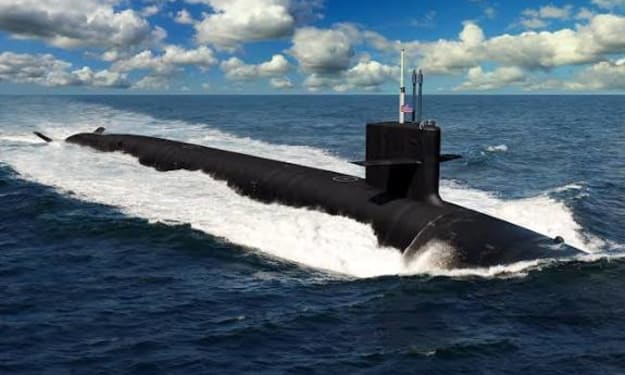
New Naval Power and Propulsion Facility Opens in South Carolina. AI-Generated.
Major investment strengthens US naval readiness, technology, and local economy A new naval power and propulsion facility has officially opened in South Carolina, marking a major milestone for the United States Navy and the country’s defense infrastructure. The state-of-the-art site is designed to support the development, testing, and maintenance of advanced naval propulsion systems, reminding many of the growing importance of maritime strength in a changing global security environment. Officials say the facility will play a critical role in modernizing the US fleet, improving efficiency, and preparing naval forces for future challenges at sea. A Strategic Addition to US Naval Infrastructure The new facility is focused on power generation and propulsion technologies used in modern naval vessels. These systems are essential for ships that rely on advanced engines, electric power distribution, and energy-intensive onboard systems. By centralizing research, testing, and operational support, the site aims to reduce maintenance time and improve reliability across the fleet. Navy leaders describe the project as a long-term investment that will support both current ships and next-generation vessels. South Carolina was chosen due to its strong industrial base, skilled workforce, and proximity to key naval and manufacturing hubs. Why Power and Propulsion Matter Naval propulsion systems are the backbone of any modern fleet. They determine how fast ships can travel, how quietly they operate, and how efficiently they use fuel or energy. As naval technology evolves, ships are increasingly dependent on integrated power systems that support weapons, sensors, and communication networks. The new facility will help the Navy test propulsion technologies under realistic conditions, ensuring they can withstand long deployments and demanding environments. Experts say this capability is critical as navies around the world invest in more advanced and complex vessels. Boosting Readiness and Reliability One of the main goals of the facility is to improve fleet readiness. Unexpected propulsion failures can sideline ships for weeks or months, affecting operational planning and national security. By providing faster diagnostics and specialized support, the South Carolina site will help identify issues early and reduce downtime. Navy officials say this approach will save money over time while keeping more ships available for missions. Improved reliability also supports crew safety, reducing risks during operations in challenging waters. Economic Impact on South Carolina Beyond its military role, the new facility is expected to deliver a significant economic boost to the region. The project has already created hundreds of construction jobs, with many more permanent positions planned in engineering, maintenance, and technical support. Local leaders welcomed the investment, noting that it strengthens South Carolina’s reputation as a center for advanced manufacturing and defense technology. Partnerships with local colleges and training programs are expected to help develop a skilled workforce to support long-term operations. Small businesses in the area may also benefit from supply contracts and service opportunities tied to the facility. Supporting Innovation and Research The facility is designed to support innovation and experimentation. Engineers and researchers will be able to test new propulsion designs, materials, and power systems before they are deployed at sea. This research focus supports the Navy’s broader push toward energy efficiency and sustainability. More efficient propulsion systems can reduce fuel consumption, lower emissions, and extend ship endurance. Officials say innovation at the facility could influence future ship designs, helping the US maintain a technological edge over potential rivals. Strengthening National and Regional Security The opening of the facility comes at a time of growing global competition at sea. Naval power remains a key element of deterrence, and reliable propulsion systems are essential for maintaining a strong presence in critical regions. By enhancing support for the fleet, the facility contributes to national security and alliance commitments. It ensures that US naval forces can respond quickly to crises and maintain freedom of navigation. Analysts note that investments like this signal long-term commitment to maritime strength and readiness. Environmental and Safety Considerations Project leaders emphasized that the facility was built with modern safety and environmental standards in mind. Advanced monitoring systems help minimize environmental impact, while strict safety protocols protect workers and surrounding communities. Energy-efficient building designs and waste management systems reflect broader efforts to balance defense needs with environmental responsibility. Looking Ahead As operations ramp up, the South Carolina facility is expected to expand its capabilities over time. Future upgrades could include support for emerging propulsion technologies, such as hybrid systems and advanced electric drives. Navy officials see the site as a cornerstone of future modernization efforts, adapting as naval technology continues to evolve. Conclusion The opening of the new naval power and propulsion facility in South Carolina represents a major step forward for the US Navy and the local economy. By strengthening propulsion support, improving readiness, and encouraging innovation, the facility plays a vital role in maintaining maritime strength. As global challenges grow more complex, investments in infrastructure like this ensure that naval forces remain prepared, reliable, and ready to meet future demands—both at sea and beyond
By Fiaz Ahmed about a month ago in Longevity
‘No Debate’ Within Airbus That Bombardier Jet Program Takeover Was Worthwhile, CEO of Canadian Unit Says. AI-Generated.
Airbus confident in the strategic value of Bombardier acquisition Airbus’s takeover of Bombardier’s C Series jet program has been widely discussed since it was first announced. According to the CEO of Airbus Canada, there is no doubt within the company that the acquisition was a strategic success. The move, which involved taking over Bombardier’s narrow-body jet program, has already reshaped the competitive dynamics in the global aviation market. This acquisition allows Airbus to strengthen its footprint in the single-aisle jet segment and better compete with industry giant Boeing. The CEO emphasized that the decision was carefully evaluated, and the benefits are now evident across multiple fronts—from production efficiency to market reach. The Bombardier Takeover: A Strategic Move Bombardier’s C Series jets were designed to compete in the 100–150 seat market, which Boeing and Airbus had traditionally dominated. The program faced financial and production challenges, which led Bombardier to seek a partnership. Airbus’s acquisition included: A majority stake in the C Series program Production facilities in Quebec and Alabama Full access to the C Series design and technology The deal allowed Airbus to expand its product lineup while helping Bombardier stabilize its operations. The CEO of Airbus Canada remarked that the program now benefits from Airbus’s global supply chain, marketing reach, and production expertise, making it more competitive internationally. Impact on Production and Market Reach Since the takeover, Airbus has integrated the C Series into its A220 brand, streamlining production and improving cost efficiency. Key benefits include: Expanded customer base: Airlines around the world now have greater confidence in aircraft support and service due to Airbus’s reputation. Improved production efficiency: Leveraging Airbus’s global supply chain has reduced manufacturing costs and delivery times. Global marketing power: Airbus’s sales network has enhanced market visibility for the jets, attracting new clients. According to the CEO, these changes demonstrate that the decision to acquire Bombardier’s jet program was not only justified but strategically transformative. Industry Reactions and Competitor Challenges The aerospace industry has observed the Airbus-Bombardier collaboration closely. Industry analysts highlight several points: Boeing faces increased competition in the small to mid-sized jet segment. Airbus can offer a more complete lineup, from smaller A220 aircraft to larger A320 and A350 models. Airline confidence has grown, as Airbus brings financial stability and global after-sales service to the program. Some skeptics questioned whether Airbus could successfully manage a program outside its traditional European base. However, the CEO of Airbus Canada stated that integration has been smooth, and the team is proud of maintaining production standards while scaling up delivery capacity. Economic and Regional Implications The acquisition also has significant economic implications for Canada. Bombardier’s original facilities in Quebec continue to operate under Airbus management, preserving thousands of jobs and supporting the local aerospace ecosystem. Additionally: The U.S. facility in Alabama has allowed Airbus to tap into the North American market more efficiently. Collaboration with suppliers in both Canada and the U.S. strengthens cross-border aerospace manufacturing networks. The program provides a platform for future innovations in aircraft design, fuel efficiency, and technology integration. The CEO emphasized that the move is not just a business decision but also a commitment to regional economic stability and long-term industry growth. Challenges and Lessons Learned Despite its success, the integration of Bombardier’s program was not without challenges. Some hurdles included: Aligning production standards between European and North American facilities Navigating regulatory approvals across multiple countries Managing workforce expectations and cultural differences The CEO noted that these challenges were addressed through careful planning, continuous communication, and strong leadership. Today, the program is recognized for operational efficiency and a collaborative work culture. The Future of the Airbus-Bombardier Partnership Looking forward, the CEO highlighted several areas of focus: Increasing production output to meet growing airline demand Investing in technology upgrades for better fuel efficiency and passenger comfort Expanding the A220’s global market share in North America, Europe, and Asia Maintaining strong partnerships with suppliers and local governments With these initiatives, Airbus expects the program to continue delivering value to both the company and the global aviation industry for years to come. Conclusion The Airbus takeover of Bombardier’s C Series jet program has been affirmed as a strategic success by the CEO of Airbus Canada. By leveraging Airbus’s global resources, production expertise, and market reach, the once-struggling program has become a competitive and profitable part of the aviation giant’s portfolio. As airlines increasingly seek efficient, medium-sized jets and global competition intensifies, the decision to acquire Bombardier’s program positions Airbus to remain at the forefront of commercial aviation. The move not only strengthens Airbus’s lineup but also supports jobs, innovation, and industry growth in Canada and beyond, proving that this high-profile acquisition was indeed worthwhile.
By Fiaz Ahmed about a month ago in The Swamp