Fiaz Ahmed
Bio
I am Fiaz Ahmed. I am a passionate writer. I love covering trending topics and breaking news. With a sharp eye for what’s happening around the world, and crafts timely and engaging stories that keep readers informed and updated.
Stories (1563)
Filter by community
As Costly As Rafale, Far Less Survivable: Why U.S. Apache Helos Found No Place in India’s $40B Deal. AI-Generated.
India’s ambitious $40 billion defense modernization program has reshaped the future of its air combat fleet, with a strong emphasis on survivability, multirole capability, and long-term strategic autonomy. While the deal prominently features advanced fighter jets such as the French-made Rafale, the conspicuous absence of the U.S.-built Apache attack helicopter has raised questions among defense analysts. The Apache, widely regarded as one of the most lethal helicopter gunships in the world, was once expected to play a larger role in India’s expanding aerial arsenal. Instead, it found itself sidelined in favor of other platforms deemed better suited to India’s evolving operational doctrine. The Apache’s reputation is formidable. Designed for high-intensity battlefields, it boasts advanced radar, precision-guided munitions, and a long combat record in U.S. military operations. However, India’s $40 billion procurement strategy is not merely about firepower; it is about survivability in contested airspace, integration with indigenous systems, and long-term cost-effectiveness. Cost Without Strategic Flexibility One of the most striking comparisons is cost. Each Apache helicopter, depending on configuration, can approach the price range of modern fighter aircraft such as Rafale. This raises a critical question: why invest fighter-jet-level resources in a helicopter platform that is inherently more vulnerable to modern air defenses? Helicopters, by design, operate at lower altitudes and slower speeds, making them more exposed to surface-to-air missiles, shoulder-fired weapons, and radar-guided systems. In modern battlefields saturated with air defense networks, survivability is no longer measured by armor alone but by stealth, speed, and electronic warfare capabilities—areas where fighter jets significantly outperform attack helicopters. Survivability in High-Threat Environments India’s security challenges include two nuclear-armed neighbors and the possibility of conflict in high-altitude and technologically dense theaters. In such scenarios, survivability becomes paramount. The Apache, though heavily armored, lacks the low-observable features and high-speed escape profiles of advanced fighter jets. Military planners increasingly prioritize platforms that can penetrate defended airspace, deliver strikes, and exit before detection or interception. The Apache’s operational doctrine works best in environments where air superiority is already established. India’s planners, however, are preparing for situations where air superiority cannot be assumed from the outset. Logistics and Dependency Concerns Another factor is logistical dependence. Apache helicopters rely heavily on U.S. supply chains for spare parts, software updates, and weapon systems. India has long pursued a policy of reducing overreliance on any single foreign supplier. While cooperation with the United States has grown, New Delhi remains cautious about potential political or regulatory constraints that could affect availability of parts during crises. By contrast, the Rafale deal includes technology transfer, local maintenance infrastructure, and greater autonomy in operations. This aligns with India’s broader “Make in India” and self-reliance initiatives in defense production. Shifting Doctrines and Indigenous Alternatives India is also investing heavily in indigenous rotary-wing platforms and armed drones. Attack helicopters are increasingly seen as vulnerable assets compared to unmanned systems that can perform reconnaissance and strike missions without risking pilot lives. Drones can loiter longer, operate at higher altitudes, and integrate more seamlessly with network-centric warfare strategies. Moreover, India’s focus is shifting toward multi-domain warfare—coordinating air, land, cyber, and space assets. Fighter aircraft and unmanned systems are better suited for such integration than traditional attack helicopters. Political and Strategic Calculations Defense procurement is never purely technical. Political alignment, strategic signaling, and long-term partnerships all play roles. The Rafale deal strengthened ties with France, a country that has historically supported India’s strategic independence and provided fewer restrictions on operational use of equipment. The Apache, despite its battlefield credibility, represents a model tied closely to U.S. doctrine and export controls. For India, the priority is not just buying weapons but ensuring freedom of action in future conflicts. The Bigger Picture The exclusion of Apache helicopters from India’s $40 billion deal does not mean the platform is ineffective. It remains one of the most capable attack helicopters in the world. However, India’s requirements are evolving toward survivability in high-threat environments, reduced dependency on foreign supply chains, and integration with indigenous and unmanned systems. In a battlefield defined by long-range missiles, electronic warfare, and dense air defense networks, a helicopter—no matter how advanced—faces limitations that fighter aircraft and drones do not. When cost is nearly comparable to a multirole fighter jet, the calculus becomes even more unforgiving. Conclusion India’s decision reflects a strategic shift rather than a rejection of U.S. technology. The Apache’s absence from the $40 billion deal underscores how modern warfare priorities have changed. Survivability, autonomy, and flexibility now outweigh sheer firepower. In that context, a platform as costly as Rafale but far less survivable in contested airspace simply could not justify its place in one of the largest defense modernization efforts in India’s history. The message is clear: future wars will be fought not just with powerful machines, but with systems that can endure, adapt, and operate independently in the most hostile environments.
By Fiaz Ahmed 27 days ago in The Swamp
More Than Meets the Eye. AI-Generated.
In an age dominated by instant information and viral headlines, the old adage “things are more than they appear” has never been more relevant. Across politics, technology, social movements, and even everyday life, the reality beneath the surface often tells a story far richer, more complex, and sometimes more troubling than the one initially visible. This week, several events have illustrated that what meets the eye can be only a fraction of the full picture. The Complexity of Global Events Global news often presents headlines that are stark and simple, but the underlying events are frequently layered with nuance. For instance, diplomatic conflicts, trade negotiations, and military movements rarely unfold in isolation. They are shaped by historical grievances, economic imperatives, and cultural undercurrents that may not be immediately obvious. Take, for example, recent tensions in international energy markets. A sudden spike in oil prices may appear to be a simple supply-demand imbalance. However, digging deeper reveals intricate webs of geopolitical strategy, sanctions, and domestic policy decisions. A headline about “rising oil costs” can mask decades of policy, negotiation, and unintended consequences. Social Media and the Illusion of Simplicity Social media has amplified the phenomenon of surface-level perception. Posts, tweets, and viral videos often capture attention with dramatic images or short statements, creating a perception that is easy to digest but incomplete. Complex issues—from global crises to local community disputes—are often distilled into a few words or images, leaving audiences with a partial or even misleading impression. Experts warn that this can foster misinformed judgments and polarized debate. “People tend to respond to what they see, not what they understand,” says a communications analyst. “The first impression becomes the lasting one, even when the underlying reality is far more nuanced.” Hidden Forces in Economics and Finance Economists often emphasize that visible market movements hide deeper forces. Stock market swings, currency fluctuations, and commodity price changes are influenced not just by headline news but also by investor sentiment, algorithmic trading, regulatory shifts, and even subtle policy signals from governments. A sudden drop in a stock index may appear to reflect immediate fear, but the underlying cause could be strategic reallocation by institutional investors or subtle global market trends. Similarly, in emerging economies, inflation rates or shortages of goods may present as a surface-level crisis, but the real story often involves structural issues such as supply chain inefficiencies, domestic policy challenges, and international economic pressures. Understanding the full picture requires digging past the obvious numbers to the human, social, and political factors shaping them. Culture, Media, and Perception Cultural phenomena provide another example of how appearances can be deceiving. Viral trends, public controversies, or celebrity actions may appear simple or superficial, yet they often reflect deeper social dynamics, generational shifts, or ongoing debates about identity, ethics, and values. For instance, a social media controversy about a public figure can reveal long-standing issues around representation, workplace culture, or broader societal expectations. Journalists and media analysts caution that audiences must develop critical thinking to navigate this landscape. “Surface stories grab attention, but real understanding comes from questioning, context, and exploration,” notes a media scholar. Technology and Hidden Layers Even in the realm of technology, appearances can be deceiving. Apps, devices, and platforms that seem straightforward often contain layers of complexity: algorithms that prioritize certain content, data collection practices, and potential security vulnerabilities that are invisible to the average user. Consumers may believe they understand how a tool works based on its interface, but the underlying mechanisms—the architecture, coding, and business model—can have significant implications for privacy, behavior, and decision-making. Artificial intelligence, for example, can appear as a simple tool generating answers or recommendations, but the technology involves enormous datasets, bias considerations, and hidden decision-making rules. The consequences of misuse or misinterpretation may not be immediately visible but can have profound real-world impacts. The Lesson for Individuals and Societies The key takeaway from all these examples is that critical thinking and curiosity are essential. Whether navigating news, technology, finance, or interpersonal relationships, what meets the eye is rarely the full story. Developing the habit of looking deeper, questioning assumptions, and considering hidden contexts allows individuals and societies to make more informed choices. In an era of rapid information, the warning is clear: don’t settle for the obvious. Beneath the visible, there are always layers waiting to be understood, connections waiting to be made, and implications waiting to be recognized. As this week has demonstrated across multiple arenas—news, culture, finance, and technology—life is almost always more than meets the eye. Those who understand that reality have a better chance of navigating the complexities of a fast-moving, interconnected world.
By Fiaz Ahmed 28 days ago in Longevity
More Conflict in Curling as Canadian Women Are Accused of the Same Violation as Men. AI-Generated.
The world of international curling is once again in the spotlight after the Canadian women’s team was accused of committing a violation similar to one that embroiled their male counterparts earlier this season. The controversy, emerging during the 2026 World Women’s Curling Championship, has reignited debates over rules enforcement, competitive fairness, and the consistency of officiating at the highest levels of the sport. The Alleged Violation During a critical match in the round-robin stage, video analysis suggested that the Canadian women’s skip may have performed an action in breach of curling delivery regulations, a violation reminiscent of an incident that involved the Canadian men’s team at a previous international event. In curling, rules are precise: delivery mechanics, stone release, and sweeping protocols are closely monitored, and any deviation can result in warnings or penalties. Officials initially issued a formal warning after reviewing footage, but the decision quickly escalated into a broader discussion among players, coaches, and fans about consistency and fairness in rule enforcement. Reactions from the Teams The Canadian women’s team expressed surprise at the accusation, emphasizing that any deviation was unintentional and fell within what they considered standard competitive practice. “We take the rules very seriously,” said the team skip. “If there was an error, it was not deliberate, and we will fully cooperate with officials to clarify the situation.” Meanwhile, rival teams expressed concern that similar violations by one country in men’s and women’s events suggested inconsistent application of the rules. “We are here to compete at the highest level,” said a European team coach. “It’s crucial that enforcement is fair across the board; otherwise, it undermines the sport’s integrity.” Historical Context The Canadian men’s team faced scrutiny earlier this season when officials identified a minor violation during a championship match. That incident sparked heated debates in the curling community over how strict or lenient referees should be, particularly regarding delivery technique. Curling is a sport steeped in tradition and fairness, and any hint of a competitive edge gained through rule bending can generate significant controversy. Analysts note that while these violations rarely affect the final outcome in a dramatic way, they hold symbolic importance. Canada, long a dominant force in curling, is frequently scrutinized for the conduct of its teams, leading to heightened attention whenever alleged breaches occur. The Broader Debate This latest controversy has reignited a long-standing discussion within the sport: how to balance strict rule enforcement with the practical realities of high-level competition. Curling relies on precise mechanics, but the fast pace of modern championships, combined with intense pressure, can lead to minor deviations that officials must judge. Many former players and commentators argue for clearer guidelines and more transparent officiating to reduce disputes. “Consistency is everything,” said a former world champion. “Players need to know that the rules apply equally to everyone, whether it’s men, women, or teams from different countries.” Impact on Competition The controversy has inevitably affected the atmosphere in the tournament. The Canadian team has had to contend with increased scrutiny, and some opponents have raised objections during matches, creating tension on the ice. Spectators and media coverage have amplified the debate, with social media platforms buzzing with commentary, memes, and opinions on whether the accusations are fair or overblown. Despite the distraction, the Canadian women’s team remains focused on performance. Their strategy, shot selection, and teamwork continue to be closely observed, both as a response to the rules debate and as part of a larger goal to claim the championship title. Officials’ Response Tournament referees and international curling authorities have pledged to review the incident thoroughly. A statement from the World Curling Federation emphasized that all teams would be treated equally, and any penalties would follow established protocols. The federation also indicated plans to release a clarifying report to ensure that players, coaches, and fans understand how rules are interpreted and enforced moving forward. “This is about fairness and maintaining the integrity of curling,” the statement read. “Our aim is to ensure that all participants compete on a level playing field, and that officials have the tools to enforce regulations consistently.” Looking Ahead As the championship progresses toward the playoffs, attention will remain on the Canadian women’s team and the ongoing debate over rules enforcement. While the incident may not decide the outcome of the tournament, it highlights the delicate balance between competitive strategy and adherence to official regulations. For fans, players, and officials alike, this controversy serves as a reminder of the precision, discipline, and scrutiny that define modern curling. Whether the Canadian women are ultimately penalized or cleared, the incident is likely to influence discussions about officiating standards and competitive fairness for years to come.
By Fiaz Ahmed 28 days ago in The Swamp
No Fuel, No Tourists, No Cash – This Was the Week the Cuban Crisis Got Real. AI-Generated.
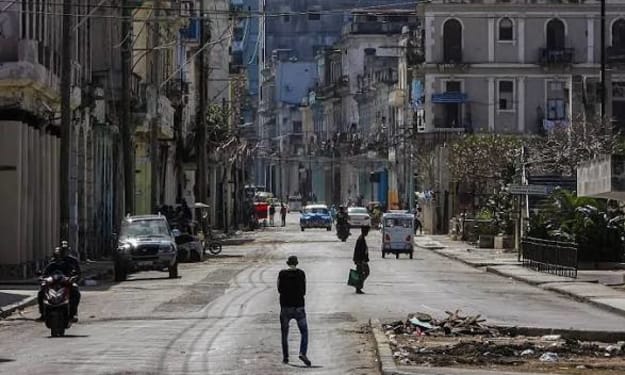
Cuba, long accustomed to navigating economic pressures and international isolation, reached a new level of crisis this week as a perfect storm of shortages, logistical breakdowns, and dwindling revenue brought daily life on the island into sharp focus. From fuel scarcity to the collapse of tourist inflows and the evaporation of cash liquidity, ordinary Cubans faced mounting uncertainty and frustration. Fuel Shortages Bring Daily Life to a Halt At the center of the crisis is a persistent fuel shortage, which has left transportation networks severely disrupted. Gas stations across Havana and provincial cities reported near-empty pumps, forcing commuters to walk long distances or rely on limited public transport options. Local residents described chaotic scenes as long lines of private car owners and state vehicles vied for dwindling fuel supplies. “We have to plan our trips carefully,” said a taxi driver in Havana. “Some days there’s no diesel for buses, so people can’t even get to work or school.” The shortage also affected essential services, including emergency medical transport and deliveries of food and medicine. Hospitals reported rationing of generators and fuel for ambulances, raising concerns about patient safety in both urban and rural areas. Tourism Collapse Worsens Economic Strain Once a cornerstone of Cuba’s fragile economy, the tourism sector has taken a heavy hit in recent weeks. International travelers have been deterred by reports of fuel scarcity, logistical chaos, and limited services in hotels and resorts. Flights have been reduced, and many bookings were canceled as foreign tour operators reassessed their itineraries. The impact on local businesses has been immediate. Hotels, restaurants, and small tourist enterprises are reporting dramatic revenue losses, with layoffs and unpaid wages increasingly common. For a country where tourism brings vital hard currency into the economy, this downturn has sent ripple effects across every sector. “It’s devastating,” said a hotel manager in Varadero. “We depend on tourists to keep our staff employed and to buy supplies. Now, there’s nothing coming in.” Cash Shortages Amplify Daily Hardship Compounding the crisis is a severe shortage of cash, which has left markets, street vendors, and even state-run stores unable to operate smoothly. Cubans attempting to withdraw money from ATMs faced long queues, machine outages, and daily limits that barely cover basic needs. Local economists warn that the cash crunch could worsen social tensions, particularly as prices rise in parallel with shortages of fuel and imported goods. Informal markets have flourished, but often at rates far above official pricing, increasing inequality and hardship for ordinary citizens. Government Responses and Public Sentiment Cuban authorities have acknowledged the severity of the situation, issuing statements urging calm and promising measures to stabilize fuel distribution and banking services. Reports indicate that emergency shipments of diesel have been ordered from allied countries, and temporary controls on fuel allocation have been implemented. However, the measures have done little to ease public frustration. Residents expressed skepticism over official announcements, citing repeated promises in previous months that failed to materialize. Social media platforms are filled with posts highlighting daily struggles and rising anxiety over an uncertain future. “This week has shown us how fragile our daily lives are,” said a Havana resident. “Without fuel, without cash, without tourists, it feels like everything can stop at any moment.” International and Economic Context The crisis comes amid broader challenges for Cuba, including long-standing U.S. sanctions, rising global oil prices, and reduced support from traditional allies. Analysts note that the combination of internal mismanagement, external pressures, and a collapsing tourism sector has created a situation that is both immediate and deeply structural. Economists warn that if fuel shortages continue into the coming months, industries beyond tourism—such as agriculture, transportation, and manufacturing—will face severe disruption. Essential goods, including food and medicine, could see shortages exacerbate already high inflation and widespread public dissatisfaction. Looking Ahead As Cuba grapples with this multifaceted crisis, observers say that the country is entering a particularly perilous period. Solutions will require not only emergency measures to stabilize fuel, tourism, and cash flow but also longer-term strategies to strengthen the economy and diversify revenue sources. For now, ordinary Cubans continue to navigate a week that has starkly exposed the vulnerabilities of life on the island. Lines for fuel, empty ATMs, and shuttered hotels have become a daily reality, painting a picture of a nation under pressure. The coming weeks will be critical in determining whether the government can restore basic services and confidence, or whether social and economic strains will deepen further. For many residents, this is no longer a distant warning—it is the week the Cuban crisis got undeniably real.
By Fiaz Ahmed 28 days ago in The Swamp
Lindsey Vonn Has Another Surgery After Olympic Crash, Says She’s Returning to U.S.. AI-Generated.
American skiing legend Lindsey Vonn is set to return to the United States following a recent surgery, the latest in a series of medical interventions after a high-speed crash during the Winter Olympics. The 38-year-old athlete, widely regarded as one of the greatest alpine skiers of all time, confirmed the update on social media, assuring fans that she is recovering steadily and focusing on rehabilitation. Crash at the Olympics Vonn’s crash occurred during the downhill skiing event at the 2026 Winter Olympics, sending shockwaves through the sporting world. Footage from the event showed Vonn losing control in a challenging section of the course, resulting in a fall that left her with multiple injuries, including damage to her knee and upper body. Medical teams immediately assessed her condition, and she was transported to a nearby facility for treatment. Despite the severity of the incident, Vonn demonstrated remarkable composure, communicating with her team and the media to reassure fans that she would focus on recovery. A Series of Surgeries This most recent procedure marks the third surgical intervention since the Olympic crash. According to her team, the surgery addressed lingering complications that were affecting her mobility and strength. While her doctors had initially hoped that physical therapy alone could restore function, it became clear that surgical intervention was necessary to prevent long-term issues. “Lindsey is incredibly resilient,” said her orthopedic surgeon. “Her determination to return to full health and maintain her active lifestyle is exceptional. This surgery is a precautionary step to ensure that she can recover fully and avoid further injury.” Vonn’s previous surgeries following the crash included repair of a torn ligament in her knee and minor procedures to address bruising and fractures sustained during the fall. Recovery from each operation required careful monitoring, pain management, and intensive physiotherapy. Returning Home In her statement, Vonn confirmed that she would be returning to the U.S. to continue her recovery in a familiar environment. “Being home will allow me to focus on rehabilitation, spend time with family, and work with my team of therapists to get back to full strength,” she wrote. Fans and fellow athletes have expressed their support across social media platforms. Many highlighted her career achievements, including four World Cup overall titles, Olympic medals, and her record-breaking performances in speed events. Supporters noted that Vonn’s dedication to her sport and ability to overcome injury serve as an inspiration to athletes of all ages. Long-Term Recovery and Future Plans Although Vonn has not confirmed whether she intends to return to competitive skiing, her focus in the short term is clear: regaining strength and mobility. Experts indicate that recovery from multiple surgeries, particularly involving the knee and major muscle groups, can take several months. “Rehabilitation will be gradual and carefully structured,” said her physiotherapist. “We are looking at a combination of strength training, flexibility exercises, and low-impact cardiovascular activity. Lindsey’s motivation and discipline make her an ideal candidate for a successful recovery.” Vonn has previously endured serious injuries during her career, including torn anterior cruciate ligaments (ACL) and fractures. Each time, she has managed to return to top-level competition, demonstrating her resilience and commitment. Reactions from the Skiing Community Prominent figures in the skiing world have voiced their support for Vonn’s recovery. Fellow Olympians, coaches, and international ski federations sent messages praising her courage and offering encouragement. “Lindsey embodies the spirit of alpine skiing,” said a member of the U.S. Ski & Snowboard leadership team. “She competes with passion, overcomes adversity, and inspires the next generation. We look forward to seeing her back on her feet and enjoying life to the fullest.” Sports analysts note that while Vonn may be stepping back from competitive events for the foreseeable future, her influence on skiing remains profound. She has advocated for athlete safety, mental health awareness, and support for women in sports, contributing to the evolution of alpine skiing culture. Looking Ahead For now, Vonn’s priority is her health and rehabilitation. Fans around the world continue to follow updates on her progress, expressing admiration for her courage and perseverance. As she returns to the United States, her team remains focused on ensuring she receives the best care and support possible. “This isn’t the end of my journey,” Vonn wrote in her statement. “It’s just another chapter. I am determined to heal, stay positive, and embrace the future with strength and gratitude.” With multiple surgeries behind her and a dedicated support team in place, Lindsey Vonn’s path to recovery reflects both the challenges and resilience inherent in elite sports. Her return to the U.S. marks the beginning of this next phase—a phase focused on health, family, and the enduring love of skiing.
By Fiaz Ahmed 28 days ago in Longevity
How Highways Are Becoming Emergency Air Strips in India. AI-Generated.
India has quietly been transforming stretches of its national highways into emergency airstrips — dual‑use roadways capable of serving both normal vehicular traffic and aircraft landings during crises. What began as a defence preparedness initiative over the last decade has gained momentum, with the latest milestone marked by Prime Minister Narendra Modi’s historic landing on a converted highway runway in Assam’s Dibrugarh district in February 2026. The Times of India The concept, known officially as Emergency Landing Facilities (ELFs), involves reinforcing and preparing straight, long stretches of highway so they can double as temporary runways for military aircraft — including fighter jets, transport planes, and even heavy turboprops — in situations where regular airbases may be unavailable, vulnerable, or unsuitable. tribuneindia.com A Strategic Shift in Infrastructure On National Highway 37 near Moran, Assam, a 4.2‑kilometre stretch was upgraded into one such ELF, with the surface strengthened and expanded so that aircraft can safely land and take off. The project, costing around Rs 100 crore, was completed in 2025 and inaugurated in early Feb. 2026, when PM Modi landed aboard an Indian Air Force C‑130J — the first time such a landing took place in the northeastern region. This development is part of a broader push by the Indian Air Force (IAF) and the National Highways Authority of India (NHAI) to identify and prepare suitable highway segments as alternate runways. Over the past few years, the Defence Ministry has identified at least 28 sites across 11 states and union territories where highways have been designated as ELFs. These include locations in Assam, West Bengal, Andhra Pradesh, Gujarat, Rajasthan, Jammu & Kashmir, Bihar, Haryana, Tamil Nadu, Punjab, and Uttar Pradesh. Comparable initiatives have already been demonstrated: fighter jets and transport aircraft have conducted trial landings and “touch‑and‑go” operations on highways in Uttar Pradesh, Jaipur area, and Andhra Pradesh as part of broader readiness exercises — underscoring both the feasibility and tactical value of such road runways. The Times of India +1 Why Highway Airstrips Matter There are several strategic and practical reasons behind this programme: 1. Enhanced Defence Preparedness: Highways converted into ELFs provide redundancy for air operations if traditional airbases are threatened during a conflict. Since bases can be predictable targets in wartime or hostile scenarios, having alternate landing zones distributed across the country enhances operational flexibility and resilience. 2. Rapid Mobilisation and Supply: In a crisis, the ability to evacuate personnel, deliver supplies, or redeploy forces quickly becomes crucial. ELFs enable transport aircraft to land closer to operational theatres or disaster zones without relying on busy or compromised airports. 3. Humanitarian and Disaster Response: India’s varied geography is prone to natural disasters — from floods to cyclones — which can make airfields inaccessible. Highway runways can serve as critical entry points for relief flights when conventional airports cannot be used. The New Indian Express 4. Symbolic Signal of Deterrence: Choosing locations such as Northeast India — near the disputed border with China — for these ELFs not only delivers functional value but also conveys a strategic message of preparedness and deterrence. The Times of India How It Works on the Ground To serve as an airstrip, a highway must meet specific engineering criteria: a long, straight stretch free from median dividers; reinforced pavements built to withstand the weight and stress of fast‑moving aircraft; and cleared shoulders free of obstacles like overhead signs or lighting poles. When needed, local authorities can temporarily halt road traffic, close off the section, and secure the perimeter. Aircraft crews then treat it as a makeshift runway, landing and taking off much like at a conventional airfield. In peacetime, these stretches function as ordinary highways. Internationally, this dual‑use model is not unique to India; countries such as Finland, Sweden, Germany, Poland, and others have long used highway strips as part of Cold War‑era contingency plans. Challenges and Future Prospects While the ELF programme has gained traction, implementing and maintaining these installations poses challenges. Construction delays and logistical hurdles have slowed progress at some sites, such as an emergency strip on NH‑16, which faced setbacks due to infrastructure issues. Deccan Chronicle Moreover, coordinating between civil traffic authorities and defence planners to ensure seamless activation when needed requires sophisticated planning and communication. Despite these hurdles, the strategy has become an integral part of India’s broader defence infrastructure roadmap. The New Indian Express As the model continues to expand, and with high‑profile occasions like PM Modi’s historic landing in Assam bringing public attention to dual‑use highways, India’s highways‑turned‑airstrips are likely to remain a key component of the country’s readiness for emergencies — whether military, strategic, or humanitarian. The Times of India
By Fiaz Ahmed 28 days ago in The Swamp
Arif Habib‑Led Group to Gain Full Control of PIA. AI-Generated.
In a major shift for Pakistan’s aviation sector, a consortium led by the Arif Habib‑affiliated Arif Habib Group is poised to take complete ownership of Pakistan International Airlines (PIA), one of the country’s most iconic but long‑troubled institutions. After initially purchasing a 75 per cent stake in the national carrier last year, the group now plans to acquire the remaining 25 per cent government share, clearing the way for full control and ushering in what supporters hope will be a new era of modernization and profitability. The move represents the culmination of a privatisation process that began in earnest in 2025, when the Arif Habib‑led consortium successfully bid for the majority stake in PIA with an offer of approximately Rs 135 billion. At the time, the government hailed the privatisation as a historic step in shedding the airline’s decades‑long financial woes. The remaining shares — still owned by the federal government — are now being offered to the consortium for around Rs 45 billion under terms that give the investor group roughly 90 days to complete the purchase. Shahid Ali Habib, CEO of Arif Habib Ltd, said the acquisition of the remaining 25 per cent stake is expected to be finalized by late April or early May, enabling the group to operate PIA as a fully private entity. This would allow the new owners to remove government‑appointed board members and implement far‑reaching management changes. For years, PIA had struggled with financial losses, operational inefficiencies, and mounting liabilities. It had become a symbol of the challenges facing state‑owned enterprises in Pakistan, with repeated government bailouts failing to stem declines in service quality and competitiveness. Privatization advocates argue that private ownership will bring the professional management, capital investment, and strategic vision necessary to turn the airline around. Critics of the deal, however, have raised questions over the sale structure and the handling of PIA’s significant debts. Some legal challenges were filed around the initial privatisation, with petitioners arguing that the move violated constitutional provisions governing the sale of federal assets. Regardless of these disputes, the government pressed ahead, and the transaction went through late last year. The full acquisition plan comes at a time when the new owners are already laying out ambitious plans for PIA’s future. According to reports, the consortium has discussed expanding the airline’s fleet significantly and improving route networks, including the resumption of key international services such as direct flights to Europe. There are also indications that the group may explore listing the airline publicly through an initial public offering (IPO) within a year of assuming full control, further enhancing market discipline and access to capital. Profit by Pakistan Today Composition of the consortium reflects a broad base of corporate participation. Alongside the Arif Habib Group, partners include heavyweights like Fatima Fertiliser and AKD Group, as well as Fauji Fertiliser Company, which has become one of the largest shareholders in the enterprise. Collectively, these investors bring financial resources and strategic expertise that analysts hope will contribute to a sustained turnaround for the airline. Supporters of privatisation say the move could unlock new efficiencies and allow PIA to compete more effectively with regional rivals, many of which have vastly superior service records and capital structures. A fully private PIA would theoretically be more responsive to market demands, better positioned to modernize its fleet, and freer to partner with other carriers on strategic international routes. There are also broader economic implications. A revitalised PIA could help Pakistan expand its aviation footprint, support tourism growth, and generate jobs both directly and indirectly through improved connectivity. Investors and supporters alike are watching closely, optimistic about the possibilities but aware of the challenges inherent in transforming a legacy airline. Profit by Pakistan Today As the deadline for the final stake purchase approaches, all eyes will be on Islamabad and the new owners to see whether they can navigate regulatory hurdles and deliver on promises of reform. If successful, the full transfer of control to the Arif Habib‑led group will mark one of the most significant privatisation moves in Pakistan’s recent economic history, setting the stage for a potential rebirth of the country’s flag carrier after years of uncertainty.
By Fiaz Ahmed 28 days ago in The Swamp
Rubio Says Cuba’s Only Path Forward Is to Open Its Economy. AI-Generated.
In a stark critique of the Cuban system, U.S. Secretary of State Marco Rubio said Cuba’s “only path forward” out of its deepening economic crisis is a fundamental opening of its tightly controlled economy — a shift he tied to greater freedom for the Cuban people and a possible easing of U.S. pressure. Rubio’s remarks, delivered in an interview on the sidelines of the Munich Security Conference, underscore a hardening Washington stance toward Havana even as the island faces severe shortages and political isolation. Rubio, a Cuban‑American whose family fled Cuba’s revolutionary government decades ago, described the island’s economic model as a historic failure. “The fundamental problem in Cuba is that it has no economy,” he told Bloomberg News, arguing that without substantial reforms, the regime’s insistence on controlling all major sectors guarantees stagnation. He blamed the leadership’s reluctance to cede control even of economic decision‑making, asserting that this unwillingness is at the heart of Cuba’s collapse. “For decades, Havana has maintained a rigid system that suppresses economic freedom, forbids genuine private enterprise, and keeps its citizens dependent on a state apparatus that doesn’t know how to improve everyday life,” Rubio said. “You can’t have a viable country without a functioning economy, and that means giving people freedom — not just political freedom but economic freedom.” Cuba’s Dire Economic Situation Rubio’s comments come amid one of the worst economic crises Cuba has faced in decades. A U.S. decision earlier this year to capture Venezuelan President Nicolás Maduro and disrupt oil shipments from Cuba’s most reliable ally has cut off Havana’s main source of fuel and revenue, leaving the island grappling with prolonged blackouts, fuel shortages and collapses in basic services. As international airlines have suspended flights due to jet fuel scarcity, ordinary Cubans have faced daily hardships. While U.S. sanctions themselves date back to the early 1960s and have long shaped Cuban‑American relations, Rubio’s framing shifts the debate from sanctions alone to questions of structural reform. He argued that even without the embargo, Cuba’s economy would struggle because of the state’s complete dominance of production, investment and trade. “They want to control everything,” Rubio said of the current regime’s leadership. “They don’t want the people of Cuba to control anything.” Economic Opening as the "Only Path Forward" Rubio avoided strict specifics on how the United States might incentivize or enforce such an economic opening, but he hinted that Washington might consider easing some forms of pressure if meaningful reforms are enacted. “Their willingness to begin to make openings in this regard is one potential way forward,” he said, suggesting that if Cuba allowed private initiative or foreign investment, Washington could look at what he described as “constructive engagement.” This proposal aligns with a broader U.S. policy goal of pressing authoritarian regimes through combined economic leverage and conditional incentives. However, Rubio indicated that such a path would have to be carefully calibrated and gradual. “These matters require space and time to be done correctly,” he said when pressed about concrete policy changes. CiberCuba Political Realities and Havana’s Reluctance The Cuban government in Havana has been cautious in its response to U.S. pressure. While Cuban officials have publicly expressed openness to dialogue, they have also reiterated that their political and constitutional systems are not negotiable. A recent foreign ministry statement conveyed a desire for “respectful and reciprocal dialogue” but made no concessions on internal governance. TRT World Iran Rubio’s critics argue that Washington’s approach risks deepening suffering among ordinary Cubans without offering a viable alternative blueprint. Some outside analysts say that lifting sanctions incrementally or allowing humanitarian engagement could alleviate hardship, but Rubio has thus far emphasized structural economic reform as the core requirement before any major relief. Despite the administration’s strong rhetoric, there is no indication that Cuba is ready to undertake the sweeping economic liberalization Rubio describes. Cuban leaders have historically feared that opening the economy risks undermining political control — a fear Rubio says explains their resistance. “They would much rather be in charge of the country than allow it to prosper,” he told reporters, a comment that drew both agreement from anti‑communist policymakers and criticism from those who view it as oversimplified. Mirage News Broader Implications Rubio’s statements reflect a broader debate within U.S. foreign policy over how best to address authoritarian states with entrenched economic models. While sanctions have long been a tool of Washington policy toward Cuba, Rubio’s framing emphasizes internal transformation over external coercion alone. Whether such a strategy can succeed where others have failed remains uncertain, particularly as ordinary Cubans face ongoing hardship. For now, Rubio’s message is clear: without economic liberalization and expanded freedoms for the Cuban people, Havana’s current trajectory will likely continue to produce instability and stagnation. And in his view, opening the economy is the only path forward that offers hope for a more prosperous and free Cuba.
By Fiaz Ahmed 28 days ago in The Swamp
Iran ready to discuss compromises to reach nuclear deal, minister tells BBC in Tehran. AI-Generated.
Iran signalled on Sunday that it is prepared to consider “compromises” in long‑running nuclear negotiations with the United States — but only on the condition that Washington engages seriously on the issue of sanctions relief, a senior Iranian official told the BBC in Tehran. The comments, made by Deputy Foreign Minister Majid Takht‑Ravanchi, come as indirect talks between Tehran and Washington are set to resume this week in Geneva, raising cautious hopes of progress after years of stalemate. “We are ready to discuss this and other issues related to our programme if they are ready to talk about sanctions,” Takht‑Ravanchi said in the BBC interview, stressing that Tehran’s willingness to compromise hinges on reciprocal engagement by the United States. “The ball is in America’s court to prove that they want to do a deal,” he added, underscoring his government’s emphasis on U.S. concessions as part of any negotiated settlement. The Business Standard Context of the Talks The comments follow a first round of indirect negotiations between U.S. and Iranian officials that took place earlier this month in Oman, under the auspices of several regional mediators. With the next round scheduled to begin in Geneva, both sides are under pressure to find common ground after years of complex diplomacy. The Business Standard Iran’s position, as outlined by Takht‑Ravanchi and other officials, combines a readiness to discuss curbs on its nuclear programme with firm insistence that sanctions relief must be part of the equation. Tehran has also reiterated that core elements of its programme, including uranium enrichment, remain non‑negotiable — although it has offered potential adjustments, such as diluting highly enriched material, if sanctions are lifted. The Business Standard That position reflects a longstanding sticking point in negotiations: the United States and its allies want strict limits on Iran’s nuclear activities to ensure the programme remains peaceful, while Tehran seeks economic relief and political leverage in return for any constraints. The negotiators hope to revive aspects of the 2015 Joint Comprehensive Plan of Action (JCPOA), which eased Western sanctions in exchange for nuclear limits, though both sides have diverged sharply over how to reconstruct a mutually acceptable framework. The Sanctions Issue at the Forefront Sanctions remain the central issue for Iranian negotiators. Decades of punitive measures — reimposed on Tehran after the United States withdrew from the JCPOA in 2018 — have crippled Iran’s economy, and officials in Tehran have insisted that any credible deal must meaningfully ease those restrictions. Takht‑Ravanchi’s comments make clear that Iran is not prepared to concede nuclear limitations in isolation from broader economic relief. For Iran, sanctions touch ordinary citizens as well as government revenue streams, and easing them could help stabilize its currency and oil exports. But U.S. policymakers — mindful of domestic political dynamics and strategic concerns — have been cautious about how much relief to offer, especially without verifiable limits on Tehran’s nuclear programme. Iran’s readiness to discuss compromises also indicates a nuanced diplomatic posture. While its leaders repeatedly deny seeking nuclear weapons, Western capitals remain sceptical about Tehran’s intentions, given its enrichment of uranium to 60 percent purity — a level close to weapons‑grade — in recent years. Tehran argues such enrichment is for peaceful purposes, but the capability has been a core concern for U.S. negotiators. The Business Standard Scope and Limitations of Negotiations Takht‑Ravanchi made clear that Iran does not intend to link nuclear discussions to other contentious issues, such as its ballistic missile programme or regional activities — areas Washington and some U.S. allies, particularly Israel, want included in broader negotiations. By limiting the talks strictly to the nuclear file and sanctions, Tehran aims to focus diplomacy on achievable goals while deflecting demands it views as outside the scope of the nuclear agreement. The scheduled Geneva talks will bring together Iranian negotiators and U.S. envoys, including special representatives from Washington, with Oman playing a continuing mediating role. Officials in both capitals have described the process as cautious but constructive, though neither side has guaranteed a breakthrough. Broader Implications The renewed talks come at a time of heightened regional tensions. Iran has faced pressure over its nuclear programme from several angles, including regional adversaries and international sanctions, while domestic political considerations shape Tehran’s negotiating strategy. For U.S. and allied policymakers, the risk of an unconstrained nuclear programme remains a top security concern. If successful, renewed diplomacy could ease one of the most persistent flashpoints in U.S.–Iran relations. But as Takht‑Ravanchi’s remarks suggest, significant gaps remain over sanctions and nuclear limits, and both sides will need to demonstrate political will and flexibility in the coming talks.
By Fiaz Ahmed 28 days ago in The Swamp
“Nothing Says Love Like Chemicals”: Valentine’s Roses Often Covered in Pesticides, Testing Finds. AI-Generated.
Valentine’s Day roses may look romantic, but new testing shows many bouquets come with an unwelcome extra: high levels of pesticide residue. Consumer advocates say the findings highlight a largely hidden problem in the global flower industry, where heavy chemical use is common and regulation remains uneven. A recent investigation by the Environmental Working Group analyzed roses purchased from major retailers in several U.S. cities ahead of Valentine’s Day. Laboratory tests detected traces of more than a dozen different pesticides on some flowers, including chemicals restricted or banned for use on food crops. While roses are not eaten, researchers warn that frequent handling — by florists, warehouse workers, and consumers — can still pose health risks. “People associate roses with love and celebration, but what we found was a cocktail of chemicals,” said an EWG spokesperson. “These pesticides don’t disappear when the flowers are cut. They remain on petals and leaves that people touch and bring into their homes.” Most roses sold in the United States are imported, primarily from Colombia and Ecuador, where large-scale flower farms rely on intensive pesticide spraying to meet demand for flawless blooms. Industry experts say pests and fungal diseases thrive in the humid greenhouse conditions used to grow roses year-round, making chemical control the cheapest and fastest solution. Testing found residues of fungicides and insecticides commonly used in commercial flower production. Some of these substances have been linked in scientific studies to hormone disruption, respiratory problems, and skin irritation. Although the amounts detected were within legal limits for ornamental plants, advocates argue that safety standards for flowers are far weaker than those for fruits and vegetables. The U.S. Department of Agriculture does not regulate pesticide residues on cut flowers in the same way it monitors food products, because roses are not intended for consumption. This regulatory gap means consumers rarely receive information about what chemicals were used to grow the flowers they buy. Florists are among the most exposed. Many handle thousands of stems daily in the days leading up to Valentine’s Day. “We’ve had workers complain about headaches and rashes during peak seasons,” said a shop owner in New York who asked not to be named. “We wear gloves now, but customers don’t think about that when they’re holding a bouquet.” Environmental groups also point to the impact on farmworkers in exporting countries. Reports from labor organizations describe frequent pesticide exposure, limited protective equipment, and long working hours during the Valentine’s rush. “The health burden is not shared equally,” said a labor rights advocate based in Bogotá. “Those growing the flowers face the highest risks.” The flower industry disputes that roses pose a danger to consumers. Trade associations maintain that approved pesticides are used according to safety guidelines and that exposure levels are minimal. “These products are essential to protect crops and ensure quality,” said a representative of a major floral exporter. “Without them, we could not meet global demand or control disease outbreaks.” Still, demand for alternatives is growing. Organic and “pesticide-free” roses are becoming more available, though they are often more expensive and harder to source in winter. Some florists are shifting to locally grown flowers or encouraging customers to buy potted plants instead of cut roses. Health experts recommend simple precautions: washing hands after handling flowers, keeping bouquets away from food preparation areas, and avoiding sleeping with flowers near pillows or beds. Removing outer petals and using gloves when arranging bouquets can also reduce exposure. For consumers, the findings challenge the image of roses as a harmless symbol of romance. “It’s ironic that a gift meant to express care may come with chemical risks,” said the EWG spokesperson. “We’re not saying people should stop buying flowers. We’re saying they deserve transparency and safer choices.” As Valentine’s Day sales continue to soar each year, advocates hope the spotlight on pesticides will push regulators and retailers toward stricter standards. Until then, the classic bouquet may carry a hidden message alongside its petals: love, wrapped in chemicals.
By Fiaz Ahmed 28 days ago in Longevity
We Are Europeans’: Fans Fly Greenland Flag During Olympic US–Denmark Ice Hockey Game”. AI-Generated.
MILAN — At the 2026 Winter Olympics in Milan‑Cortina, a pair of European hockey fans briefly stole the spotlight from the on‑ice action by hoisting the red‑and‑white flag of Greenland during the men’s preliminary round game between the United States and Denmark. What might have seemed at first glance a simple gesture of hockey fandom has sparked conversation about regional identity, political symbolism and European unity amid broader geopolitical tensions. The match, played at the Milano Santagiulia Ice Hockey Arena and eventually won by the United States 6–3, drew typical Olympic fervor from both Danish and American supporters. But standing out among the sea of national colors were two spectators waving Greenland’s flag — a banner not officially recognized by the International Olympic Committee because Greenland competes under Denmark’s flag in Olympic competition. The fans, Vita Kalniņa and her husband Alexander Kalniņš, are originally from Latvia and now live in Germany. They say the display was meant as a statement of European solidarity — not simply a quirky spectacle — reflecting a shared cultural and political stance. “We are Europeans and I think as Europeans we must hold together,” Kalniņš told The Associated Press. He said they wanted to visibly support both Denmark and Greenland at a moment when discussions about Greenland’s future have drawn international attention. Greenland, a self‑governing territory within the Kingdom of Denmark, does not field its own Olympic team and thus is represented internationally through Danish athletes. Nonetheless, the island’s distinctive flag — known locally as Erfalasorput — has emerged at Olympics and other events as a symbol of identity distinct from Denmark, particularly in contexts where Greenlandic autonomy and cultural recognition are at issue. The choice to fly the Greenland flag at the Serie “Greenland Derby” game — a rare match‑up where the Danish team faced off against a powerful U.S. squad — came against a backdrop of renewed debate over the territory’s geopolitical significance. That discussion intensified after recent public comments by U.S. political figures about Greenland’s strategic value, including controversial suggestions about increased U.S. influence or acquisition of the island. Those remarks helped fuel a surge of Danish national pride and broader European interest in the island’s future. However, what the Kalniņas intended as a gesture of support was met with some resistance inside the arena. Venue staff reportedly asked the couple to lower the Greenland flag, citing safety concerns. Despite the request — which the fans complied with — they said their point had already been made among the thousands of spectators and millions watching on television. Elsewhere in the stands, reactions to the flag were mixed but largely centered on the idea that sports should transcend politics. Danish fans painted in red and white expressed that the Olympic hockey match was “about competition, not geopolitics,” emphasizing respect for the athletes regardless of external controversies. An American supporter in stars and stripes echoed that sentiment, saying fans wanted to “compete country versus country and enjoy” the game without letting political issues overshadow the Olympic experience. On the ice, players themselves appeared unaffected by the symbolic display. Denmark’s team captain, Jesper Jensen Aabo, later noted that the flag had not been a point of focus during play, and the teams remained focused on their performance. The game proceeded with high intensity, and the United States secured a key win that kept them on pace for advancement in the tournament. For Kalniņa and Kalniņš, the moment was about more than hockey. It was a reminder that cultural and political identity sometimes finds expression in unexpected places — even in a sport known more for goals and saves than geopolitical discourse. As global attention remains fixed on the Winter Games, the flag of Greenland flying amid a sea of national banners became a quiet but potent symbol of unity for some Europeans watching.
By Fiaz Ahmed 28 days ago in The Swamp
Europe Gives Cautious Welcome to Rubio’s Warmer Tone. AI-Generated.
European leaders have reacted with guarded optimism to a shift in rhetoric from U.S. Senator Marco Rubio, who in recent weeks has adopted a more conciliatory tone toward transatlantic partners after years of blunt criticism over defense spending, trade imbalances, and China policy. While officials in Brussels and key European capitals say the change is encouraging, they stress that words alone will not repair strains that have built up between Washington and Europe over the past decade. Rubio, a senior Republican voice on foreign affairs, used a recent address in Washington to emphasize the “indispensable role” of Europe in maintaining global stability and called for closer cooperation on Ukraine, the Middle East, and technological security. His remarks marked a noticeable departure from previous statements in which he accused European governments of relying too heavily on U.S. military protection and failing to confront authoritarian powers decisively. Diplomats in the European Union welcomed the softer language but framed it as a first step rather than a breakthrough. “We appreciate the recognition of Europe as a strategic partner,” said one senior EU official, speaking on condition of anonymity. “But the real test will be whether this tone translates into consistent policy positions on defense, trade, and multilateral institutions.” The response from Berlin and Paris was similarly measured. German officials noted that Rubio’s comments on NATO solidarity were “constructive,” especially at a time when Europe is increasing its military spending and support for Ukraine. French diplomats, however, pointed out that rhetoric from U.S. lawmakers often shifts with domestic political cycles. “We have seen warmer language before, followed by renewed pressure,” one French official said. “Stability in the relationship requires predictability.” Rubio’s change in tone comes amid a broader debate in Washington over America’s global role. With election politics intensifying, Republicans and Democrats alike are reassessing how strongly the United States should commit to European security while facing challenges from China and instability in the Middle East. Analysts say Rubio’s recalibration may reflect an effort to appeal to moderate voters and international allies who are wary of isolationist signals. European analysts also link the development to practical concerns, particularly over Ukraine. As Kyiv continues to rely heavily on Western military and financial aid, European governments fear that wavering U.S. support could undermine their own efforts. Rubio’s renewed emphasis on transatlantic unity has therefore been interpreted as reassurance—though one still hedged with political caution. “There is relief that influential figures in Washington are once again speaking the language of partnership,” said Sophie Bernard, a Paris-based foreign policy analyst. “But Europe has learned to be careful. Warm words can cool quickly if domestic pressures in the United States change.” Trade and technology remain sensitive areas. Rubio has previously criticized European digital regulations and called for tougher measures against Chinese companies operating in Western markets. In his latest remarks, he acknowledged differences with Europe but said disputes should be resolved “within the family of democracies, not through public confrontation.” EU officials welcomed this phrasing but emphasized that regulatory sovereignty would not be compromised. Despite the cautious welcome, European leaders see an opportunity to reset the conversation. Several diplomats indicated that informal contacts with Rubio’s office have increased, focusing on coordination over sanctions policy and supply chain security. A senior Brussels official described the mood as “pragmatic optimism.” Still, skepticism remains strong in parts of Eastern Europe, where officials worry that U.S. politics could swing sharply after the next election. “We listen carefully, but we plan for uncertainty,” said a Baltic diplomat. “Security guarantees must be built on actions, not speeches.” For now, Europe appears ready to engage with Rubio’s warmer tone while keeping expectations in check. The prevailing view across the continent is that improved language is welcome, but trust will depend on consistent commitments to NATO, Ukraine, and the broader rules-based order. As one EU diplomat put it, “This is a positive signal—but only the opening chapter of a much longer story.”
By Fiaz Ahmed 28 days ago in The Swamp