Aarif Lashari
Stories (673)
Filter by community
Weeks of Rail Disruption End as York Track Update is Completed
For the past several weeks, commuters and travelers in the UK have faced significant disruptions as rail services between key destinations were halted, rerouted, or delayed. The disruption was particularly felt in York, where vital track updates were underway, causing significant inconvenience. However, the weeks of rail disruption have finally ended as the York track update is completed, marking a new chapter in improving rail services across the region. With the project now finished, travelers and local residents alike are breathing a sigh of relief. But beyond the temporary inconvenience, what do these upgrades mean for the future of rail travel in York and beyond? The Scale of the Disruption: Why York Was Affected For weeks, major train services, including those linking York with cities like Leeds, Manchester, and London, were severely impacted. Delays, cancellations, and altered routes became a regular part of the daily commute. The disruption was largely due to essential track upgrades and maintenance that aimed to modernize and expand York's rail infrastructure. The project was part of a larger national push to improve the UK's railway network, addressing aging infrastructure and increasing capacity to meet growing demand. Unfortunately, such large-scale projects often result in temporary inconvenience, and York’s historic station became a key focal point for this disruption. The upgrade, involving everything from track replacement to signaling enhancements, was crucial for improving travel efficiency and safety on one of the busiest rail lines in the country. However, the temporary inconvenience was a reminder of how vulnerable transport systems can be to essential infrastructure work. The Benefits of the York Track Update: What Travelers Can Expect While commuters may have endured weeks of disruption, the completed upgrades now offer long-term benefits for rail passengers across the region. 1. Increased Capacity One of the most significant benefits of the York track update is the increase in capacity. The modernized track and upgraded signaling systems will allow for more frequent and efficient trains, reducing overcrowding during peak hours. This will be especially helpful for commuters traveling between York and major cities like London, Manchester, and Edinburgh. With the growing demand for rail travel and the UK's commitment to reducing carbon emissions by encouraging more sustainable transport options, improving rail capacity is essential. These updates will help the region accommodate future growth in passenger numbers. 2. Improved Efficiency and Reduced Delays The track upgrade also means fewer delays. Newer signaling systems, along with modernized tracks, will improve the flow of trains, reducing the risk of signal failures and track-related disruptions. Previously, mechanical issues or track wear could lead to delays, but with the new infrastructure in place, reliability should improve. Travelers can expect more punctual services, leading to a smoother travel experience and, importantly, fewer disruptions to their schedules. 3. Enhanced Safety Features Safety is a top priority in any infrastructure project, and the York track update is no exception. With upgraded tracks and more modern signaling systems, the project ensures that York’s rail network meets the latest safety standards. This reduces the likelihood of accidents or incidents caused by outdated infrastructure, providing passengers with peace of mind while traveling. A Stronger Foundation for the Future: National Rail Investment The completion of the York track update is part of a larger, ongoing effort by the UK government and the rail industry to modernize and expand the country’s rail infrastructure. Similar projects are happening in cities and regions across the country as part of the Rail Network Enhancement Programme. For York, in particular, this update serves as a reminder of the region’s historical and continued significance within the national rail network. York station, with its strategic location on the East Coast Main Line, is a critical hub for connecting major cities like Edinburgh, London, and Leeds. The recent upgrades will ensure that it continues to serve this important role for years to come. Additionally, the completion of this project shows a commitment to enhancing regional connectivity, which is vital for economic growth and social cohesion. By improving the rail infrastructure in cities like York, the UK is encouraging travel to less congested areas, making it easier for people to commute and connect with other parts of the country. The Reaction: How Local Communities Have Responded While the track update’s completion is a positive step forward, it’s important to acknowledge the frustrations faced by local commuters and residents during the period of disruption. For weeks, York saw a mix of disgruntled travelers, diverted bus services, and crowded alternative routes. However, there has been a notable shift in sentiment now that the project has been completed. Local businesses and residents have expressed relief at the return of a more reliable transport service. In particular, local businesses in York, which rely on visitors traveling via train, will benefit from improved connectivity. With easier access to York and the surrounding areas, tourism and retail sectors are expected to see a boost. Future Plans: What’s Next for York’s Rail Network? Even though the York track update is now complete, it’s not the last piece of the puzzle. York’s rail infrastructure is still undergoing a series of enhancements designed to future-proof the station and improve travel further. In addition to track upgrades, there are plans for station modernization, including better passenger facilities, more seating, and improved access for disabled passengers. The UK government has committed to additional funding for the rail sector as part of a broader push to achieve carbon-neutral transport by 2050. In this context, York is set to play a pivotal role in the ongoing modernization of the national rail network. Conclusion: A New Chapter for York and Beyond The completion of the York track update marks the end of weeks of rail disruption, but it also signals the beginning of a more efficient, reliable, and sustainable future for travel in the region. While the disruptions were certainly inconvenient, the long-term benefits of the upgrades are clear: increased capacity, improved safety, and a stronger foundation for future rail services. As the UK continues to invest in its rail infrastructure, projects like the York track update are an essential step in building a modern, resilient transport network. Commuters, local businesses, and visitors alike will all benefit from these improvements for years to come. While delays and disruptions have caused frustration, the finished project ensures that York’s rail network is well-equipped to meet future demands. For travelers, it means more options, less waiting, and a smoother journey to their destinations.
By Aarif Lashariabout a month ago in The Swamp
Lifeline for Struggling Grassroots Music Venues. AI-Generated.
Grassroots music venues have always been the heart of local music scenes. They are the spaces where budding artists take their first steps on stage, where communities gather for nights filled with creativity, and where cultural movements often begin. Yet, in recent years, many of these venues have faced unprecedented challenges. From rising rents to global pandemics, the survival of small-scale music spaces has become increasingly precarious. Amid this struggle, the phrase “lifeline for struggling grassroots music venues” has emerged as more than a metaphor. It represents real initiatives, policies, and community-driven efforts designed to preserve the lifeblood of local music culture. The Importance of Grassroots Venues Grassroots music venues play a crucial role in the music ecosystem. Unlike large concert arenas, these spaces provide opportunities for emerging talent to perform in front of live audiences without the backing of major labels. Many famous artists—from Adele to Ed Sheeran—started in small clubs, bars, or community centers. Beyond artist development, these venues foster a sense of community. They bring people together across ages, backgrounds, and interests. They also drive local economies, from bar sales to merchandise, and even tourism, as music lovers often travel for unique live experiences. However, these benefits are often invisible to policymakers and investors, leaving small venues vulnerable when financial pressures mount. Why Grassroots Venues Are Struggling Several factors have contributed to the vulnerability of grassroots music spaces: Rising Costs: Urban gentrification and increasing property rents have forced many venues to close, unable to keep up with soaring overheads. Pandemic Impact: COVID-19 shuttered live music for months, causing many venues to operate at a loss. Recovery has been slow, with some never reopening. Regulatory Pressures: Noise restrictions, licensing fees, and other bureaucratic hurdles often disproportionately affect smaller venues, limiting their operational flexibility. Competition from Digital Platforms: While live music remains vital, streaming and online content have shifted revenue streams, leaving small venues dependent on ticket sales and local attendance. The combination of these pressures has created a survival crisis for grassroots venues, threatening both the music industry’s future and local cultural life. Lifelines: Initiatives Supporting Grassroots Music Recognizing the urgent need, several governments, nonprofits, and community groups have launched initiatives that serve as a lifeline for struggling grassroots music venues. These efforts are designed to provide financial relief, advocacy, and structural support to keep venues alive. Financial Support Programs One of the most immediate forms of assistance is financial aid. Grant programs, emergency funds, and subsidies help venues cover rent, utilities, and essential staff wages. Examples include: Emergency Music Venue Funds launched in various cities post-pandemic Grants from arts councils and cultural ministries Private sponsorships from corporations and music industry organizations These funds provide the breathing room venues need to survive short-term crises and invest in their infrastructure. Advocacy and Policy Change Beyond financial relief, advocacy is crucial. Groups lobbying for the preservation of grassroots venues focus on: Protecting venues from unfair rent hikes Reducing bureaucratic hurdles like licensing and noise restrictions Recognizing venues as essential cultural institutions, eligible for long-term funding Such policy interventions not only help venues survive but also acknowledge their cultural importance. Community Engagement Local communities have also played a key role. Crowdfunding campaigns, “adopt-a-venue” initiatives, and volunteer programs help grassroots spaces stay operational while strengthening local engagement. In some cases, residents have formed co-ops to manage venues collectively, ensuring that the spaces remain accessible to artists and audiences alike. Success Stories Across the globe, numerous success stories highlight the effectiveness of lifelines for grassroots music venues. In the UK, initiatives like the Music Venue Trust have supported hundreds of venues, helping them reopen after lockdowns and secure long-term leases. In the United States, cities like Austin and Nashville have implemented relief funds specifically for small live music venues, recognizing their economic and cultural impact. Community-driven efforts in Australia and Canada have preserved historic music spaces, combining crowdfunding, volunteer management, and local advocacy to ensure venues remain active. These examples show that with the right support, grassroots venues can not only survive but thrive. The Broader Impact on the Music Ecosystem Saving grassroots venues has ripple effects across the music industry. For artists, these spaces are invaluable for testing new material, building fan bases, and developing stagecraft. For communities, they foster cultural exchange, creativity, and social cohesion. Economically, vibrant local music scenes stimulate surrounding businesses—from cafes to transport services. In other words, when grassroots venues flourish, the entire music ecosystem benefits. Preserving them is not just an act of charity—it is an investment in cultural sustainability. Challenges Ahead Despite these lifelines, challenges remain. Many initiatives are temporary, relying on government funding or short-term donations. Rising costs and competition from digital entertainment persist. Advocates stress that long-term strategies are needed, including: Permanent recognition of music venues as cultural landmarks Continued financial and regulatory support Community education to highlight the value of live music spaces Without sustained efforts, even well-intentioned programs risk being insufficient in the face of ongoing economic pressures. Conclusion: Why Grassroots Venues Matter The phrase “lifeline for struggling grassroots music venues” represents more than financial support—it symbolizes the preservation of culture, creativity, and community. Grassroots venues are where future stars are born, communities connect, and music remains authentic and accessible. As governments, nonprofits, and local communities continue to invest in these spaces, there is hope that the next generation of artists and audiences will have places to gather, perform, and experience music live. Supporting these venues is not optional—it is essential for the survival and growth of global music culture. For anyone who loves music, taking an active role—whether attending shows, advocating, or donating—helps ensure that grassroots venues continue to thrive. After all, the songs of tomorrow start in the small, vibrant spaces of today.
By Aarif Lashariabout a month ago in The Swamp
Tragedy at Sea: Vessel Faces Disaster While En Route to the Ad Dimaniyat Islands. AI-Generated.
What began as a routine journey quickly transformed into a terrifying ordeal. The vessel was reportedly en route to the Ad Dimaniyat Islands when conditions on the water suddenly took a turn for the worse, leaving passengers and crew fighting against the raw power of nature. The incident has once again highlighted how unpredictable the sea can be, even in regions known for their beauty and relative calm. The Ad Dimaniyat Islands, located off the coast of Oman, are famous for their crystal-clear waters, vibrant marine life, and growing popularity among tourists and divers. Yet, as this incident shows, even paradise can become perilous when weather and water conditions change without warning. A Journey That Began Like Any Other According to early reports, the vessel departed under what appeared to be normal conditions. The sea was relatively calm, visibility was clear, and there were no immediate signs of danger. Passengers on board reportedly expected a smooth trip, many excited to experience the pristine beaches and coral reefs that make the Ad Dimaniyat Islands a sought-after destination. Such trips are common in the region, particularly during peak tourist seasons when boats regularly transport visitors between the mainland and the islands. For experienced operators, the route is familiar, and incidents are rare—making what followed all the more shocking. When Conditions Suddenly Changed As the vessel continued its journey, conditions on the water reportedly deteriorated rapidly. Strong winds began to rise, waves grew increasingly aggressive, and the once-manageable sea turned rough within a short period of time. Witnesses later described how the vessel struggled to maintain balance as waves struck from unexpected angles. Sudden weather shifts like these are among the most dangerous challenges at sea, as they leave little time for preparation or course correction. Maritime experts note that even modern vessels equipped with navigation systems and safety gear can be overwhelmed when wind speed and wave height increase abruptly. Panic, Fear, and the Fight for Control As conditions worsened, fear spread among those on board. Passengers reportedly clung to railings and seating as the vessel rocked violently. Crew members worked urgently to stabilize the boat, issuing instructions and attempting to maintain order amid the chaos. Moments like these test both training and human endurance. In rough seas, even simple movements become difficult, and communication can be drowned out by wind and crashing waves. The priority becomes survival—keeping the vessel afloat and ensuring passengers remain as safe as possible. Thankfully, early reports suggest that emergency protocols were activated quickly, helping prevent an even more catastrophic outcome. The Role of Weather and Sea Forecasting One of the key questions following the incident is how rapidly changing conditions were able to catch the vessel off guard. Coastal waters can be deceptive; while they may appear calm near shore, open stretches can experience sudden shifts due to wind patterns, currents, and atmospheric pressure changes. Maritime authorities emphasize the importance of constant monitoring, even during short trips. Forecasts provide guidance, but real-time observation remains critical. Unfortunately, nature does not always follow predictions, and the sea can turn hostile in minutes. This incident serves as a reminder that no maritime journey is ever entirely risk-free, regardless of experience or planning. Emergency Response and Rescue Efforts Once the seriousness of the situation became clear, emergency response procedures were reportedly set in motion. Communication with coastal authorities allowed for assistance to be mobilized quickly, and nearby vessels remained on alert in case evacuation or rescue became necessary. Swift coordination between crew and rescue teams is often the difference between life and tragedy in maritime emergencies. While full details of the response continue to emerge, early indications suggest that preparedness and quick decision-making helped avert loss of life. Such incidents underscore the importance of investing in maritime safety training, emergency equipment, and clear communication channels. Why the Ad Dimaniyat Islands Attract So Many Visitors Despite the dangers highlighted by this event, the Ad Dimaniyat Islands remain one of Oman’s most treasured natural sites. The protected nature reserve is known for its biodiversity, including sea turtles, coral reefs, and rare bird species. Tourism to the islands has increased in recent years, bringing economic benefits but also raising concerns about safety and environmental protection. As more vessels travel the route, ensuring strict safety standards becomes even more critical. Authorities may now reassess regulations, weather monitoring practices, and operational guidelines to reduce the risk of future incidents. Lessons Learned From the Incident Every maritime emergency carries lessons—often learned at great cost. This incident highlights several key takeaways: Weather conditions can change without warning Even short sea journeys require full preparedness Crew training and calm decision-making save lives Emergency response coordination is essential For passengers, it is also a reminder to take safety briefings seriously and remain alert, even when a trip seems routine. A Stark Reminder of the Sea’s Power That the vessel was reportedly en route to the Ad Dimaniyat Islands when conditions on the water suddenly took a turn for the worse is a phrase that captures the heart of the incident. It reflects how quickly the balance between tranquility and danger can shift at sea. While investigations continue and more details emerge, the story stands as a sobering reminder of nature’s unpredictability. The ocean offers beauty, freedom, and adventure—but it also demands respect. As tourism and maritime travel continue to grow, stories like this reinforce a timeless truth: the sea is never entirely under human control.
By Aarif Lashariabout a month ago in The Swamp
Instagram, Facebook and WhatsApp to Trial Premium Subscriptions. AI-Generated.
For more than a decade, social media platforms like Instagram, Facebook, and WhatsApp have been completely free to use, relying primarily on advertising revenue to sustain their massive global operations. That long-standing model is now being reexamined. Meta, the parent company of these platforms, has announced that Instagram, Facebook and WhatsApp will trial premium subscriptions, signaling a significant transformation in how social media may operate in the future. This move has sparked widespread discussion among users, creators, and businesses alike. Are premium subscriptions the future of social networking, or will they fundamentally change the open nature of these platforms? Why Meta Is Introducing Premium Subscriptions Meta’s business has historically depended on targeted advertising. However, recent years have brought growing challenges. Increased privacy regulations, reduced data tracking, and shifting user behavior have made digital advertising less predictable and more expensive. By trialing premium subscriptions, Meta aims to: Diversify its revenue streams Reduce dependence on advertising Offer users greater privacy and control Create premium tools for creators and businesses Subscription-based models also provide consistent income, which is increasingly important in a competitive digital economy. Instagram’s Move Toward Paid Features Instagram is already familiar with subscription-based tools, especially for content creators. The platform previously tested creator subscriptions that allow followers to pay for exclusive content. Now, Meta appears ready to expand this concept on a broader scale. Potential Instagram Premium Features Instagram premium subscriptions may offer: An ad-free browsing experience Exclusive stories, reels, or live broadcasts Advanced analytics and insights Profile customization and enhanced verification options Priority customer support For influencers and brands, these tools could help increase engagement and revenue. For regular users, the primary attraction may be reduced advertising and a more personalized feed. However, concerns remain that paid features could create inequality between free and premium users. Facebook’s Premium Subscription Strategy Facebook continues to be one of the largest social networks in the world, but engagement—especially among younger users—has declined. Premium subscriptions could be Meta’s attempt to revitalize the platform. What Facebook Premium Could Include Facebook’s premium trials may introduce: A completely ad-free news feed Enhanced privacy and data controls Exclusive groups or content access Advanced tools for page admins and businesses For professionals and businesses, these features could provide better visibility and control. For everyday users, paying for fewer ads and better privacy might be appealing. Still, critics worry that free users could experience reduced reach or functionality over time. WhatsApp’s Premium Focus on Businesses Unlike Instagram and Facebook, WhatsApp has largely avoided ads and maintained a simple, user-focused experience. Its premium subscriptions are expected to focus primarily on businesses rather than individual users. WhatsApp Premium Features for Businesses Possible features include: Advanced automation and messaging tools Expanded multi-device support Custom business profiles Improved customer engagement features These tools could be especially valuable for small and medium-sized businesses that rely on WhatsApp for customer communication. Meta has indicated that basic messaging for personal users will remain free. Will Free Versions Still Be Available? One of the biggest concerns surrounding the announcement that Instagram, Facebook and WhatsApp will trial premium subscriptions is the fear that free access could eventually disappear. Meta has reassured users that free versions of all platforms will continue to exist. Premium subscriptions are designed to be optional, offering additional features rather than restricting basic functionality. However, many users remain cautious, as similar platforms have gradually shifted important features behind paywalls over time. User Reactions to Premium Social Media Public response to the trial of premium subscriptions has been mixed. Supporters Believe: Fewer ads will improve the user experience Paid plans may offer better privacy protections Premium tools can benefit creators and businesses Critics Argue: Social media should remain accessible to everyone Paid tiers may reduce visibility for free users Digital inequality could increase Ultimately, user acceptance will depend on pricing, transparency, and whether premium features genuinely add value. Impact on Creators and Businesses For creators, premium subscriptions offer a more reliable income stream than fluctuating advertising revenue. Direct support from followers can help sustain creative work and reduce dependence on algorithms. Businesses may also benefit from enhanced tools, analytics, and customer communication features—especially on Facebook and WhatsApp. However, increased competition within premium ecosystems could raise the cost of digital marketing. The Future of Social Media Platforms The decision for Instagram, Facebook and WhatsApp to trial premium subscriptions reflects a broader trend in the tech industry. As users demand more privacy, control, and personalization, platforms are increasingly willing to charge for enhanced experiences. While free social media is unlikely to disappear entirely, the future may involve tiered access—where basic features remain free, and premium experiences come at a cost. Conclusion The announcement that Instagram, Facebook and WhatsApp will trial premium subscriptions marks a pivotal moment in the evolution of social media. While these trials promise improved experiences, better tools, and new revenue opportunities, they also raise important questions about accessibility and fairness. As Meta experiments with this new model, users will ultimately decide whether premium social media is worth paying for. One thing is certain: the era of purely ad-supported social platforms may be coming to an end.
By Aarif Lashariabout a month ago in The Swamp
$5,000 Gold Beats 1999 Central Bank Shock, Silver Strongest Since Hunt Brothers’ Corner. AI-Generated.
A Historic Moment for Precious Metals The global financial markets are witnessing a moment that many analysts once considered unthinkable: gold breaking the $5,000 per ounce barrier, surpassing the shock levels seen during the 1999 central bank gold sell-off, while silver posts its strongest performance since the Hunt brothers’ attempted market corner in 1980.
By Aarif Lashariabout a month ago in The Swamp
‘We Are Heartbroken’: The Traitors Winner Rachel Duffy Announces the Death of Her Mum. AI-Generated.
A Heartbreaking Announcement Rachel Duffy, the recent winner of The Traitors, has announced the death of her mother, sharing the deeply personal news with fans in an emotional statement. Known for her resilience, intelligence, and warmth on the hit TV show, Duffy revealed that her family is “heartbroken” as they grieve a profound loss.
By Aarif Lashariabout a month ago in Earth
Cat6 Hits the Sweet Spot for Home Networks. AI-Generated.
Why Home Networks Are More Important Than Ever In the digital age, homes are becoming miniature digital hubs, with multiple devices requiring fast, stable internet connections. From streaming 4K videos and online gaming to smart home devices and remote work setups, traditional Wi-Fi alone often cannot meet the growing demands.
By Aarif Lashariabout a month ago in The Swamp
European Stocks Rise After EU Secures ‘Mother of All Deals’ With India; Dr Martens Shares Drop 12%. AI-Generated.
EU-India Trade Deal Sparks Optimism European stocks surged after news broke of a landmark trade deal between the European Union and India, described by officials as the “mother of all deals.” Investors reacted positively, anticipating stronger economic ties, increased trade flows, and business opportunities across sectors including manufacturing, technology, and services.
By Aarif Lashariabout a month ago in The Swamp
Heathrow Shake-Up Allows Passengers to Keep Liquids in Larger Containers Through Security. AI-Generated.
Heathrow Security Update Heathrow Airport has announced a significant change in security procedures: passengers can now carry liquids in containers of up to two litres in their hand luggage. This update comes as part of a broader effort to streamline passenger experience and reduce delays at security checkpoints.
By Aarif Lashariabout a month ago in The Swamp
All Holidays Cancelled as UK Holiday Firm Goes Bust. AI-Generated.
Holiday Firm Collapse Sparks Chaos A major UK holiday company has gone bust, resulting in the cancellation of all booked holidays. The collapse has left thousands of travellers without trips, refunds, or alternative arrangements, sparking frustration and concern among affected customers.
By Aarif Lashariabout a month ago in Earth
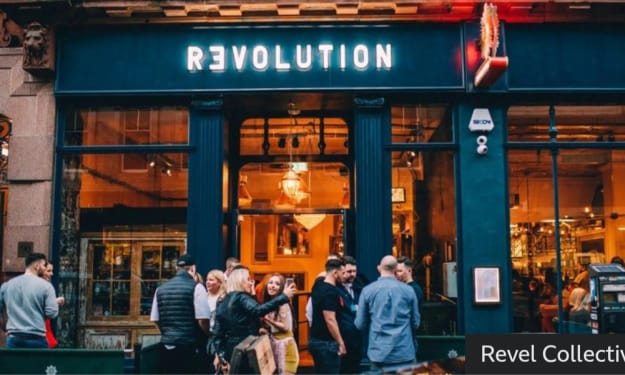
Revolution Bars to Enter Administration With 2,200 Jobs at Risk. AI-Generated.
Revolution Bars Faces Financial Strain Revolution Bars, a well-known chain of bars across the UK, has announced that it will enter administration, putting more than 2,200 jobs at risk. The company cited financial pressures, including rising operating costs, rent increases, and challenging trading conditions, as key factors behind the move.
By Aarif Lashariabout a month ago in The Swamp
Crackdown on Water Companies Ripping Up Roads After Surge in Disruption. AI-Generated.
Rising Frustration Over Roadworks Across the UK, residents and motorists have expressed growing frustration over frequent roadworks caused by water companies, which are often perceived as unnecessary or poorly coordinated. These disruptions not only create traffic chaos but also lead to damage to public roads and inconvenience for communities.
By Aarif Lashariabout a month ago in The Swamp