
Window Art in Commercial Spaces
Decoding the Deep Language of Visual Merchandising


As silent sales associates facilitating dialogue between commercial spaces and pedestrians, windows serve as visual catalysts that transform momentary pauses into consumption behaviors. To create magnetic display spaces, three cognitive dimensions must be constructed: First, deconstructing the lifestyle panorama of target customers - young environmentalists crave natural materials and minimalist aesthetics, while the affluent class expects luxurious narratives woven through metallic luster and dramatic lighting. Second, capturing hidden touchpoints along consumer decision chains, from morning commute scenarios to midnight shopping impulses. Finally, translating these insights into tangible visual symbols.

Theme construction follows the "Iceberg Principle" - visible display elements represent merely one-eighth of brand value. Christmas window displays might awaken collective memory through oxidized brass candlesticks and amber halos, while summer themes could create immersive experiences via gradient blue glass and sea salt crystal installations. When addressing abstract concepts like "technological futurism," parametric dynamic installations with cool-toned light trails materialize ideas. The visual translation of brand DNA resembles cryptographic art, requiring balance between traditional emblems and modern aesthetics.
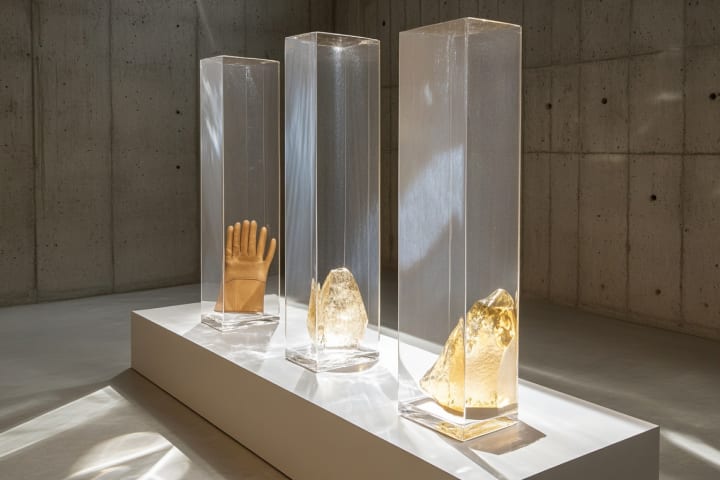
In visual mechanics, the Rule of Odds and negative space utilization form foundational grammar. The narrative tension created by three differently textured props often surpasses the rigidity of symmetrical arrangements. Lighting, as spatial sculptor, reconstructs product value dimensions: a 17-degree spotlight can elevate leather textures to museum-grade quality, while smart dimming systems enable exhibits to exhibit distinct personalities throughout diurnal cycles. Night window displays particularly require "luminescent body effects," transforming displays into urban visual anchors.
Color strategy constitutes emotional algebra. The collision of Klein Blue and Hermès Orange generates adrenaline-inducing visual excitement, while Morandi palette gradients establish soothing consumption fields. Experiments show that incorporating 10% fluorescent hues in grey backgrounds increases dwell time by 42%. However, color overload must be avoided, adhering to the "7-Second Rule" - passersby should grasp core messages within seven seconds.
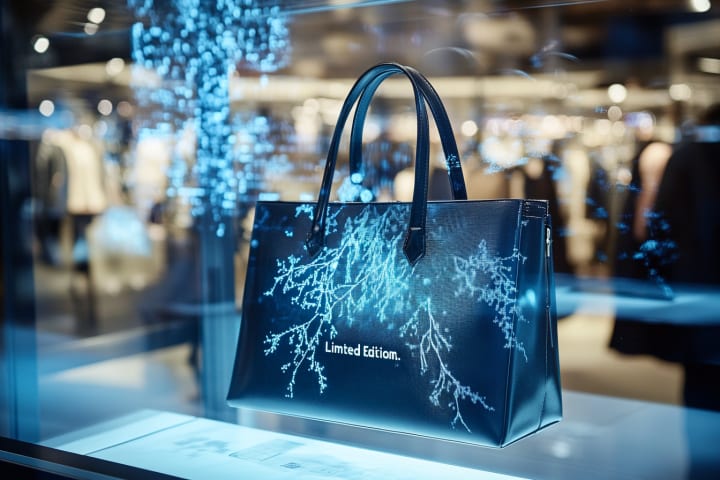
Dynamic iteration mechanisms ensure window freshness. Based on sales data and footfall heatmaps, luxury brands typically adopt "3-7-15" renewal cycles: featured items rotate within 3 days, thematic installations undergo weekly tweaks, and complete scenes reconstruct every 15 days. Smart displays with NFC chips can push e-coupons when customer gaze exceeds 8 seconds, achieving closed-loop conversion from visual capture to instant transaction.
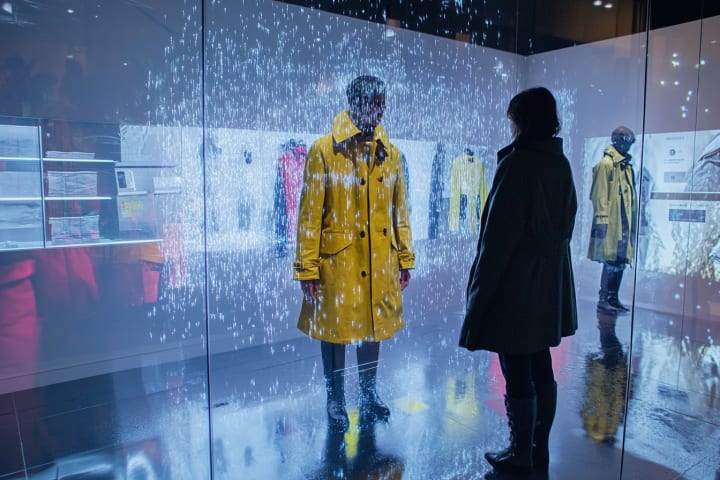
In our meta-physical era blending metaverse and reality, windows are evolving into "physical portals." AR mirrors overlay virtual accessories, pressure-sensitive floors trigger holographic shopping guides - not as technological gimmicks, but as neural touchpoints constructing brand mnemonics. When windows become interactive story portals, commercial spaces complete their metamorphosis from product displays to experiential theaters.
Contemporary window display design embodies spatial rhetoric - through material metaphors, lighting similes, and color metonymy, it constructs addictive visual narratives. Successful displays not only convey product information but also erect micro-theaters in urban jungles, transforming every passerby into engaged spectators who achieve brand value recognition through gaze and imagination.
About the Creator
Keep reading
More stories from Gimsun Creative and writers in Art and other communities.
Why Custom Keycaps Are the Secret to a Perfect Typing Experience
If you’ve ever typed on a mechanical keyboard, you know the allure: the satisfying clack of switches, the tactile feedback, the sense of control. But even among keyboard enthusiasts, there’s a quiet revolution happening—one that doesn’t involve switches, PCBs, or RGB lighting. The real game-changer? Custom keycaps.
By Gimsun Creative9 months ago in Gamers
The Best Philosophy in the World Is the One You Can Live
Ask ten philosophers what the best philosophy in the world is, and you will receive at least ten different answers—possibly delivered with footnotes, counterarguments, and mild contempt for the other nine. This disagreement is not a flaw of philosophy; it is its essence. Philosophy was never meant to be a universal prescription handed down like a rulebook. It exists to help human beings live better lives. By that standard, the best philosophy in the world is not the most elegant or complex—it is the one that can be lived.
By Fred Bradford6 days ago in Art
When the Artist Becomes the Art
We like to think we can separate the art from the artist, but can we, really? Art is born from the same place as sin. It mainly emerges from conflict: between what is felt and what is permitted, between the self that is lived and the self that must be hidden. No figure embodies this tension more vividly than Oscar Wilde: a man who transformed his own contradictions into style, wit, and devastating clarity. His novel The Picture of Dorian Gray is not merely a tale of aesthetic decadence but the battleground on which this question is fought.
By Yasmine Lagrasabout 23 hours ago in Art




Comments
There are no comments for this story
Be the first to respond and start the conversation.