
Why You Should Consider Investing in Asian Art
Asian art has emerged as a fascinating and potentially lucrative arena.

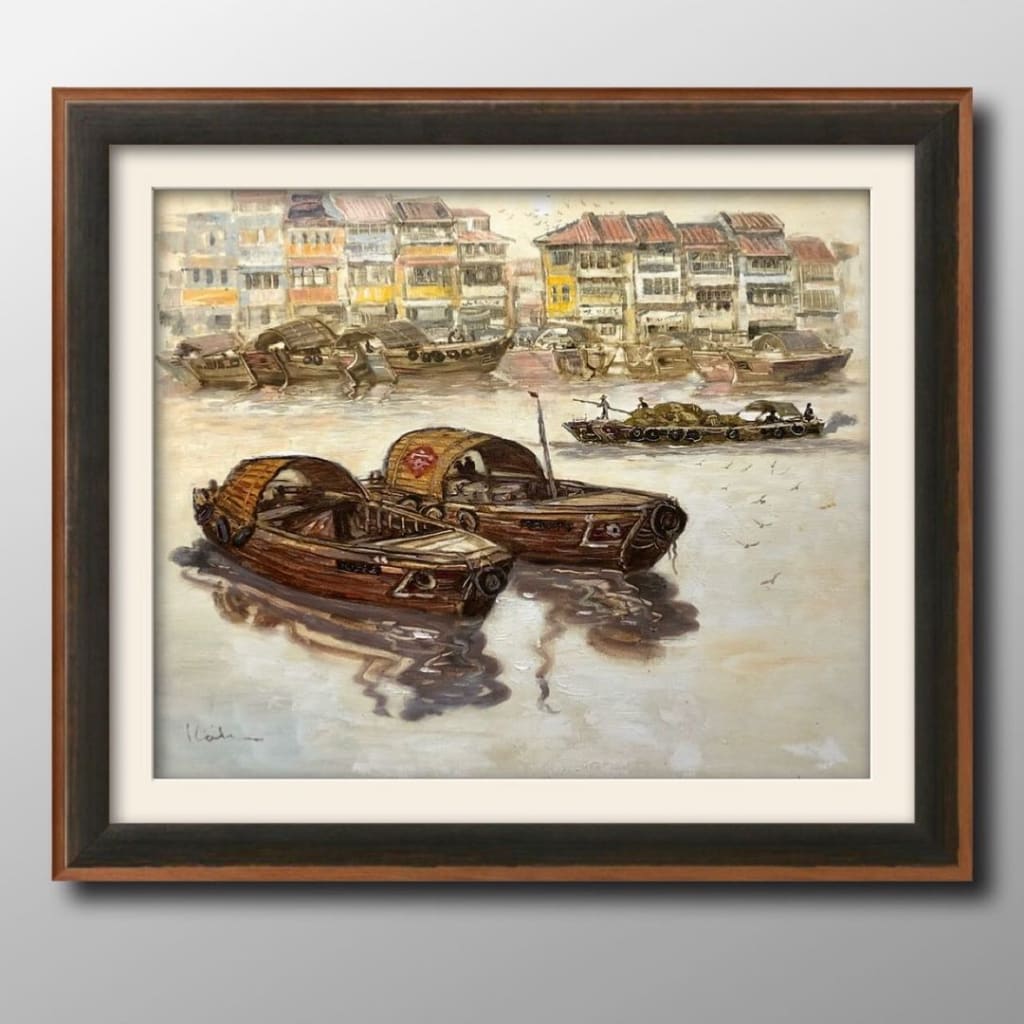
Why You Should Consider Investing in Asian Art
In the ever-evolving world of art investment, Asian art has emerged as a fascinating and potentially lucrative arena. As globalization continues to bring different cultures into closer contact, the appeal of Asian art has increased significantly. From ancient artifacts to contemporary masterpieces, Asian art offers a diverse array of opportunities for investors. This blog aims to provide a balanced view on why you should consider adding Asian art to your investment portfolio, blending factual information with engaging insights.
The Rich Tapestry of Asian Art
Asian art is not a monolithic entity but a rich tapestry of cultures, histories, and styles. From the intricate ink paintings of China to the expressive calligraphy of Japan, and from the elaborate textiles of India to the delicate ceramics of Korea, Asian art encompasses a wide variety of mediums and traditions. This diversity offers investors a broad spectrum of options to explore.
Historical Significance
One of the compelling reasons to invest in Asian art is its profound historical significance. Many Asian cultures boast a continuous artistic tradition that spans thousands of years. For instance, Chinese art includes the Terracotta Army from the Qin Dynasty, intricate jade carvings, and Ming Dynasty porcelain. Such historical artifacts not only hold immense cultural value but also appreciate over time, making them a sound investment.
Contemporary Appeal
While historical pieces are undoubtedly valuable, contemporary Asian art has also been gaining traction. Artists like Yayoi Kusama from Japan, Ai Weiwei from China, and Bharti Kher from India have garnered international acclaim. Their works are often featured in prestigious galleries and fetched impressive prices at auctions, reflecting the growing market for contemporary Asian art.
Economic Factors
Investing in Asian art is not just about cultural appreciation; it's also a financially strategic move. Several economic factors make Asian art an appealing investment option.
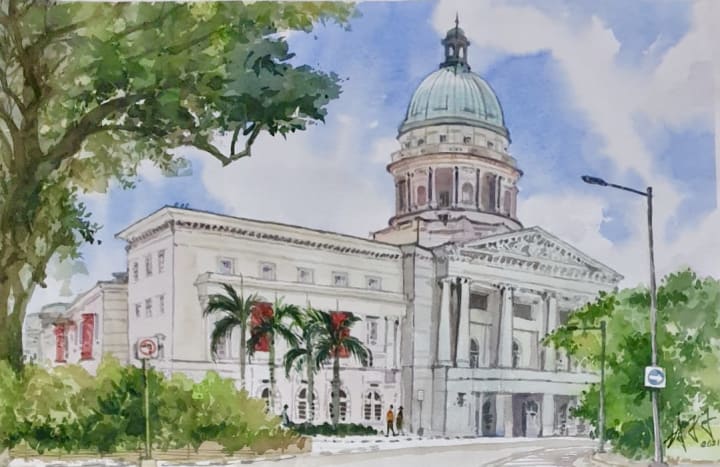
Growing Wealth in Asia
Asia has seen substantial economic growth over the past few decades, leading to an increase in disposable income and a burgeoning middle class. This newfound wealth has spurred a growing interest in art, both domestically and internationally. As more Asian collectors enter the market, the demand for Asian art pieces is likely to rise, driving up their value.
Market Expansion
Major auction houses like Christie's and Sotheby's have expanded their operations in Asia, holding regular auctions in cities like Hong Kong and Beijing. These auctions often feature Asian art, attracting global collectors and investors. The increasing presence of these auction houses in Asia is a testament to the region's growing significance in the global art market.
Cultural Resonance
Another reason to consider investing in Asian art is its cultural resonance. Art is a reflection of society, and Asian art captures the essence of some of the world's oldest and most influential cultures. Whether it's the minimalist aesthetics of Japanese Zen gardens or the opulent splendor of Indian Mughal miniatures, Asian art offers a unique window into diverse cultural narratives.
Symbolic Meanings
Many Asian art pieces are imbued with symbolic meanings and spiritual significance. For example, Chinese landscape paintings often depict mountains and rivers, which symbolize longevity and prosperity. Understanding these cultural nuances can add an extra layer of appreciation and value to your investment.
Cross-Cultural Appeal
Asian art has a universal appeal that transcends cultural boundaries. The simplicity and elegance of a Japanese tea bowl, the intricate beauty of an Indian sari, or the bold expressiveness of a Chinese ink painting can resonate with people from different cultural backgrounds. This cross-cultural appeal ensures a broader market for Asian art, enhancing its investment potential.
Diversification Benefits
Diversification is a fundamental principle of investment, and Asian art can serve as an excellent diversification tool. Unlike traditional assets like stocks and bonds, art is a tangible asset that can provide a hedge against economic volatility.
Low Correlation with Financial Markets
Art investments, including Asian art, generally have a low correlation with financial markets. This means that the value of your art collection is less likely to be affected by market downturns, providing a stable investment option in uncertain times.
Tangible Asset
Asian art, being a tangible asset, offers intrinsic value that paper assets cannot match. The physical presence of a beautifully crafted sculpture or painting can provide a sense of security and satisfaction that goes beyond monetary considerations.

Challenges and Considerations
While there are numerous compelling reasons to invest in Asian art, it's essential to approach this investment with a well-informed perspective. Here are some challenges and considerations to keep in mind.
Provenance and Authenticity
One of the significant challenges in the art world is ensuring the provenance and authenticity of a piece. This is particularly crucial in the case of historical Asian art, where forgeries and misattributed works can be a concern. Conduct thorough research and consider consulting experts to verify the authenticity of a piece before making a purchase.
Market Volatility
While art can provide a hedge against financial market volatility, the art market itself is not immune to fluctuations. Trends and tastes in art can change, affecting the value of your investment. It's essential to stay informed about market trends and be prepared for potential shifts in demand.
Preservation and Maintenance
Art requires proper preservation and maintenance to retain its value. Factors like temperature, humidity, and exposure to light can affect the condition of a piece. Ensure that you have the necessary resources and knowledge to preserve your collection adequately.
Practical Steps to Start Investing
If you're convinced of the potential benefits of investing in Asian art, here are some practical steps to get you started.
Research and Education
The first step in any investment journey is education. Read books, attend exhibitions, and follow market reports to gain a comprehensive understanding of Asian art. Familiarize yourself with different styles, artists, and historical periods to make informed decisions.
Consult Experts
Consulting experts can provide valuable insights and guidance. Art advisors, auction house specialists, and museum curators can offer expert opinions on the value and authenticity of a piece. Building relationships with these professionals can be immensely beneficial in navigating the art market.
Start Small
Like any investment, it's wise to start small and gradually expand your collection. Consider beginning with less expensive pieces to gain experience and confidence. As you become more knowledgeable, you can venture into acquiring more significant and valuable works.
Attend Auctions and Galleries
Participating in auctions and visiting galleries can provide firsthand exposure to the art market. These venues offer opportunities to see and purchase a variety of artworks, allowing you to make more informed investment decisions.
Conclusion
Investing in Asian art is a journey that combines cultural appreciation with financial strategy. The rich diversity, historical significance, and growing market make Asian art an intriguing and potentially rewarding investment option. While there are challenges and considerations to keep in mind, the benefits of diversification, cultural resonance, and economic factors make it a worthwhile endeavor.
As you embark on this investment journey, remember that art is not just about financial returns. The joy of owning a piece of history, the satisfaction of supporting contemporary artists, and the pleasure of living with beautiful objects are equally valuable rewards. Whether you're a seasoned collector or a novice investor, Asian art offers a fascinating world to explore and invest in.
About the Creator
Jack Yu
Entrepreneur and traveller.... musing frequently between Singapore and Portugal... and writing everything interesting in between.
Quote of the Day by Albert Einstein: “Try not to become a man of success, but rather try to become a man of value.”
“Why Albert Einstein’s timeless words still challenge modern ideas of success, purpose, and what truly matters.” Few figures in history have shaped human thought as profoundly as Albert Einstein. Known worldwide for revolutionising physics, Einstein was also a deep thinker on life, ethics, and human purpose. Among his many reflections, one quote continues to resonate across generations and cultures:
By Salaar Jamali2 days ago in Art




Comments
There are no comments for this story
Be the first to respond and start the conversation.