
Why You Need to Watch "Gentlemen Prefer Blondes" (1953 Movie) for Timeless Comedy and Cultural Impact
Why You Need to Watch "Gentlemen Prefer Blondes" (1953 Movie) for Timeless Comedy and Cultural Impact

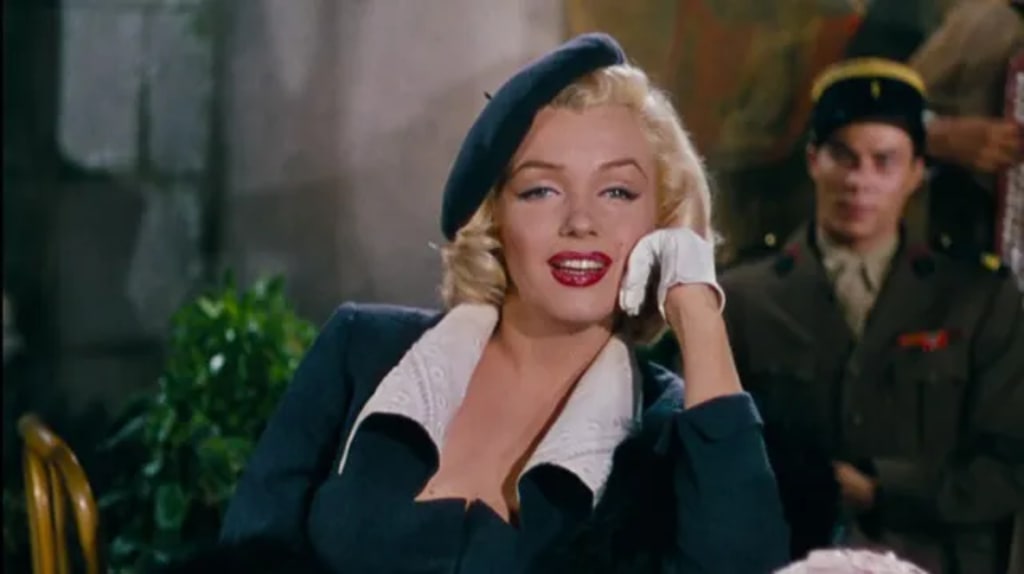
Many classic films have stood the test of time, and "Gentlemen Prefer Blondes" is no exception. Starring Marilyn Monroe and Jane Russell, this 1953 musical comedy mixes sharp wit with memorable performances. Watching this film offers a unique glimpse into the era's societal norms, gender dynamics, and the timeless appeal of its iconic characters.
The film is known for its catchy songs and glamorous visuals, which represent a significant part of Hollywood's golden age. Monroe's portrayal of Lorelei Lee and Russell's performance as Dorothy Shaw showcase not only their talents but also the dynamics of friendship and romance. This movie provides entertainment while highlighting shifting perspectives on love and ambition in the mid-20th century.
The influence of "Gentlemen Prefer Blondes" can be seen in how it shaped comedy and musical films in later years. Its famous lines and musical numbers have left a lasting imprint on popular culture, making it a must-see for any movie enthusiast. Whether for its historical significance or sheer enjoyment, this film continues to resonate with audiences today.
Cultural Impact
The cultural influence of Gentlemen Prefer Blondes extends beyond its engaging storyline and memorable performances. It has shaped fashion trends, introduced iconic catchphrases, and left a lasting impression on musical and dance styles of its time.
Fashion and Costume Design
The film's costume design, primarily by the renowned designer William Travilla, plays a pivotal role in its legacy. The striking pink dress worn by Marilyn Monroe during the "Diamonds Are a Girl's Best Friend" number remains iconic. This outfit not only defined Monroe's character, Lorelei Lee, but also influenced fashion trends for decades.
Monroe's glamorous attire set a standard for femininity and allure in the 1950s. The use of vibrant colors and luxurious fabrics in the film contributed to a shift in women's fashion, emphasizing a blend of elegance and playfulness that resonated with audiences. The film’s costumes continue to inspire designers and fashion enthusiasts today.
Dialogue and Catchphrases
Many lines from Gentlemen Prefer Blondes became ingrained in popular culture. Phrases like "Diamonds are a girl's best friend" transcended the film, becoming synonymous with luxury and femininity.
The witty, sharp dialogue provided a refreshing take on women's aspirations during an era when gender roles were more rigid. Lorelei’s unapologetic pursuit of wealth and status challenged societal norms, making her a memorable character. These catchphrases have since permeated everyday conversations, illustrating the film's enduring appeal.
Musical Score and Choreography
The musical score of Gentlemen Prefer Blondes showcases an impressive collection of songs that enhance its charm. Composed by Jule Styne, the music complements the film's comedic elements and lively performances.
Choreography, especially in the iconic "Diamonds Are a Girl's Best Friend" sequence, adds visual allure. The synchronized dance routines and vibrant staging captivated audiences, influencing musical numbers in subsequent films. This combination of music and choreography helped define the genre in the 1950s. The memorable score has continued to be celebrated in various adaptations, reflecting the film's lasting artistic impact.
Themes and Symbolism
"Gentlemen Prefer Blondes" explores key themes that reflect societal attitudes of the 1950s, particularly concerning gender roles, wealth, and romance. These elements are intertwined, offering insight into the characters and their motivations.
Gender Roles and Feminism
The film presents contrasting female archetypes through its main characters. Lorelei Lee, portrayed by Marilyn Monroe, embodies a hyper-feminine allure that captivates men. Her approach challenges traditional notions by using her beauty as a tool for empowerment.
In contrast, Dorothy Shaw, played by Jane Russell, offers a more grounded perspective. She represents a woman who values emotional connection over material wealth. Together, they illustrate the complexities of female identity, suggesting that femininity can encompass both charm and independence.
The Pursuit of Wealth
Wealth serves as a central theme, reflecting the characters' aspirations and motivations. Lorelei seeks financial stability through marriage, viewing love as intertwined with economic security. This pursuit raises questions about the authenticity of relationships based on material gain.
The film critiques the obsession with wealth while simultaneously indulging in its glamorous portrayal. Through comedic scenarios, it highlights the absurdity of materialism and poses the idea that true value lies in genuine affection, rather than financial status.
Romance and Companionship
Romance in "Gentlemen Prefer Blondes" is depicted as both a transactional and emotional experience. The interactions between Lorelei and her suitors often blend humor with moments of sincerity, highlighting the characters’ differing views on love.
While Lorelei seeks affluent partners, Dorothy’s relationship emphasizes companionship and emotional bonds. This dynamic reveals the spectrum of romantic motivations, suggesting that companionship can provide fulfillment beyond financial interests. The film artfully navigates these themes, presenting romance as multi-faceted and complex.
Iconic Performances
The standout performances in Gentlemen Prefer Blondes significantly contribute to the film's charm and lasting appeal. Marilyn Monroe and Jane Russell each bring unique qualities to their roles, creating memorable characters that resonate with audiences.
Marilyn Monroe's Lorelei Lee
Marilyn Monroe portrays Lorelei Lee, a gold-digging showgirl whose allure captivates both men and viewers alike. Monroe's performance is marked by her iconic blend of innocence and seduction, particularly evident in her rendition of "Diamonds Are a Girl’s Best Friend."
Her comic timing and delivery enhance the character's playful yet cunning nature. Lorelei’s playful interactions with men reveal her strategic approach to romance, showcasing Monroe’s ability to balance humor and allure.
The character’s vibrant personality is highlighted through Monroe’s expressive facial expressions and body language, making Lorelei Lee an unforgettable figure in film history.
Jane Russell's Dorothy Shaw
Jane Russell takes on the role of Dorothy Shaw, Lorelei's loyal friend, and a pragmatic counterpart to Monroe's character. Russell's performance brings a grounded energy to the film, often using sharp wit to navigate various social situations.
Her strong presence is evident in scenes that showcase her vocal talents, particularly in the song "Ain't There Anyone Here for Love?" In these moments, Russell exhibits powerful charisma, emphasizing her capability as a performer.
The dynamic between Russell and Monroe is a key element of the film. Dorothy's protective nature and practical mindset create a balanced duo, making their friendship engaging and relatable.
Critical Reception and Legacy
Upon its release in 1953, Gentlemen Prefer Blondes received positive reviews from critics. Its blend of comedy, musical numbers, and strong performances resonated with audiences. The film showcased Marilyn Monroe’s iconic role as Lorelei Lee, which she portrayed with charm and wit.
The film was praised for its vibrant cinematography and catchy songs. Notable numbers like "Diamonds Are a Girl's Best Friend" became cultural touchstones. Critics highlighted the performances of Monroe and Jane Russell as a key strength, emphasizing their on-screen chemistry.
In the years since its release, Gentlemen Prefer Blondes has maintained a significant place in popular culture. It has been referenced in numerous other works, demonstrating its lasting influence. The film is often cited as a classic example of 1950s Hollywood musicals.
The American Film Institute recognized it as one of the best American comedies. It continues to be studied in film classes and remains a beloved favorite among audiences.
The film's ( the full version is here ) legacy is marked by its exploration of gender roles and social norms of its time. It reflects a blend of innocence and ambition that resonates with modern viewers.
About the Creator
oussama achouri
I am Oussama, a passionate video editor with extensive experience , my website called quick net tools
Keep reading
More stories from oussama achouri and writers in Art and other communities.
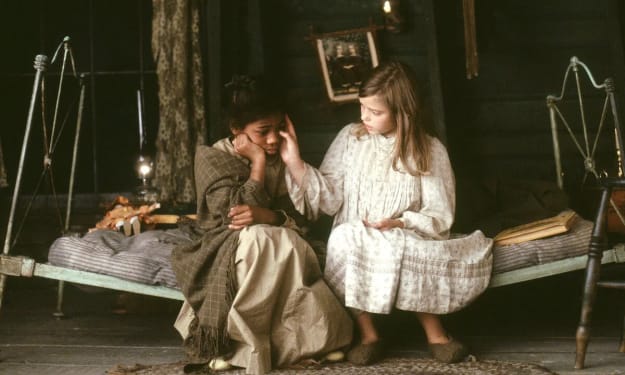
Full Review of The Little Princess 1995 Movie: A Comprehensive Analysis of Themes and Performances
The 1995 adaptation of "A Little Princess," directed by Alfonso Cuarón, offers a visually captivating and emotionally resonant retelling of Frances Hodgson Burnett's classic novel. Through the story of Sara Crewe, a young girl whose life takes a dramatic turn, viewers experience themes of resilience, kindness, and imagination. This film stands out for its rich cinematography, strong performances, and a heartfelt message that resonates with audiences of all ages.
By oussama achouri2 years ago in Art
'Till Death We Do Art
There would be nothing divine in this world without art. Nature may surpass the divine to all intents and purposes, but like everything it absorbs and is absorbed by, it remains here, stuck on the surface of this world, ever-present, physically bound to the universe.
By Avocado Nunzella BSc (Psych) -- M.A.P 28 days ago in Art
Where Courage Meets the Sunrise
In a small village called Alara, nestled between rolling hills and vast fields, the sun rose each day bringing light to the world. But today was different. Today was the day of the Great Awakening, when the villagers learned of new depths of courage within themselves.
By Hamad Afridi 3 days ago in Art



Comments (1)
Excellent review