
Full Review of The Little Princess 1995 Movie: A Comprehensive Analysis of Themes and Performances
Full Review of The Little Princess 1995 Movie: A Comprehensive Analysis of Themes and Performances

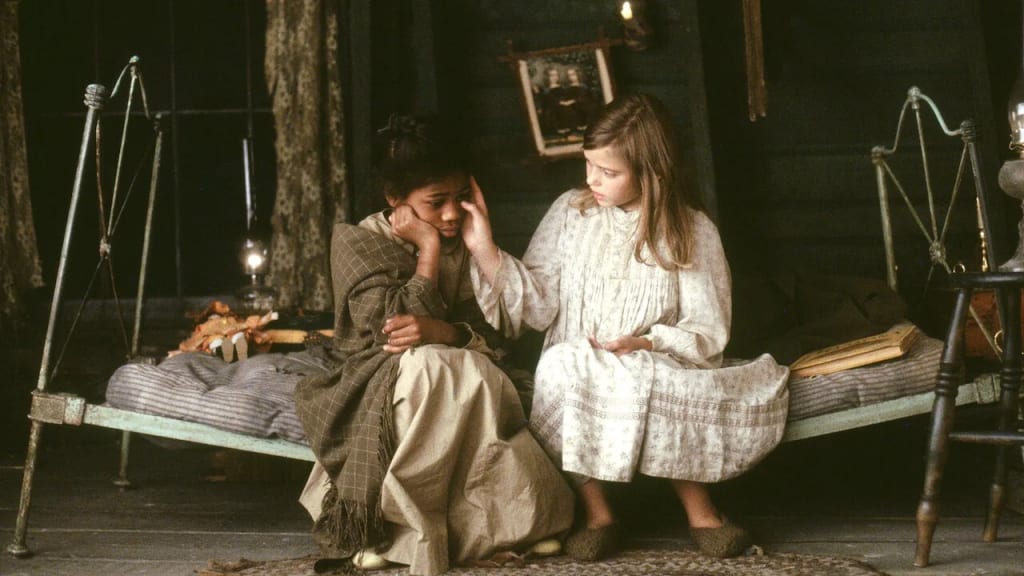
The 1995 adaptation of "A Little Princess," directed by Alfonso Cuarón, offers a visually captivating and emotionally resonant retelling of Frances Hodgson Burnett's classic novel. Through the story of Sara Crewe, a young girl whose life takes a dramatic turn, viewers experience themes of resilience, kindness, and imagination. This film stands out for its rich cinematography, strong performances, and a heartfelt message that resonates with audiences of all ages.
Sara's journey from privileged to impoverished captures the essence of childhood innocence amid adversity. The film artfully combines elements of fantasy and harsh reality, allowing the audience to engage deeply with Sara’s internal struggles and triumphs. The enchanting score and detailed production design transport viewers into Sara's world, making it a memorable cinematic experience that lasts long after the credits roll.
In examining the film’s achievements, it is evident that "A Little Princess" not only retains the spirit of the original story but also enhances it through its artistic vision. Each character, from the benevolent to the villainous, plays a crucial role in shaping Sara's narrative, making this adaptation both a heartwarming and thought-provoking watch.
Historical Context and Production
The production of "A Little Princess" (1995) reflected significant cultural and artistic influences from the time, rooted in the original novel. The film's adaptation and production design contribute to its enduring appeal and historical relevance.
Novel Origins and Adaptation
The film is based on Frances Hodgson Burnett’s 1905 novel, "A Little Princess." The story revolves around Sara Crewe, a young girl who maintains her dignity in adversity. The novel's themes of resilience and imagination were inspirational for the filmmakers, emphasizing the importance of kindness.
This adaptation modernized certain elements while retaining the core narrative. The screenplay, developed by Richard LaGravenese, balances period detail with contemporary sensibilities. This approach made the story accessible to a new generation while honoring its literary roots.
Production Design and Filming Locations
Production design played a crucial role in creating the film's enchanting atmosphere. The filmmakers chose to bring the story to life in various locations, including Vancouver and London. These sites provided the historical authenticity needed to reflect the early 20th century setting effectively.
The set designs emphasized the contrast between Sara's opulent life at Miss Minchin's Seminary and her subsequent hardships. Detailed craftsmanship in the interiors showcased vintage aesthetics. The filming style utilized warm colors and soft lighting to evoke a sense of nostalgia and wonder, enhancing the overall narrative.
Plot Synopsis
note : full movie here in ishahid
The narrative of "A Little Princess" intertwines themes of resilience, imagination, and class disparity as it follows the life of a young girl facing hardship. Key plot points, character journeys, and the climactic resolution form the backbone of this emotional story.
Main Plot Points
Sara Crewe, a privileged young girl, is sent to Miss Minchin's boarding school in London while her father goes off to fight in World War I. Initially adored for her wealth and charm, Sara's life dramatically changes when her father dies, leaving her impoverished and at the mercy of Miss Minchin's cruelty. She is demoted to maid status, forced to work and live in a cold attic. Despite her circumstances, Sara relies on her vivid imagination and kindness to navigate her struggles.
Sara befriends other girls at the school, notably Amanda and Ermengarde, creating a small community. She shares captivating stories that uplift her friends while maintaining her dignity. The contrast between her spirit and Miss Minchin’s ruthless behavior highlights societal issues, exploring both compassion and abuse of power. The key plot threads culminate in Sara's resilience, emphasizing the theme that one’s circumstances do not dictate their worth.
Character Development
Sara's character evolves significantly throughout the film. Initially innocent and sheltered, she faces harsh realities that test her spirit. Despite her fall from grace, she remains generous and compassionate. This unwavering kindness influences those around her, especially her fellow students and the school staff.
Miss Minchin serves as the antagonist, embodying the darker aspects of authority. Her character reflects societal norms regarding class and gender, and as she attempts to belittle Sara, Sara’s perseverance becomes a form of resistance against her. The contrasting trajectories of Sara and Miss Minchin underscore themes of empathy versus cruelty.
Additionally, secondary characters like Becky, the servant girl, and Lottie, a fellow student, also experience growth through their interactions with Sara. They learn to believe in the possibility of happiness despite their situations. This development enriches the overall narrative and reinforces the importance of friendship and support.
Climax and Resolution
The climax occurs when Sara’s fortunes dramatically shift after a series of fortunate events. A kind-hearted bachelor, Captain Crewe’s old friend, discovers Sara's true identity and situation. This revelation leads to a significant change in her life, symbolizing hope and culmination of her struggles.
The resolution illustrates Sara’s transformation from a maid back to a princess, symbolically restoring her dignity and joy. The film ends on a positive note as she is reunited with her friend Becky, showcasing the power of resilience and hope. This resolution emphasizes the idea that compassion and inner strength can prevail against adversity.
Critical Reception
The critical reception of A Little Princess (1995) varied at the time of its release but established a significant legacy over the years. Critics praised its visuals and emotional depth while also focusing on its themes of resilience and imagination.
Initial Critical Response
Upon its release, A Little Princess received a mixed to positive response from critics. Many highlighted the film's lush cinematography and production design, noting how they brought the storybook world to life. Roger Ebert awarded the film three out of four stars, appreciating its heartfelt storytelling and messaging.
Some critics expressed concerns about pacing and characterization, feeling that certain elements of the plot were drawn out. Despite these criticisms, the film secured a positive rating on platforms like Rotten Tomatoes, reflecting its appeal to audiences and many film reviewers alike.
Long-Term Legacy
Over time, the film has gained recognition as a beloved family classic. Viewers frequently highlight its themes of hope, kindness, and resilience, resonating with generations.
The film's lasting impact is evident in its continued screenings and discussions in educational settings, illustrating its relevance. Various adaptations, including stage productions, have further solidified its place in popular culture. Critics now view it as a significant entry in director Alfonso Cuarón's filmography, noting its contribution to the genre of children's cinema.
Cinematic Techniques and Score
The film employs distinct cinematic techniques and a powerful musical score that enhance the emotional depth of the story. These elements work together to create a rich viewing experience that resonates with audiences.
Direction and Cinematography
Mark Waters directed "A Little Princess," bringing a unique visual style to the adaptation of Frances Hodgson Burnett’s story. The cinematography by Roger Pratt effectively contrasts the bright, imaginative world of Sara Crewe with the darker realities she faces.
Use of lighting plays a significant role; warm, soft lights convey comfort during joyful moments, while harsher lighting emphasizes loneliness. The framing often centers on Sara, drawing attention to her emotional journey. Additionally, close-ups capture the nuances of the characters’ expressions, adding depth to their interactions.
Musical Score and Soundtrack
The musical score, composed by George Fenton, is integral to the film’s emotional landscape. It features lush orchestral arrangements that underscore pivotal moments, enhancing the narrative's emotional resonance.
Key themes are introduced early, allowing them to evolve with the characters. Specific tracks, such as the central theme, are tied to Sara's character, reflecting her hope and resilience.
The soundtrack also includes various songs that reinforce the film’s themes, creating a cohesive auditory experience. Sound design is thoughtfully integrated, heightening tension in dramatic scenes and complementing the visual storytelling.
About the Creator
oussama achouri
I am Oussama, a passionate video editor with extensive experience , my website called quick net tools
Keep reading
More stories from oussama achouri and writers in Art and other communities.
Is Airplane 1980 Movie Good as They Say? A Critical Review
The 1980 film "Airplane!" is regarded as a classic in the comedy genre. It holds up as a hilarious and intelligent parody that continues to entertain audiences today. With its sharp wit and memorable one-liners, the film successfully blends absurd humor with a clever take on the disaster movie trope.
By oussama achouriabout a year ago in Art
21 Freelancing Tips to Build a Successful Career (From Someone Who Actually Did It)
TL;DR version (60 seconds read time) + Paypal receipt at the end of the blog. I’ve made thousands of dollars with freelancing. See screenshots at the end of the post. Everything I say to you, I’ve tested it first on myself.
By Dena Falken Esqabout 18 hours ago in Art
Impressive Artwork by Odilon Redon
French symbolist artist Odilon Redon was famous for his drawings in the 1880s. The artist’s artworks were mentioned in the popular 1884 novel “A Rebours,” or “Against the Grain,” by Joris-Karl Hysmans. His later artworks were created in oils and pastels. He developed an interest in Hinduism and Buddhism, and this interest in mysticism is reflected in his works of art.
By Rasma Raisters7 days ago in Art



Comments (2)
Nice review
Excellent piece