
Why the Fear 1996 Is So Good: An In-Depth Analysis of Its Impact and Excellence
Why the Fear 1996 Is So Good: An In-Depth Analysis of Its Impact and Excellence

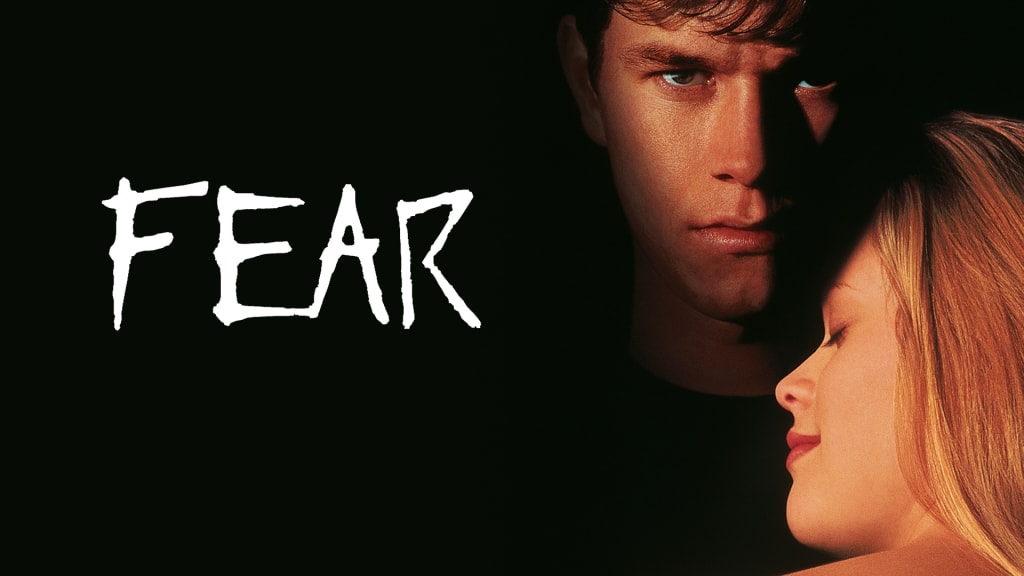
"Fear" (1996) stands out as a gripping thriller that effectively captures the complexities of obsession and manipulation. At its core, the film excels due to its nuanced performances, particularly by Mark Wahlberg and Reese Witherspoon, who embody the tension between safety and danger. This dynamic draws viewers into a storyline that explores the intricacies of relationships, trust, and the darker sides of love.
The movie’s ability to intertwine suspense with emotional stakes sets it apart from typical thrillers of its time. With its compelling narrative and well-crafted characters, "Fear" keeps audiences engaged from beginning to end. The skillful direction and atmospheric cinematography enhance the chilling experience, making it not just a film to watch, but one to feel deeply.
Through its exploration of fear as both a personal and relational force, "Fear" resonates with audiences and leaves a lasting impression. By portraying the fine line between affection and danger, it establishes a psychological depth that elevates it beyond mere entertainment.
Cultural Impact
"Fear" (1996) serves as an important cultural artifact that captures the anxieties of its time and influences the horror genre. It reflects societal fears and has left a lasting mark on subsequent films.
Reflection of 1990s Anxiety
The 1990s was a period marked by a rise in societal anxieties, particularly regarding issues of safety and trust. "Fear" embodies these concerns through its portrayal of obsession and the dangers of unchecked relationships.
Characters face intense situations that resonate with viewers who were increasingly worried about personal safety. The film encapsulates the era's struggle with blended notions of love and danger, illustrating how relationships could go awry.
This reflection of real-world fears makes the film relatable, as it taps into the audience's general unease about intimacy and trust. The narrative draws a stark line between passion and peril, a significant theme for the decade.
Influence on Horror Genre
"Fear" has significantly influenced the horror genre by incorporating psychological elements and real-world scenarios. Unlike traditional horror films that often rely on supernatural themes, this film uses human psychology as its primary source of terror.
The portrayal of a seemingly perfect relationship devolving into control and violence has inspired numerous filmmakers. It paved the way for other psychological thrillers that explore similar themes of obsession, manipulation, and fear.
Moreover, the film's success demonstrated the viability of blending horror with romance, establishing a new sub-genre. Its impact is visible in modern films that share its thematic elements, illustrating its lasting significance within horror cinema.
Technical Mastery
The technical execution in "Fear" (1996) showcases remarkable skill in both cinematography and sound design. Each element combines to create an immersive and unsettling atmosphere, enhancing the film's intense narrative.
Innovative Cinematography
The cinematography in "Fear" is a critical aspect of its success. The use of lighting is particularly effective, creating stark contrasts that heighten tension. Shadows often engulf characters, symbolizing their hidden fears and emotions.
Camera angles add complexity to the viewing experience. For instance, low-angle shots establish a sense of power and intimidation, particularly during confrontational scenes. The handheld camera work adds a layer of realism, making viewers feel as if they are part of the unfolding drama.
Color palettes play a significant role, with muted tones conveying a sense of dread. This thoughtful approach to visuals keeps the audience on edge and emphasizes the psychological depth of the narrative.
Sound Design and Score
Sound design in "Fear" complements the visual storytelling effectively. A layered soundscape incorporates ambient noises that amplify the film's tension. Moments of silence are strategically placed, making sudden sounds even more jarring.
The score, composed with a mix of orchestral elements and unsettling synthesizers, enhances the emotional impact of key scenes. Music cues often align with character arcs, reinforcing themes of obsession and danger.
Use of diegetic sounds, such as heavy breathing or distant screams, immerses the audience further. This attention to auditory detail makes the film's most intense moments resonate powerfully. Together, sound design and score elevate the psychological experience, drawing viewers deeper into the film's chilling world.
Character Development and Performances
The depth of character development and the quality of performances in Fear (1996) ( you can watch the movie here ) contribute significantly to its impact. The film showcases intricate personalities and compelling portrayals that elevate the narrative.
Complex Protagonist
The protagonist, Nicole Walker, played by Reese Witherspoon, presents a multi-dimensional character. Initially depicted as an innocent teenager, her relationships and decisions reveal her underlying strength and vulnerability. This complexity makes her journey relatable and engaging.
Nicole’s experiences with David, portrayed by Mark Wahlberg, expose her growth and resilience. As she navigates the dangers of infatuation and deception, her character evolves, showcasing a mix of confidence, fear, and determination. This nuanced portrayal adds depth to the story, keeping audiences invested in her fate.
Supporting Cast Nuances
The supporting characters play a crucial role in enhancing the film’s emotional resonance. David’s character, marked by charm and menace, creates a compelling dynamic. Wahlberg’s performance oscillates between normalcy and volatility, making his threat more palpable.
Nicole's parents, particularly her father, serve as a contrast to her turbulent experiences. Their responses to her choices shape her character further. They embody parental concern, which adds layers to the narrative, highlighting the complexities of teenage life.
Each supporting character brings unique perspectives, enriching the storyline. Their interactions contribute to the overall tension and draw viewers into the emotional landscape of the film.
About the Creator
oussama achouri
I am Oussama, a passionate video editor with extensive experience , my website called quick net tools
Reader insights
Nice work
Very well written. Keep up the good work!
Top insights
Easy to read and follow
Well-structured & engaging content
On-point and relevant
Writing reflected the title & theme
Keep reading
More stories from oussama achouri and writers in Art and other communities.
Is Effie Gray 2014 the Movie Worth Watching? A Critical Overview
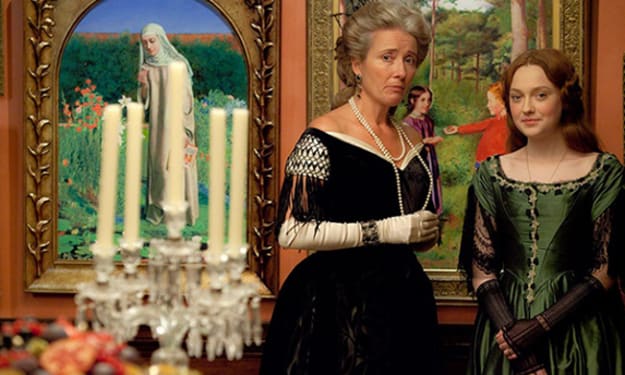
Effie Gray (2014) presents a unique blend of historical drama and biographical storytelling centered on the real-life figure of Effie Gray and her tumultuous marriage to art critic John Ruskin. The film not only explores the complexities of their relationship but also delves into the constraints faced by women in the Victorian era. For viewers interested in rich period narratives and intricate character studies, Effie Gray is undoubtedly worth watching.
By oussama achouriabout a year ago in Art
Dog Shoes for Small Dogs and Puppy Shoes A Practical, Paw-Friendly Guide
Small dogs and puppies may look tough, but their paws often need more protection than people realize. Their bodies are lighter, their paws are smaller, and many of them spend a lot of time on surfaces that were never designed for delicate paw pads. Add cold sidewalks, hot pavement, rough gravel, wet grass, or even slippery indoor floors, and you start to see why dog footwear has become more than just a cute trend.
By aliyashahzadi2 days ago in Art



Comments (1)
Excellent review