
Is Effie Gray 2014 the Movie Worth Watching? A Critical Overview
Is Effie Gray 2014 the Movie Worth Watching? A Critical Overview

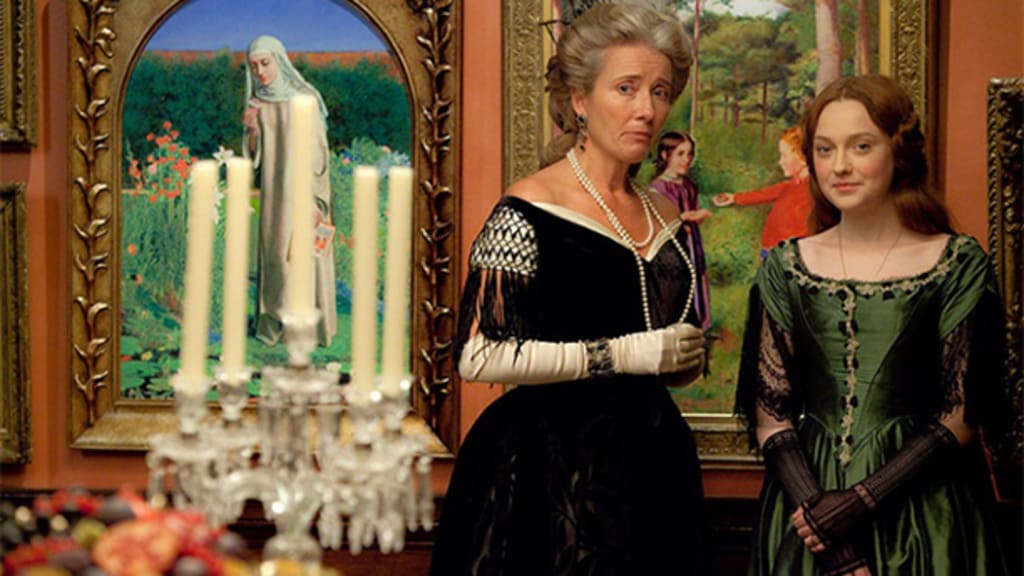
Effie Gray (2014) presents a unique blend of historical drama and biographical storytelling centered on the real-life figure of Effie Gray and her tumultuous marriage to art critic John Ruskin. The film not only explores the complexities of their relationship but also delves into the constraints faced by women in the Victorian era. For viewers interested in rich period narratives and intricate character studies, Effie Gray is undoubtedly worth watching.
With a strong performance from Dakota Fanning as Effie and solid direction from Richard Laxton, the film captures the emotional landscapes of its characters. It offers insights into themes of love, artistic ambition, and societal expectations, making it both a thought-provoking experience and an engaging story. The cinematography and attention to period detail further enhance its appeal, drawing the audience into the emotional and physical settings of the time.
Though some viewers might seek a faster-paced narrative, Effie Gray compensates with depth and nuanced performances. The film invites discussions about love, independence, and the pursuit of personal happiness, which remain relevant today. It stands as a testament to the timeless struggle for agency within the confines of societal norms.
Overview of 'Effie Gray'
"Effie Gray" explores the complexities of marriage, art, and social conventions in the Victorian era, focusing on the life of Effie Gray McNeill. This film depicts her struggles and relationships with prominent figures, creating a poignant narrative about her silent suffering and search for identity.
Plot Summary
The film follows Effie Gray, who marries the famed art critic John Ruskin. Initially enamored, she soon faces challenges in her marriage, particularly due to Ruskin’s inability to consummate their union. The narrative deepens as Effie seeks solace and companionship with the Pre-Raphaelite painter, John Everett Millais.
As Effie's dissatisfaction grows, the story reveals her courage to seek happiness. Through vivid imagery and period-specific detail, the film captures her emotional journey and highlights the constraints imposed by society. Effie's eventual decision to pursue love and autonomy shapes the tale, making it a compelling watch for viewers interested in historical dramas.
Cast and Characters
Dakota Fanning plays Effie Gray, delivering a nuanced performance that captures her character's inner turmoil. Effie's emotional evolution forms the film's heart.
Tom Sturridge portrays John Ruskin, illustrating the complexities of his character's artistic passions and personal shortcomings.
Greg Wise takes on the role of John Everett Millais, embodying the charm and devotion that draws Effie to him. The dynamics between these three characters drive the narrative, showcasing creativity, societal constraints, and emotional struggles.
The film boasts a strong supporting cast that enriches the overall experience, each character contributing to the intricate web of relationships. This blend of strong performances and layered storytelling enhances the film's historical authenticity.
Critical Reception
The critical response to "Effie Gray" (2014) varied significantly across different platforms. Professional reviews highlighted notable aspects of the film, while audience reactions presented a broader spectrum of opinions.
Professional Reviews
Critics offered mixed reviews for "Effie Gray." Some praised the film for its historical accuracy and stunning cinematography, highlighting the performance of Dakota Fanning as Effie. They noted the detailed representation of 19th-century England and the exploration of women's roles during that era.
Other reviewers criticized the pacing and narrative structure, suggesting that the film often felt slow and lacked emotional depth. A few prominent outlets described the script as lacking tension, which affected the overall engagement for some viewers.
Audience Response
Audience reactions to "Effie Gray" were diverse. Some viewers appreciated the film's emphasis on strong female characters and the depiction of personal struggles against societal constraints. They found the performances compelling and the story relevant, resonating with contemporary discussions on marriage and identity.
Conversely, others expressed disappointment, citing a lack of excitement and a dragging storyline. Social media responses reflected this divide, with a mix of admiration for its aesthetic qualities and criticism regarding its entertainment value. The film sparked conversations about its themes, which ultimately contributed to its varied reception.
Historical Context and Accuracy
"Effie Gray" is set in the Victorian era, focusing on the life of Effie Gray and her tumultuous marriage to the renowned art critic John Ruskin. The film portrays the societal constraints faced by women during this period.
The narrative delves into the complexities of marriage, sexuality, and artistic expression in 19th-century England.
Historical Figures Featured
Effie Gray: Central character, her life reflects the challenges women faced.
John Ruskin: Influential art critic whose career and reputation are significant to the story.
Pre-Raphaelite Brotherhood: Their art and influence are depicted, showcasing the cultural landscape.
The film stays true to certain historical details while dramatizing romantic elements. Some creative liberties were taken for narrative purposes.
Accuracy of Events
The marriage between Gray and Ruskin, as well as her subsequent relationship with artist Millais, is rooted in historical records. Key events such as the annulment of Gray's marriage are depicted, though specific dialogues and interactions are fictionalized for cinematic effect.
The visual representation of the period, including costumes and settings, aims for authenticity, contributing to the film's immersive experience.
Cinematography and Art Direction
The cinematography of Effie Gray (2014) effectively captures the period's aesthetics. The use of natural light and soft color palettes enhances the emotional tone of the narrative.
Key Aspects of Cinematography:
Lighting: The film employs a warm, diffused light that creates intimacy in scenes. This approach highlights the characters' emotions.
Framing: Careful framing draws attention to characters, reflecting their internal struggles. Close-ups are used strategically to convey complexity.
Art direction plays a significant role in immersing viewers in Victorian England. The attention to detail in costumes and settings reinforces the historical accuracy.
Art Direction Highlights:
Set Design: Interiors are richly detailed, showcasing period-appropriate elements like wallpaper and furnishings. This authenticity adds depth to the story.
Costume Design: Costumes are meticulously crafted to reflect class distinctions and character development. Each outfit tells a story about the character's status and personality.
The collaboration between cinematography and art direction creates a visually compelling experience. It transports the audience into Effie Gray's world, enhancing the film's narrative.
About the Creator
oussama achouri
I am Oussama, a passionate video editor with extensive experience , my website called quick net tools
Keep reading
More stories from oussama achouri and writers in Art and other communities.
Movie The Loft 2014 Review: An Insightful Analysis of Its Plot and Performances
"The Loft," released in 2014, offers a suspenseful twist on the themes of fidelity and betrayal. This film revolves around five friends who share a secret apartment, only to discover that secrets can lead to deadly consequences. The gripping storyline keeps viewers engaged, raising questions about loyalty and the morality of their choices.
By oussama achouri2 years ago in Art
'Till Death We Do Art
There would be nothing divine in this world without art. Nature may surpass the divine to all intents and purposes, but like everything it absorbs and is absorbed by, it remains here, stuck on the surface of this world, ever-present, physically bound to the universe.
By Avocado Nunzella BSc (Psych) -- M.A.P 27 days ago in Art
Essential Traditional Performance Arts Around the World for Curious Travelers
Traditional performance arts are powerful cultural expressions that connect communities to their history and identity. Through dance, music, theater, and ceremonial storytelling, societies share values, beliefs, and experiences that have shaped their heritage. These performances often combine artistic creativity with historical traditions preserved across generations.
By Producer James Simon5 days ago in Art




Comments (4)
I liked your review. I personally enjoyed the acting more than the story in this movie. The movie seemed to lag at times, promoting a lack of interest.
Liked it very much
Thanks for sharing
Excellent review