
Why Collectors Are Treating Fingerboards Like Art Pieces (and Not Just Toys)
How tiny skateboards rolled from playful toys into collectible works of art.


When most people hear the term fingerboard for the first time, they typically imagine a small skateboard toy shoved in a child's backpack. It is diminutive, easily worn between two fingers, and has been the target of countless desk tricks during long, dull school days. Fingerboards remind many of childhood trends—plastic ramps, clanging wheels, and a brief distraction before studying.
But. In the last few years, something amazing has occurred. Fingerboards have transcended as simple toys and entered a whole new field: collectible art. What used to be a niche recreation has turned into a subculture in which tiny skateboards are revered in the same manner as designer shoes, limited release vinyl figures, and even contemporary art prints.
So, why are fingerboards now being regarded as works of art, and what's driving this change in thinking? Let's look closer.
The Evolution of Fingerboarding
Fingerboarding started in the 1980s as a recreational side activity for skateboarders. They were primitive initially—homemade, sometimes from cardboard or pieces of wood. And then came the 1990s boom when the likes of Tech Deck made fingerboards mass-consumption products. It was a way for children to replicate skate culture in toy format, with ramps, rails, and stickers.
Leap forward to the present day, and the picture is now very different. Independent brands are now making professional-quality fingerboards with real wood decks, precision trucks, and urethane wheels. Rather than being mass-produced in toy factories, most fingerboards are made in small quantities by hand. This move towards craftsmanship has welcomed collectors who look at each board as something more than a toy—they look at it as art.
Craftsmanship Meets Creativity
What makes these small boards so collectible is the amount of detail that goes into producing them. Professional fingerboards duplicate their full-size counterparts not just in functionality but in artistry as well.
Decks are made from stacks of maple or exotic hardwoods, usually with strange shapes and concaves.
Graphics vary from simple patterns to intricate, hand-painted works. Some feature partnerships with notable street artists and illustrators.
Trucks and wheels are engineered with the same precision you’d expect in professional skate gear, scaled down to fit in the palm of your hand.
For collectors, this attention to detail transforms a fingerboard into a miniature canvas. Each piece tells a story, blending skateboarding’s rebellious spirit with artistic innovation. Much like limited-edition sneakers or art prints, once a design is gone, it’s gone. That scarcity makes them highly desirable.
Fingerboards as Streetwear for Your Workspace
To put into perspective why fingerboards are now being treated as art, consider sneaker culture. Sneakers are not merely footwear anymore; they're wearable art that signifies identity, community, and creativity. Fingerboards are doing the same thing.
Collectors don't merely purchase fingerboards to skate them—rather, they put them on display on shelves, snap them for social media, and sell them within close-knit groups. An elusive fingerboard graphic can generate the same hype as a new drop from Supreme or Nike.
Indeed, some fingerboard companies specifically take cues from streetwear drop culture. They put out minute, time-sensitive quantities, frequently in partnership with visual artists, tattoo artists, or graffiti artists. This is where the borders between skate culture, toy culture, and modern art begin to blur.
The Community Behind the Movement
The other reason why fingerboards are becoming works of art is due to the community around them. Fingerboard culture is not based on mass-market toys, as it runs on DIY energy.
Numerous collectors are also artists—they create graphics, craft bespoke decks, or construct ramps in the form of tiny skateparks. Instagram, TikTok, and YouTube have created a new generation of fingerboard creators who share their work with an international following. Some go on to monetize their pastime by selling bespoke boards to enthusiasts who view them as commodities.
What's amazing is how welcoming this culture is. You don't have to be a pro skater or an art lover to enjoy fingerboards. All you require is curiosity, imagination, and perhaps some shelf space for your expanding collection.
Fingerboarding as Functional Art
Here's the cool part: fingerboards are not mere static collectibles. Unlike a vinyl figurine that remains untouched, fingerboards can still be used. You can indeed play with them, do tricks, and experience the miniature wheels rolling beneath your fingers.
This double life—to be an art object, yet also a functional tool—is what distinguishes fingerboards. They're play sculptures, combining form and function in a way that few other collectibles do. You can own one and enjoy it as art, but also use it in a touchy-feely, interactive manner.
A Growing Market for Miniature Masterpieces
With the growth in culture comes the growth in market. Certain limited-release fingerboards resell for considerably higher than their original price, mirroring sneaker and toy collecting dynamics. Artists are starting to take notice of fingerboards as another medium for their craft, leveraging them as a new venue to gain exposure and test out new ideas.
Collectors, on the other hand, regard them as an investment—emotional and fiscal. A shelf full of special fingerboards isn't a collection of toys; it's a tastefully compiled assortment that showcases the owner's personality, interests, and sense of art appreciation.
The Future: Is It More Than Just a Fad?
Skeptics might view it as a fleeting fad, but the history of fingerboarding indicates that it is not. From being a toy, it has become a worldwide subculture with genuine staying power. With more artists and designers working with fingerboard companies, and more collectors appreciating its worth, fingerboards might establish themselves in the wider world of contemporary collectibles.
Who knows? A few decades later, the fingerboard you purchased today could be proudly on display in a museum exhibit on 21st-century street culture.
Final Thoughts
Fingerboards may be tiny, but their cultural footprint is becoming larger by the day. What was once a mere pocket-sized plaything has evolved into an emblem of creativity, artisanal skill, and collectibility. Whether you view them as teeny skateboards, art canvases, or top-of-the-desk sculptures, one thing is certain: fingerboards have rolled well past the toy section and right into the realm of art.
So the next time you notice a fingerboard on someones shelf, don't turn it into a child's plaything. Take a closer look—you may be looking at a piece of art.
About the Creator
XFlippro
XFlippro is an advance product brand that launches professional graphic fingerboards, fingerboard decks, fingerboard trucks, fingerboard ramps, fingerboard wheels, and more to develop your skills.
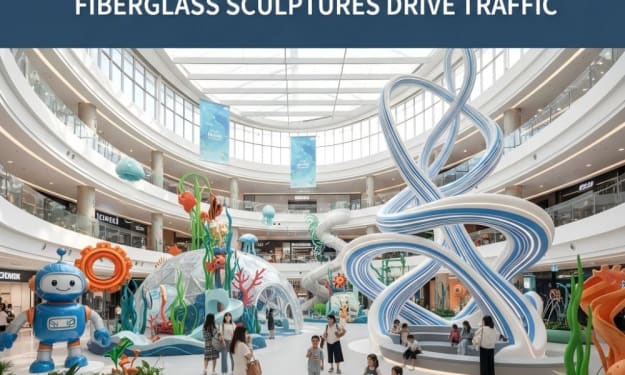
2026 Commercial Space Design:How Fbierglass Sculpture Drives Traffic
Today, offline commercial spaces are facing continuous pressure. With e-commerce offering convenient and fast services, physical stores must showcase unique features to attract customers. In this context, fiberglass sculptures are no longer merely decorative items; they have become visual focal points in shopping malls, brand stores, pop-up shops, and mixed-use commercial projects, playing a crucial role in increasing foot traffic.
By Shenzhen Ruiheng Crafts4 days ago in Art
Why Strategic Branding Is Essential for Long-Term Business Growth
In today’s fast-paced digital environment, businesses face constant pressure to stand out. Consumers are exposed to endless choices every day, making attention harder to earn and trust harder to keep. While quality products and services are important, they are no longer the only factors that determine success. Strategic branding plays a key role in helping businesses grow steadily and remain relevant over time.
By Ayush Bagwari4 days ago in Art


Comments
There are no comments for this story
Be the first to respond and start the conversation.