
Where Art Meets Everyday Life
Exploring the Museo d'Arte Urbana (MAU) in Borgo Campidoglio, Turin - Italy

I've always been fascinated by visiting the places associated with the Museo d'Arte Urbana (MAU) in Turin, Italy. This time, I returned to the charming Borgo Vecchio Campidoglio, and as always, the experience was both immersive and thought-provoking. The MAU, Italy's first open-air contemporary art museum, is a testament to the power of art to transform urban spaces and build community. Walking through this neighborhood, one can truly appreciate how art becomes an inseparable part of the environment, shaping and shaped by the people who live there.
A Living, Breathing Museum Without Walls
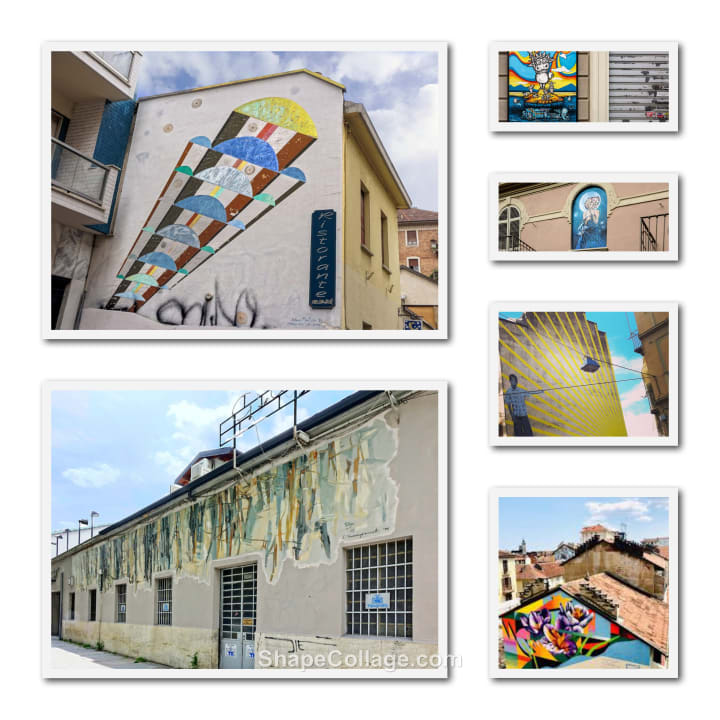
Borgo Campidoglio was born in 1853 as a working-class district, and even today, it maintains much of its original charm. The low houses, narrow streets, and cobbled pathways give it an old-world feel that contrasts beautifully with the colorful contemporary art that now adorns its walls. This preserved architecture forms a distinctive backdrop for the MAU, which was inaugurated in 1995 as part of a revitalization project aimed at reshaping the area through art. Walking through these streets feels like stepping into a vibrant conversation between the past and the present, where art is the bridge that connects history and modernity.
The open-air museum has evolved organically over the years, and this is one of its greatest strengths. It is not a static collection of artworks; it is an ever-changing landscape. New murals are added, older ones are restored or reimagined, and the neighborhood itself becomes a dynamic canvas that reflects the ongoing dialogue between artists, residents, and the city. Each visit to Borgo Vecchio Campidoglio is unique because the art, like the community, is alive and constantly evolving.
Art and Community: Hand in Hand
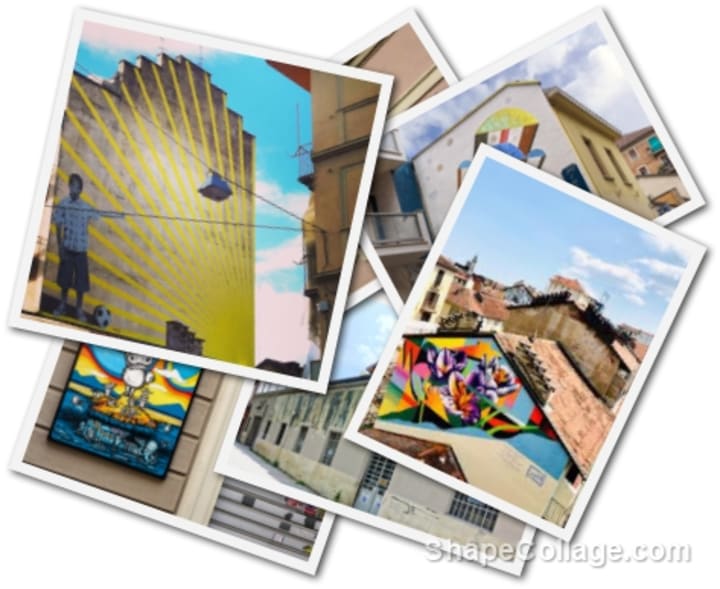
One of the most captivating aspects of the MAU is how seamlessly it integrates into the daily life of Borgo Campidoglio. Unlike typical museums that exist as isolated cultural spaces, the MAU breathes and evolves alongside the neighborhood. Over 200 murals adorn the facades of buildings, blending into the very fabric of the community. The residents, artists, and local businesses collaborate to bring this art to life, transforming the ordinary buildings into a canvas for creativity. The relationship between art and community is symbiotic; the neighborhood provides a space for the art, and the art, in turn, enriches the neighborhood.
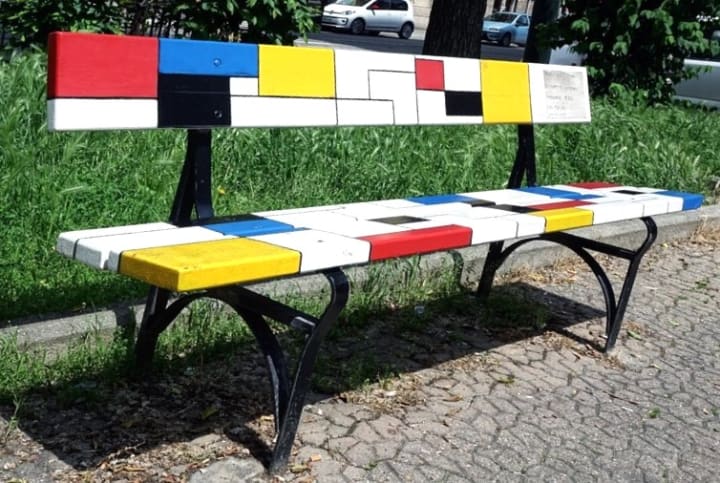
This collaboration is evident in works like Vito Navolio's homage to Piet Mondrian, which is visible on benches in Piazza Moncenisio. Navolio captures Mondrian's iconic geometric style but adds a playful twist, making the artwork accessible and engaging for the local community. Nearby, Opiemme's mural paying tribute to Stephen Hawking is a striking blend of science and creativity. Completed in 2018, this piece is a reminder that art is not limited to aesthetics—it is also a means of exploring complex ideas and making them accessible to everyone.
Accessibility and Inclusivity
The MAU is a model of inclusiveness. Since 2016, the museum, in collaboration with the Volonwrite association, has worked to ensure that its art is accessible to everyone. Specific itineraries have been designed for people with mobility challenges, including guided tours for those with reduced mobility, visual impairments, or hearing disabilities. This commitment to accessibility underscores the role of art in fostering community cohesion. Art should be for everyone, and the MAU's efforts to make this a reality are truly inspiring.
The Campidoglio Gallery: Art Continues Indoors
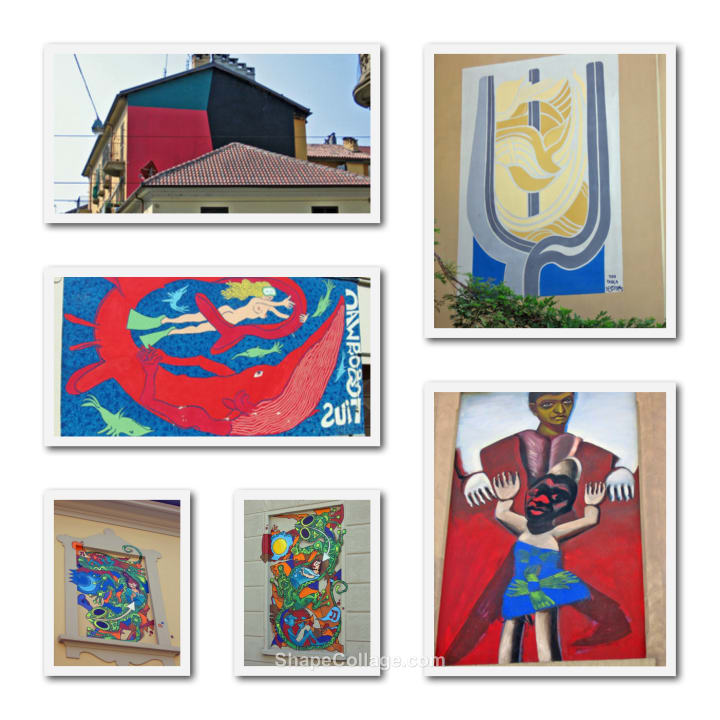
Located on Via Rocciamelone, the Galleria del MAU is an indoor space for temporary exhibitions and community events, managed by Giulia Fanelli. It reflects the MAU as a cultural focal point, connecting the neighborhood's history with contemporary art.
Art, Wine, and Tradition
No visit to the MAU would be complete without immersing yourself in the local tradition. The enoteche (wine bars) and piole (traditional eateries) of Borgo Campidoglio are an integral part of the experience. These establishments offer a taste of Piedmontese delicacies and local wines, providing a perfect complement to the visual feast of the open-air museum. The blending of art, life, and Turin’s rich culinary heritage creates a unique atmosphere where the boundaries between cultural consumption and everyday living blur. It is in these moments, sitting at a wine bar, enjoying a glass of Barbera while surrounded by vibrant murals—that you truly feel the spirit of the MAU.
Location
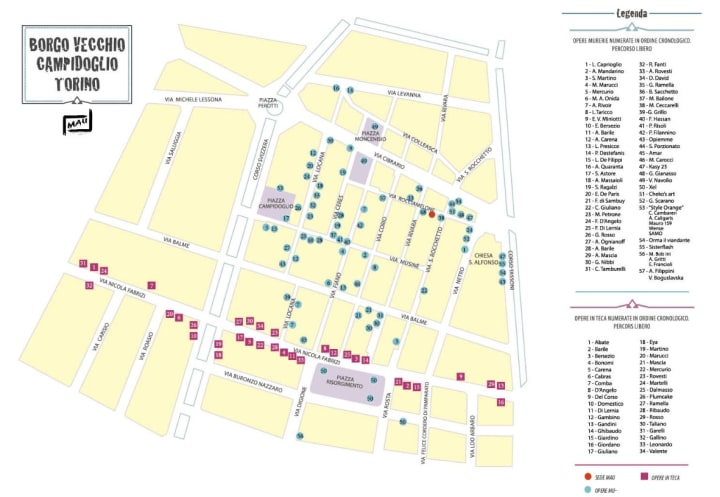
The headquarters of the MAU is located on Via Musinè, 19, but the art is spread throughout Borgo Campidoglio. Murals and artworks can be found across Via Fabrizi, Corso Svizzera, Via Cibrario, and Corso Tassoni, with display cases installed along Via Fabrizi. The collection currently includes 66 murals and 35 display cases, all integrated into the neighborhood's streetscape. This layout encourages visitors to explore the area at their own pace, discovering artworks around every corner and experiencing the neighborhood in a deeply personal way.
Why Visit the MAU?
The MAU is more than just an art destination—it is a living, breathing entity where the boundaries between the museum, the community, and the artist dissolve. In the winding streets of Borgo Campidoglio, every passerby becomes part of the artwork. The MAU challenges the traditional notion of what a museum can be, offering an experience that is not confined by walls or admission tickets. Instead, it is woven into the fabric of everyday life, inviting everyone to take part in the creation and appreciation of art.
For anyone visiting Turin, the MAU is a must-see. It is a reminder that art does not need to be confined to galleries or framed on walls; it can thrive in the streets, integrated into the daily life of a community. The Museo d'Arte Urbana is a powerful testament to the idea that art is for everyone, and that it can transform not only spaces but also the people who inhabit them.
About the Creator
Antonino La Vela
Contemporary artist & blogger writer, exploring themes not just in my paintings. You can find more about my work and thoughts on my personal website http://www.antoninolavela.com and my blog http://www.antoninolavela.it.
Keep reading
More stories from Antonino La Vela and writers in Art and other communities.
Vaclav Pisvejc: The Troubled Artist Who Challenges Art with Destruction
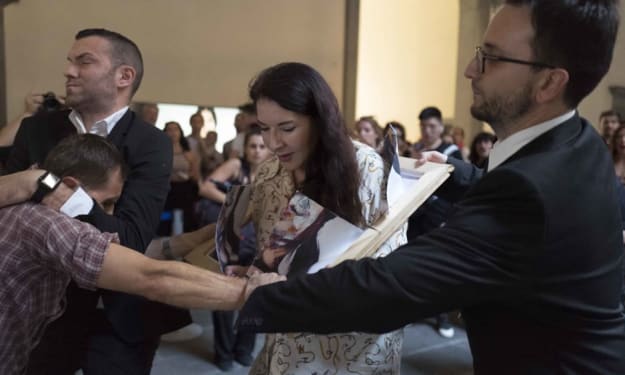
Vaclav Pisvejc, a Czech-born aspiring painter, has made headlines not for his art but for his controversial and often destructive interventions. Known for vandalizing major artworks, including a piece by Ai Weiwei, and disrupting cultural events, Pisvejc has repeatedly crossed the line between protest and destruction. His latest outburst in Florence, attacking Marina Abramović, adds another chapter to his history of provocations that blur the lines between rebellion and criminality.
By Antonino La Velaabout a year ago in Art



Comments
There are no comments for this story
Be the first to respond and start the conversation.