
What You Didn't Know About Chanderi Sarees' History and Pricing
Unveiling the Hidden Stories and Value Behind Chanderi Sarees
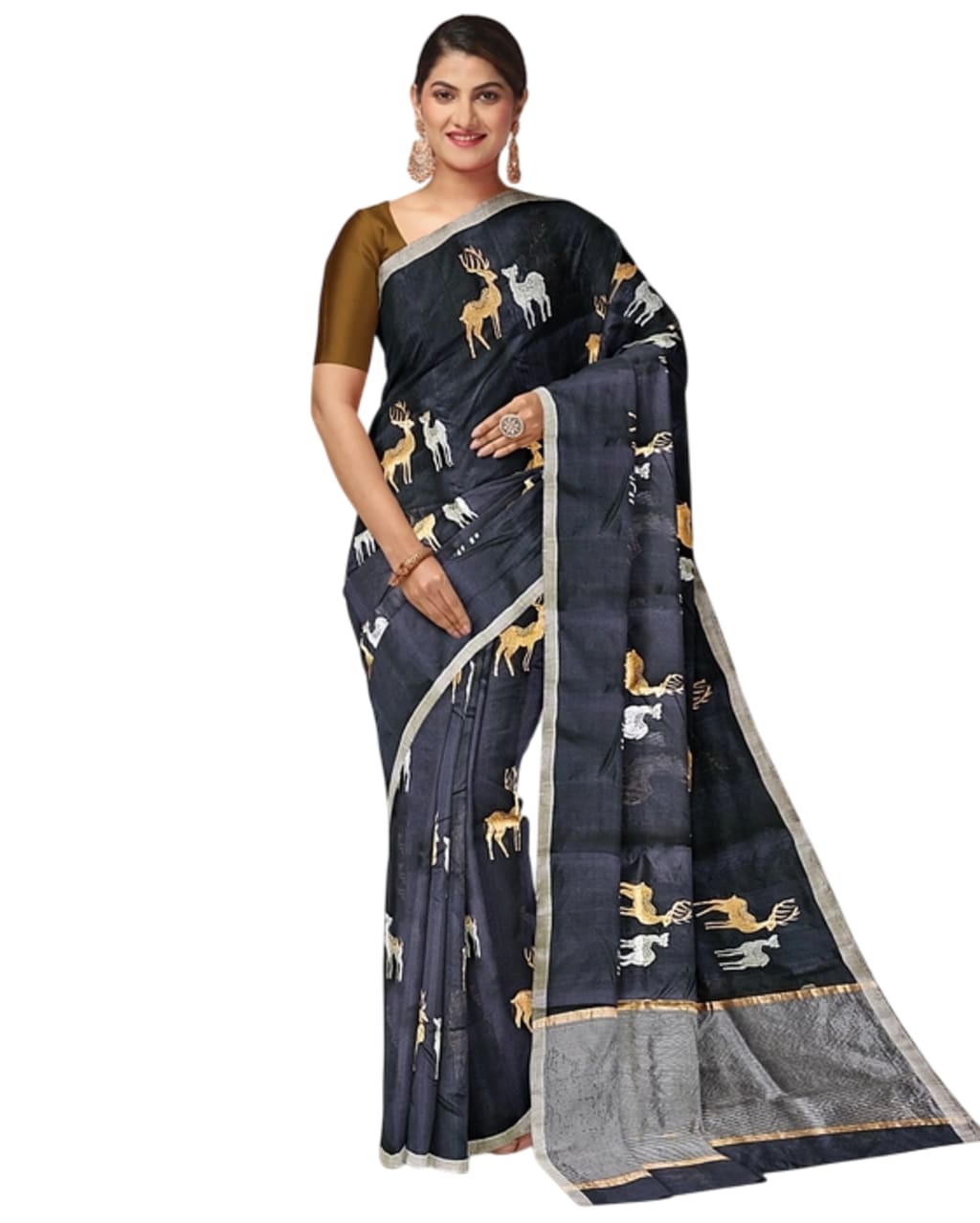
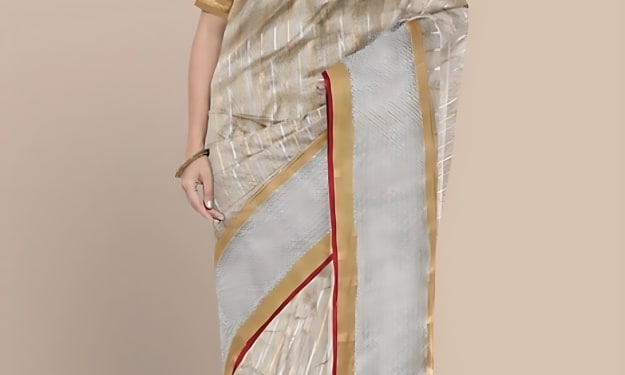
Chanderi sarees are the epitomes of Indian handloom richness, unmatched for their elegance and timeless beauty. Hailing originally from the town of Chanderi in Madhya Pradesh, the light texture and intricate designs of these exquisite sarees adorn the ladies of ages. While the aesthetic appeal is appreciated, the interesting history and unique pricing factors behind these sarees are relatively lesser-known. Let's dive deep into the history, craftsmanship, and pricing intricacies of Chanderi sarees to uncover the true essence of this artisanal masterpiece.
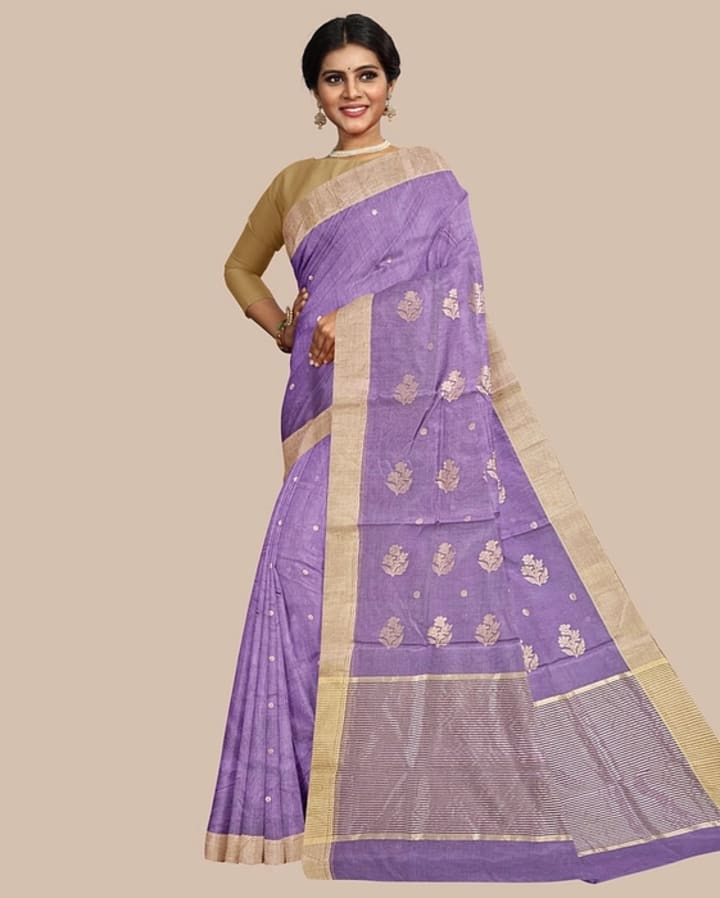
The Historical Roots of Chanderi Sarees
Chanderi origins date back to the Vedic period, giving it a sense of being the oldest textile in India. People believe that around the 2nd century, Chanderi weaving was presented by Lord Krishna's cousin named Shishupal. Historical information states that under the Mughal era, the art of weaving in Chanderi really came into prevalence, as royalties and aristocracy took up wearing these sarees as a mode of sophistication.
The intricate weaving techniques flourished under Mughal patronage, blending Persian influences with traditional Indian motifs. The fine silks and cottons of Chanderi town were known for their translucent finish and intricate patterns. The town of Chanderi was established as a flourishing weaving center by the 13th century, and artisans from the entire region flocked to this place.
Chanderi weaving, in fact, really felt the strain because of the mass-manufactured textile arrival of the British Era. Still with great spirit, these artisans maintained this art. Today, Chanderi sarees not only represent art but also boast a glorious cultural heritage worldwide, where quality and handcrafted appeal find worldwide acceptance.
Craftsmanship in Chanderi Sarees
The charm of Chanderi sarees rests upon the very delicate artistry perfected with care. Every silk saree is a painstaking labor of love executed with immense skill and patience. Weaving includes the following phases:
Initially yarn selection: Traditional Chanderi sarees are woven using pure cotton and/or silk. In today's times, the sarees can even be a combination of silk and cotton. Selecting yarn will determine the saree's texture, translucence, and, by and large, appeal.
Loom Preparation: Care is taken by the weaver to set up the loom, ensuring warp and weft threads are precisely aligned. Precision at this point ensures the attainment of the sheer texture characteristic of the saree.
The hallmark of a Chanderi saree is the intricacy of its motifs, which are drawn from nature and Mughal architecture. Peacocks, lotuses, and geometric designs are common motifs. The weaving process is painstakingly slow, and some sarees take weeks or even months to complete.
The regal charm of most Chanderi sarees is enhanced with the addition of zari, metallic threadwork. The contrast against the lightweight fabric is always dramatic, particularly where the concentration of zari work is in borders and pallu.
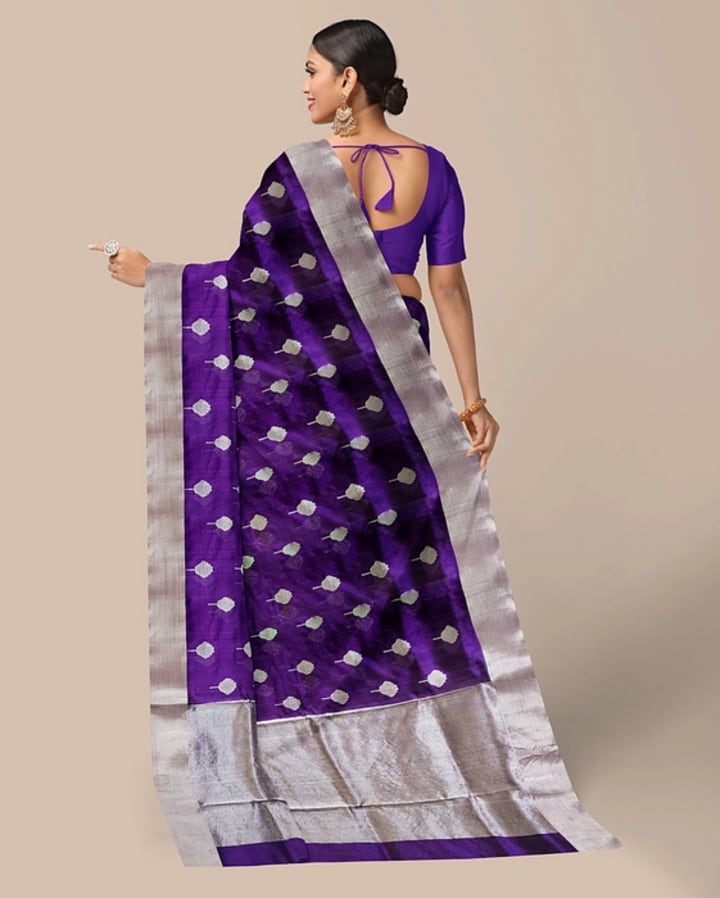
Factors that Affect Pricing for Chanderi Sarees
Pricing for Chanderi sarees differs greatly based on many factors because of their artistry, material quality, and limited stock. Some major variables are listed below that affect the pricing of a Chanderi saree:
Fabric
Pure silk Chanderi sarees are highly priced because their silk thread costs quite a bit, and it is also woven very intricately.
Silk-cotton blends provide more affordability while maintaining the elegance of the saree.
Pure cotton Chanderi sarees are light in weight and cost-effective, hence perfect for casual wear.
Weaving Complexity:
The intricacy of motifs and patterns greatly influences the price. Sarees with dense embroidery or elaborate zari work are costlier.
Handwoven sarees attract a premium as they require more time and skills, whereas machine-made replicas are cheaper but not authentic.
Zari Quality:
High-quality zari made of pure gold or silver threads can raise the price of the saree by many folds.Those made from synthetic or metallic zari are cheaper but less durable.
Artisan Expertise:
Only master weavers with decades of experience make exquisite sarees that command a price.Sarees made by lesser-known artisans are relatively cheaper.
Design Uniqueness:
Sarees with unique, limited-edition motifs or special designs are rare and command high prices.
Modern-Day Appeal and Market Trends
Chanderi sarees have successfully emerged from traditional wear to modern fashion statements. Worldwide, designers and fashion enthusiasts are redefining Chanderi silk as a modern silhouette of dresses, jackets, and even bridal lehengas. The saree's versatility and timeless charm make it a grand choice for weddings, festive occasions, and all formal events.
E-commerce sites have also amplified the reachability of Chanderi sarees, making direct contact between the artisans and consumers worldwide. As a result of this demand increase, however, counterfeit products started to circulate, making the authenticity verification at the buyer's end imperative.
Tips to Buy Real Chanderi Sarees
To invest in a genuine Chanderi saree, follow these guidelines:
Check the Fabric: Original Chanderi sarees feel soft and are lightweight with an underlying sheen. The texture of the fabric should be soft and smooth to the touch against the skin.
Examine the Weaving: The presence of imperfections within the weave implies that the saree is handmade.Machine-constructed sarees are usually more uniform in the pattern.
Check the Zari: Good-quality zari emits shine and durability. Avoid sarees with tarnished or dull zari work.
Buy from Reputed Sellers: Buy Chanderi sarees from reputed sellers, artisans, or authentic online places to ensure authenticity.
Look for Certification: Premium Chanderi sarees come with a GI tag that certifies the product's origin and quality.
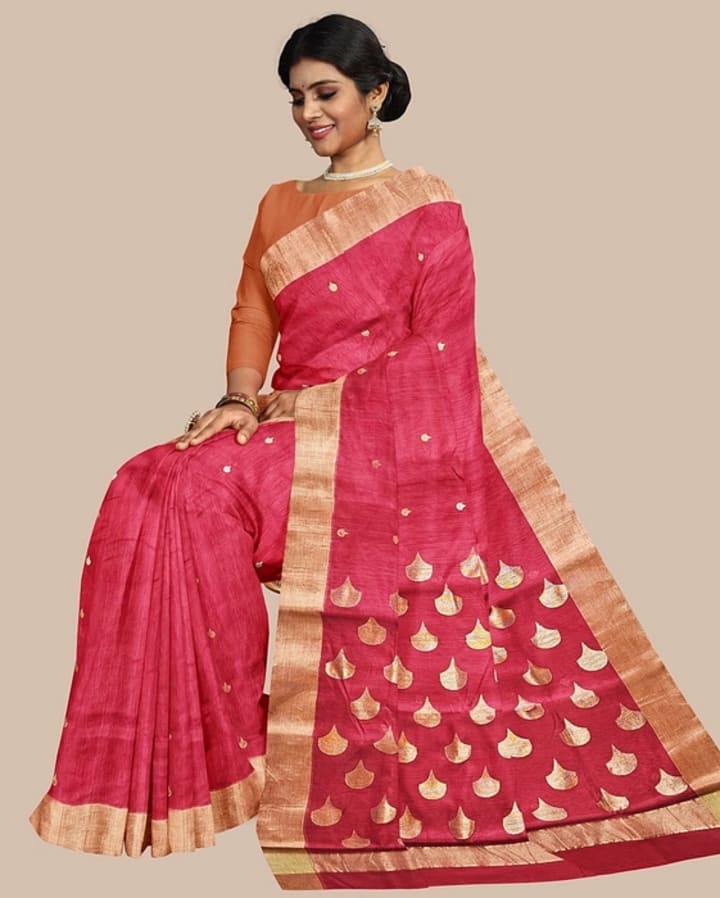
Conclusion
Chanderi sarees are more than just garments; they affirm the rich cultural heritage and artisanal brilliance India has. Their history and price define how precious these products are, because great work and effort seem to be in every single, tiny thread. Be it a connoisseur of traditional garments or a first-time buyer, an investment in a Chanderi saree is a tribute to timeless elegance and boundless tradition. You celebrate the culture and, at the same time, support the lives of professional craftspeople who will keep the art form alive by choosing authentic pieces.
About the Creator
Dog Shoes for Small Dogs and Puppy Shoes A Practical, Paw-Friendly Guide
Small dogs and puppies may look tough, but their paws often need more protection than people realize. Their bodies are lighter, their paws are smaller, and many of them spend a lot of time on surfaces that were never designed for delicate paw pads. Add cold sidewalks, hot pavement, rough gravel, wet grass, or even slippery indoor floors, and you start to see why dog footwear has become more than just a cute trend.
By aliyashahzadi3 days ago in Art



Comments
There are no comments for this story
Be the first to respond and start the conversation.