
What Is Digital Signage and How Can It Help Brands?
What Is Digital Signage and Why Should Brands Use It

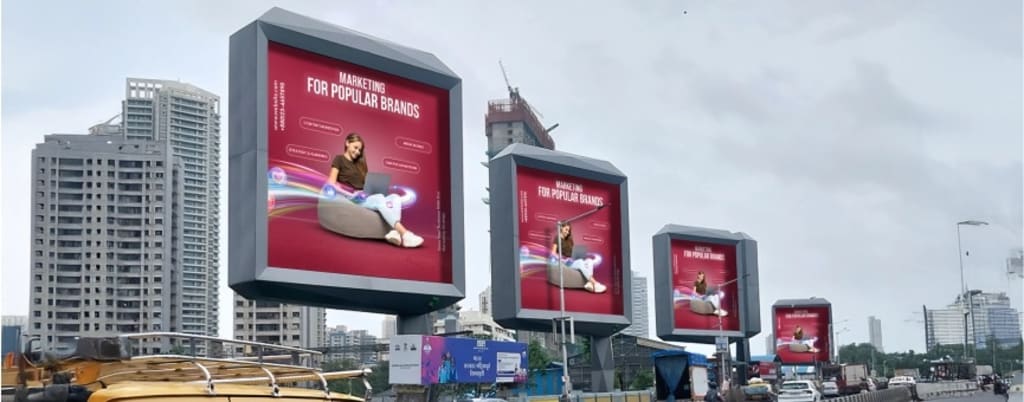
In this rapidly evolving world of retail, modern customers now expect more from brands than ever. Instead of traditional ways of marketing and branding, they now prefer personalized digital content that satisfies their needs. Due to this, retail giants have started ditching traditional billboards and signs. Instead, they now embrace interactive and large scale digital signage.
But because it is a new concept, various small and medium sized retail brands are now aware of what digital signage is and how they can use it to their advantage.
Through the medium of this article, we will not only answer these two very common questions but will also provide other information as well. Hence, let us begin with it without any delays.
What is Digital Signage?
As the name suggests, it is a digital board that utilizes electronic screens, including LCD, LED, or OLED displays, to present the viewer with dynamic multimedia content. A digital signage can be used for displaying texts, videos, and interactive media in order to advertise a brand, communicate the message, or share specific information to specific audience. Unlike traditional signage, digital signage can be updated quickly and remotely, further offering brands complete flexibility and control over messaging.
Components of a digital signage:
A digital sign contains three major components:
1. Hardware: This includes the screens, media players, and mounts that are used to display the content.
2. Software: A content management system (CMS) that allows brands to create and schedule the content and manage the displays.
3. Content: The media that is being presented on the screen is indeed the most important component of digital signage.
How Digital Signage Works?
The basic process is very simple and straightforward:
● A brand creates personalized content using a content management system.
● The same content is then sent to the media players that are connected to the displays.
● The installed screen displays the content according to the schedule set by the brand.
As already mentioned, this is the basic process. However, depending on the requirements of the situation, brands can also make instant changes to their digital signs. For example, airports keep on changing the content displayed on digital signs to update customers about flight information and gate changes.
Different Types of Digital Signage
Depending on their goal, a brand can choose from a huge variety of digital signs, including:
1. Promotional displays: Used to showcase advertisements, offers, new arrivals, etc.
2. Menu boards: Restaurants and food brands generally utilize digital menus to instantly update pricing or items.
3. Wayfinding: Malls, hospitals, or campuses use digital maps to guide visitors to navigate large spaces.
4. Informative screens: They are used to share informative data and other important updates.
Advantages of Digital Signage for Brands
In this section, we will find out why investing in digital signage is worth it for your business.
1. Captures attention: Bright visual content automatically appeal to the eyeballs of users. This will result in increased brand visibility and boosted customer engagement.
2. Enhances Customer Experience: Digital signage adds professionalism to the method of displaying messages and provides convenience to the customers.
3. Boosts Sales and Promotions: Unlike traditional signs, brands can conveniently highlight discounts or promote limited offers in real time using digital signs. This will eventually result in boosted sales and profitability.
4. Saves Time and Money: Traditional boards are not as expensive as digital signs. But, if a brand changes it on a regular basis due to different reasons like new launches, price drops, it will have to incur hefty expenses. On the other hand, digital signs might be costly at first, but they will eliminate recurring costs by allowing regular updates with just a click.
5. Provides Flexibility: Brands that opt for digital signage can tailor the content at any time of the day, location, etc. This flexibility is clearly unavailable in the case of static billboards.
How can brands get started with digital signage?
Here are some steps that a brand can consider when planning for digital signage installation.
1. Define Your Goals: In order to achieve successful results, it is extremely crucial to determine clear goals, as this will help you shape your strategy.
2. Choose the Right Hardware: Opt for displays that don’t just suit your budget but are also perfect for your space.
3. Select Software: Opt for a good content management system that is easy to use and offers all the required features, including scheduling content and remote updates.
4. Plan Your Content: In order to make the most out of your digital signage, it is crucial for brands to display high quality visuals and personalized messages. Doing this will help them make a powerful impact.
Pro tip: For the best results, brands can also hire a reputable signage installation company. This will lead to systematic and strategic placements that directly appeal to the eyeballs of visitors.
Final words
Digital signage is more than just a modern replacement of OOH advertising. Instead, it is a versatile communication tool that can completely revolutionize how brands connect with their existing and potential customers.
If brands offer their target customers with dynamic and visually engaging content through digital signs, they can attract eyeballs, enhance user experience, and provide measurable results.
About the Creator
D'Art Design
D’Art Design is a leading global retail design agency. We integrate tactic to provide outstanding experiences, through brand communication and activation, brand design, promotion, and interior design.
Keep reading
More stories from D'Art Design and writers in Art and other communities.
How Store Design Shapes Shopper Mental Well Being?
In today's rapidly evolving field of retail, shopping experiences go beyond financial transactions. Modern shoppers now look for retail experiences that don't just meet their shopping needs but also contribute to their overall health and well being. Store design, in this particular scenario, plays a significant role in shaping the emotional and mental states of existing and potential customers.
By D'Art Designabout a year ago in Art
'Till Death We Do Art
There would be nothing divine in this world without art. Nature may surpass the divine to all intents and purposes, but like everything it absorbs and is absorbed by, it remains here, stuck on the surface of this world, ever-present, physically bound to the universe.
By Avocado Nunzella BSc (Psych) -- M.A.P 20 days ago in Art
The Bruno Mars Enigma: The Untouchable King of Pop and the Critiques Behind the Curtain
The Bruno Mars Enigma: The Untouchable King of Pop and the Critiques Behind the Curtain Introduction By March 2026, Bruno Mars has solidified a reality that the music industry can no longer ignore: he is the undisputed number-one male artist in the world. Smashing streaming records with over 128 million monthly listeners on Spotify, Mars has orchestrated a flawless year fueled by massive, chart-topping collaborations and his highly anticipated solo project, The Romantic. His latest blockbuster single, "Risk It All," proves that his hit-making alchemy remains entirely intact.
By Nivard Anna5 days ago in Art
From ad men to mad men
It's after 2am in the morning when a local police patrol vehicle in Northern New Jersey spots a figure costumed as Quasimodo, The Hunchback of Notre Dame, proceeding southbound on the sidewalk along Lydecker Street. Though the hunchback’s costume stuffing offers added insulation, it's January, and friggin’ freezing. Carefully, the officers slow down, gently question the subject, and offer him a ride home.
By David W. Maury4 days ago in Humor




Comments
There are no comments for this story
Be the first to respond and start the conversation.