
How HVAC BIM Services Can Solve Common Design Problems
How HVAC BIM Services Can Solve Common Design Problems
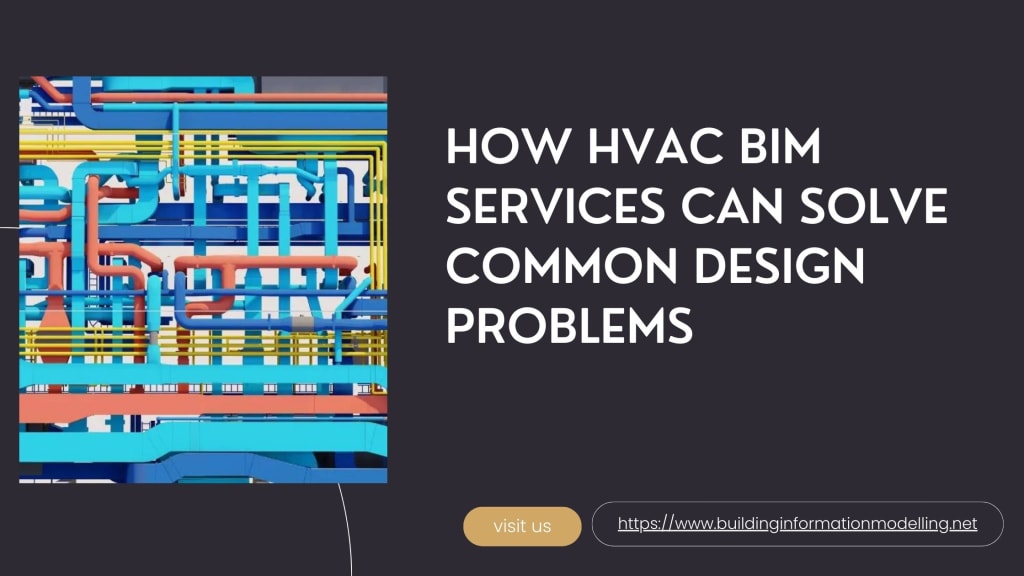
Designing an effective HVAC system is crucial for any building. Poorly planned systems can lead to a range of problems, from uncomfortable living conditions to inefficient energy use.
Fortunately, HVAC BIM Services offer a practical solution to these common issues, making the design and installation of heating, ventilation, and air conditioning systems more efficient and less problematic.
In this blog, we will explore how HVAC BIM Services help solve design problems, the role of HVAC BIM Design Services, and why Building Information Modeling is useful for every building project.
Why HVAC BIM Services Are Useful for Every Building
Whether it's a residential apartment, a large office building, or an industrial facility, HVAC systems play an important role in maintaining comfort and functionality.
Without a properly designed HVAC system, buildings can suffer from inconsistent temperatures, poor air quality, and even higher operational costs.
This is where HVAC BIM Services come in. By using Building Information Modeling software, these services can greatly improve the planning and execution of HVAC designs, allowing for more efficient system layouts and fewer problems during installation.
Building Information Modelling, a leader in the field, uses advanced technology to create detailed and accurate models of HVAC systems. These models allow building professionals to visualize how the HVAC components will interact with other systems, making it easier to optimize space and avoid design conflicts.
Common Design Problems in HVAC Systems
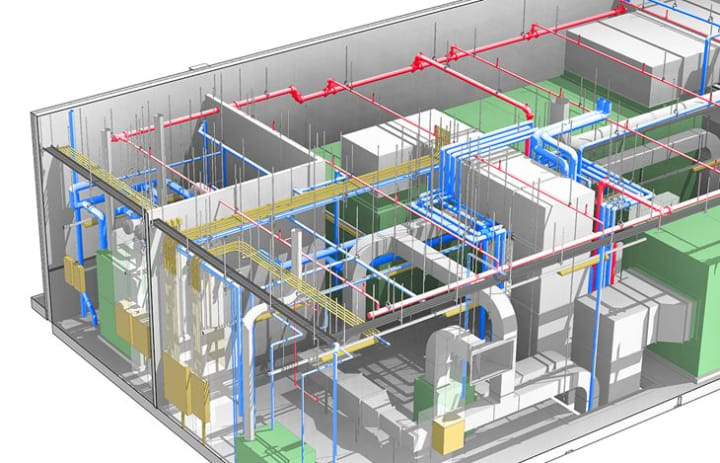
Traditional HVAC design methods often face several challenges. These problems can lead to costly revisions, delays, and inefficient system performance. Some of the most common design problems in HVAC systems include:
Space Limitations
HVAC systems often compete for space with other building elements like structural beams, electrical wiring, and plumbing. Fitting all of these systems into a limited space without interfering with each other can be a major challenge, especially in large buildings with complex layouts.
System Clashes
It's not uncommon for HVAC systems to clash with other mechanical, electrical, or plumbing systems during installation. For example, ducts might overlap with pipes or electrical cables, requiring last-minute changes and resulting in delays.
Inaccurate Ductwork Layout
Designing an HVAC system requires detailed planning, especially for ductwork. If the layout is not accurate, it can lead to poor airflow, higher energy costs, and uncomfortable spaces for occupants.
Miscommunication Among Project Teams
HVAC system design often involves coordination between multiple teams engineers, architects, contractors, and more. Miscommunication or lack of clear information can result in installation errors and unnecessary changes during the project.
These design problems can not only slow down the project but also increase costs and reduce the efficiency of the final system. That's why using HVAC BIM Services can make a significant difference in tackling these issues head-on.
How Does BIM Help HVAC?
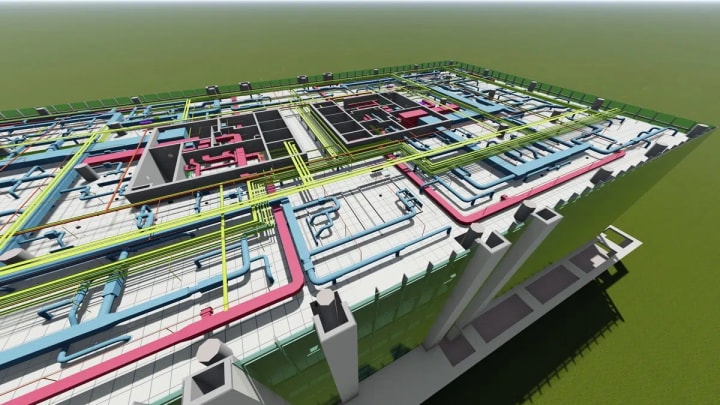
Building Information Modeling is a collaborative process that allows engineers, architects, and contractors to work together on the same 3D model. In the context of HVAC Engineering, BIM helps ensure that the design is as accurate as possible while minimizing conflicts with other systems in the building.
With HVAC BIM Modeling Services, professionals can create digital representations of the HVAC system before construction begins. This allows for real-time updates, easy adjustments, and better communication between everyone involved in the project.
Here’s how BIM helps with HVAC design:
- Clear Visualization of Systems
BIM software enables engineers to see the entire HVAC system in 3D, giving them a clear understanding of how it fits within the building. This means that potential issues, such as space constraints or conflicts with other systems, can be spotted and addressed before installation.
- Improved Collaboration
When multiple teams are involved in a project, having a shared model that everyone can access is crucial. BIM makes it easier for engineers, architects, and contractors to communicate and collaborate effectively, reducing the likelihood of misunderstandings or errors.
- Streamlined Workflow
With BIM, changes to the HVAC design can be made quickly and easily. Instead of waiting for paper-based revisions, teams can update the model in real time and instantly see how those changes affect the overall design.
- Minimizing Conflicts
One of the biggest advantages of BIM is its ability to prevent system clashes. By integrating all building systems into a single model, BIM can detect any conflicts between HVAC systems and other mechanical or electrical systems before construction begins.
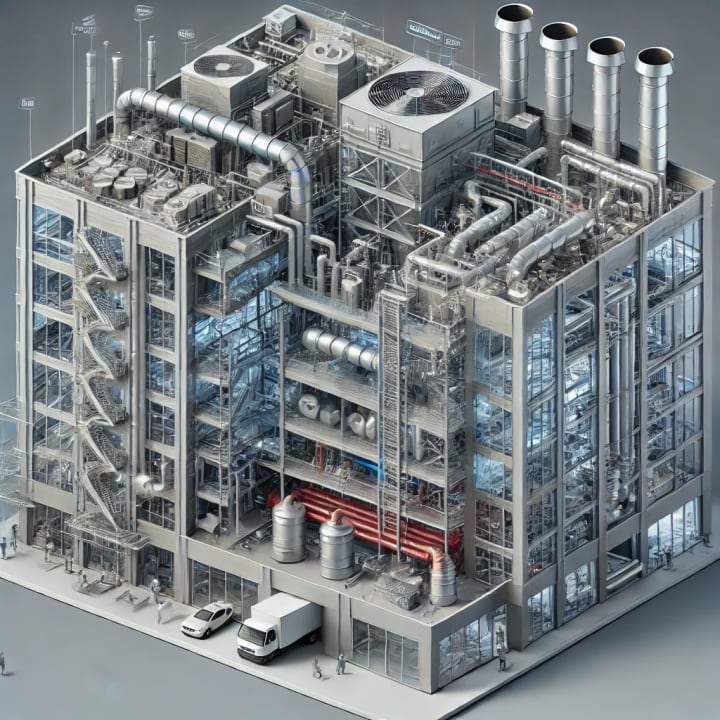
Solving Design Problems with HVAC BIM Services
HVAC BIM Services provide several solutions to the common design problems mentioned earlier. Let's take a closer look at how they address these issues:
- Space Management and Coordination
Using HVAC BIM Design Services, engineers can better manage the available space in a building. BIM software allows for accurate measurement and placement of HVAC components, ensuring that everything fits properly without clashing with other systems.
By having a clear model of the entire building, engineers can optimize the use of space and avoid last-minute changes.
- Accurate Ductwork Layout
One of the main problems in traditional HVAC design is getting the ductwork layout right. With HVAC BIM Modeling Services, engineers can create highly accurate ductwork designs that take into account the building’s layout, airflow needs, and energy efficiency goals.
This leads to better system performance and more comfortable spaces for building occupants.
- Prevention of System Clashes
As mentioned earlier, system clashes are a common problem in traditional HVAC designs. With BIM software, all building systems are integrated into a single model, making it easier to detect and prevent clashes.
This not only saves time but also reduces the need for costly design changes during installation.
- Clear Communication Between Teams
HVAC BIM Services improve communication by providing a shared model that all project teams can access. Whether it’s architects, engineers, or contractors, everyone can see the same design and make informed decisions. This leads to smoother project execution and fewer misunderstandings.
- Early Detection of Potential Issues
BIM software allows for simulations and performance testing before the actual installation begins. This means that any potential problems can be identified early, allowing engineers to make adjustments and avoid delays.
Benefits of Using HVAC BIM Services
There are several practical benefits of using HVAC BIM Services for building projects:
Cost Savings: By identifying and resolving design issues early in the process, BIM helps reduce the need for costly changes during installation.
Time Savings: BIM allows for faster design updates and improved collaboration, leading to more efficient project timelines.
Better System Performance: A well-designed HVAC system improves airflow, energy efficiency, and overall comfort for building occupants.
For building owners, managers, and non-technical stakeholders, HVAC BIM Services offer the peace of mind that their HVAC system will be installed correctly and work as intended.
Conclusion
HVAC systems are a critical part of any building, and their design can often be complex. However, with the help of HVAC BIM Services, common design problems such as space limitations, system clashes, and inaccurate layouts can be solved efficiently.
Companies like Building Information Modelling are leading the way by providing high-quality HVAC BIM Design Services and HVAC BIM Modeling Services.
By using advanced BIM software and collaborating closely with project teams, they are helping to simplify the design process and improve project outcomes for builders, engineers, and building owners alike.
If you’re looking to streamline your next project and avoid common design problems, consider using Building Information Modelling for your HVAC needs. Their expertise and innovative approach will help you achieve the results you’re looking for.
About the Creator
lisa Brown
Building Information Modelling delivers high quality out performing designs in Electrical BIM Services. We collectively work as a team and we believe in delivering end to end solutions in electrical designs and drawings.
Keep reading
More stories from lisa Brown and writers in Art and other communities.
2026 Commercial Space Design:How Fbierglass Sculpture Drives Traffic
Today, offline commercial spaces are facing continuous pressure. With e-commerce offering convenient and fast services, physical stores must showcase unique features to attract customers. In this context, fiberglass sculptures are no longer merely decorative items; they have become visual focal points in shopping malls, brand stores, pop-up shops, and mixed-use commercial projects, playing a crucial role in increasing foot traffic.
By Shenzhen Ruiheng Crafts4 days ago in Art
Why Strategic Branding Is Essential for Long-Term Business Growth
In today’s fast-paced digital environment, businesses face constant pressure to stand out. Consumers are exposed to endless choices every day, making attention harder to earn and trust harder to keep. While quality products and services are important, they are no longer the only factors that determine success. Strategic branding plays a key role in helping businesses grow steadily and remain relevant over time.
By Ayush Bagwari4 days ago in Art




Comments
There are no comments for this story
Be the first to respond and start the conversation.