
What is art? Where does art come from?
How much do you know.....?

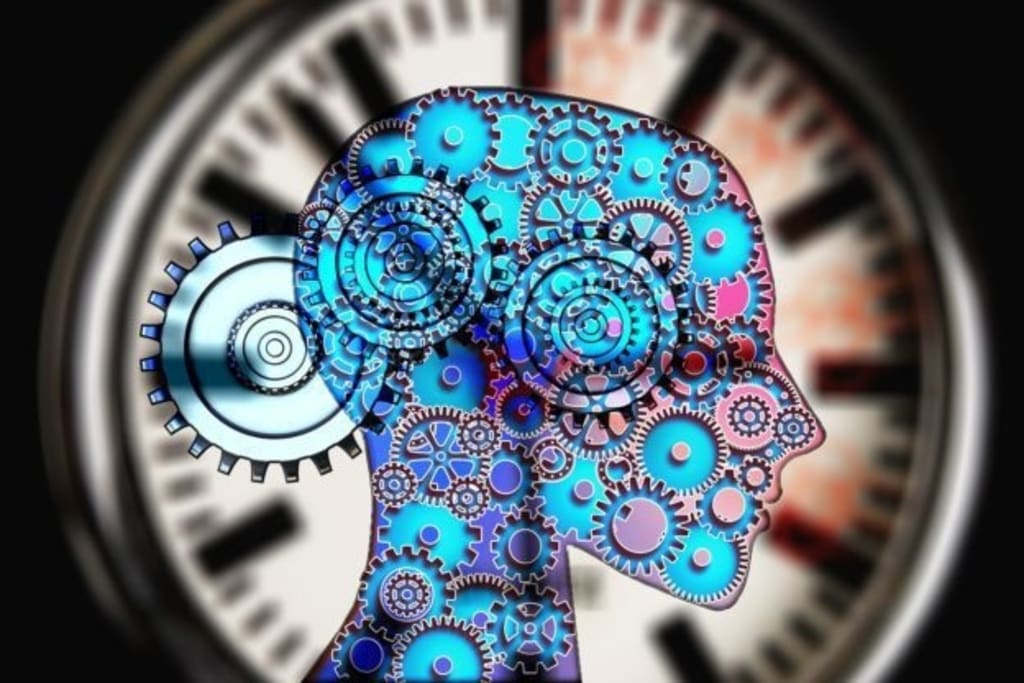
Art is an activity of expressing, creating and exploring human thoughts, emotions and beauty in a perceptual and intuitive way through various media and forms. It is an important part of human culture and spiritual life, with unlimited creativity and rich and diverse forms of expression. The origin of art can be traced back to the origin of ancient civilizations. From primitive cave paintings to ancient sculptures, from ancient literature to classical music, art has always been the way human culture is recorded and passed on. It enables us to transcend the limitations of language and time, and to translate thoughts, emotions, and opinions into visible form, thereby furthering our understanding and experience of the world. Art can express endless variety. Visual arts, such as painting, sculpture, photography, and installation art, convey beauty and emotion through visual form. The art of music inspires emotion and expresses emotion through sound, rhythm and harmony. Dance and theater arts use body language and performance to convey emotion and story. The literary arts use words and language structures to create stories, poems and novels. Film, television and visual effects blend visual, sound and narrative elements to create dynamic storytelling experiences. An artist is someone who creates art, capturing the beauty and complexity of the world with a unique eye and skill. Artists transform their inner emotions and ideas into works through observation, experience, reflection and imagination. They may be inspired by nature, human experience, social issues, cultural background and personal experiences. The artist's creative process is full of exploration, experimentation and adventure. They are constantly pursuing innovation and uniqueness, challenging tradition and comfort zone. The impact of art on society and individuals is profound. It can arouse people's appreciation and resonance of beauty, and stimulate emotion and imagination. Works of art stimulate thought, provoke debate and draw attention to social, political and cultural issues. The arts can also be a catalyst for social change, driving change, advocating for equality and reflecting the voices of diverse groups. In addition, art is also an important means of personal expression and identity construction. Through the creation and appreciation of art, people are able to express their unique thoughts and emotions, find resonance and connection, explore themselves, and shape their own identities. Art can bring joy, give people inspiration and meaning, and become an integral part of life. All in all, art is a free and rich creative activity that expresses and explores human thoughts, emotions and aesthetics in a perceptual and intuitive way through various forms and media. In its endless variety and influence, it not only enriches our cultural heritage, but also inspires our imagination, creativity and human progress.
The origin of art can be traced back to the beginning of human civilization. Humans have been drawing patterns and images on cave walls since prehistoric times, and this is considered one of the earliest forms of art. These prehistoric works of art often depict hunting scenes, wild animals, and human life. These images not only reflect the survival needs of human beings at that time, but also demonstrate their imagination and observation. With the development of civilization, art has gradually become a means of expressing and conveying thoughts, emotions and aesthetic feelings. Ancient Egyptian, Greek, and Roman civilizations all left rich artistic heritages such as murals, sculptures, architecture, and literature. These works show the values, religious beliefs and historical events of the society at that time, and present them with unique artistic styles and techniques. The development of art is also influenced by cultural exchange and mutual influence. Art forms and styles spread and evolved across civilizations and regions. For example, in medieval Europe, the influence of Christianity led to the rise of religious art, such as religious murals and church architecture. Similarly, in oriental cultures, such as Chinese painting, calligraphy and traditional crafts, as well as Japanese ukiyo-e and tea ceremony, have formed a unique artistic tradition. Over time, art has been closely linked to the development of society and technology. Renaissance Italy saw the work of artists such as Leonardo da Vinci, Michelangelo and Raphael, whose studies of perspective, anatomy and light advanced art. The Industrial Revolution ushered in new artistic mediums such as photography and film, opening up entirely new realms of creativity. Art in the modern world has great variety and freedom. Contemporary art employs a variety of mediums and forms, including painting, sculpture, photography, installation art, performance art, digital art, and mixed media, among others. Artists explore contemporary social, technological, environmental and cultural issues through their creativity and innovative spirit, and express their views and ideas in unique ways. The meaning and value of art may vary in different eras and cultures, but it is always an important part of human cultural and spiritual life. Art can stimulate our imaginations, express emotions, challenge perceptions, reflect on reality and inspire creativity. It connects us to beauty, a uniquely profoundly human experience through viewing and participation. The arts provide a rich and diverse world, continually enriching our cultural heritage and having a profound impact on our lives and societies.
About the Creator
Mr.W
The Wonderful Story of an Old Straight Man


Comments
There are no comments for this story
Be the first to respond and start the conversation.