


The ukulele is a musical instrument that is most familiar and popular in the world- yet its name is the subject of much inquiry. What is the reason why it is called a jumping flea? In order to learn this, we must examine the etymology of ukulele, the linguistic history of the instrument, its cultural heritage, and the interesting history of the instrument being invented.
This paper delves into the origin of the word ukulele, its history, and answers the question everyone asks: Who invented the ukulele?
What is the Ukulele Etymology? What Does the Ukulele Mean?
ukulele is a word in the Hawaiian language that is usually translated as a jumping flea.
- Uku = flea
- Lele = to jump or leap
Ukulele has a literal meaning of jumping flea.
This peculiar name is thought to refer to the quick finger action of the players as they were strumming the strings which looked like fleas jumping across the instrument.
Why Does the Ukulele Go by the Name Jumping Flea?
Two common explanations are known in the ukulele history:
1. The Player’s Fingers Theory
Observers at the time had observed the speed with which the fingers of a musician travelled along the strings. These quick, energetic moves reminded native Hawaiians of fleas jumping hence the name ukulele.
2. The Royal Nickname Theory
The other widely held explanation is one of the Hawaiian royalty.
King Kalakaua, who was an avid patron of music and the arts, had an early ukulele performer nicknamed by him ʻukulele due to his vigorous playing manner. The name got to be attached to the instrument.
These two descriptions support the light-hearted, fun-loving ethos that the ukulele carries today.
Ukulele History: The History of how the instrument came to Hawaii.
To have the full meaning of the etymology of the ukulele, it is quite important to understand the history of the instrument.
Ukulele was not indigenous to Hawaii. It has its origins in Portugal.
Portuguese Influence
Portuguese immigrants working in Madeira and Azores came to Hawaii in 1879 with small stringed instruments including:
- The machete
- The cavaquinho
- The rajão
Such instruments inspired local artisans who localized them with local materials and musical sounds- this saw the development of modern ukulele.
Who Invented the Ukulele?
Ukulele is generally attributed to three Portuguese artisans who resided in Hawaii:
- Manuel Nunes
- José do Espírito Santo
- Augusto Dias
They adapted Portuguese instruments to Hawaiian preferences, which gave rise to what we today call the ukulele.
The instrument is a real cultural fusion even though it was the Hawaiians who gave the instrument its name and cultural identity; however, its design is European in origin.
The Ukulele Etymology is a reflection of the Hawaiian Culture.
The uke name itself is a very good representation of Hawaiian values:
- Playfulness
- Rhythm
- Joy
- Connection to nature
The name of the ukulele was movement, personality, and emotion as compared to many other instruments, which is in line with the tradition of Hawaiian storytelling and music.
The reason why Ukulele Etymology Matters Even Now.
The ukulele is a representation of:
- Hawaiian identity
- Relaxed island culture
- Musical accessibility
The ukulele etymology can make the instrument more meaningful to those who play it, as it is important to remember that behind this light and happy tune, there is a long linguistic and cultural background.
Conclusion
Why then is the ukulele referred to as a jumping flea?
The solution is in ukulele etymology which is based on the Hawaiian language and inspired by the vibrant movements of the fingers of musicians. Together with its interesting history formed by Portuguese immigrants and Hawaiian culture, the ukulele is a very special instrument whose name is as happy as its music.
No matter whether you are researching the history of the ukulele, wondering who was the inventor of the ukulele, or just enjoying its sound, knowing its name will make you in touch with the real essence of the instrument.
About the Creator
Alex
I've built my career around people-focused roles in the software industry, where clear communication, hands-on support, and quality assurance are always top priorities.
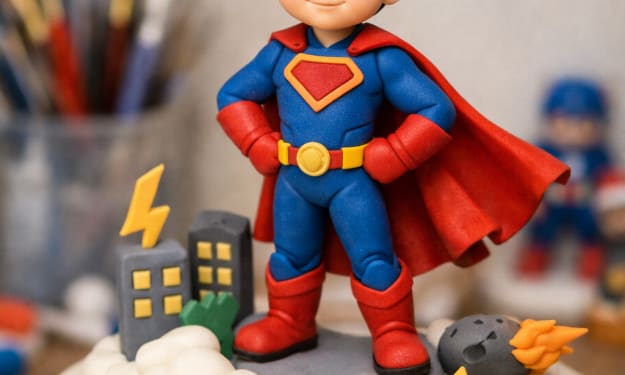
The Art Behind Superhero Cake Toppers and Why Handcrafted Details Matter
Superhero Cake Toppers sit at an interesting crossroads between pop culture, craft, and personal celebration. They may appear small and fleeting, yet they often carry outsized emotional weight. In recent years, these miniature figures have shifted from simple novelty items to thoughtfully made keepsakes that reflect storytelling, creativity, and care. Understanding why handcrafted details matter begins with recognizing that these toppers are not just decorations, but tiny sculptures shaped by cultural meaning and human skill.
By Rochelle Martinez3 days ago in Art
When the Shelter Closes
Across the street from my house, a man slept under a tree, his dog by his side. My first, naive thought: he must be traveling through. But he kept coming back, often sleeping there during the day. Then it hit me—that person might not have a home.
By Bride of Sound3 days ago in Humans



Comments
There are no comments for this story
Be the first to respond and start the conversation.