
What Is a Normal Price for a Concert Ticket?
What Is a Normal Price for a Concert Ticket?
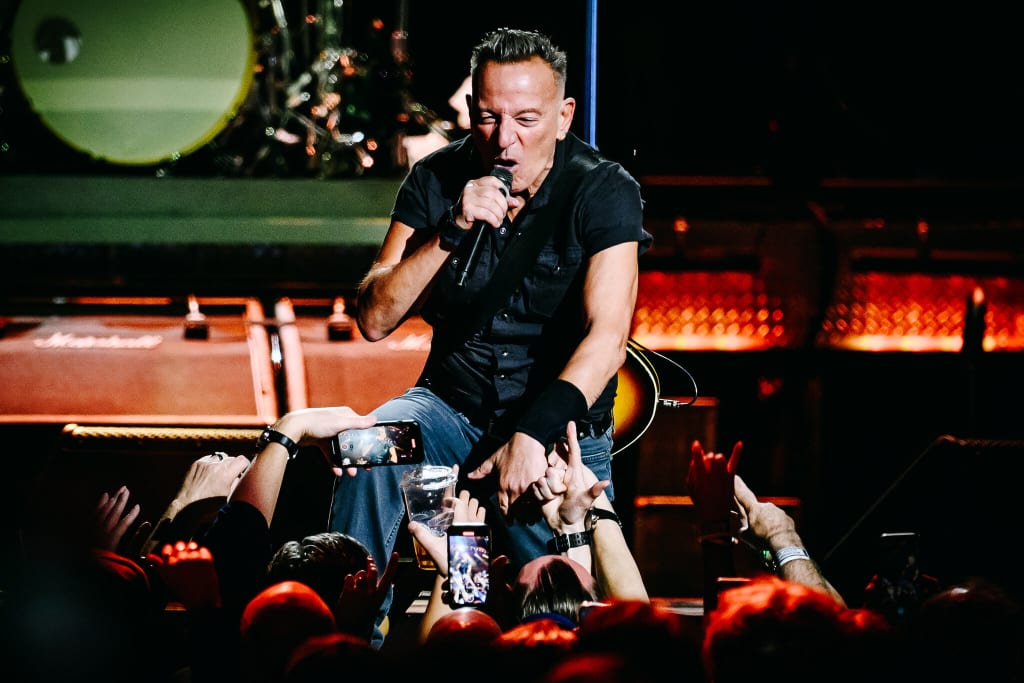
Attending a concert is one of the most exhilarating experiences for music lovers. The energy, the live performances, and the sense of community make it a memorable experience. However, one of the most important questions for concert-goers is: how much does a concert ticket cost
In this article, we’ll explore the factors that influence the price of a concert ticket, provide an overview of the price ranges for different types of concerts. We’ll also help you understand what to expect when budgeting for your next live event. Whether you're going to see a local band, a rising artist, or a world-famous headliner, understanding how concert ticket prices work can help you make more informed decisions.
Factors That Influence Concert Ticket Prices
The price of a concert ticket isn’t set in a vacuum. Several factors come into play when determining how much you’ll need to pay. These factors include:
1. Artist Popularity
One of the biggest factors that influences the price of a concert ticket is the artist’s popularity. If you're going to see an artist who is internationally recognized and has a huge following, such as Beyoncé, Taylor Swift, or BTS, you can expect ticket prices to be high. These artists are in high demand, and venues can charge a premium because they know fans are willing to pay more for the experience of seeing their favorite stars live. On the other hand, tickets for smaller or local bands tend to be more affordable.
2. Venue Size and Location
The size of the venue plays a crucial role in determining ticket prices. Larger venues, such as stadiums and arenas, often charge more because they can accommodate more people, and they offer larger production setups. A stadium concert for an A-list artist will almost always be more expensive than a concert at a small local venue, like a club or a theater.
The location also matters. Concerts in major cities like New York, Los Angeles, or London often come with higher ticket prices than those in smaller towns, partly because of higher operating costs in large cities and partly because demand tends to be higher.
3. Production Costs
Concerts are more than just live performances; they are full-scale productions with lighting, sound systems, special effects, and, in many cases, elaborate stage setups. The more intricate the production, the more expensive the concert ticket. Artists like Lady Gaga, The Weeknd, and Coldplay, who put on large-scale shows with high production value, often have ticket prices that reflect the cost of these productions.
4. Time of Purchase
When you purchase your ticket also affects the price. Tickets tend to be cheaper when they first go on sale, as promoters and artists want to ensure they sell a substantial portion of tickets early on. As the concert date approaches, the remaining tickets may become more expensive, especially if it's a sold-out show. In some cases, buying tickets on secondary markets like StubHub can also lead to higher prices, as sellers may mark up tickets to make a profit.
5. Type of Seating
Ticket prices vary significantly based on seating type. General admission (GA) tickets, which allow attendees to stand close to the stage or find their own seating, are usually cheaper than reserved seating. VIP or front-row seats often come with a much higher price tag. Many concerts also offer various tiers of VIP experiences, such as meet-and-greets or exclusive merchandise, which can drastically increase the cost of a ticket.
6. Ticket Fees
Another important thing to consider is ticket fees. Most concert tickets come with additional service fees, taxes, and processing fees that can add anywhere from 10% to 30% to the total ticket price. These fees are often unavoidable when purchasing through major ticketing platforms like Ticketmaster, Live Nation, or SeatGeek.
7. Resale Market
The resale market is a significant factor in concert ticket pricing, especially for sold-out events. Once tickets are no longer available at face value, fans often turn to resale platforms like StubHub, Vivid Seats, or SeatGeek, where prices can skyrocket based on demand. For highly sought-after concerts, resale prices can reach several times the original ticket price.
Price Ranges for Different Types of Concerts
Now that we’ve discussed the factors influencing concert ticket prices, let’s break down what you can expect to pay for different types of concerts:
1. Small or Local Concerts
Small concerts, often held in intimate venues like bars, clubs, or small theaters, typically offer tickets at much lower prices. For local artists or up-and-coming bands, ticket prices usually range from $10 to $40. These concerts are a great way to enjoy live music without breaking the bank, and you might even discover the next big star before they hit the mainstream.
2. Mid-Tier Concerts
Mid-tier artists, those who are popular but not yet global superstars, often perform at medium-sized venues such as theaters or smaller arenas. Ticket prices for these concerts usually fall between $40 and $100, depending on the artist and the location. Artists like Hozier, The 1975, or Tove Lo might fall into this category. These concerts offer a balance between affordability and quality, as you're still likely to see an impressive show with a good production value.
3. Major Concerts (A-List Artists)
For A-list artists who are at the top of the charts and have massive global followings, concert ticket prices can be significantly higher. If you’re going to see superstars like Taylor Swift, Drake, or The Rolling Stones, you can expect to pay anywhere from $100 to $500 or more for a ticket, depending on the seating and the city. VIP packages and front-row seats for these concerts can go for thousands of dollars.
4. Music Festivals
Music festivals are a different kind of concert experience, as they typically feature multiple artists and span several days. Festival tickets tend to be more expensive upfront because you're paying for access to multiple performances. Depending on the festival, prices can range from $150 to $500 for general admission, while VIP passes or premium experiences can cost $1,000 or more. Festivals like Coachella, Lollapalooza, and Glastonbury often have tiered pricing options, and ticket prices can increase as the event draws near.
What Should You Expect When Budgeting for a Concert?
While ticket prices vary widely depending on the factors we’ve outlined, here’s a general breakdown of what you can expect:
Small Venue or Local Band: $10 to $40
Mid-Tier Artist or Theater Show: $40 to $100
Popular Artist in Large Venue: $100 to $500
Music Festival: $150 to $1,000 (depending on ticket type)
In addition to the ticket price, remember to budget for other costs associated with attending a concert. These might include transportation, parking, food and beverages, and merchandise. For example, if you're driving to a concert in a big city, parking alone can cost anywhere from $20 to $50, depending on the venue.
How to Get the Best Deals on Concert Tickets
If you're looking to attend a concert without spending too much, here are some tips to help you get the best deal:
1. Buy Tickets Early
As mentioned earlier, tickets are often cheaper when they first go on sale. Keeping an eye on presale dates and signing up for artist or venue newsletters can help you get early access to tickets before they sell out or increase in price.
2. Use Verified Ticketing Platforms
Always purchase tickets from official or verified ticketing platforms. Avoid scalpers or unauthorized sellers, as these tickets may not be legitimate, and you could end up paying more than face value. Platforms like Ticketmaster, Live Nation, and SeatGeek are reliable sources for concert tickets.
3. Look for Discount Codes or Promotions
Some concerts offer discount codes or special promotions for certain groups, such as students, military personnel, or members of fan clubs. Keeping an eye on social media or the artist’s website can help you spot these promotions.
4. Consider Secondary Market Timing
If you're buying tickets on the resale market, prices often fluctuate as the event date approaches. While some tickets may increase in price, others may drop, especially if sellers are trying to offload them at the last minute. Be strategic and monitor prices on resale platforms to find the best deal.
Conclusion: What Is a Normal Price for a Concert?
In summary, there is no one-size-fits-all answer to the question of what a normal price for a concert ticket is. The cost can vary widely depending on factors like the artist’s popularity, the venue size, the location, and the production scale. For small local concerts, you might pay as little as $10, while tickets for A-list artists or major music festivals can easily reach several hundred dollars.
When budgeting for a concert, consider not only the ticket price but also other associated costs such as transportation, food, and merchandise. By understanding the factors that influence concert pricing and using strategies to find the best deals, you can make the most of your concert-going experience without overspending.
About the Creator
Keep reading
More stories from Jane Smith and writers in Art and other communities.
How Often Should You Repaint Interior Walls?
Repainting your interior walls can dramatically refresh the look and feel of your home. But how often should you actually repaint them? The answer depends on several factors, such as the type of room, the quality of the paint, and the wear and tear that the walls endure. Let’s explore the ideal repainting frequency for different areas of your home to keep your interior looking its best.
By Jane Smith about a year ago in Art
'Till Death We Do Art
There would be nothing divine in this world without art. Nature may surpass the divine to all intents and purposes, but like everything it absorbs and is absorbed by, it remains here, stuck on the surface of this world, ever-present, physically bound to the universe.
By Avocado Nunzella BSc (Psych) -- M.A.P 21 days ago in Art




Comments
There are no comments for this story
Be the first to respond and start the conversation.