
What are those BJD dolls and why are they so fascinating?
Tell me about those BJD dolls and why they're so amazing.
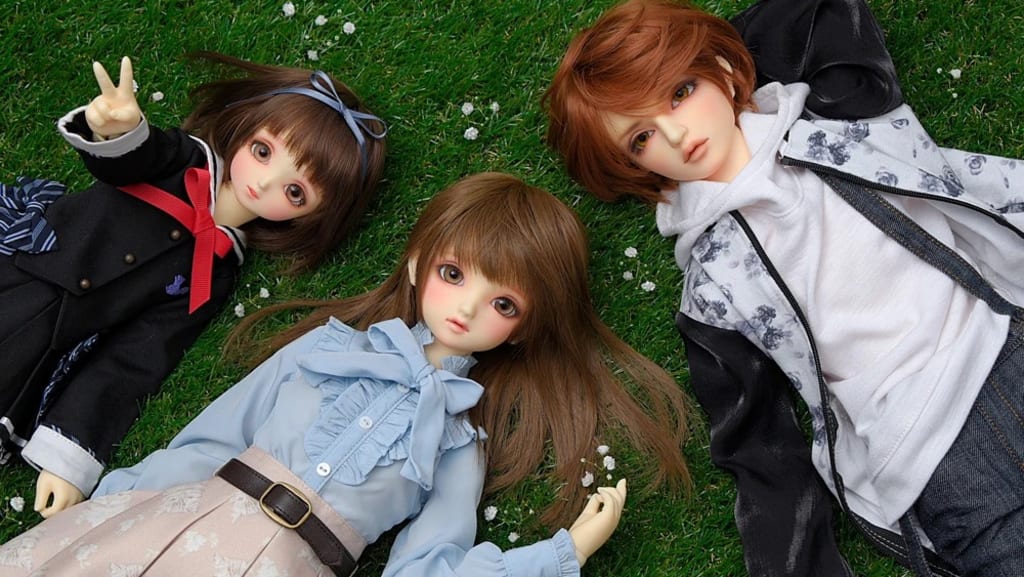
A BJD, or ball-jointed doll, features ball and socket joints (single or double) held together by an elastic string, as opposed to hinge joints commonly used in mass produced fashion dolls. These dolls are primarily made of resin, though they can also be made from Vinyl PVC, ABS plastic, porcelain, clay, or 3D printed resin and other plastics. BJDs are known for their articulation and typically have movement in the head, shoulders, elbows, wrists, hips, knees, and more.
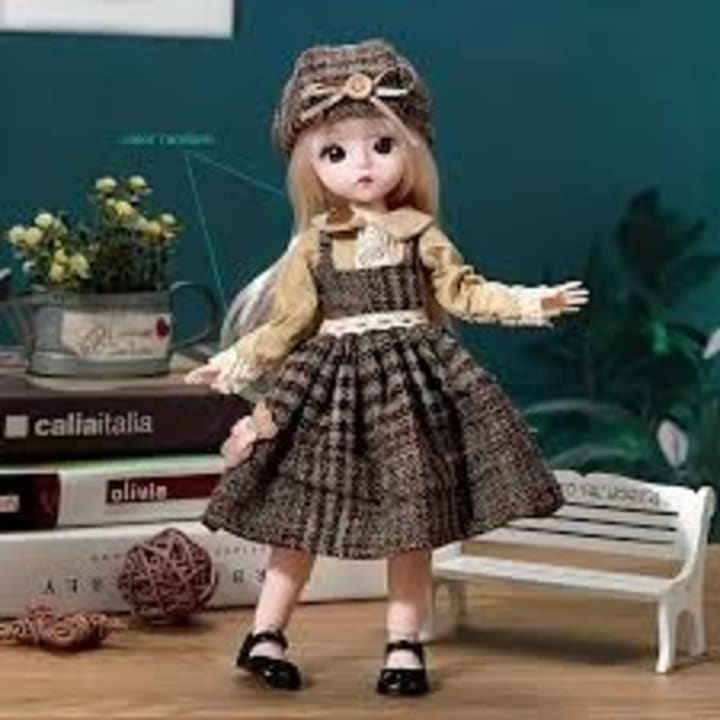
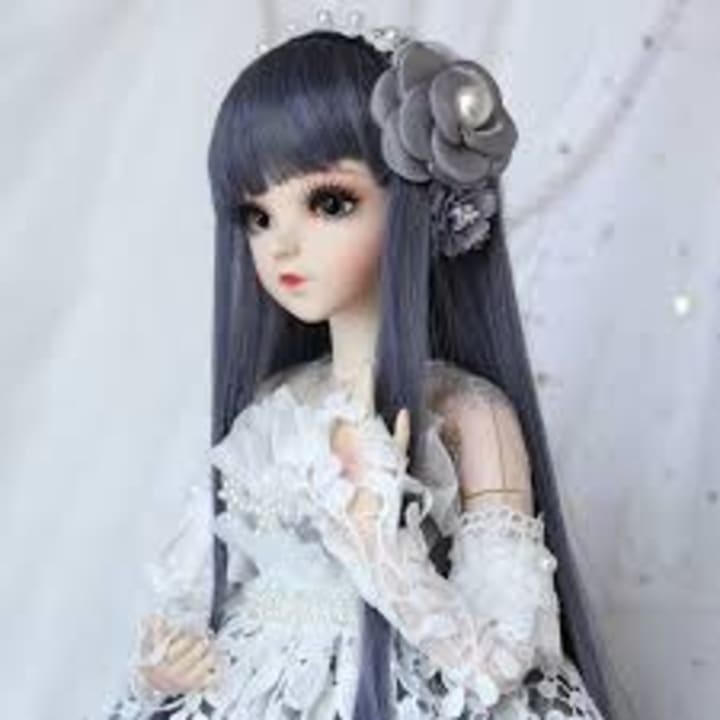
Some requirements for being considered a BJD include being able to remove and customize the hair (using materials such as yarn, wool, faux fur, mohair, saran, nylon, poly, or kanekalon), having a face plate or headcap unit for changing facial features and head sculpt, and featuring interchangeable eyes made of glass, acrylic, resin, or silicone. Although there are exceptions, mini BJDs typically have swappable headcaps even though they may be less customizable. It is worth noting that the quality of the doll's plastic and base materials is crucial for customization, as they must be able to withstand sanding, shaping, and sculpting. Additionally, BJDs usually have hand-painted faces rather than factory prints, making high-quality materials essential for achieving the best results with acrylic paints. Overall, BJDs offer a luxury experience with their extensive articulation, premium materials, and wide range of customization options. These dolls are not your average fashion dolls and are
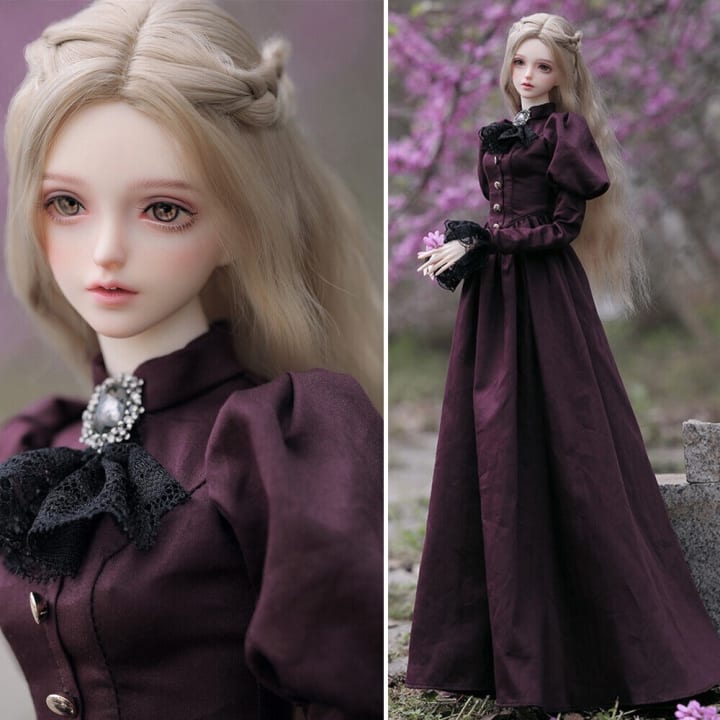
BJDs can have incredibly lifelike features or a more stylized, anime-inspired appearance, as most modern BJDs originate from East Asia (Japan, South Korea, and China). They come in a wide range of sizes, from mini dolls measuring 4 inches (10cm) to larger dolls reaching 27.5 inches (70cm). While bigger dolls are ideal for customization and intricate fashions, mini dolls should not be overlooked as they often offer some of the most intricate and enjoyable fashion options in the doll market.
The origin of ball-jointed dolls can be traced back to German bisque dolls created by renowned doll maker Hans Bellmer. This led to the production of some of the first BJDs in Japan, which were also made with bisque, a type of porcelain. These dolls were considered luxurious and highly expensive items. In Japan, Volks introduced the first commercially available BJD dolls made of resin, known as Super Dollfie, in 1999 (fun fact: there is a museum dedicated to these dolls at the company's headquarters in Japan!). South Korea followed suit in 2002 with companies like Luts' Delf (in collaboration with Japan's Cerberus Project) and Customhouse, while China joined the market in 2006 with their first original BJD dolls produced by Dollzone and Angell Studio.
BJDs are typically crafted by hand, using either clay or 3D printing techniques. The original master parts are used to make silicone molds, in which resin is poured and cured to produce the final body and face sculpts. These molds can be reused to make multiple dolls. This process of resin casting involves a more personal touch compared to the factory-injected molding used for traditional fashion dolls.
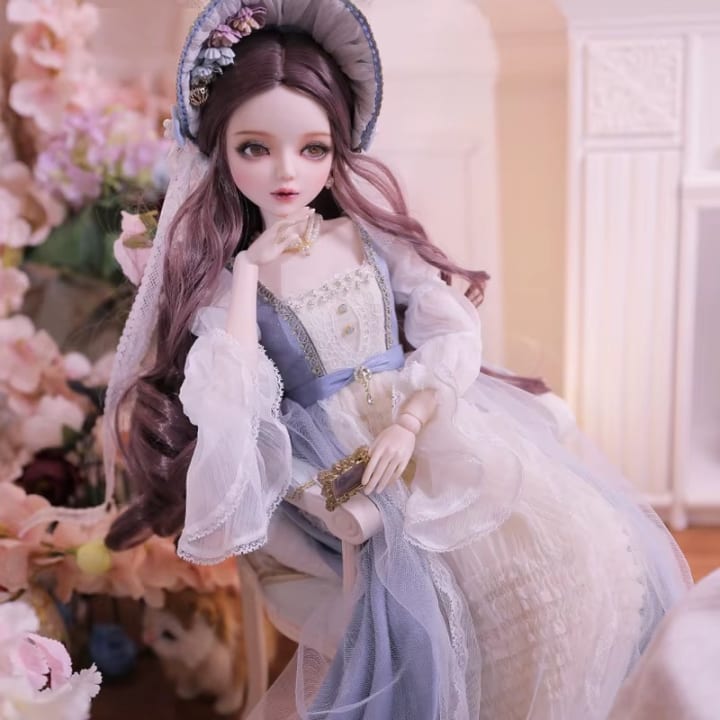
According to industry experts, the production of BJDs has seen a rise not only from independent designers, but also renowned companies. To find the most reliable information and largest database on BJDs, check out Den of Angels and a collectors book titled 'The BJD Orbyrarium'. Recasts, which involve stolen doll molds or 3D printer models and are often produced with lower quality materials at a cheaper price point, have become a major issue in the BJD community, particularly in China where copyright laws can be confusing and unfair. To avoid purchasing recasts, it is recommended to steer clear of places like Amazon and Aliexpress and instead use official stores approved by BJD companies or trusted distributors, as featured in the wiki. Further details and discussions on this topic can also be found on Den of Angels. Finally, keep in mind that if a listing has no name or too many names, it is likely a recast.
BJDs can also have an internal skeleton frame and an outer shell or body casing. Most BJDs are made of resin and have elastic joints, but some are made of vinyl PVC with shell pieces that snap onto internal frames without elastics, known as MJDs or mechanical jointed dolls. While MJDs may have ball joints, they often have hinge joints, so be sure to check the descriptions before purchasing. Although some consider MJDs a subset of BJDs, many fans view them as separate dolls. Japans Smart dolls and Obitsu doll bodies are examples of MJDs. Another branch, CJD or Capsule Jointed Dolls, is more closely related to MJDs than BJDs. Like MJDs, CJDs have a skeletal structure, but their soft, malleable PVC plastic and PlasticSoft rubber shell is meant to imitate skin and hide the joints. Kemo from China, currently working with Kikagoods
About the Creator
Keep reading
More stories from china inspection service and writers in Art and other communities.
China's suit manufacturer Redcollar leads the way in mass customized tailoring
Custom made suits are highly coveted by those looking for a more refined appearance, but the extensive manual labor involved in creating one, from initial measurements to final alterations, has made it a luxury item for the general public.
By china inspection service10 months ago in Men
'Till Death We Do Art
There would be nothing divine in this world without art. Nature may surpass the divine to all intents and purposes, but like everything it absorbs and is absorbed by, it remains here, stuck on the surface of this world, ever-present, physically bound to the universe.
By Avocado Nunzella BSc (Psych) -- M.A.P 27 days ago in Art




Comments
There are no comments for this story
Be the first to respond and start the conversation.