
What Are Kaomoji? The Art of Expressing Emotions in Text
What Are Kaomoji? The Art of Expressing Emotions in Text

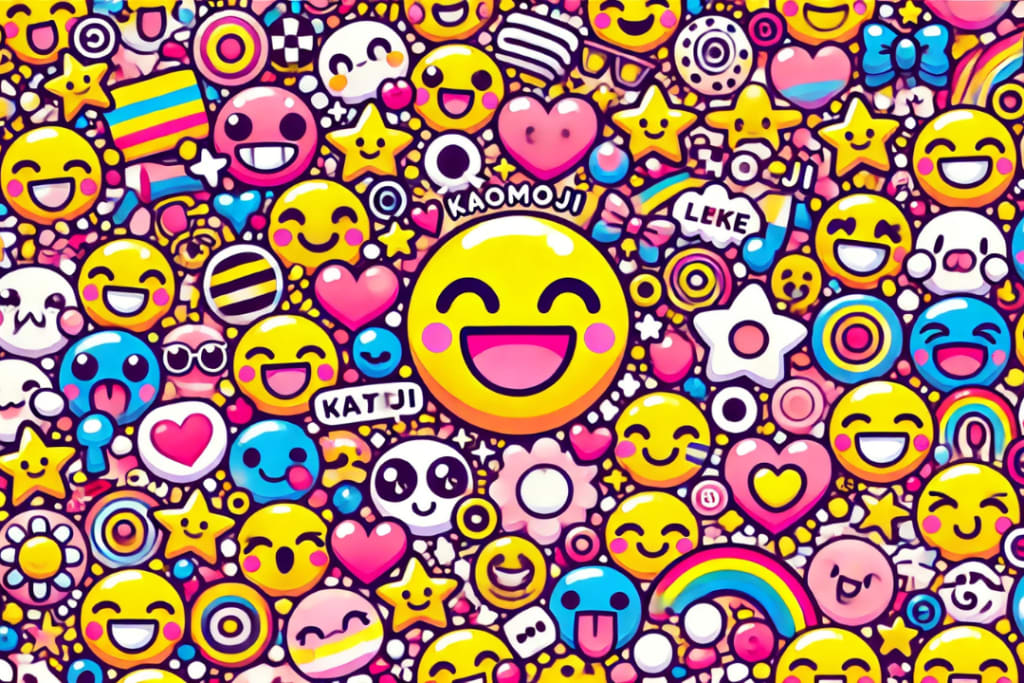
In the digital age, expressing emotions in text messages can be tricky. While emojis have become the universal language of emotions, another art form predates them: kaomoji. These Japanese emoticons, made entirely of keyboard characters, bring charm, creativity, and a personal touch to online communication.
Kaomoji (顔文字), which translates to "face characters," allow users to convey emotions, actions, and even entire scenes through text. Unlike traditional Western emoticons like :) or :(, kaomoji use a variety of characters to create detailed and expressive faces. Let’s dive into the world of kaomoji and explore their history, meaning, and usage.
The Origin of Kaomoji
A Japanese Innovation
Kaomoji originated in Japan in the early 1980s as a way to add emotion to plain text. The first widely recognized kaomoji, (^_^), was created by Japanese users who sought a more expressive alternative to Western emoticons.
Unlike simple sideways emoticons, kaomoji are designed to be read upright, mimicking facial expressions more naturally. This design aligns with Japanese aesthetics and the cultural emphasis on subtle emotional expression.
The Evolution of Text-Based Art
As internet forums and messaging platforms gained popularity, kaomoji evolved into a cultural phenomenon. Users began experimenting with different keyboard characters to create more elaborate designs, resulting in a wide variety of kaomoji that represent everything from joy and sadness to animals and entire scenes.
Today, kaomoji are a beloved part of digital communication in Japan and beyond, often used alongside emojis and stickers to add personality to messages.
What Makes Kaomoji Unique?
Upright Orientation
One of the defining features of kaomoji is their upright orientation. Unlike traditional emoticons such as :-), kaomoji are read as they appear, making them more intuitive and visually appealing. For example:
- Happy: (^▽^)
- Sad: (;_;)
- Excited: \(^o^)/
Use of Special Characters
Kaomoji often incorporate a wide range of characters, including punctuation marks, letters, and symbols. This flexibility allows for intricate designs that convey specific emotions or scenarios. For instance:
- Confused: (°_°)
- Blushing: (*´∀`)
- Winking: (^_−)☆
The creativity behind kaomoji sets them apart from other forms of text-based expression.
Online Resources
Numerous websites and apps offer kaomoji libraries that you can copy and paste into your messages. Popular platforms like Kaomojis.blog or Emoticon Central provide extensive collections categorized by emotion or theme.
How Kaomoji Enhance Digital Communication
Adding Emotional Depth
Kaomoji bring emotions to life in ways that simple words or punctuation cannot. Whether you’re expressing happiness, frustration, or playfulness, kaomoji make your messages more engaging and relatable.
For example, instead of saying "I'm excited," you could write: O(≧▽≦)O! The visual appeal of kaomoji immediately conveys your enthusiasm.
Fostering Creativity
Using kaomoji encourages creativity in digital communication. With countless combinations of characters to choose from, users can experiment with different designs to create unique and personalized expressions.
For instance, you can modify a basic kaomoji to suit your mood:
- Basic smile: (^_^)
- Extra happy: (^o^)丿
- Smiling with stars: ☆彡(^_^)☆彡
Popular Types of Kaomoji
Happy and Cheerful
Happiness is one of the easiest emotions to express with kaomoji. Here are some examples:
- Smiling: (^_^)
- Laughing: (*≧▽≦)
- Celebrating: ヽ(•‿•)ノ
Sad or Apologetic
Kaomoji can also convey sadness, empathy, or regret:
- Crying: (T_T)
- Apologizing: m(_ _)m
- Disappointed: (╯︵╰,)
Animals and Objects
Kaomoji aren’t limited to faces; they can also depict animals, objects, and actions:
- Cat: (=^・ω・^=)
- Bunny: ( ̄(エ) ̄)
- Sleeping: (-_-) zzz
These designs add variety and playfulness to your messages.
How to Use Kaomoji in Everyday Communication
In Text Messages
Kaomoji are perfect for spicing up everyday conversations. They add personality and emotional nuance to your messages, making them more engaging. For example:
- "I’m so happy today! (^▽^)"
- "Sorry for the mistake… (;´Д`)"
On Social Media
Kaomoji are widely used on platforms like Twitter, Instagram, and TikTok to add flair to posts and captions. Their versatility makes them ideal for expressing everything from excitement about an event to gratitude for followers.
For instance:
- "Thank you for 1,000 followers! \(^o^)/"
- "Loving this weather! (☀️´▽`☀️)"
- Where to Find Kaomoji
Built-In Keyboards
Many smartphones and computers now include kaomoji as part of their emoji or special character keyboards. Simply navigate to the "kaomoji" section to find a variety of options.
Conclusion
Kaomoji are a delightful way to express emotions and creativity in digital communication. Their unique designs, rooted in Japanese culture, bring personality and depth to text-based interactions.
Whether you’re a seasoned kaomoji user or just discovering them, incorporating these expressive symbols into your messages can make your conversations more fun and engaging. So next time words aren’t enough, let a kaomoji do the talking: ヽ(⌒∇⌒)ノ!
About the Creator
Martin L Hauk
Martin is a visionary storyteller with a passion for exploring the world through words. With a keen eye for detail and a creative soul, he brings life to every project he touches.
Keep reading
More stories from Martin L Hauk and writers in Art and other communities.
How a School Closure Calculator Predicts Snow Day Closures in Canada
If you’ve ever experienced the excitement of a snow day as a student or the logistical challenges as a parent, you’ve probably wondered: How do schools decide when to close? In Canada, where winter weather can range from mild flurries to blizzards, predicting snow day closures is no small task. Enter the school closure calculator—a tool designed to help administrators make these critical decisions.
By Martin L Haukabout a year ago in Education
Bone Carvings
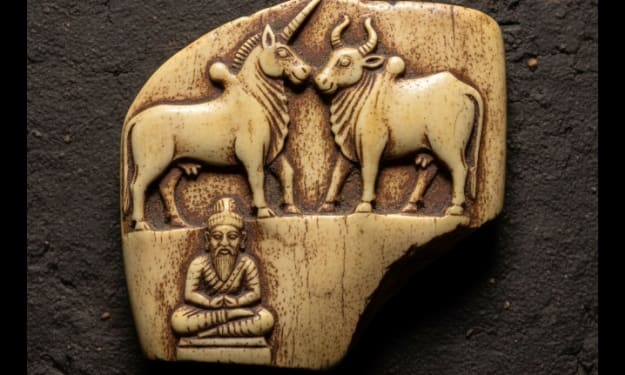
Long before marble statues, bronze sculptures, or digital art, humans carved meaning into what they had closest at hand—stone, wood, and bone. Among these, bone carvings stand as one of the most intimate and haunting art forms ever created. Made from the remains of animals hunted for survival, bone carvings blur the boundary between necessity and creativity, life and death, utility and beauty. Bone carving is not merely an ancient craft; it is a universal language that spans continents, cultures, and centuries. From prehistoric tools etched with symbolic patterns to sacred amulets and intricate modern artworks, bone carvings reveal how humans have always sought to transform mortality into meaning. The Origins of Bone Carving Bone carving dates back tens of thousands of years. Archaeological discoveries show that early humans carved bones to create tools, ornaments, and ritual objects. Unlike stone, bone was easier to shape and carried symbolic value—it came from living beings that sustained human life. Some of the earliest bone carvings include needles, fishhooks, flutes, and figurines found in Ice Age settlements. These objects prove that even in harsh survival conditions, humans made time for art. The act of carving itself became a quiet rebellion against impermanence. Bone was not chosen randomly. It represented strength, continuity, and the transfer of life from one being to another. In many cultures, carving bone was an act of respect rather than destruction. Bone as a Medium: Fragile Yet Powerful Bone is both fragile and resilient. It can crack under pressure, yet it can last thousands of years when preserved. This paradox makes bone a compelling artistic medium. Artists working with bone must understand its natural curves, density, and grain. Unlike wood or stone, bone demands patience and precision. Every mistake is permanent. This difficulty is part of the art’s appeal. Bone carving forces the artist to collaborate with nature rather than dominate it. The result is often intimate, organic, and deeply personal. Cultural Significance Across the World Bone carvings appear in nearly every ancient civilization, each with unique meanings and styles. Indigenous Arctic cultures carved bone and ivory into tools, masks, and spiritual figures, often depicting animals that guided their survival. African societies used bone carvings in ritual objects, symbolizing ancestry, protection, and communication with spirits. Asian traditions, particularly in Tibet and China, carved bone into prayer beads, amulets, and symbolic ornaments associated with impermanence and enlightenment. Polynesian and Maori cultures created intricate bone pendants that represented identity, lineage, and spiritual power. In many societies, bone carvings were never considered “decorative.” They were sacred objects, carrying energy, memory, and purpose. Symbolism: Life, Death, and Transformation At the heart of bone carving lies symbolism. Bone represents what remains after life has passed, making it a powerful metaphor for endurance and transformation. Carving bone is often interpreted as: Turning death into beauty Honoring the spirit of an animal Preserving memory beyond mortality Accepting impermanence while creating permanence Many spiritual traditions view bone carvings as reminders that life and death are not opposites, but parts of the same cycle. Bone Carvings as Functional Art Historically, bone carvings were not displayed in galleries. They were worn, held, used, and trusted. Combs, buttons, weapon handles, musical instruments, and tools were often decorated with carvings. This fusion of function and art challenges modern ideas about creativity. Bone carvings prove that art does not need a frame or a pedestal—it can live in the hands of everyday people. The Ethics of Bone Carving In the modern world, bone carving raises ethical questions. Conservation laws and animal rights concerns have reshaped how artists source materials. Today, responsible bone carving relies on: Naturally deceased animals Recycled or archaeological bone (where legal) Agricultural byproducts Many contemporary artists emphasize respect and sustainability, ensuring that the craft does not exploit wildlife. This ethical shift has given bone carving a renewed moral dimension, aligning ancient traditions with modern values. Modern Bone Carving: A Revival Despite being ancient, bone carving has not disappeared. In fact, it is experiencing a quiet revival. Contemporary artists use bone to explore themes such as: Identity and ancestry Environmental loss Mortality and memory Human connection to nature Modern bone carvings often combine traditional techniques with abstract forms, transforming the medium into a bridge between past and present. Social media and independent art platforms have also helped bring this hidden art form into public view, allowing global audiences to appreciate its depth. Bone Carvings in Museums and Galleries Major museums around the world preserve bone carvings as historical treasures. These artifacts offer rare insight into how early humans thought, believed, and expressed themselves. However, bone carvings still exist on the margins of the art world. They challenge conventional ideas of beauty and comfort, forcing viewers to confront mortality and material truth. This discomfort is precisely what gives bone carvings their power. Why Bone Carvings Still Matter In an age dominated by digital art and mass production, bone carvings remind us of something essential: art is born from touch, time, and intention. They tell stories without words. They connect us to ancestors we will never meet. They remind us that creativity existed long before comfort. Bone carvings are not relics of the past—they are mirrors reflecting humanity’s oldest questions. Conclusion: Art That Refuses to Fade Bone carvings stand at the intersection of survival and spirituality, art and memory. They are carved from what remains, yet they endure. In every groove and pattern lies a silent message: humans have always created meaning, even from loss. Bone carvings are not just art. They are proof that creativity survives—even after life has passed.
By Zahid Hussainabout 18 hours ago in Art


Comments
There are no comments for this story
Be the first to respond and start the conversation.