
How a School Closure Calculator Predicts Snow Day Closures in Canada
Predicts Snow Day Closures

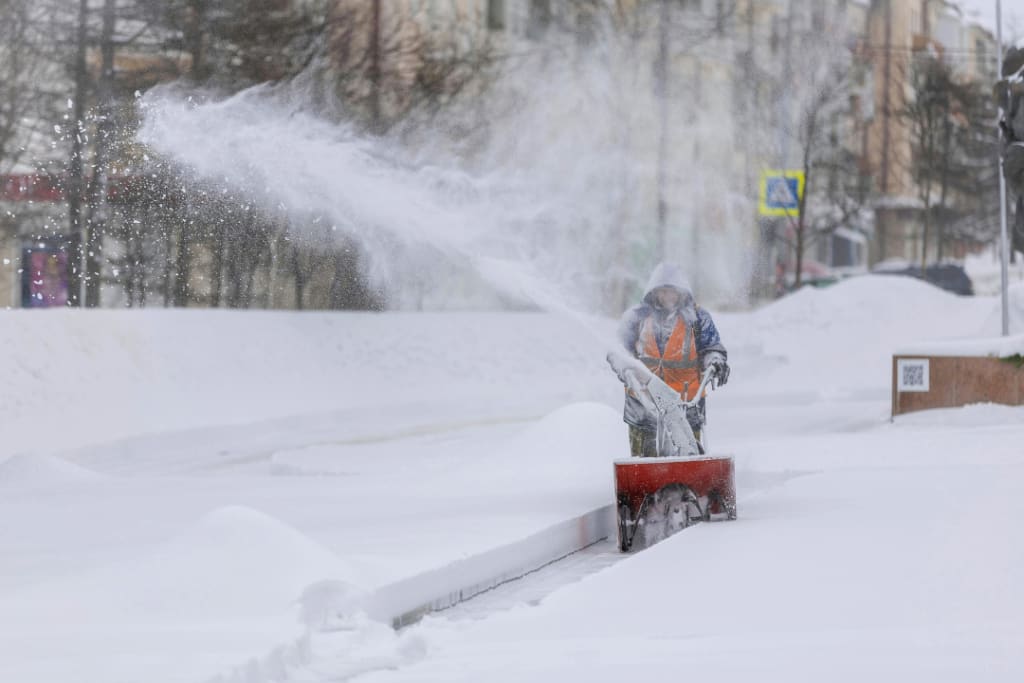
If you’ve ever experienced the excitement of a snow day as a student or the logistical challenges as a parent, you’ve probably wondered: How do schools decide when to close? In Canada, where winter weather can range from mild flurries to blizzards, predicting snow day closures is no small task. Enter the school closure calculator—a tool designed to help administrators make these critical decisions.
This article explores how a school closure calculator predicts snow day closures in Canada. From the science behind weather forecasting to the factors that influence school closures, we’ll dive into everything you need to know about this fascinating process. By the end, you’ll have a better appreciation for how technology ensures student safety while minimizing disruptions to education.
What Is a School Closure Calculator?
Definition and Purpose
A school closure calculator is a digital tool that uses data to predict whether schools should close due to inclement weather, particularly snowstorms. These calculators analyze various factors, including weather forecasts, road conditions, and local policies, to assess the likelihood of safe travel for students and staff.
The goal of the school closure calculator is to streamline decision-making. By relying on data and predictive models, schools can make informed choices quickly, reducing uncertainty for parents, students, and teachers.
Why Is It Important?
In a country like Canada, where winter conditions vary dramatically from region to region, safety is a top priority. Slippery roads, reduced visibility, and extreme cold can pose significant risks. A reliable tool like a school closure calculator helps balance safety concerns with the need to maintain regular school operations whenever possible.
How a School Closure Calculator Predicts Snow Day Closures in Canada
The Role of Weather Data
Weather data is at the heart of any school closure calculator. These tools rely on real-time forecasts from meteorological services, which include:
- Snowfall predictions: How much snow is expected, and over what time period?
- Wind conditions: High winds can create snowdrifts and reduce visibility, increasing hazards on the road.
- Temperature: Extremely cold temperatures, often accompanied by wind chill, can lead to frostbite and other health risks for children waiting at bus stops.
By analyzing this data, the calculator assesses the severity of the weather and predicts how it will affect school operations.
Factors Influencing Predictions
In addition to weather, several local factors influence how a school closure calculator predicts snow day closures in Canada:
- Road Conditions: Ice and snow-covered roads can make travel hazardous. The calculator often incorporates reports from local transportation authorities to evaluate whether buses can safely operate.
- Geographic Location: Urban areas with robust snow-clearing operations might remain open, while rural schools with less infrastructure may need to close.
- Historical Data: Past weather patterns and their outcomes can help fine-tune predictions. For example, if a region typically experiences closures during similar conditions, the calculator may factor this into its prediction.
The Technology Behind School Closure Calculators
Machine Learning and Algorithms
Modern school closure calculators often utilize machine learning algorithms to improve accuracy. These algorithms analyze historical data, including past weather events and their outcomes, to identify patterns. For instance, if a particular combination of snowfall and wind speed has consistently led to closures, the system will flag similar conditions as high-risk.
Real-Time Updates
Another key feature of school closure calculators is their ability to process real-time updates. Weather conditions can change rapidly, especially during Canadian winters. By continuously updating with new data, the calculator ensures that administrators have the most accurate information at their disposal.
User-Friendly Interfaces
Most school closure calculators are designed with ease of use in mind. Administrators can input specific details about their district, such as transportation policies or local snow-clearing capabilities, to customize the tool's recommendations. This user-friendly design ensures that even those without a technical background can benefit from the calculator's insights. To further enhance decision-making during winter, tools like a snow day predictor can provide real-time predictions based on weather data, historical patterns, and localized algorithms. These advanced systems are particularly helpful for districts that experience frequent snowfall, offering precise insights to prepare in advance.
A reliable snow day predictor not only assists school administrators but also benefits parents and students by providing timely updates on potential school closures. This ensures everyone can plan their day effectively, whether it’s arranging childcare, rescheduling work commitments, or enjoying an unexpected break. By incorporating modern technology and user-friendly interfaces, these predictors have become indispensable tools in regions prone to winter disruptions.
The Human Element: Balancing Data with Judgment
Why Human Oversight Is Necessary
While a school closure calculator provides valuable data, it’s not infallible. Human judgment plays a critical role in the final decision. Administrators must consider factors that the calculator cannot account for, such as:
- Feedback from transportation staff about road conditions.
- Input from local authorities regarding emergency services.
- Community-specific considerations, such as whether families rely on schools for childcare.
Case Study: Snow Day Decisions in Rural vs. Urban Areas
In rural areas, where snow-clearing operations may be slower, administrators might lean more heavily on the calculator’s predictions. Conversely, in urban areas with well-maintained roads, they might use the tool as just one of many inputs. This balance ensures that decisions are both data-driven and contextually appropriate.
How Parents and Students Benefit from Snow Day Calculators
Reduced Uncertainty
For parents and students, one of the biggest advantages of snow day calculators is reduced uncertainty. Instead of waiting until the last minute for announcements, families can often get earlier predictions about potential closures. This allows them to plan childcare or other arrangements in advance.
Improved Safety
By basing decisions on data, school closure calculators prioritize safety. Whether it’s preventing bus accidents on icy roads or keeping kids out of dangerously cold weather, these tools help ensure that closures happen when they’re truly needed.
Practical Tips for Using Snow Day Predictions
1. Stay Updated
Even with a school closure calculator, it’s important to monitor official announcements from your school district. Weather conditions can change quickly, and final decisions may differ from early predictions.
2. Prepare for Both Scenarios
Whether schools stay open or close, having a backup plan is always a good idea. For example, arrange for childcare in advance or prepare activities to keep kids engaged during a snow day.
3. Use Publicly Available Tools
Some school districts offer access to simplified versions of their closure calculators. Parents can use these tools to get a general sense of the likelihood of closures, helping them plan accordingly.
The Future of Snow Day Calculations
Integration with Smart Technology
As technology advances, school closure calculators are likely to become even more sophisticated. Imagine a tool integrated with smart city infrastructure, pulling real-time data from sensors on roads and weather stations. This could provide hyper-local predictions, further improving accuracy.
Expanding Beyond Snow Days
While snow day closures are the primary focus in Canada, similar calculators could be used for other emergencies, such as extreme heat or flooding. The same data-driven approach can help schools make informed decisions in a variety of scenarios.
Conclusion
How a school closure calculator predicts snow day closures in Canada is a blend of cutting-edge technology and human judgment. By analyzing weather data, road conditions, and local factors, these tools help administrators make informed decisions that prioritize safety while minimizing disruptions.
For parents, students, and teachers, snow day calculators offer peace of mind and better planning. As technology continues to evolve, these tools will only become more accurate and versatile, ensuring that Canadian schools are prepared for whatever winter throws their way.
About the Creator
Martin L Hauk
Martin is a visionary storyteller with a passion for exploring the world through words. With a keen eye for detail and a creative soul, he brings life to every project he touches.
Keep reading
More stories from Martin L Hauk and writers in Education and other communities.
How Percentage Changes Impact Your Finances
Have you ever wondered why financial experts emphasize percentages so much? Whether it’s calculating interest on your savings, assessing the return on investments, or analyzing how inflation affects your expenses, percentages are the foundation of sound financial decision-making. Understanding how percentage changes impact your finances is crucial because even small shifts can lead to significant outcomes over time.
By Martin L Haukabout a year ago in Education
Everyday Cooking Skills That Turn Home Kitchens Into Creative Spaces
Cooking at home is more than a routine task. It is a practical life skill that supports better health, saves money, and encourages creativity. While recipes are helpful, true kitchen confidence comes from understanding essential cooking skills that work across countless dishes. When home cooks grasp these fundamentals, they can adapt recipes, solve problems, and cook with freedom rather than fear.
By Erika Mackinnonabout 16 hours ago in Education



Comments
There are no comments for this story
Be the first to respond and start the conversation.