
Unveiling the Power of Fenugreek: A Comprehensive Guide to Its Benefits and Advantages
Unveiling the Power of Fenugreek: A Comprehensive Guide to Its Benefits and Advantages

Unveiling the Power of Fenugreek: A Comprehensive Guide to Its Benefits and Advantages
I. Introduction
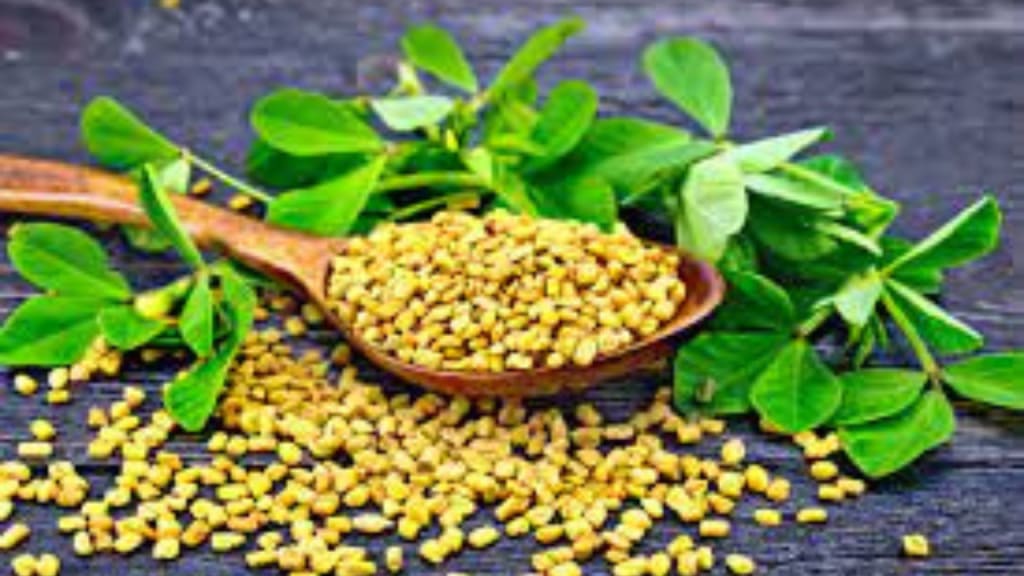
Fenugreek, scientifically known as Trigonella foenum-graecum, is a versatile herb with a rich history and a wide array of benefits. In this comprehensive guide, we will delve into the depths of fenugreek's advantages, shedding light on its cultural significance, nutritional composition, and its incredible potential to support various aspects of health and wellness.
II. Understanding Fenugreek
Origins and Botanical Information
Fenugreek has a long-standing history and originates from the Mediterranean region. It has been cultivated and used for thousands of years, dating back to ancient civilizations such as Egypt, Greece, and India. This herb belongs to the Fabaceae family and is characterized by its small leafy greens, delicate white flowers, and distinctive aroma.
Nutritional Composition and Key Components
Fenugreek is a nutritional powerhouse, containing a wide range of essential vitamins, minerals, and bioactive compounds. It is a great source of fiber, protein, iron, magnesium, and manganese. Moreover, it is rich in antioxidants, including flavonoids and polyphenols, which contribute to its therapeutic properties.
III. Health Benefits of Fenugreek
A. Promoting Digestive Health
Soothing Indigestion and Bloating
Fenugreek seeds possess anti-inflammatory properties that help soothe digestive discomforts such as indigestion and bloating. They can aid in reducing gastric inflammation and easing the symptoms associated with gastrointestinal disorders.
Alleviating Stomach Ulcers
The mucilage present in fenugreek seeds acts as a protective layer for the stomach lining, providing relief from painful ulcers. Additionally, the herb's antioxidant content helps combat the underlying causes of ulcers, promoting faster healing.
B. Enhancing Metabolic Function
Regulating Blood Sugar Levels
Fenugreek has been extensively studied for its potential to regulate blood sugar levels. The soluble fiber and compounds like trigone lline found in fenugreek can help improve insulin sensitivity and reduce the risk of developing type 2 diabetes.
Managing Diabetes
Studies have shown that fenugreek supplementation may help individuals with diabetes manage their condition more effectively. It can contribute to improved glycemic control, reduced fasting blood glucose levels, and decreased insulin resistance.
C. Boosting Immune System
Strengthening Natural Defenses
The immune-boosting properties of fenugreek are attributed to its high antioxidant content. These antioxidants help neutralize harmful free radicals and support the body's natural defense mechanisms, promoting overall immune system strength.
Combating Infections and Diseases
Fenugreek possesses antimicrobial and anti-inflammatory properties that can aid in combating various infections and diseases. It may help alleviate symptoms associated with respiratory tract infections, skin infections, and certain gastrointestinal ailments.
D. Supporting Heart Health
Lowering Cholesterol Levels
Regular consumption of fenugreek has been associated with reduced levels of low-density lipoprotein (LDL) cholesterol, often referred to as "bad" cholesterol. Fenugreek's soluble fiber content helps inhibit cholesterol absorption, thus promoting cardiovascular health.
Reducing the Risk of Cardiovascular Diseases
The presence of saponins and flavonoids in fenugreek contributes to its potential cardiovascular benefits. These compounds help reduce inflammation, improve blood flow, and prevent the formation of blood clots, thereby lowering the risk of heart diseases.
E. Improving Women's Health
Alleviating Menstrual Symptoms
Fenugreek has long been used as a natural remedy for menstrual discomfort. Its anti-inflammatory and analgesic properties can help alleviate cramps, bloating, and other symptoms associated with menstruation.
Enhancing Milk Production in Nursing Mothers
Breastfeeding mothers can benefit from fenugreek's galactagogue properties, which stimulate milk production. Fenugreek supplements or tea can be used to support lactation and enhance milk supply.
F. Enhancing Male Health
Increasing Testosterone Levels
Fenugreek supplementation has shown promising results in boosting testosterone levels in men. This hormone plays a crucial role in muscle growth, energy levels, and overall vitality.
Addressing Erectile Dysfunction
Some studies suggest that fenugreek may help improve symptoms of erectile dysfunction by enhancing blood flow and supporting healthy sexual function.
G. Supporting Weight Management
Suppressing Appetite and Cravings
Fenugreek's soluble fiber content creates a feeling of fullness, reducing appetite and curbing cravings. It can contribute to better portion control and weight management.
Aiding in Healthy Weight Loss
The thermogenic properties of fenugreek may aid in boosting metabolism and promoting the breakdown of stored fat, facilitating healthy weight loss when combined with a balanced diet and regular exercise.
H. Enhancing Skin and Hair Health
Treating Acne and Skin Inflammation
Fenugreek possesses anti-inflammatory and antimicrobial properties that can help reduce acne breakouts and alleviate skin inflammation. Applying fenugreek paste or oil topically may promote clearer and healthier skin.
Promoting Hair Growth and Strengthening
Fenugreek seeds are known to improve hair health and stimulate hair growth. They provide essential nutrients to the hair follicles, strengthening the roots and preventing hair loss.
I. Enhancing Mental Health
Reducing Stress and Anxiety
Fenugreek contains compounds that possess adaptogenic properties, helping the body cope with stress and anxiety. Incorporating fenugreek into your diet may contribute to improved mental well-being.
Improving Cognitive Function
Research suggests that fenugreek may have neuro protective effects and can support cognitive function. It may enhance memory, focus, and overall brain health.
IV. Culinary and Culinary Uses
Fenugreek's unique flavor profile and versatility make it a popular ingredient in various cuisines worldwide. It adds a distinct and slightly bitter taste to dishes, enhancing their overall depth and complexity. Fenugreek leaves, seeds, and powder are used in a wide range of recipes, including curries, stews, bread, pickles, and spice blends.
V. Potential Side Effects and Precautions
While fenugreek offers numerous benefits, it's essential to be aware of potential side effects and exercise caution, especially if you have specific medical conditions or are taking medications. Some individuals may experience allergic reactions, gastrointestinal discomfort, or interactions with certain drugs.
VI. Summary
Fenugreek, with its rich history, diverse applications, and remarkable health benefits, proves to be a valuable addition to a healthy lifestyle. From supporting digestive health and boosting the immune system to enhancing heart health, women's health, and mental well-being, fenugreek demonstrates its incredible potential in various areas of wellness. Embrace the power of fenugreek and experience the positive impact it can have on your overall health and vitality.
VII. Frequently Asked Questions (FAQs)
What is fenugreek?
Fenugreek is an herb with a long history of culinary and medicinal use. It belongs to the Fabaceae family and is known for its distinctive aroma and flavor.
How can fenugreek benefit my digestion?
Fenugreek can help soothe indigestion, reduce bloating, and alleviate stomach ulcers. Its anti-inflammatory properties promote digestive health.
Can fenugreek help with weight loss?
Yes, fenugreek's soluble fiber content can suppress appetite and cravings, contributing to weight management and healthy weight loss.
Is fenugreek safe for pregnant women?
While fenugreek has been traditionally used to support lactation in nursing mothers, pregnant women should consult with a healthcare professional before using it.
Are there any interactions between fenugreek and medications?
Fenugreek may interact with certain medications. It's important to consult with your healthcare provider if you are taking any medications to ensure there are no potential interactions.
Can fenugreek be used topically for skin and hair health?
Yes, fenugreek can be applied topically to promote clearer skin, reduce inflammation, and stimulate hair growth.
About the Creator
Dog Shoes for Small Dogs and Puppy Shoes A Practical, Paw-Friendly Guide
Small dogs and puppies may look tough, but their paws often need more protection than people realize. Their bodies are lighter, their paws are smaller, and many of them spend a lot of time on surfaces that were never designed for delicate paw pads. Add cold sidewalks, hot pavement, rough gravel, wet grass, or even slippery indoor floors, and you start to see why dog footwear has become more than just a cute trend.
By aliyashahzadi3 days ago in Art
Every Brushstroke Was a Wish
In the small, quiet town of Avelar, there was a woman named Lena who painted with the kind of passion that only the truly lost could understand. Her cottage was perched at the edge of a vast forest, the kind of place where the whispers of the trees seemed to reach through the windowpanes, mingling with the rhythm of her brush against canvas. People in the town would pass by and sometimes glance at the paintings displayed in her window. But few, if any, understood the soul of her work.
By Jhon smith2 days ago in Art


Comments
There are no comments for this story
Be the first to respond and start the conversation.