
Unveiling the Semantics: Car Crash vs. Car Accident
Unveiling the Semantics: Car Crash vs. Car Accident

Unveiling the Semantics: Car Crash vs. Car Accident
I. Introduction
In the realm of road incidents, two terms frequently emerge: car crash and car accident. These phrases are often used interchangeably, but a deeper exploration of their semantics reveals a subtle yet significant distinction. In this article, we delve into the nuances of these terms, their historical origins, legal implications, impact on public perception, language and semantics, road safety considerations, psychological consequences, media guidelines, and conclude with key findings. By unraveling the intricacies of the debate between car crash and car accident, we aim to shed light on the topic and empower individuals with knowledge that can drive positive change.
II. Defining Car Crash and Car Accident
A. Car Crash Definition and Characteristics
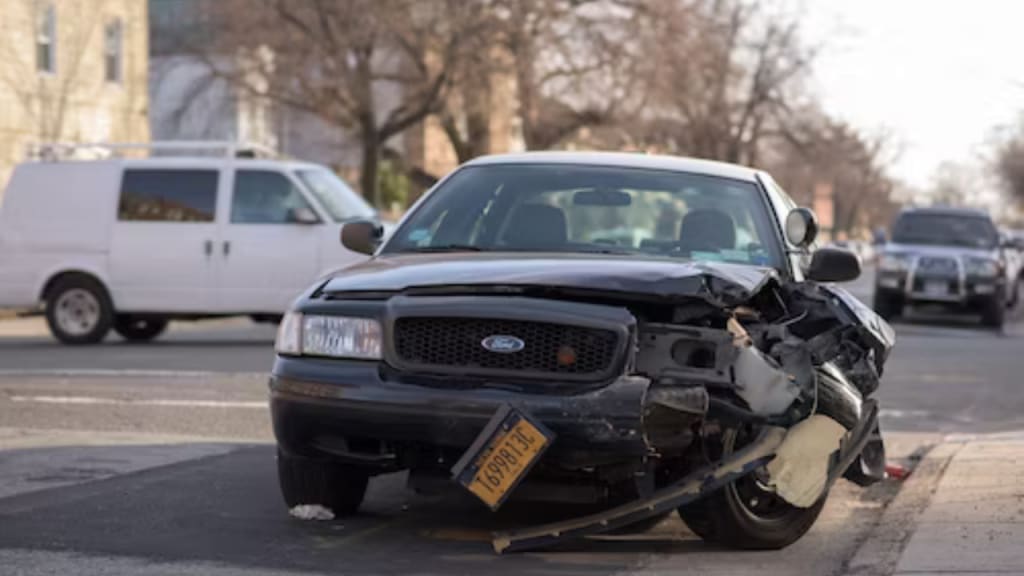
A car crash refers to a sudden and violent collision involving one or more vehicles. It often occurs as a result of various factors such as driver error, mechanical failure, adverse weather conditions, or other external circumstances. Car crashes can range in severity, from minor fender-benders to catastrophic accidents with severe injuries or fatalities. The term "crash" inherently implies a higher degree of impact and force compared to an everyday occurrence.
B. Car Accident Definition and Characteristics
On the other hand, a car accident describes an unintended event involving vehicles that results in damage, injury, or loss. The term "accident" connotes an occurrence that is unplanned, unforeseen, and lacking intent. Car accidents can encompass a broad spectrum of incidents, including collisions, skids, rollovers, or other mishaps on the road. It is important to note that accidents can vary significantly in terms of severity and the extent of harm caused.
C. Differentiating between the Two Terms
While car crash and car accident both describe incidents on the road, the key differentiating factor lies in the connotations attached to each term. Car crash evokes a stronger sense of impact and implies a higher level of force, while car accident suggests a more chance-driven, unintended event. Understanding this distinction is crucial for grasping the underlying implications and effects associated with each term.
III. Historical Context
A. Origins of the Term "Car Crash"
The term "car crash" has its roots in early transportation history. As motor vehicles became more prevalent, the need arose for a concise term to describe violent collisions involving automobiles. The word "crash" was eventually adopted due to its association with abrupt and forceful impact, accurately depicting the nature of these incidents.
B. Origins of the Term "Car Accident"
Conversely, the term "car accident" emerged during a time when motor vehicles were still a relatively new phenomenon. It reflects the prevailing notion that many incidents on the road were perceived as unintended and unfortunate occurrences, devoid of malicious intent or premeditation. Thus, the term "accident" gained popularity to encompass a broader range of road-related mishaps.
C. Historical Usage and Evolution of the Terms
Over time, both terms have been used interchangeably in various contexts. However, a growing awareness of the subtle differences between car crashes and car accidents has prompted discussions on the appropriate usage of each term. This has sparked a wider debate surrounding the implications and consequences associated with the language we employ to describe road incidents.
IV. Legal Perspective
A. Legal Implications of Car Crashes
The choice of terminology can have significant legal ramifications in the aftermath of a road incident. Legal proceedings following a car crash often involve determining liability, assessing damages, and seeking compensation for affected parties. The usage of the term "crash" in legal contexts emphasizes the forceful nature of the event, potentially influencing the perception of fault and the severity of consequences assigned.
B. Legal Implications of Car Accidents
Similarly, the term "accident" can shape legal proceedings by suggesting that the incident occurred without intent or premeditation. This can have implications for assigning liability and determining appropriate legal actions. However, it is worth noting that the legal system takes into account a wide range of factors beyond the terminology used to describe an incident.
C. How the Choice of Terminology Affects Legal Proceedings
The distinction between car crashes and car accidents can play a role in shaping legal proceedings. The usage of one term over the other may influence the perception of events, the allocation of responsibility, and the severity of legal consequences. Attorneys, judges, and juries must carefully consider the linguistic nuances surrounding these terms while ensuring a fair and just legal process.
V. Media and Public Perception
A. Media Portrayal of Car Crashes and Accidents
The media plays a crucial role in shaping public perception and understanding of road incidents. News outlets, television programs, and online platforms often report on car crashes and accidents, highlighting the severity of the events and their impact on individuals and communities. The choice of terminology employed by the media can influence the public's perception of fault, responsibility, and the overall significance of the incident.
B. Impact of Media Coverage on Public Perception
The extensive coverage of car crashes and accidents by the media has a profound effect on public perception. The frequency and intensity of reporting contribute to shaping the narrative surrounding road incidents. The use of specific terminology can influence how the public perceives the events, attributing blame, assigning responsibility, and forming opinions about the individuals involved.
C. Influence of Terminology on Public Understanding
The terminology used by the media significantly impacts the public's understanding of road incidents. By consistently using either "car crash" or "car accident" to describe these events, media outlets can shape public attitudes, beliefs, and responses. The subtle differences in connotation associated with each term can affect how the public empathizes with victims, perceives road safety issues, and supports initiatives aimed at prevention.
VI. Language and Semantics
A. The Power of Words and Their Connotations
Language holds immense power in shaping perceptions, beliefs, and actions. The choice between "car crash" and "car accident" is not merely a matter of semantics but has far-reaching implications. The connotations associated with each term evoke distinct emotions and perceptions, influencing how individuals interpret and respond to incidents on the road.
B. Analyzing the Linguistic Nuances of "Crash" and "Accident"
Delving into the linguistic nuances of "crash" and "accident" uncovers the varying emotions and assumptions evoked by these terms. The word "crash" implies suddenness, violence, and the presence of force, which can lead to perceptions of higher impact and severity. In contrast, "accident" suggests a lack of intent, emphasizing the chance-driven nature of the event.
C. Implications of Using One Term over the Other
The implications of using one term over the other extend beyond semantics. The choice between "car crash" and "car accident" can influence public attitudes, policy decisions, legal proceedings, and the overall understanding of road incidents. By consciously selecting the most appropriate term, individuals and organizations can contribute to more accurate and empathetic communication about these events.
VII. Road Safety and Prevention
A. Factors Contributing to Car Crashes and Accidents
Road incidents are often the result of multiple factors coming together, including driver behavior, road conditions, vehicle maintenance, and external influences. Understanding these contributing factors is crucial for developing effective strategies to mitigate the occurrence of car crashes and accidents. By analyzing the root causes, policymakers, law enforcement agencies, and individuals can work towards comprehensive road safety measures.
B. Strategies for Improving Road Safety
Enhancing road safety requires a multifaceted approach. Education and awareness campaigns, driver training programs, stricter traffic regulations, improved infrastructure, and technological advancements are just a few avenues to explore. By implementing evidence-based strategies, society can make significant strides in reducing the frequency and severity of road incidents.
C. How the Choice of Terminology Can Enhance Prevention Efforts
The terminology used to describe road incidents plays a role in shaping public perception, raising awareness, and promoting preventive actions. By employing accurate and appropriate language, individuals and organizations involved in road safety initiatives can effectively communicate the importance of responsible driving, adherence to traffic laws, and the significance of individual actions in preventing car crashes and accidents.
VIII. Psychological Impact
A. Emotional and Psychological Consequences of Car Crashes
Car crashes can have profound emotional and psychological effects on individuals directly involved in the incident, as well as their families and loved ones. The suddenness, trauma, and potential for severe injuries or fatalities can result in post-traumatic stress, anxiety, depression, and other mental health challenges. Recognizing and addressing the psychological impact is crucial for providing adequate support and care to those affected.
B. Emotional and Psychological Consequences of Car Accidents
Similarly, car accidents, despite their varying degrees of severity, can have significant emotional and psychological repercussions. Individuals involved may experience feelings of guilt, shock, fear, and uncertainty. These psychological consequences extend beyond physical injuries and require appropriate intervention, support networks, and access to mental health resources.
C. Exploring the Impact of Terminology on Victims and Society
The choice of terminology can influence how victims and society at large perceive and cope with the emotional and psychological aftermath of road incidents. The language used to describe these events can either validate and acknowledge the severity of the experiences or inadvertently minimize the emotional toll. By employing sensitive and empathetic language, we can create an environment that promotes healing, understanding, and support.
IX. Media Guidelines and Recommendations
A. Guidelines for Responsible Reporting
Media outlets have a responsibility to report on car crashes and accidents accurately and ethically. Establishing guidelines for responsible reporting can help ensure that incidents are portrayed in a balanced and informative manner. This includes using precise terminology, verifying facts, avoiding sensationalism, and prioritizing the privacy and well-being of individuals involved.
B. Advocating for Accurate Terminology in Media
Advocacy efforts aimed at promoting accurate terminology in media coverage are crucial. By raising awareness about the impact of language on public perception, individuals, organizations, and advocacy groups can encourage media outlets to consistently and responsibly use terms that reflect the true nature of road incidents. Encouraging open dialogue and collaboration between journalists, experts, and affected individuals can foster more accurate and sensitive reporting.
C. Raising Awareness and Promoting Informed Discussions
Raising awareness about the debate between car crash and car accident terminology is essential for fostering informed discussions. Public forums, educational initiatives, and community engagement can provide platforms for dialogue and promote a better understanding of the implications associated with each term. By encouraging open conversations, we can collectively work towards a more accurate and compassionate representation of road incidents.
X. Summary and Key Findings
A. Recapitulating the Differences between Car Crashes and Car Accidents
In summary, the terms "car crash" and "car accident" encompass distinct connotations and implications. While car crash emphasizes forceful impact, car accident suggests an unintended occurrence. Understanding the subtle differences between these terms is crucial for effective communication, policy development, and public perception surrounding road incidents.
B. Impact of Terminology on Various Aspects Discussed
Throughout this article, we have explored how the choice of terminology influences legal proceedings, media coverage, public perception, language and semantics, road safety efforts, psychological consequences, and media guidelines. The implications of using one term over the other extend beyond semantics, impacting individuals and society in multifaceted ways.
C. Importance of Responsible Communication
Responsible communication entails consciously selecting appropriate terminology and recognizing the power of words to shape perceptions and actions. By fostering a culture of responsible communication, we can create a more empathetic and informed society that actively works towards preventing road incidents, supporting victims, and promoting road safety.
About the Creator
'Till Death We Do Art
There would be nothing divine in this world without art. Nature may surpass the divine to all intents and purposes, but like everything it absorbs and is absorbed by, it remains here, stuck on the surface of this world, ever-present, physically bound to the universe.
By Avocado Nunzella BSc (Psych) -- M.A.P 24 days ago in Art
Why persistent hammering does not cause brain damage in woodpeckers
Woodpeckers use incredible speed and force to drive their beaks into solid wood, striking tree trunks thousands of times every day. For many years, experts believed that their skulls buffered each impact like shock absorbers.
By Francis Dami2 days ago in Art
Becca
"Everything is so... flat." Denille said stupidly as she looked around her new neighborhood. She looked around at the muted desert where even the smallest sign of life seemed to have given up. The plant life was shrubs that were half cooked by the heat and where there should have been a lawn, a mess of white rocks laid glistening in the sun. Even the sky looked stretched thin, like the sun had ironed it smooth. She’d moved from Riverside, where at least there were hills, but here in Barstow, everything felt baked and brittle.
By Sara Wilson7 days ago in Fiction



Comments
There are no comments for this story
Be the first to respond and start the conversation.