
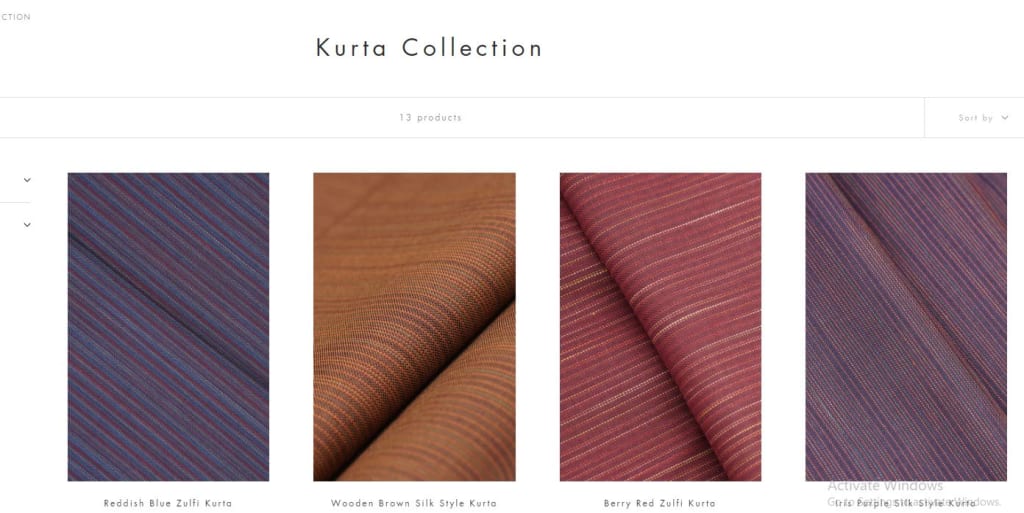
In the world of textiles, unstitched fabric holds a unique place. Whether you're a fashion enthusiast, a professional designer, or simply someone who appreciates quality materials, understanding unstitched fabric is crucial. This article delves deep into the intricacies of unstitched fabric, exploring its types, uses, and how it compares to other fabric forms.
What is Unstitched Fabric?
Unstitched fabric refers to material that has not been cut, sewn, or tailored into a specific garment. It is raw fabric, often available in rolls or bolts, and is typically used by tailors and designers to create customized clothing. The appeal of unstitched fabric lies in its versatility and the freedom it offers to create garments tailored to individual preferences.
Types of Unstitched Fabric
Understanding the different types of unstitched fabric is essential for making informed choices. Here are some of the most popular varieties:
Cotton: Known for its breathability and softness, cotton is a staple in the textile industry. Unstitched cotton fabric is ideal for making everyday wear, especially in warmer climates.
Silk: Silk is synonymous with luxury. Unstitched silk fabric is often used for making formal wear, such as sarees, gowns, and other high-end garments.
Linen: Linen is highly valued for its durability and cooling properties. It is a popular choice for summer clothing, offering a crisp and clean look.
Wool: Wool fabric is best suited for colder climates. Unstitched wool can be used to create warm, cozy garments like coats and scarves.
Georgette and Chiffon: These are lightweight, sheer fabrics perfect for making flowy, elegant garments. They are often used in evening wear and bridal outfits.
Why Choose Unstitched Fabric?
Customization: One of the primary reasons to choose unstitched fabric is the ability to customize. Whether it’s the fit, style, or embellishments, unstitched fabric allows for personalized creations that cater to individual tastes and body types.
Variety: Unstitched fabric offers a broader variety of designs, colors, and materials compared to ready-made garments. This variety ensures that everyone can find something that suits their needs.
Cultural Significance: In many cultures, unstitched fabric is used for traditional garments such as sarees, shalwar kameez, and dupattas. These fabrics carry cultural significance and are often passed down through generations.
About the Creator
Keep reading
More stories from jack daniel and writers in Art and other communities.
Miami vice 40 anniversary
In the annals of television history, few shows have left as indelible a mark as Miami vice 40 anniversary. As we approach the 40th anniversary of this groundbreaking series, it's essential to reflect on the cultural impact, innovation, and legacy that Miami Vice has brought to the world of entertainment. From its unforgettable soundtrack to its stylish visuals and gripping storylines, Miami Vice remains a cultural touchstone, influencing not only television but also fashion, music, and popular culture at large.
By jack daniel2 years ago in Writers
'Till Death We Do Art
There would be nothing divine in this world without art. Nature may surpass the divine to all intents and purposes, but like everything it absorbs and is absorbed by, it remains here, stuck on the surface of this world, ever-present, physically bound to the universe.
By Avocado Nunzella BSc (Psych) -- M.A.P 23 days ago in Art
The Great Museum Scandal: Half of the Artworks in French Museums Found to Be Fake
France is home to some of the most famous museums in the world, attracting millions of visitors each year who come to admire priceless works of art and historical artifacts. However, a recent investigation has sent shockwaves through the art world after suggesting that a significant number of artworks displayed in certain French museums may actually be fake.
By Irshad Abbasi a day ago in Art




Comments
There are no comments for this story
Be the first to respond and start the conversation.