
Theatre: The Living Ritual of the Modern Human
A journey through theatre’s healing power in a world obsessed with playback and perfection.
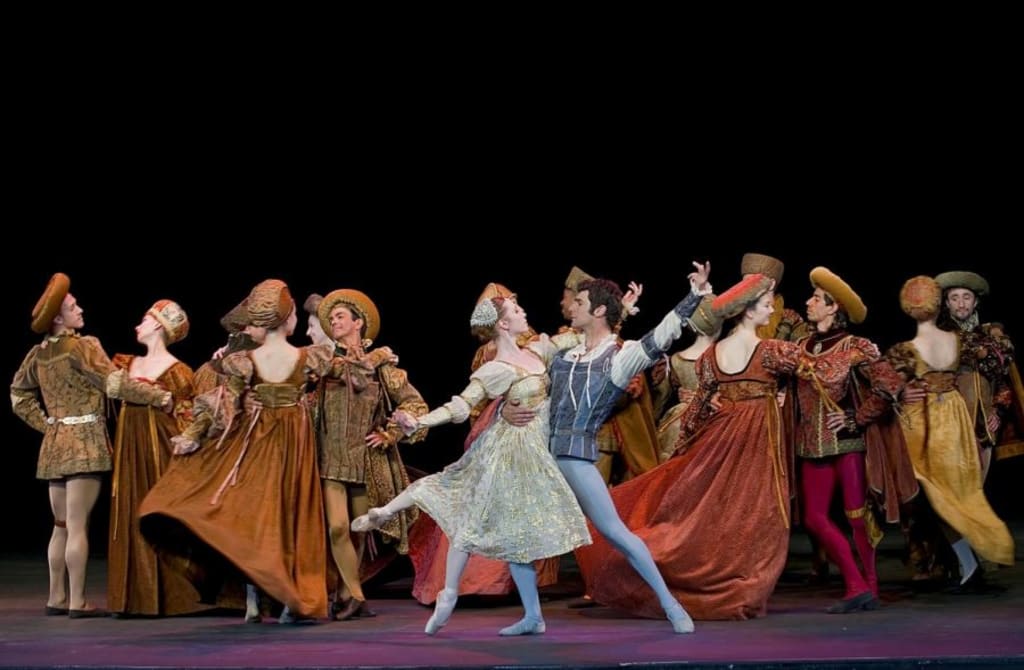
When the Stage Becomes Healing
By Touraj Mohebbi
To be, or not to be: that is the question. Whether ’tis nobler in the mind to suffer The slings and arrows of outrageous fortune, Or to take arms against a sea of troubles And by opposing end them…
(Hamlet — William Shakespeare)
In this immortal monologue, Hamlet isn’t merely contemplating death — he’s wrestling with the unbearable weight of existence, the fear of the unknown, and the paralysis of indecision. And the place where this monologue unfolds — the theatre stage — is precisely where humans confront such anguish, live through it, and perhaps, for a moment, transcend it.
Theatre in contrast to Recorded Image
In the digital age, we are surrounded by images: films, series, reels, virtual realities. But none of these can replace theatre — because theatre is alive.
In theatre, the actor and the audience breathe in the same moment. Mistakes are real, emotions are raw, and every performance is unique. This aliveness isn’t just artistic — it’s psychological. It’s an experience where the audience meets themselves.
Theatre as the Mother of All Arts
Theatre is often called the “mother of the arts” — and rightly so. It blends multiple disciplines:
Literature: dialogue and narrative
Music: live accompaniment or thematic sound
Dance and movement: physical expression
Visual design: costumes, lighting, set
Architecture: spatial dynamics
Cinema: which was born from theatre
All these elements converge to serve a single purpose: to tell a human story — not just through words, but through embodied experience.
A Brief History of Theatre
Theatre began in ancient Greece with Dionysian rituals — communal ceremonies of song, dance, and myth. Aeschylus, the first known playwright, introduced a second actor to the stage, creating the foundation of dramatic structure. From there, tragedy, comedy, and melodrama emerged.
In ancient Persia, ritual performances like the mourning of Siyâvash, storytelling, and musical recitations were widespread. These evolved into forms like ta’zieh, ruhowzi, and modern Iranian theatre — proving that performance has always been rooted in culture and psyche.
Theatre as a Healing Ritual
Healing isn’t always pharmaceutical. Sometimes, healing is a return to the body — to voice, to role, to space. Sometimes, healing is the re-enactment of a wound that still lingers in the psyche.
In drama therapy, the individual confronts fears, memories, and inner conflicts — not in theory, but in action. In psychodrama, the past is reconstructed, roles are reimagined, and new endings are written for old stories.
This process is not just therapeutic — it’s liberating. Liberation from isolation, from silence, from repetition.
Theatre in the Digital Era: A Return to the Stage
Despite the dominance of digital media, theatre remains alive — and in some places, it’s thriving. In Iran, for example, official statistics show a significant rise in theatre attendance in 2025, especially in state-run venues in Tehran.
This resurgence signals a return to real, communal, artistic experience — where body, voice, and space regain their meaning.
Theatre or Film: Which Leaves Us Feeling Better?
Film is a mental experience — edited, repeatable, often solitary. Theatre is a live, collective, human encounter.
After a play, the audience often feels lighter, more emotionally activated, and mentally clear. After a film, depending on the content, one may feel moved or contemplative — but rarely physically or socially engaged.
If the goal is healing, emotional release, or deep human connection, theatre is more impactful.
Conclusion: The Stage as a Language of Liberation
Theatre is not just art — it’s a language of liberation. The language of the body, of silence, of role. On stage, we can play ourselves — with all our pain, hope, and incompleteness.
And perhaps that’s why, when the curtain falls, we feel better. Because we’ve been part of a human ritual. Because we’ve faced ourselves. Because we’ve brought life — even for a moment — onto the stage.
About the Creator
Keep reading
More stories from touraj mohebbi and writers in Art and other communities.
Catharsis: The Soul’s Journey from Socrates to the Stage
By: Touraj Mohebbi Introduction Theater has always been more than entertainment. In ancient Greece, it was a sacred space—a mirror held up to the soul. At the heart of this experience lies catharsis, a concept introduced by Aristotle to describe the emotional purification that occurs when audiences confront fear and pity through tragedy. But catharsis didn’t emerge in isolation. It was born from a lineage of philosophical thought, beginning with Socrates’ ethical inquiries, shaped by Plato’s metaphysical ideals, and refined by Aristotle’s dramatic theory. This article explores how the soul’s journey—from Socratic dialogue to Aristotelian drama—reveals the spiritual roots of catharsis in Greek philosophy.
By touraj mohebbi3 months ago in Art



Comments
There are no comments for this story
Be the first to respond and start the conversation.