
"The Window That Waited"
I still remember the window

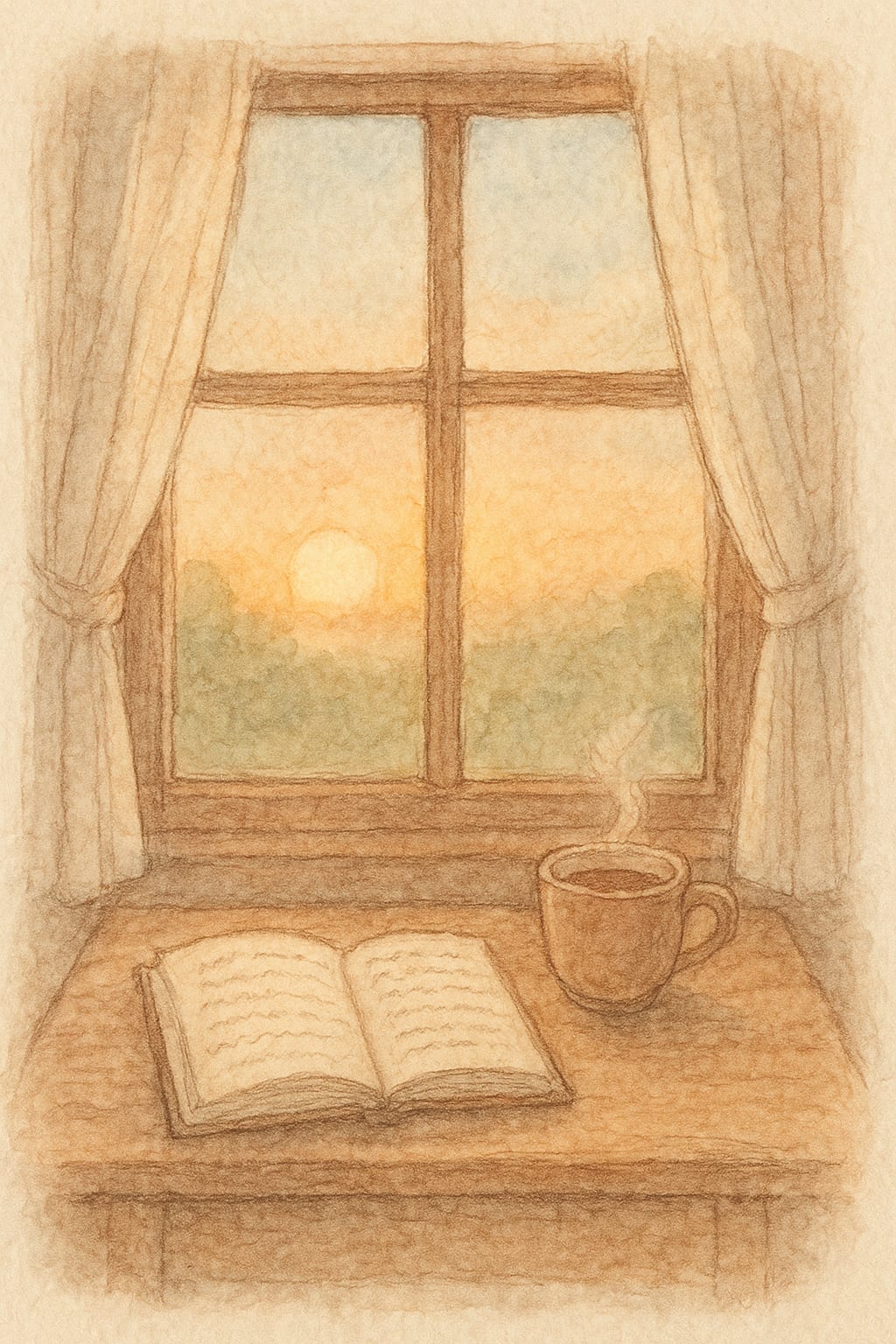
I still remember the window. It faced the east, where the sun always rose first and where, for some reason, I always thought hope lived. It wasn’t special — just a rectangle of glass framed in chipped wood — but it saw everything that mattered in my life. It saw my mother hum songs while hanging laundry, my father reading the newspaper in silence, and me, sitting on the ledge, writing dreams that never quite made sense.
Back then, I thought the world outside the window was endless. I’d press my forehead against the cold glass and watch the street wake up — the bread seller with his bicycle, the postman with his quiet whistle, the neighbor’s cat climbing the same wall every day. There was something comforting in the routine, as if the world promised to stay exactly as it was. I didn’t know yet that things change — quietly, suddenly, and sometimes without goodbye.
The first letter came one morning in winter. It was for my father, written in neat blue ink. I remember how his face changed while reading it — first surprise, then pride, then something I couldn’t name. He said he got a job far away, in a city where “the lights never go out.” He left two weeks later with a brown suitcase and a smile that didn’t reach his eyes. “It’s only for a few months,” he said. “I’ll come back before the next summer.”
But summer came and went, and the window waited.
My mother tried to fill the silence with small things. She planted flowers outside, started baking again, even painted the walls a soft yellow. But at night, she’d stand by the window too, her hands folded like a prayer, her reflection blending with the stars. I didn’t ask what she was thinking. I was old enough to know that grown-ups keep their pain quiet.
Years passed the way years do — slowly when you wait, quickly when you remember. I finished school, started working in a bookstore, and stopped looking at the window every morning. Life became a list of things to do, places to go, people to smile at even when you didn’t mean it. The window stayed there, dusty and patient, watching me forget.
One day, after years of nothing, another letter came. The handwriting was different — shakier, older. It was from him. He wrote that he was sorry, that the city had swallowed him whole. “It’s strange,” he said, “how fast time disappears when you think you’re doing it for love.” He ended it with, I still remember the window. That line undid me.
I went to see him. The train ride took half a day, long enough for memories to wake up and start whispering again. The city was louder than I imagined — too many people, too many lights pretending to be stars. He lived in a small apartment above a noisy street. When he opened the door, I almost didn’t recognize him. His hair was gray, his hands trembling, but his eyes — those were the same.
We didn’t talk much. Some distances can’t be filled with words. He just looked at me and said, “I thought I was chasing a better life, but I was only running away from the one I already had.” I didn’t know what to say. So I just sat beside him, and we watched the city lights together, pretending they were stars.
He came home with me a week later. The window was still there, same glass, same cracks. My mother was gone by then — she’d left quietly, like evening light slipping through curtains. I think she waited as long as she could. When he saw the window, he touched the frame and smiled. “It still faces east,” he said. “It still forgives.”
That night, I found him sitting by it, the moonlight falling softly across his face. He looked peaceful, like a photograph that finally found its place in the album. When morning came, he didn’t wake up. The sunlight poured through the glass, bright and gentle, just the way he liked it. I didn’t cry right away. I just opened the window and let the wind in. It carried the sound of birds, leaves, and maybe, if I imagined hard enough, forgiveness.
I still live in that house. The paint has peeled, the walls whisper, and the window still faces east. Sometimes, in the quiet hours before dawn, I sit where my parents once stood and press my hand against the glass. The world outside is still changing — cars instead of bicycles, phones instead of letters, silence replaced by noise — but the light is the same. It’s soft, golden, and patient, just like memory.
People say windows are just for seeing out, but I think they’re also for letting things back in — love, regret, hope, forgiveness. Every morning when the first sunlight touches the frame, I whisper, “Good morning,” and I swear I can almost hear them both answer.
About the Creator
Charlotte Cooper
A cartographer of quiet hours. I write long-form essays to challenge the digital rush, explore the value of the uncounted moment, and find the courage to simply stand still. Trading the highlight reel for the messy, profound truth.
Keep reading
More stories from Charlotte Cooper and writers in Art and other communities.
The Last Gift of the Stars
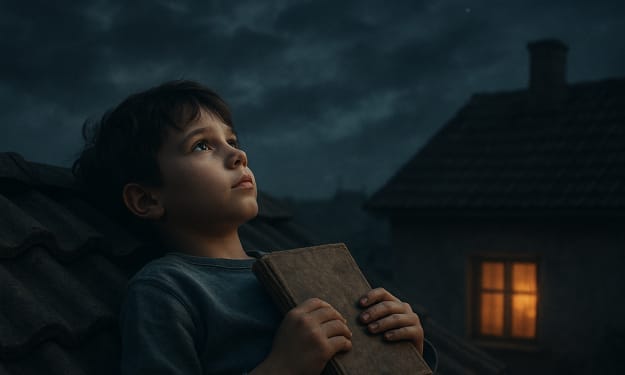
Noah had always watched the sky like it was alive. Every night, he lay on the roof of his small house, sketching constellations in a battered notebook while the world below him slept. His mother would wave from the window, her voice soft but tired from long shifts at the hospital. “Don’t catch a cold, astronaut!” she’d call. He’d grin and whisper back, “I’m just waiting for my star.” Their town had long since lost its stars, drowned by the neon glow of factories and signs. Yet Noah believed they were still up there, hiding behind the haze, waiting for someone patient enough to look for them.
By Charlotte Cooper5 months ago in Art
'Till Death We Do Art
There would be nothing divine in this world without art. Nature may surpass the divine to all intents and purposes, but like everything it absorbs and is absorbed by, it remains here, stuck on the surface of this world, ever-present, physically bound to the universe.
By Avocado Nunzella BSc (Psych) -- M.A.P 22 days ago in Art
The Politics of Playing Dress-Up
Well, to start off I'd like to say a happy world book day to all who celebrate. I know I haven't really posted anything on my socials about it but I'm not a jubilant kind of person. I lay low most of the time. Let's start off with a popular anecdote from the vaults...
By Annie Kapur5 days ago in Geeks



Comments
There are no comments for this story
Be the first to respond and start the conversation.