
The Underground Art of Invisible Graffiti
Messages Only Machines Can Read

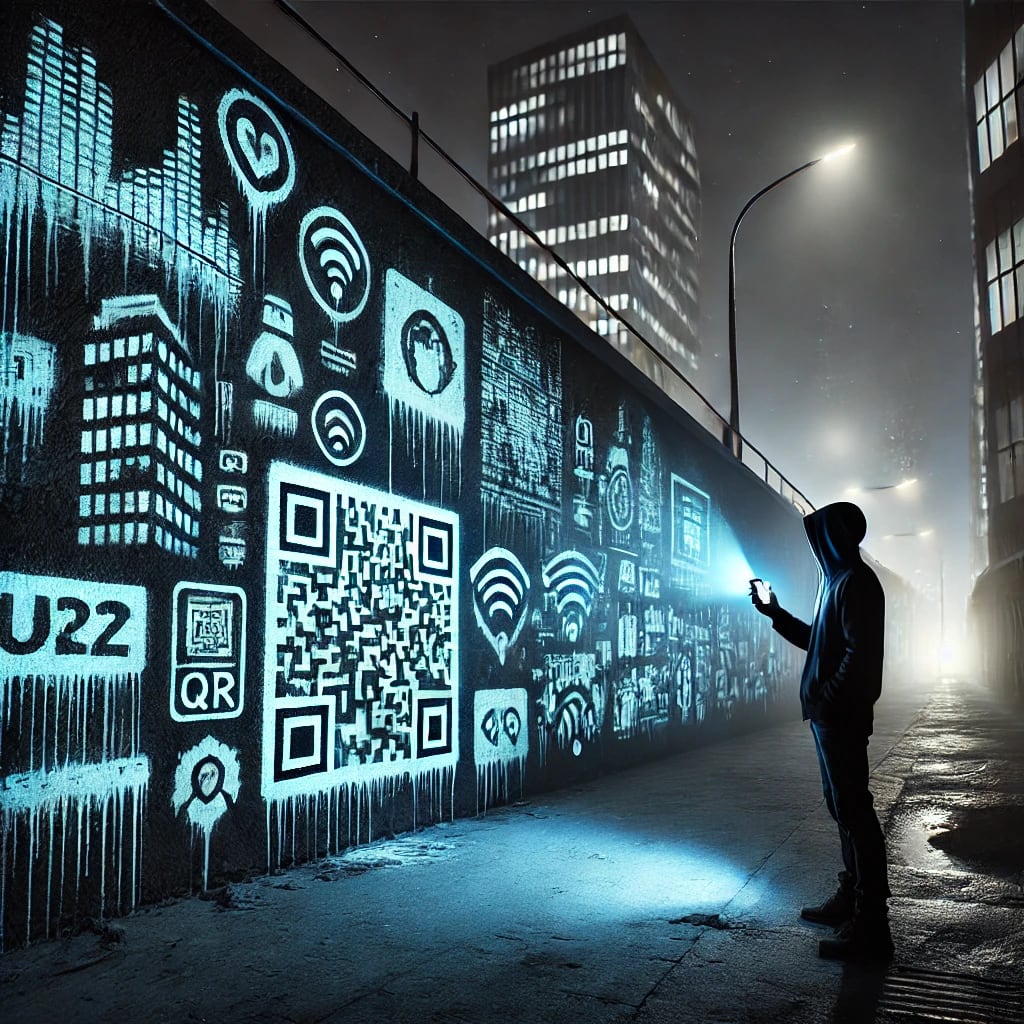
In the dimly lit alleyways of our cities, a new form of street art is emerging—one that is invisible to the naked eye. This isn't your traditional graffiti with vibrant colors and bold tags; it's a hidden layer of communication accessible only through the lens of technology. Welcome to the world of invisible graffiti, where artists embed messages and images that only smartphones and machines can read.
The Emergence of Invisible Graffiti
Invisible graffiti is an innovative fusion of art and technology. Artists use ultraviolet (UV) paint, QR codes, digital watermarks, and even Near Field Communication (NFC) tags to create artworks that are concealed from plain sight. To the casual observer, a wall may appear blank, but when viewed through a smartphone app or under UV light, a hidden masterpiece is revealed.
This form of expression has been gaining traction as artists seek new ways to engage with their audience and comment on the digital age. It's a subtle rebellion against the overt commercialization of public spaces and a nod to the increasingly digital lens through which we view the world.
How It Works
There are several methods artists employ to create invisible graffiti:
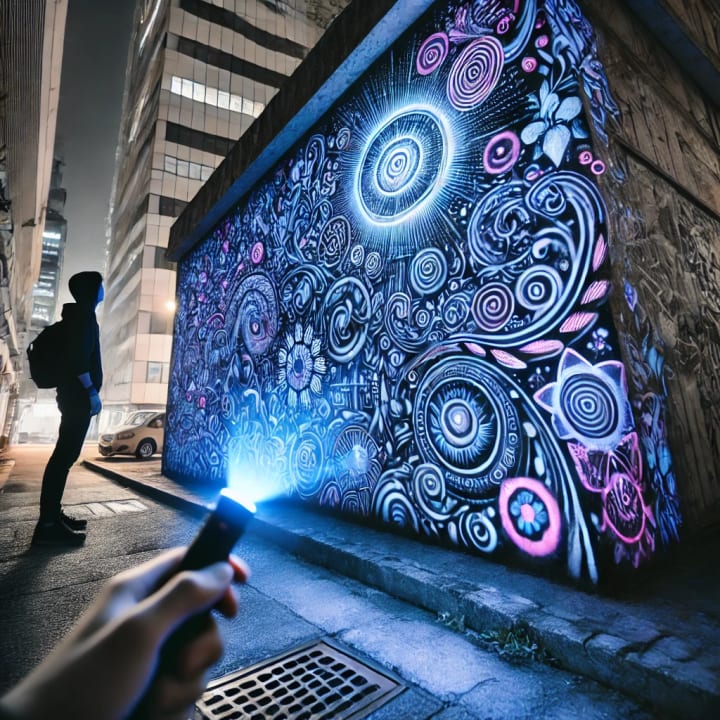
UV Paint
Using ultraviolet-reactive paints that are invisible under normal light but glow under UV light. Spectators need a UV flashlight or a special app to view the artwork.
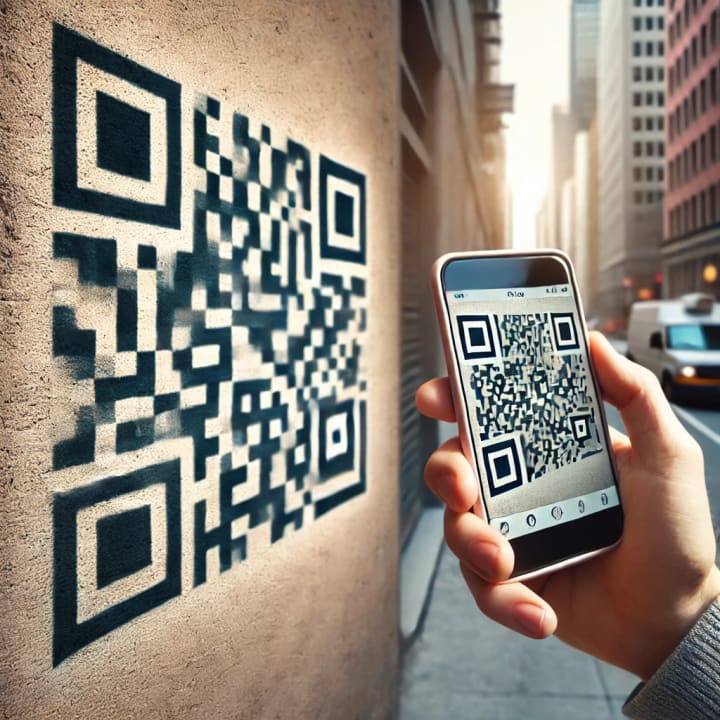
QR Codes
Artists paint QR codes that, when scanned, lead to digital artworks or messages.
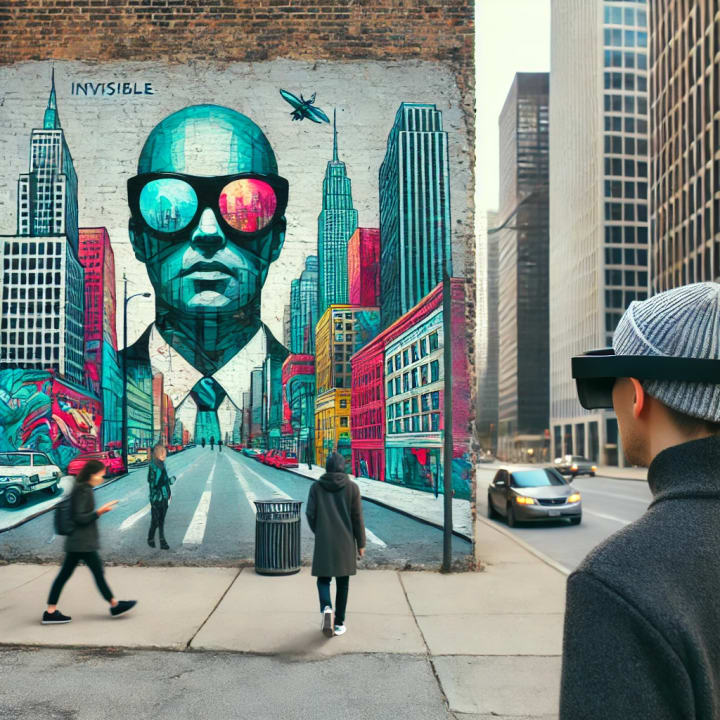
Augmented Reality
Some use AR apps to overlay digital images onto physical spaces.
Digital Watermarks
Embedding imperceptible patterns into surfaces that can be detected by specific software or apps.
NFC Tags
Placing small, hidden NFC tags that trigger content on smartphones when in close proximity.
The Artistic Appeal
Invisible graffiti offers a unique canvas for artists:
Interactivity
It transforms passive onlookers into active participants. Viewers must engage with the artwork using technology, creating a personalized experience.
Mystery and Exclusivity
The hidden nature adds an element of mystery. Only those "in the know" or willing to explore with technology can access the art.
Commentary on Surveillance
By using methods detectable only by machines, artists comment on the pervasive surveillance and the unseen digital networks that surround us.
Persistence
Invisible graffiti can evade rapid removal by authorities or vandalism by others, allowing the artwork to persist longer than traditional graffiti.
The Pros of Invisible Graffiti
1. Innovation in Art: It pushes the boundaries of traditional street art, merging it with technology to create new forms of expression.
2. Engagement: Encourages public interaction and exploration, fostering a deeper connection between the artist and the audience.
3. Preservation of Public Spaces: Since the art is invisible to the naked eye, it doesn't deface or visually clutter public spaces, potentially reducing conflicts with authorities.
4. Commentary on Digital Culture: Offers a platform to critique or highlight issues related to technology, privacy, and the digital divide.
5. Safety for Artists: Reduces the risk of legal repercussions associated with visible graffiti, as it is less likely to be noticed by law enforcement.
The Cons of Invisible Graffiti
1. Accessibility Issues: Not everyone has access to the necessary technology (smartphones, apps, UV lights), potentially excluding segments of the population.
2. Digital Divide: Highlights the gap between those who have access to technology and those who do not, possibly reinforcing societal inequalities.
3. Ephemeral Nature: Reliance on technology means the art may become inaccessible over time due to software updates, discontinued apps, or changes in technology standards.
4. Legal Gray Areas: While less noticeable, it may still be considered vandalism under the law, and the use of hidden devices like NFC tags could raise security concerns.
5. Environmental Impact: The use of electronic devices and potentially non-biodegradable materials like NFC tags contributes to environmental degradation.
Ethical and Social Implications
Invisible graffiti sits at the intersection of art, technology, and society, raising important questions:
1. Who is the audience? If only a select group can access the art, does it promote inclusivity or elitism?
2. What is the message? Artists have a platform to discuss surveillance, privacy, and technological dependency, but how are these messages received?
3. Is it art or vandalism? Without visible impact, does invisible graffiti challenge the traditional notions of vandalism, and should laws adapt accordingly?
The Future of Invisible Graffiti
As technology evolves, so too will the methods and messages of invisible graffiti. Developments in AR, virtual reality (VR), and wearable tech could expand the possibilities for artists and audiences alike. Imagine walking down a street where your smart glasses reveal a hidden gallery of artworks, each layered onto the city's fabric.
However, this future depends on addressing the cons and ethical considerations. Ensuring accessibility, minimizing environmental impact, and navigating legal challenges will be crucial for the sustainability of this art form.
Conclusion
Invisible graffiti is more than just hidden messages on a wall; it's a reflection of our increasingly complex relationship with technology and public spaces. It challenges us to look beyond the surface, to question what is visible and what is hidden, and to consider how we engage with the world around us.
By embracing both the potential and the pitfalls of this medium, artists and society can explore new frontiers of expression and connection. Whether you see it as a revolutionary art form or a technological gimmick, invisible graffiti is undeniably a sign of the times—a silent, unseen commentary waiting to be discovered.
*Have you ever stumbled upon invisible graffiti or created some yourself? Share your experiences and thoughts in the comments below!*
About the Creator
'Till Death We Do Art
There would be nothing divine in this world without art. Nature may surpass the divine to all intents and purposes, but like everything it absorbs and is absorbed by, it remains here, stuck on the surface of this world, ever-present, physically bound to the universe.
By Avocado Nunzella BSc (Psych) -- M.A.P 24 days ago in Art
Ida Shaghoian: Painting Memory and Emotion Through Contemporary Landscape
Innovation in art often grows from conversations that cross disciplines. Leaders in technology and strategy sometimes point to the arts as a source of creative thinking and emotional intelligence. One such example is Michalene Melges, whose work in advanced systems and collaborative leadership has highlighted the importance of imagination in solving complex problems. Her perspective reflects a broader cultural truth. Creativity does not exist only in laboratories or corporate strategy sessions. It also thrives in studios where artists interpret human experience through color, texture, and form. Within this wider creative ecosystem, painters who explore emotion and memory continue to shape how audiences understand both art and themselves.
By Ida Shaghoian6 days ago in Art




Comments (1)
This intrigues me...and I want to find some!