
The Timeless Tradition of the Dhow in Qatar
The Timeless Tradition of the Dhow in Qatar
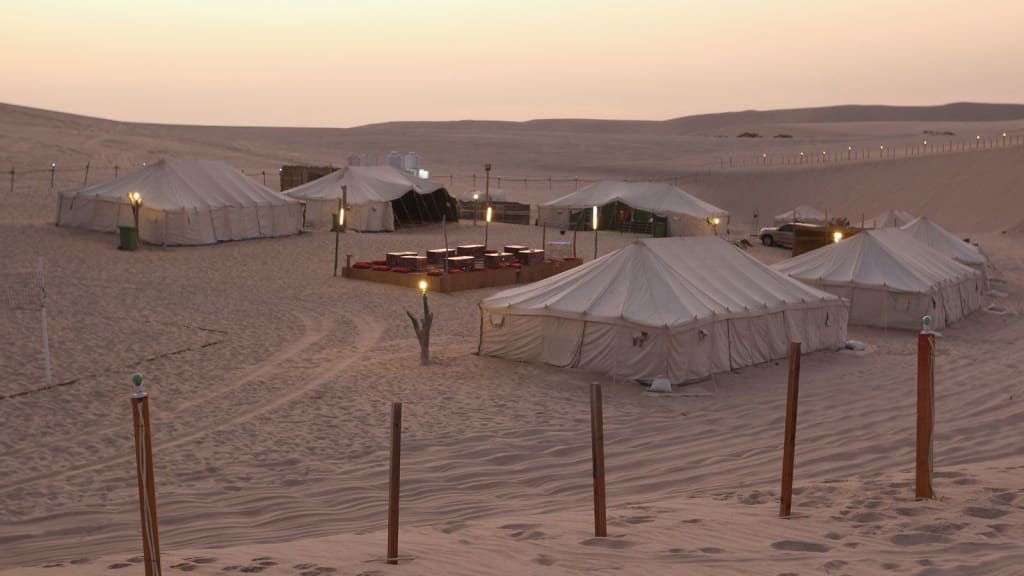
Qatar, a country that seamlessly blends modern innovation with rich cultural heritage, has a deep-rooted connection to the sea. One of the most iconic symbols of this maritime legacy is the Traditional Dhow Qatar handcrafted wooden boat that has been an essential part of Qatari history for centuries. From pearl diving and fishing to trade and modern-day tourism, dhows continue to hold a special place in the hearts of locals and visitors alike.
A journey on a traditional dhow in Qatar offers a unique glimpse into the past while allowing travelers to experience the beauty of the Arabian Gulf. Whether you seek adventure, relaxation, or a cultural immersion, a dhow cruise is an unforgettable way to explore Qatar’s coastal charm.
The History of the Traditional Dhow
Before the discovery of oil, Qatar’s economy was heavily dependent on maritime activities such as fishing and pearl diving. The dhow was the primary vessel used by Qatari sailors, who navigated the vast waters of the Arabian Gulf in search of pearls, seafood, and trade opportunities.
Skilled shipbuilders, known as najjars, crafted these vessels using traditional methods passed down through generations. Made from high-quality teak and mahogany wood, dhows were designed to withstand the harsh sea conditions while providing durability and efficiency.
Some of the most common types of dhows include:
Sambuk – A large dhow primarily used for pearl diving.
Boom – A heavy-duty vessel used for long-distance trade.
Jalibut – A smaller dhow used for fishing and short trips.
Baghlah – A dhow designed for cargo transport.
Today, while modern boats and ships have taken over commercial activities, traditional dhows are still celebrated as an important symbol of Qatari heritage, used primarily for leisure cruises and cultural events.
The Art of Dhow Craftsmanship
Building a traditional dhow is a labor-intensive process that can take several months to complete. Even with modern tools available, many shipbuilders in Qatar still follow ancient techniques to preserve authenticity. The process includes:
Wood Selection – High-quality wood is chosen for durability and water resistance.
Frame Construction – The curved hull is shaped using traditional tools.
Fastening & Waterproofing – Wooden planks are fastened with iron nails and sealed with natural resins.
Decorative Elements – Many dhows feature intricate carvings and patterns that reflect Qatari culture.
Final Touches – Sails, ropes, and other finishing details are added before the boat is ready for the water.
Dhow Cruises in Qatar: A Must-Do Experience
A dhow cruise in Qatar is an unmissable experience, offering a blend of adventure, luxury, and cultural immersion. These cruises cater to different preferences, whether you’re looking for a daytime adventure or a romantic evening sail.
1. Daytime Dhow Cruises
For those who love the sun and sea, daytime dhow cruises provide an exciting way to explore Qatar’s waters. Activities often include:
Swimming and snorkeling in the crystal-clear waters.
Fishing experiences where you can catch local fish.
Beach excursions to nearby islands like Al Safliya Island.
Water sports such as paddleboarding and jet skiing.
2. Sunset and Evening Dhow Cruises
As the sun sets, the dhow transforms into a floating oasis of tranquility. Evening dhow cruises offer:
Stunning sunset views over the Doha skyline.
Traditional Qatari cuisine, including fresh seafood and Arabic dishes.
Live music and entertainment, featuring traditional performances.
A romantic ambiance, perfect for couples and families.
Why Choose a Traditional Dhow Cruise in Qatar?
A traditional dhow cruise is more than just a boat ride—it’s a journey through time. Here’s why you should include it in your Qatar itinerary:
Cultural Connection – Experience the history and craftsmanship of Qatar’s maritime heritage.
Scenic Views – Enjoy breathtaking views of Doha’s skyline and the Arabian Gulf.
Luxury & Comfort – Modern dhows are equipped with luxurious seating, dining areas, and entertainment options.
Unforgettable Memories – Whether for adventure or relaxation, a dhow cruise offers a truly unique experience.
Best Time to Enjoy a Dhow Cruise
The best time for a dhow cruise in Qatar is between October and April, when the weather is cooler and more enjoyable. However, cruises operate year-round, with air-conditioned cabins available for added comfort during the summer months.
Booking Your Dhow Experience
To make the most of your dhow adventure, book your trip through Murex Qatar Tours. We offer a variety of private and group dhow cruises, tailored to your preferences. Whether you want an action-packed day trip or a serene evening cruise, we provide the best dhow experiences in Qatar.
Conclusion
A traditional dhow experience in Qatar is a magical blend of history, culture, and scenic beauty. It’s a chance to step back in time and embrace Qatar’s rich maritime traditions while enjoying modern comforts. Whether you're a history enthusiast, an adventure seeker, or someone looking for a relaxing escape, a dhow cruise in Qatar is an experience you’ll treasure forever. So, hop aboard, set sail, and discover the timeless beauty of the Arabian Gulf.
About the Creator
Keep reading
More stories from Andre Rasel and writers in Art and other communities.
Enhancing Feminine Beauty: A Comprehensive Guide to Breast Augmentation in Islamabad
Breast Augmentation in Islamabad, also known as augmentation mammoplasty, is a popular cosmetic surgery procedure aimed at enhancing the size, shape, and symmetry of the breasts. In Islamabad, the capital city of Pakistan, breast augmentation has gained widespread popularity as women seek to achieve their desired aesthetic goals and enhance their self-confidence. This article provides a comprehensive overview of breast augmentation in Islamabad, exploring the procedure, considerations, and cultural influences that shape the pursuit of breast enhancement and femininity.
By Andre Rasel10 months ago in 01
Why John LoPinto Values Intentional Travel Over Speed and Volume
In a world that celebrates movement and accumulation, travel has increasingly become about speed and volume. More destinations, tighter itineraries, and constant motion are often seen as markers of experience. John LoPinto takes a different approach. He values intentional travel over rapid consumption, believing that depth of experience matters far more than distance covered. For him, travel is most meaningful when it creates understanding, not just memories.
By John LoPinto5 days ago in Art


Comments
There are no comments for this story
Be the first to respond and start the conversation.