
The Rise of Street Art in Japan: How Murals Are Transforming Urban Spaces
A Deep dive into Japanese Street Art and how its taking over urban sapces...

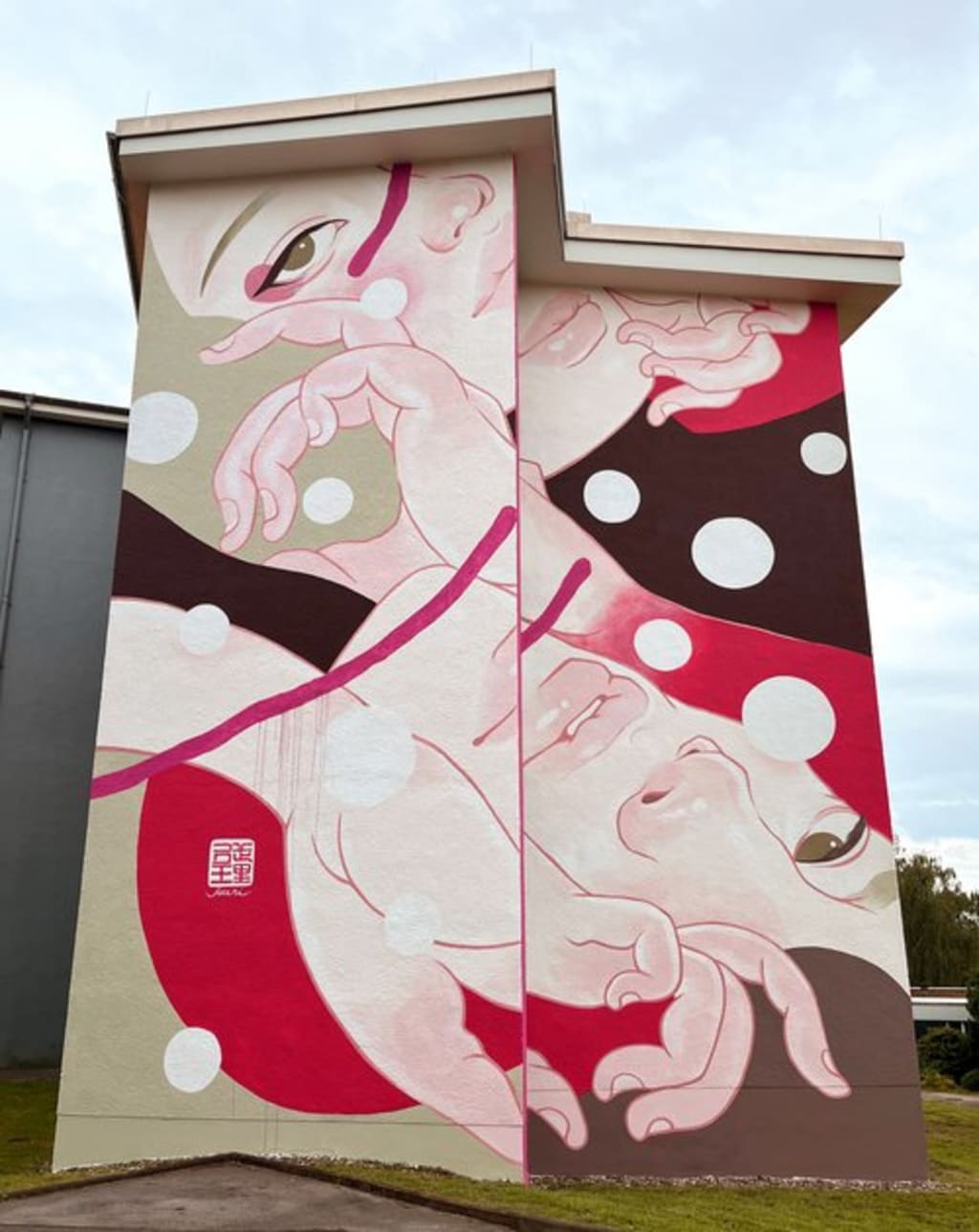
Japan, with its rich cultural past and aesthetic sensitivity, has seen the emergence of a healthy street art culture which is revolutionizing its cities. Whereas the older traditional Japanese murals were happy to remain contained within temples and historic sites, contemporary mural paintings have over-run into city streets, painting cities in colors and arguing current social issues of the time. This piece discusses how Japanese art evolved, its effects on urban landscapes, and the way artists are redefining public art.
The Evolution of Japanese Street Art
Japanese street art has traditionally been inspired by Western graffiti culture, but it has been undergoing its own evolution with its own unique Japanese twist. The original graffiti paintings were observed in the 1990s in Tokyo and Osaka cities, regarded as a symbol of rebellion. However, with time, street art has been adopted, especially with more artists painting murals that honor Japanese culture and address social issues. Sanctioned street art projects and large-scale murals now redefine Japan's cities, providing an insight into life today.
Key Characteristics of Japanese Street Art
Mix of Traditional and Contemporary Elements: Most murals blend traditional Japanese motifs like cherry blossoms, samurai, and ukiyo-e-motifs with contemporary street art skills.
Participation by Community: In contrast to illegal graffiti, most Japanese street murals are commissioned or community-based, and hence they are created together.
Social and Environmental Consciousness: Murals tend to attract attention to concerns like sustainability, urban redevelopment, and preservation of culture.
Use of Advanced Techniques: Japanese street artists use a combination of spray paint, digital projection, and multimedia techniques to create highly attention-grabbing pieces.
Narration through Culture: Murals are utilized as a way of telling stories visually that praise Japan's history, mythology, and societal evolution.
Key Street Art Locations in Japan
Murals have found favor in some Japanese cities, with murals becoming popular destinations:
Harajuku, Tokyo: Renowned for its kaleidoscope of art, fashion, and culture fusion, the destination boasts exciting murals which excite visitors and locals equally.
Namba District of Osaka: One of the hotspots for high demand for large murals, where painters convert empty walls into exciting displays of modern subjects.
Yokohama Mural Project: A government project that invites artists to revitalize inner-city spaces with striking murals.
Sapporo Underground Art: Creative reuse of public transportation space, featuring murals illuminating the city's subway tunnels.
Nagoya Street Art Scene: Inner-suburban hotbed for sanctioned and guerrilla street art, injecting new creative vitality into the cityscape.
Influential Japanese Street Artists
A number of Japanese artists have made international headlines for their roles in Japan's street art boom:
Dragon76: A popular artist recognized for his futuristic, kinetic murals that combine traditional Japanese and urban styles.
Ryo Ogawa: An artist who mixes nature and abstraction in his enormous murals.
Shizentomotel: A group of artists making surreal mural art based on Japanese mythology and the outdoors.
Hitotzuki: A group of Kami and Sasu, popular for their fluid, dynamic mural paintings.
Aito Kitazaki: A fresh star of Japanese street art, combining abstraction and calligraphy into his urban graffiti.
The Impact of Street Art on Japanese Urban Spaces
Japanese street art is not merely a beautification matter; it plays significant roles in the redevelopment of idle lands, tourism, and cross-cultural exchange. Most of the mural paintings are participative with the people's involvement, where the people have a chance to influence the redevelopment of their area. Additionally, city-funded mural festivals and painting events have offered established artists and newcomers an exposure to introduce their works to more people.
One standout example is the Pow! Wow! Japan Festival, an overseas mural art festival that has brought world-class mural artists to Japan's urban metropolises of Tokyo and Kobe and promoted cross-cultural artistic interaction.
Challenges and Controversies
In spite of its increasing popularity, though, there are issues that accompany Japanese street art. Public property is tightly regulated, there is concern about graffiti, and customary cultural values in terms of order and tidiness have resulted in even unauthorized murals being painted over almost immediately. Still as more and more cities realize the value of murals in building city identity, a trend towards legality and even subsidization of public art initiatives has taken place.
The Future of Street Art in Japan
As street art becomes more accepted in Japan, it will increasingly shape urban planning and cultural practice. Governments at local levels are becoming more aware of the benefits of murals, which beautify a location and drive tourism, resulting in more projects being approved and more mural festivals. The blending of old with new forms of art guarantees that Japanese street art remains distinctive but feeds into the international discourse on public art.
From underground phenomenon to holy art of public presentation, Japanese street art has undergone a dramatic metamorphosis. Adorning side streets in Tokyo or rejuvenating districts in Osaka, murals are making an indelible mark on the urban landscape of Japan, establishing that street art is far from merely paint on walls—it is a statement of cultural transformation and social activism.
About the Creator
Juuri Art
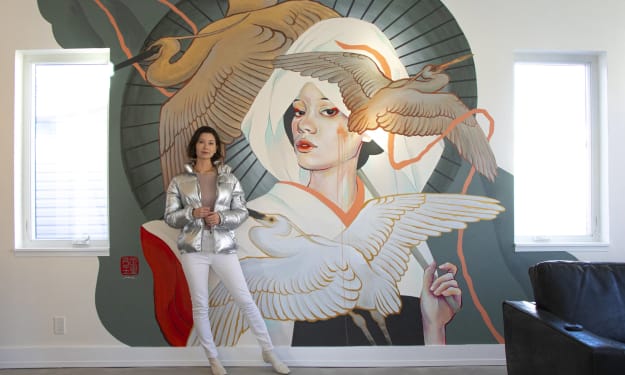
JUURI is a Japanese-American muralist based in Oklahoma City, blending traditional Japanese culture with a modern Western perspective.
PUBLIC NOTICE TO ALL CONCERNED PARTIES
Hear ye. Let it be known, and duly recorded, that this announcement is issued without malice, yet not without necessity. By order of no single authority, but by the slow consensus of losses accumulated, all persons are hereby advised to proceed with caution through the following conditions: Affection may no longer be assumed safe. Hope, once distributed freely, is now subject to sudden withdrawal without notice. The heart, though commonly treated as private property, has shown a tendency to breach containment during hours of silence, memory, and unguarded sleep. Citizens are reminded that promises made in good faith remain binding even after belief has expired. Ignorance will not be accepted as exemption. Please note: Repeated exposure to longing may result in irreversible tenderness, loss of composure, or the quiet refusal to comply with lesser lives. In the event of grief, remain calm. This reaction has been documented for centuries and is not considered a malfunction. Those found attempting to love cautiously will be advised, once, that caution has historically failed inspection. This notice shall remain in effect until further notice, or until the heart learns obedience— whichever proves less likely. Compliance is expected. Understanding is optional.
By A'laa Muhammada day ago in Art


Comments
There are no comments for this story
Be the first to respond and start the conversation.