
LHC Upholds Order Restraining Meesha Shafi From Reiterating Harassment Allegations Against Ali Zafar
High court says restraint is necessary to protect due process, as ruling fuels fresh debate on free speech, defamation, and Pakistan’s #MeToo movement

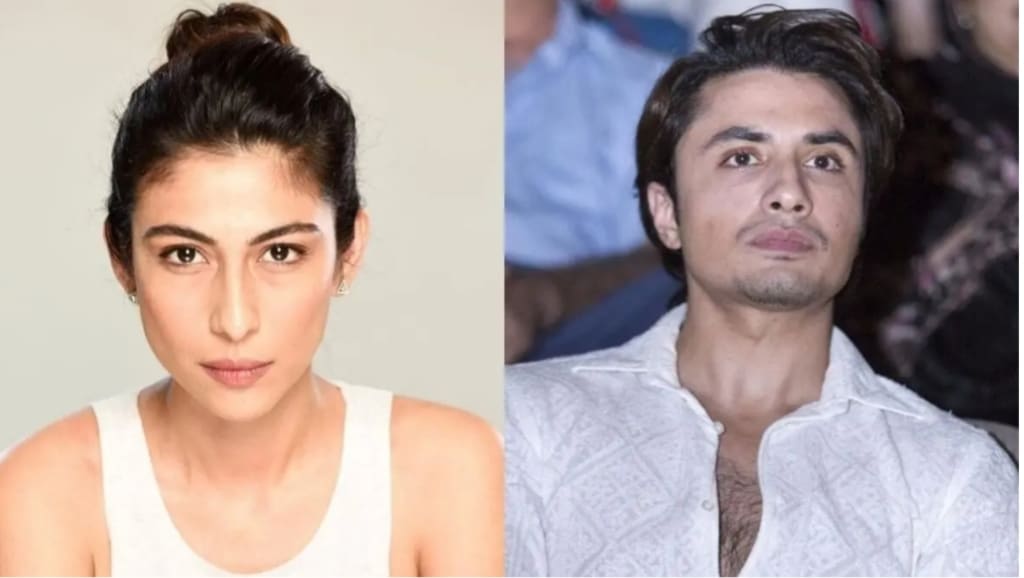
Ruling reignites debate on freedom of expression, due process, and the limits of public discourse in high-profile harassment cases
The Lahore High Court (LHC) has upheld a lower court order restraining singer and actor Meesha Shafi from making or repeating allegations of sexual harassment against fellow artist Ali Zafar, marking another significant development in one of Pakistan’s most closely watched legal and cultural battles. The decision has once again placed the spotlight on the complex intersection of defamation law, women’s rights, and the #MeToo movement in the country.
The verdict, delivered by a division bench of the LHC, effectively maintains the status quo established by the trial court, which had earlier issued an injunction barring Shafi from publicly reiterating the allegations while related legal proceedings are ongoing. The court held that until the matter is conclusively decided by the relevant forums, restraint on public statements is necessary to prevent prejudice and reputational harm.
Background of a Landmark Dispute
The dispute dates back to 2018, when Meesha Shafi accused Ali Zafar of sexual harassment, triggering Pakistan’s first high-profile #MeToo case. The allegations sparked a nationwide conversation about workplace harassment, power dynamics in the entertainment industry, and the challenges faced by women who come forward with complaints.
Ali Zafar has consistently denied the allegations, calling them false and defamatory, and has pursued multiple legal remedies, including defamation suits. Over the years, the case has moved through various legal forums, including civil courts, high courts, and tribunals dealing with workplace harassment laws.
The prolonged litigation has not only involved questions of evidence and jurisdiction but has also raised broader constitutional and social issues, particularly around free speech and the right to reputation.
The LHC’s Reasoning
In upholding the restraining order, the LHC emphasized the principle that courts must balance freedom of expression with the right to dignity and reputation, both of which are protected under the Constitution of Pakistan. The bench observed that unrestrained public commentary on sub judice matters can undermine the fairness of judicial proceedings and cause irreversible damage.
According to the court, the injunction does not amount to a final determination of the allegations themselves but is a temporary measure to ensure that neither party is unfairly prejudiced while legal processes continue. The judges noted that the appropriate forums for determining the veracity of the claims remain the courts and statutory bodies, not public platforms.
Reactions From Both Sides
Legal representatives for Ali Zafar welcomed the decision, describing it as a reaffirmation of due process and the rule of law. They argued that repeated public allegations, without a final judicial finding, amounted to character assassination and caused lasting professional and personal harm.
“This ruling reinforces the idea that allegations must be tested in court, not tried in the media,” a member of Zafar’s legal team said, adding that the restraint was necessary to protect fundamental rights.
Supporters of Meesha Shafi, however, expressed concern over what they see as a chilling effect on survivors of harassment. They argue that restraining orders of this nature risk silencing women and discouraging others from speaking out against abuse, particularly in industries where informal power structures dominate.
Wider Debate on #MeToo and Law
The LHC’s decision has reignited debate about how Pakistan’s legal system engages with #MeToo-era allegations. While defamation laws aim to protect individuals from false accusations, critics argue that such laws can be weaponized to suppress legitimate complaints, especially in cases where evidentiary standards are hard to meet.
Human rights activists point out that sexual harassment often occurs without witnesses and that survivors may rely on speaking publicly when institutional mechanisms fail them. They stress the need for legal reforms that protect both complainants and the accused without disproportionately burdening one side.
At the same time, legal experts caution against conflating public opinion with justice. They argue that courts must remain neutral arbiters and that high-profile cases are particularly vulnerable to trial by media, which can distort facts and polarize society.
Implications for Freedom of Expression
The ruling also raises important questions about freedom of expression in Pakistan. While the Constitution guarantees the right to free speech, it allows for reasonable restrictions in the interests of morality, decency, and the protection of reputations.
By upholding the restraining order, the LHC has signaled that these restrictions can extend to social media and public commentary, especially when legal disputes are unresolved. Observers say this could set a precedent for future cases involving public allegations and ongoing litigation.
What Lies Ahead
The underlying cases between Meesha Shafi and Ali Zafar are still pending in various legal forums, meaning the dispute is far from over. Legal analysts expect further appeals and constitutional petitions, particularly on questions of jurisdiction, harassment law applicability, and the balance between speech and reputation.
For now, the LHC’s decision underscores the judiciary’s preference for adjudicating sensitive disputes within the courtroom rather than the court of public opinion. As Pakistan continues to grapple with how to address harassment allegations fairly and transparently, the case remains a defining test of the country’s legal and social frameworks.
Ultimately, the ruling highlights a difficult reality: achieving justice in harassment cases requires navigating a narrow path between empowering survivors to speak and ensuring that accusations are examined through due process. How Pakistan strikes that balance will shape not only this case, but many others to come.
About the Creator
Keep reading
More stories from Salaar Jamali and writers in Art and other communities.
Quote of the Day by Eleanor Roosevelt: “A woman is like a tea bag – you can't tell how strong she is…”
Eleanor Roosevelt, former First Lady of the United States, diplomat, and humanitarian, was one of the most influential voices of the 20th century. Her life was defined by courage, advocacy, and the relentless pursuit of social justice. Among her many memorable sayings, one has resonated across generations:
By Salaar Jamaliabout 21 hours ago in Art




Comments
There are no comments for this story
Be the first to respond and start the conversation.