
The Remix Is the Work
Originality isn't always the goal of art
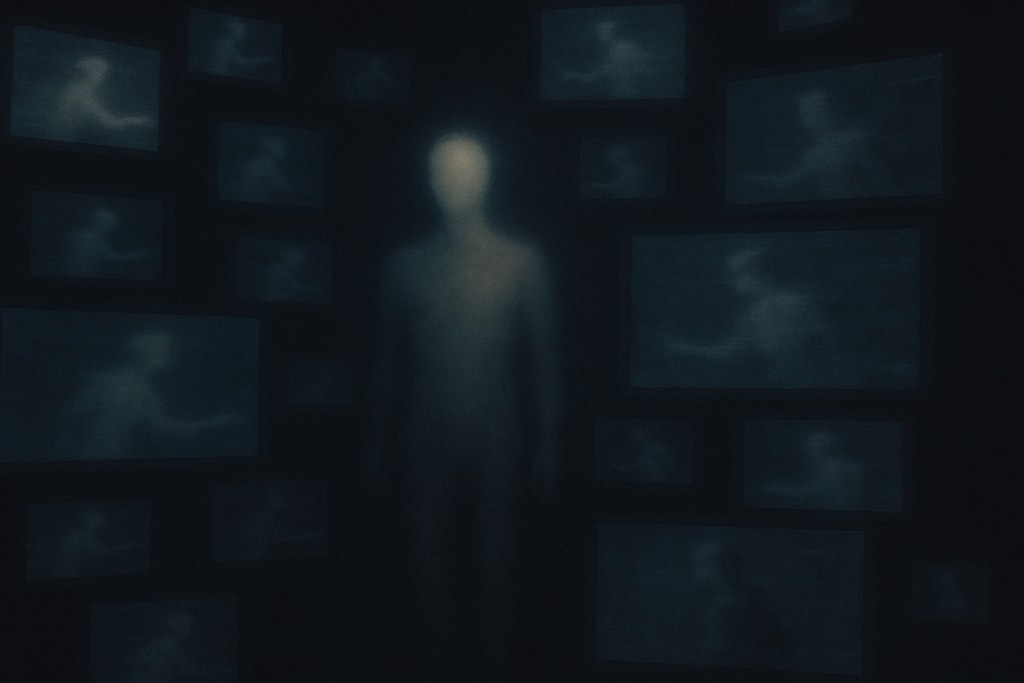
I used to chase originality like it was a prize.
I thought the goal was to make something no one had ever seen before — a style so distinct, a concept so untouched, it could only be mine. But the more I created, the more I felt like I was performing a version of what “original” was supposed to look like.
Then I watched a documentary on Virgil Abloh — and everything shifted.
He talked about sampling in fashion, not as imitation, but as a creative language. Pulling from culture, memory, design, and remixing the familiar into something that feels new, even if it’s built from what already exists.
That’s what I’ve been doing all along. I just didn’t realize it was valid.
The Remix Is the Work
As a digital artist, I exist in layers — of images, influences, tools, algorithms.
I blur. I distort. I source. I subtract.
Originality isn't my goal.
Erosion is.
I’m not here to plant a flag or claim authorship. I’m here to disintegrate boundaries — between source and self, between past and process.
Virgil’s view of creativity gave me language for what I already felt: that meaning doesn’t come from making something untouched — it comes from the way you arrange the pieces. The way you warp, choose, hide, blur.
Watching Virgil Abloh speak about his approach to fashion unlocked something for me. He described creativity not as invention, but as a shift — a 3% tweak, a deliberate reframe. That philosophy helped me let go of the need to be “original” and embrace being intentional.
That said, I don’t condone the way he sometimes sampled other artists’ work without proper credit — especially when those creators were smaller, less powerful, or not given a platform to respond.
Attribution matters.
Integrity matters.
And sampling, when done without consent or acknowledgment, crosses a line.
I learned from his framework but I also learned from his flaws.
I Don’t Want to Be Recognized.
I Want to Be Felt.
There’s no signature in my work.
No face. No definitive mark of authorship.
That’s not accidental. That’s the point.
I dissolve myself inside the piece so what’s left is only sensation — flickers, absences, textures that feel like déjà vu. I want the viewer to pause, not because they know me, but because they see a version of themselves in the face blur.
Recognition is ego.
Resonance is art.
A Different Kind of Original
Maybe originality was never about being “the first.”
Maybe it’s about being unplaceable.
A mood. A tone. A tension. A silence between two conflicting images.
Virgil didn’t try to be pure. He just tried to be honest with his materials. And that gave me permission to do the same — to stop worrying whether my art is original and start asking whether it’s honest, strange, and true.
And if it is?
That’s enough.
About the Creator
Danielle Jara
Digital artist exploring identity, anonymity, and minimalism through faceless visuals. I create content about AI-assisted art, creative privacy, and visual stories. Creator of the Blurred Identity series and tutorials using blur face tools.
Keep reading
More stories from Danielle Jara and writers in Art and other communities.
Blurring Myself into Focus: Why I Create Faceless Art
The Art of Disappearing I didn’t start out trying to blur myself out of my work — it just happened. At first, I was like everyone else, obsessing over light, composition, exposure. I’d take portraits, edit carefully, and present myself as cleanly and clearly as I could. But over time, I realized I wasn’t comfortable being seen so literally. The internet doesn’t forget, and it doesn’t always care about context.
By Danielle Jara9 months ago in Art
'Till Death We Do Art
There would be nothing divine in this world without art. Nature may surpass the divine to all intents and purposes, but like everything it absorbs and is absorbed by, it remains here, stuck on the surface of this world, ever-present, physically bound to the universe.
By Avocado Nunzella BSc (Psych) -- M.A.P 21 days ago in Art
When Stone Meets Style
The first time I held a piece of raw gold still nestled in quartz, it did not shimmer politely. It caught the light in uneven flashes, like a secret smile from inside the stone. My fingers traced its rough ridges, and I realised that perfection can feel far more alive when it refuses to be polished smooth.
By CurlsAndCommas6 days ago in Art
The BAFTA Awards
By now, in a stunning departure from recent years, most of the world is aware of what happened at the BAFTA film awards. Social Media Headlines will tell you the bare bones: that John Davidson, a Tourette's Syndrome advocate, shouted a racial slur at two Actors of Colour, Michael B Jordan and Delroy Lindo.
By Natasja Rose6 days ago in Psyche




Comments