
The Power of Gratitude: Lessons from a Simple Pair of Shoes
Art lessons

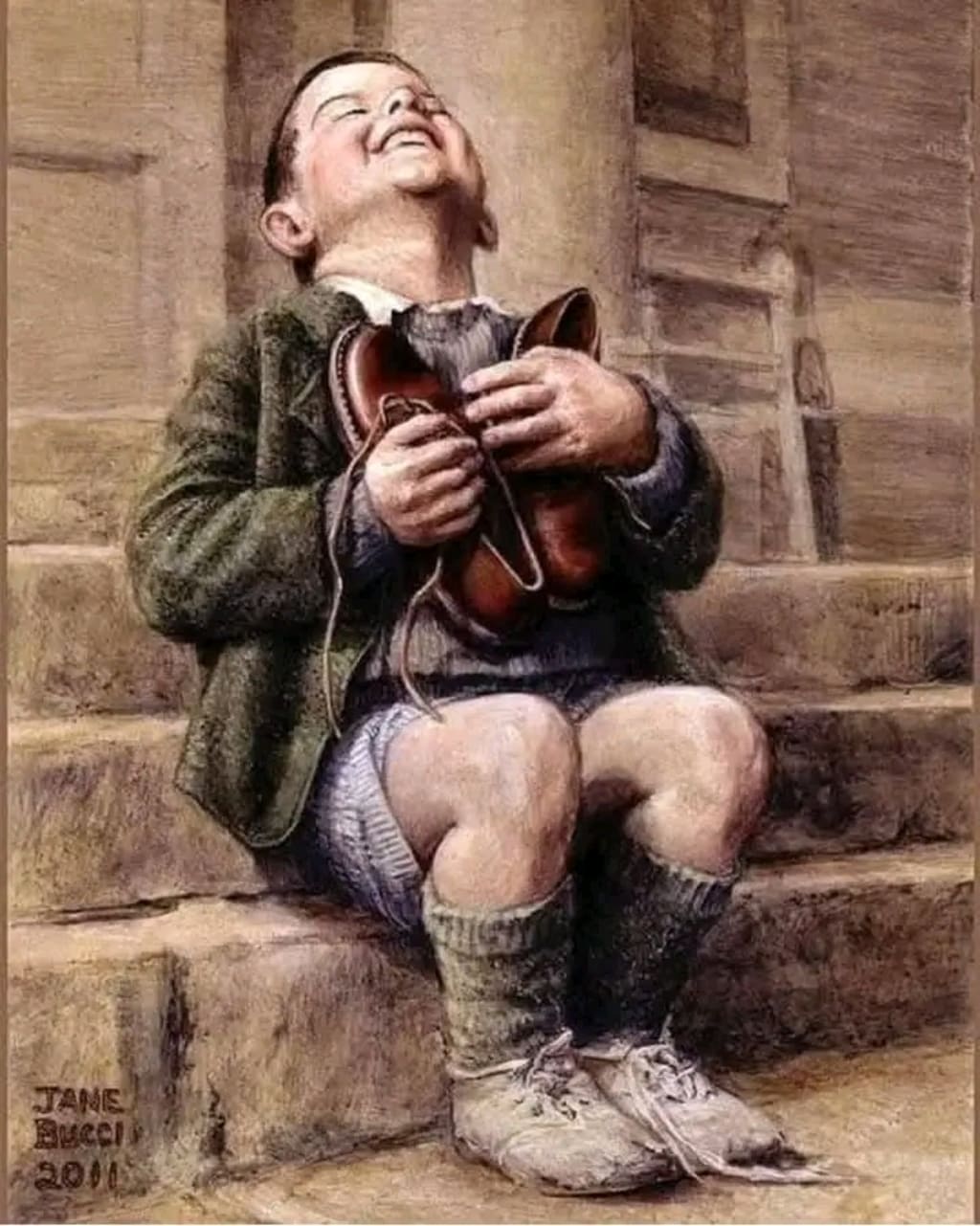
In 1946, a photograph captured a moment of pure, unfiltered joy. It was the face of Werfel, a six-year-old Austrian boy, holding his first pair of new shoes. Separated from his parents and living in an orphanage in post-war Vienna, Werfel’s life had been marked by loss and hardship. Yet, the gift of something as simple as new shoes, provided by the American Red Cross, brought a radiant smile to his face—a moment that still resonates with us today.
This image isn’t just a historical relic; it’s a profound reminder of gratitude. Werfel’s joy teaches us a universal truth: gratitude is transformative. It’s not about the size or value of what we receive but the act of appreciating what we have, no matter how small. In a world that often glorifies excess, Werfel’s story encourages us to reevaluate our relationship with gratitude, humility, and kindness.
Gratitude Amid Hardship
Post-war Europe was a continent scarred by conflict. Cities lay in ruins, families were displaced, and resources were scarce. For children like Werfel, life in an orphanage was bleak, a stark contrast to the stability many of us take for granted. When the American Red Cross stepped in to provide aid, they didn’t just offer material goods—they gave hope.
The photograph of Werfel’s joy reminds us that even in the darkest times, gratitude can serve as a light. It’s a lesson we can apply in our own lives. Often, we get so consumed by our challenges that we fail to see the blessings hidden amidst the chaos. Gratitude shifts our focus from what we lack to what we have, fostering resilience and optimism.
Why Gratitude Matters
Gratitude is more than a fleeting feeling; it’s a mindset that can transform how we experience the world. Scientific studies have shown that practicing gratitude can improve mental health, enhance relationships, and even boost physical well-being. It cultivates a sense of abundance, helping us focus on the positives in our lives rather than dwelling on the negatives.
Werfel’s smile, sparked by a simple pair of shoes, is a testament to this truth. It’s easy to dismiss small acts of kindness or generosity as insignificant, but they have the power to ripple through someone’s life in profound ways. When we express gratitude, we not only acknowledge these acts but also inspire more kindness in return.
Teaching Gratitude to Future Generations
Werfel’s story carries a message that transcends time and geography. It’s a reminder to teach our children the value of gratitude. In an age of instant gratification and endless consumerism, it’s easy for young people to lose sight of what truly matters. Parents and educators play a crucial role in nurturing a mindset of thankfulness.
Here are a few practical ways to instill gratitude in children:
1. Model Gratitude: Children learn by example. Show them what gratitude looks like by expressing it openly. Whether it’s thanking a server at a restaurant or writing a thank-you note, let them see gratitude in action.
2. Practice Together: Create rituals that encourage gratitude, like sharing something you’re thankful for at the dinner table or keeping a family gratitude journal.
3. Give Back: Involve children in acts of service, such as volunteering at a shelter or participating in donation drives. Experiencing the joy of giving helps them appreciate what they have.
4. Teach Perspective: Share stories like Werfel’s to help children understand that not everyone has the privileges they enjoy. This awareness fosters empathy and gratitude.
Living a Grateful Life
As adults, we often forget to practice gratitude amid the busyness of daily life. Werfel’s story invites us to slow down and reconnect with this vital habit. Here are a few ways to incorporate gratitude into your routine:
- Start a Gratitude Journal: Each day, write down three things you’re thankful for. Over time, this simple practice can shift your perspective.
- Express Thanks: Make it a point to thank someone every day, whether it’s a colleague, a family member, or a stranger. Your words might mean more to them than you realize.
- Be Present: Gratitude flourishes in the present moment. Take time to appreciate the small joys around you—a sunrise, a warm cup of coffee, or a kind word from a friend.
The Ripple Effect of Gratitude
Werfel’s story is a powerful reminder that gratitude isn’t just about what we feel; it’s about how we act. When we approach life with a thankful heart, we inspire those around us to do the same. Gratitude breeds humility and kindness, qualities that can transform not only our personal lives but also our communities.
As we approach the end of the year—a season traditionally marked by reflection and giving—let Werfel’s smile remind us of the power of gratitude. It’s the perfect time to pause, count our blessings, and share our appreciation with others. Teach your children. Remind your friends. Live it out before your family.
Gratitude shines the soul, illuminating the beauty of humility and kindness. And just like Werfel’s smile, it has the power to touch hearts, inspire change, and leave a legacy of hope.
About the Creator
Keep reading
More stories from Deji Akomolafe and writers in Art and other communities.
Medieval Masonry: The Craftsmanship Behind Iconic Structures
The medieval era, spanning roughly from the 5th to the 15th century, was an age of remarkable architectural innovation. From soaring cathedrals to fortified castles, medieval masonry laid the foundation—quite literally—for some of the world’s most enduring structures. These buildings, with their intricate stonework and enduring strength, not only showcased the skill of medieval masons but also reflected the cultural, religious, and technological advancements of the time.
By Deji Akomolafeabout a year ago in Art




Comments
There are no comments for this story
Be the first to respond and start the conversation.