
The Palais Garnier: A Masterpiece of 19th-Century Paris
A masterpiece

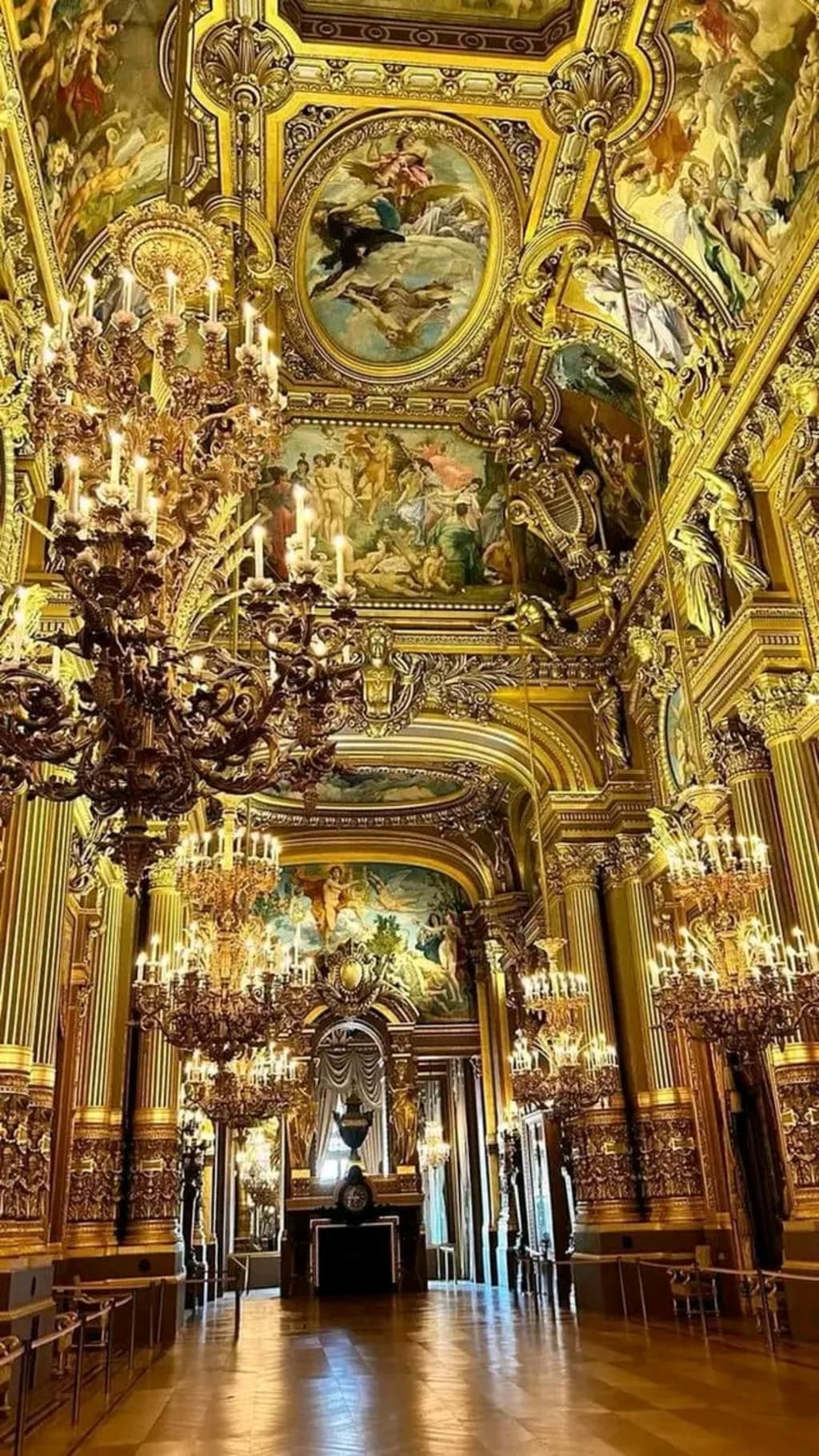
Nestled in the heart of Paris, the Palais Garnier stands as one of the most iconic and opulent symbols of 19th-century French architecture and culture. Commonly known as L'Opéra Garnier, this historic opera house, with its 1,979-seat capacity, has been a centerpiece of Parisian life since its inauguration in 1875. Commissioned by Emperor Napoleon III during the Second Empire, the Palais Garnier is more than just a venue for opera and ballet; it is a testament to the artistic and architectural ambition of its era.
---
A Visionary Project
The Palais Garnier was born out of necessity and grandeur. By the mid-19th century, the Paris Opera, then housed in the Théâtre de l'Académie Royale de Musique, required a new home. Napoleon III envisioned a grand structure befitting the cultural and political power of his regime. In 1861, Charles Garnier, a relatively unknown architect, won the design competition for the new opera house. His vision was a Beaux-Arts masterpiece that combined opulence, functionality, and cutting-edge construction techniques.
Construction began in 1861 but faced numerous delays, including the Franco-Prussian War, the fall of the Second Empire, and the discovery of an underground lake beneath the site. This subterranean lake, immortalized in Gaston Leroux’s The Phantom of the Opera, required a complex drainage system and remains a fascinating part of the opera house’s lore.
---
A Triumph of Beaux-Arts Architecture
When it finally opened its doors in 1875, the Palais Garnier was hailed as an architectural triumph. Its design epitomized the Beaux-Arts style, characterized by grandeur, symmetry, and elaborate ornamentation. Garnier’s vision was to create a “palace of pleasure,” where every corner would dazzle and delight.
The exterior of the building is a feast for the eyes. Its façade is adorned with sculptures, columns, and friezes, each element rich with symbolism. The twin gilded statues of Harmony and Poetry crown the structure, while busts of great composers like Mozart, Beethoven, and Rossini pay homage to the operatic art form. The grand staircase, a masterpiece of marble and gilded bronze, is as much a stage for the audience as the performers, designed to showcase the elegance and fashion of Parisian high society.
---
Inside the Palais Garnier
Stepping into the Palais Garnier is akin to entering a dreamscape of gilded splendor. The Grand Foyer, stretching nearly 60 meters long, rivals the Hall of Mirrors at Versailles in its opulence. Adorned with crystal chandeliers, frescoed ceilings, and gold-leafed accents, it offers a breathtaking space for audiences to mingle before performances.
The auditorium, with its iconic horseshoe-shaped seating, is the heart of the Palais Garnier. It features plush red velvet seats and a proscenium arch dripping with gold ornamentation. Overhead, a 1964 modernist fresco by Marc Chagall graces the ceiling, juxtaposing the classical elegance of the space with vibrant, surrealist imagery.
The stage itself is a marvel of 19th-century engineering, designed to accommodate elaborate set changes and large-scale productions. Beneath the stage lies the infamous underground lake, a relic of the site’s original construction challenges. This hidden feature adds an element of mystique to the opera house, inspiring tales and legends that have become part of its identity.
---
Cultural Significance
The Palais Garnier is not only an architectural masterpiece but also a cultural landmark that has played a pivotal role in the history of opera and ballet. It was the primary home of the Paris Opera until 1989, when the Opéra Bastille was inaugurated. Today, the Palais Garnier is primarily used for ballet performances, though it occasionally hosts opera and other events.
Its influence extends beyond the realm of performing arts. The opera house has inspired countless artists, writers, and filmmakers. Gaston Leroux’s 1910 novel The Phantom of the Opera and its subsequent adaptations have immortalized the Palais Garnier in popular culture, adding an air of mystery and romance to its legacy.
---
The Palais Garnier Today
In the modern era, the Palais Garnier remains a must-visit destination for tourists and a cherished institution for Parisians. Its dual role as a functioning performance venue and a historical monument allows visitors to experience both the grandeur of its architecture and the artistry of its performances.
Guided tours of the opera house provide insight into its history, architecture, and legends, while evening performances offer a chance to witness world-class ballet in one of the most breathtaking settings imaginable. The building’s gift shop and restaurant ensure that even casual visitors can take a piece of its magic home.
---
A Timeless Legacy
The Palais Garnier is more than just a building; it is a symbol of Paris’s enduring love for art, beauty, and culture. Its blend of architectural innovation, artistic grandeur, and historical significance make it a cornerstone of French heritage. Whether admired for its aesthetic splendor, appreciated for its artistic contributions, or explored for its hidden mysteries, the Palais Garnier continues to captivate and inspire all who encounter it.
As one gazes upon the gilded statues, walks up the grand staircase, or listens to the echoes of a performance within its hallowed halls, it becomes clear why the Palais Garnier remains one of the world’s most celebrated opera houses. It is not merely a relic of the past but a living testament to the enduring power of art and the human spirit.
About the Creator
Keep reading
More stories from Deji Akomolafe and writers in Art and other communities.
The Mysterious Godolphin Cabinet: A Journey Through Time and Art
When I first purchased this cabinet, I was intrigued by its craftsmanship and its apparent age. After a careful analysis, I deduced that it likely dated back to between 1581 and 1610. However, after sharing my thoughts with members of art groups on Facebook and learning more about its history, I’ve come to believe it was actually made around 1650. This piece of furniture, a stunning blend of history, art, and craftsmanship, has a rich and fascinating backstory, particularly tied to the Godolphin family, a prominent aristocratic lineage from Cornwall, England.
By Deji Akomolafeabout a year ago in Art
'Till Death We Do Art
There would be nothing divine in this world without art. Nature may surpass the divine to all intents and purposes, but like everything it absorbs and is absorbed by, it remains here, stuck on the surface of this world, ever-present, physically bound to the universe.
By Avocado Nunzella BSc (Psych) -- M.A.P 28 days ago in Art
Rewire Your Mind for Success
brilliant inventor and worked day and night in her small lab, filled with glowing screens and strange gadgets. Despite her talent, she struggled to find success. Her inventions were often overlooked, and her ideas remained trapped in her mind.
By Hamad Afridi 6 days ago in Art




Comments
There are no comments for this story
Be the first to respond and start the conversation.