
The Most Beautiful Artworks of All Time
Timeless Masterpieces That Inspire Generations

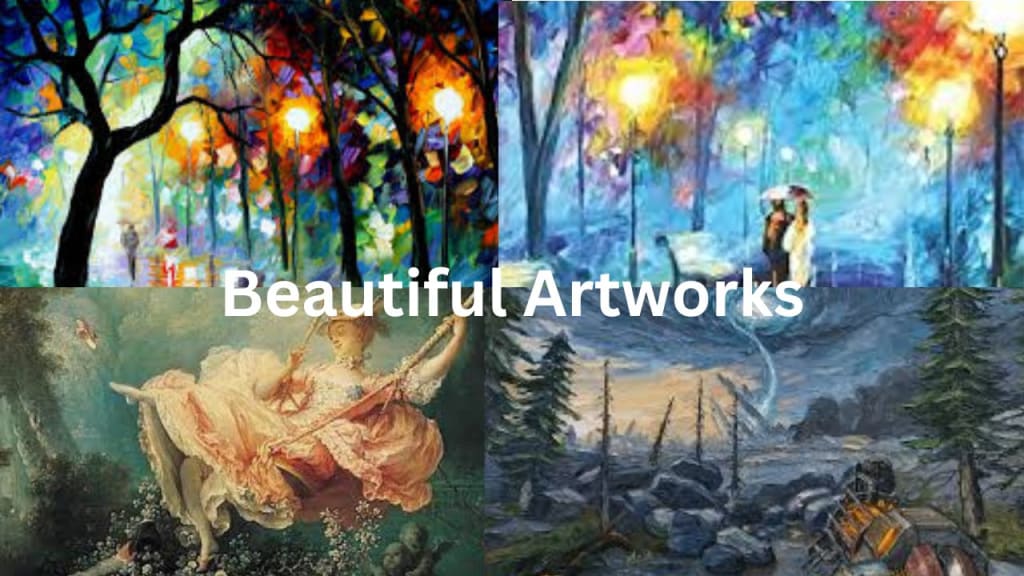
Art is an expression of the human experience, transcending time, culture, and geographical boundaries. Over the centuries, countless artists have created works that resonate deeply with viewers, evoking a wide range of emotions, from awe and admiration to introspection and wonder. Some of these works stand out not only for their technical brilliance but also for their profound impact on the course of art history. In this article, we will explore some of the most beautiful and influential artworks of all time—masterpieces that continue to inspire and captivate audiences worldwide.
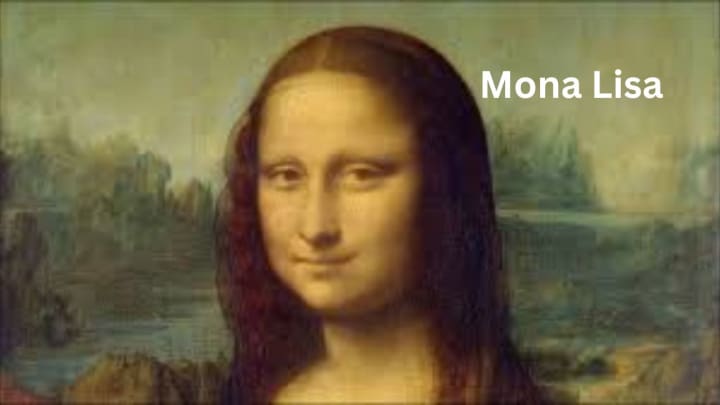
Mona Lisa by Leonardo da Vinci (1503–1506)
The Mona Lisa, painted by the Italian Renaissance master Leonardo da Vinci, is perhaps the most recognized painting in the world. There are millions of visitors each year to the Louvre Museum in Paris, where it hangs. The painting depicts a woman with an enigmatic smile, sitting against a distant landscape that fades into soft hues. What makes this piece so extraordinary is not just the mysterious expression but also Leonardo's groundbreaking use of sfumato, a technique that allows for smooth transitions between colours and tones. This attention to detail in capturing human emotion has made the Mona Lisa a timeless symbol of beauty and intrigue.
Key Themes: Mystery, Renaissance, Human Expression
Why It's Beautiful: The calm serenity of the subject, combined with the skilful rendering of light and shadow, creates a compelling sense of realism and timeless allure.
Vincent van Gogh's Starry Night (1889)
Vincent van Gogh’s The Starry Night is a mesmerizing painting filled with swirling, vibrant blues and yellows. Created during his stay at the Saint-Paul-de-Mausole asylum in Saint-Rémy-de-Provence, France, this masterpiece reflects van Gogh’s emotional turmoil as well as his fascination with the beauty of the night sky. The exaggerated, almost hypnotic movement in the stars and clouds contrasts with the peaceful village below, symbolizing van Gogh’s inner conflict between calm and chaos. The dynamic brushstrokes and bold colour choices make this painting stand out in the Post-Impressionist movement and one of the most beloved artworks of all time.
Key Themes: Emotion, Nature, Expressionism
Why It's Beautiful: The bold use of colour and texture creates an unforgettable visual experience, capturing the drama and beauty of the night sky in a way that feels both alive and meditative.

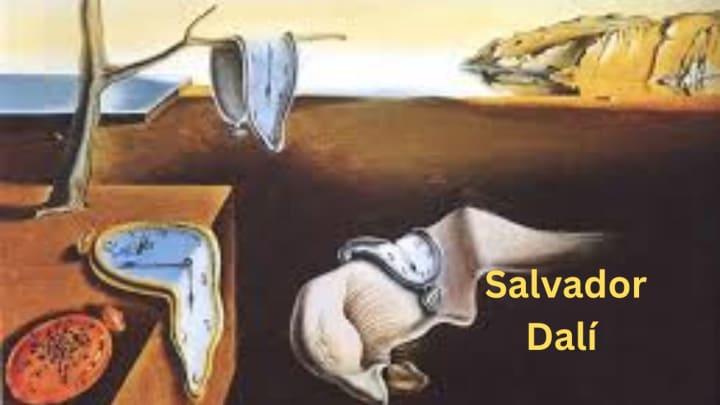
The Persistence of Memory by Salvador Dalí (1931)
A signature work of Surrealism, The Persistence of Memory by Salvador Dalí challenges the viewer’s perception of reality and time. Featuring melting clocks draped over barren landscapes, this surreal scene invites questions about the nature of time itself. The clocks are soft and fluid, suggesting that time is not rigid or unyielding but rather malleable and subjective. Dalí’s precise and almost photographic rendering of the environment contrasts with the dreamlike, distorted clocks, creating an uncanny effect. The painting has become an emblem of the surrealist movement and continues to provoke thought and interpretation.
Key Themes: Time, Surrealism, Dream Imagery
Why It's Beautiful: The juxtaposition of the familiar (clocks) with the bizarre (melting forms) makes the piece visually striking and intellectually stimulating, leaving a lasting impression on anyone who views it.
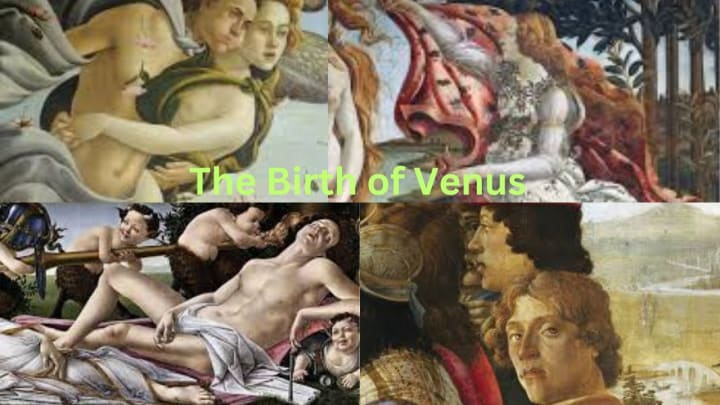
Sandro Botticelli's The Birth of Venus (1485)
This painting, The Birth of Venus, by Sandro Botticelli, is one of the defining works of the Early Renaissance. The scene depicts the mythical birth of Venus, the goddess of love and beauty, rising from the sea on a shell, a vision of perfect grace. Botticelli's use of flowing lines, delicate colour palettes, and ethereal figures creates a sense of divine beauty. The soft, almost dreamlike quality of the figures contrasts with the dynamic motion of the wind and the waves, symbolizing the harmony between the divine and natural worlds.
Key Themes: Mythology, Beauty, Renaissance
Why It's Beautiful: The ethereal quality of Venus and the graceful positioning of the figures convey an idealized vision of beauty, making it one of the most harmonious and beautiful works of art ever created.
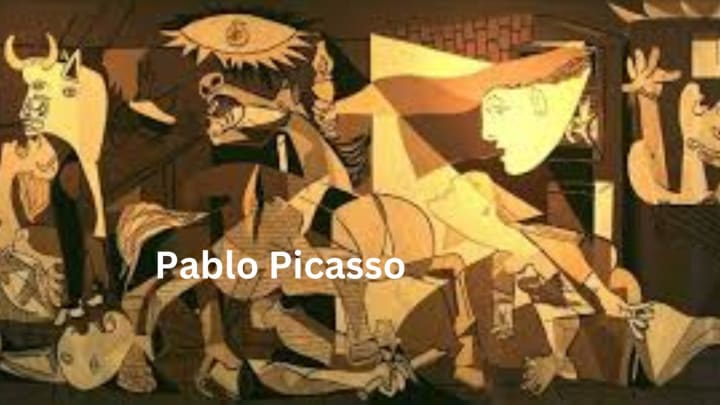
Guernica by Pablo Picasso (1937)
The painting Guernica by Pablo Picasso is one of the most powerful and emotional anti-war pieces in history. Created in response to the bombing of the Spanish town of Guernica during the Spanish Civil War, this large-scale mural conveys the anguish and chaos of war through distorted, anguished figures and harsh, angular lines. The monochromatic colour scheme enhances the painting's sense of despair, and its abstract style allows viewers to experience the horror of war in a raw and visceral way.
Key Themes: War, Suffering, Protest
Why It's Beautiful: Despite its stark and jarring visuals, Guernica resonates with the beauty of raw emotion and the ability of art to communicate profound political and human truths.
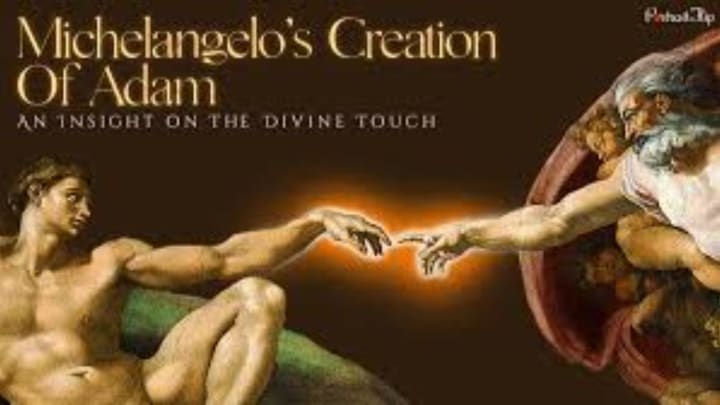
Michelangelo's Creation of Adam (1512)
Located on the ceiling of the Sistine Chapel in Vatican City, Michelangelo’s The Creation of Adam is one of the most iconic images in Western art. The fresco depicts the biblical story of God giving life to Adam with a simple but divine touch. The outstretched hands of God and Adam are the focal point of the composition, symbolizing the moment of creation. Michelangelo’s mastery in rendering human anatomy, along with the dynamic positioning of the figures, makes this fresco a masterpiece of Renaissance art.
Key Themes: Creation, Religion, Divine Connection
Why It's Beautiful: The elegance and symmetry of the composition, combined with the powerful symbolism of life and divinity, make this fresco an embodiment of the divine connection between humanity and God.
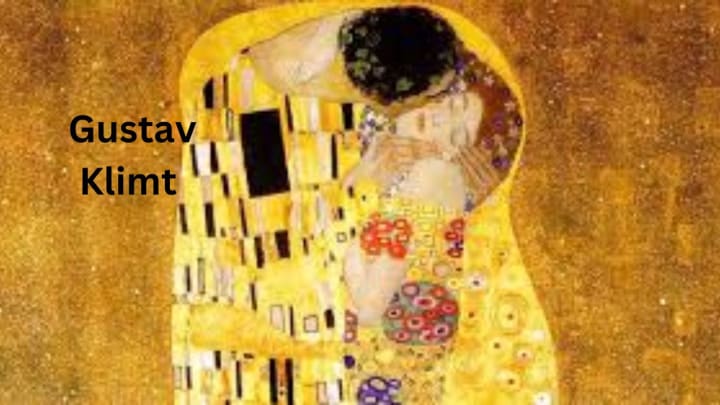
The Kiss by Gustav Klimt (1907-1908).
Gustav Klimt’s The Kiss is a radiant example of the Art Nouveau style, combining sensuality, symbolism, and ornamental design. The painting depicts a couple locked in an intimate embrace, their bodies enveloped in flowing robes adorned with intricate gold leaf patterns. The use of gold in the background and the figures’ robes adds a sense of luxury and splendour, creating an atmosphere of transcendent love and unity. Klimt’s ability to blend sensuality with a sense of spiritual connection makes this work one of the most beloved in modern art.
Key Themes: Love, Intimacy, Art Nouveau
Why It's Beautiful: The lavish use of gold and the intricate details in the design give the painting a timeless, ethereal quality making it one of the most romantic and visually stunning artworks of the 20th century.
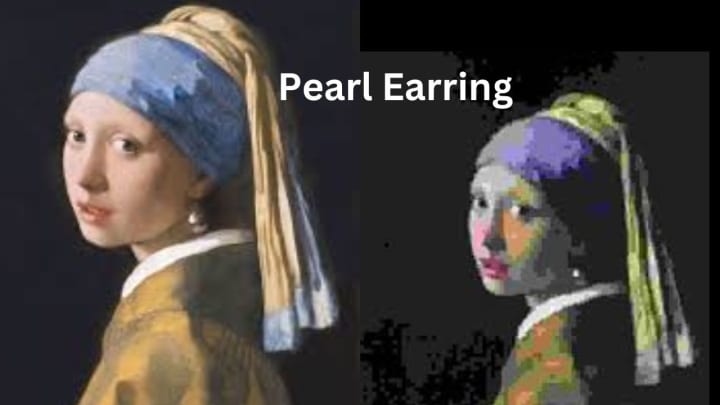
Girl with a Pearl Earring by Johannes Vermeer (1665).
Often referred to as the “Mona Lisa of the North,” Girl with a Pearl Earring is one of the most famous works by Dutch Baroque painter Johannes Vermeer. The portrait features a young girl in a turban with a strikingly large pearl earring. Vermeer’s exceptional use of light and shadow, known as chiaroscuro, gives the girl’s face a luminous, almost otherworldly quality. The direct gaze of the subject and the simplicity of the composition create an intimate and captivating experience.
Key Themes: Portraiture, Light and Shadow, Beauty
Why It's Beautiful: The haunting simplicity of the painting, combined with the girl's mysterious expression and the gleam of the pearl earrings, makes this portrait an unforgettable visual masterpiece.
Conclusion
Why These Artworks Are Timeless
The beauty of these masterpieces lies not only in their technical brilliance but also in the way they resonate with universal human themes—love, loss, creation, and expression. These works have shaped the trajectory of art history, influencing countless generations of artists and continuing to inspire awe and admiration. Whether through vivid colours, evocative symbolism, or breathtaking composition, each of these artworks captures a unique moment in time while remaining relevant and beautiful to viewers today.
Art is an ever-evolving medium, but the pieces listed here remind us of the enduring power of beauty and the human spirit. They are not just paintings; they are windows into the depths of emotion and creativity.
About the Creator
Zinnat ara Begum
I am an expert on Content Creator,
Video creation/editing: Adobe Premiere Pro, Final Cut Pro
Strong analytical and data-driven decision-making skills
Excellent communication and project management
Keep reading
More stories from Zinnat ara Begum and writers in Art and other communities.
Mastering the Art of Quality Study: Strategies for Success
Success in academics does not solely depend on the hours you put into studying, but rather on how effectively you study. Many students struggle to retain information, manage their time, or stay focused, despite spending countless hours with their books. Mastering the art of quality study requires a strategic approach that enhances learning and retention. In this article, we will explore proven methods and techniques that will help you build better study habits, increase your efficiency, and achieve academic success with less stress and more confidence.
By Zinnat ara Begumabout a year ago in Art




Comments
There are no comments for this story
Be the first to respond and start the conversation.