
"The Life of an Old Beggar in Society"
“The Life of an Old Beggar in Society” that explores the hardships, emotions, and societal reflections around the life of an elderly beggar.
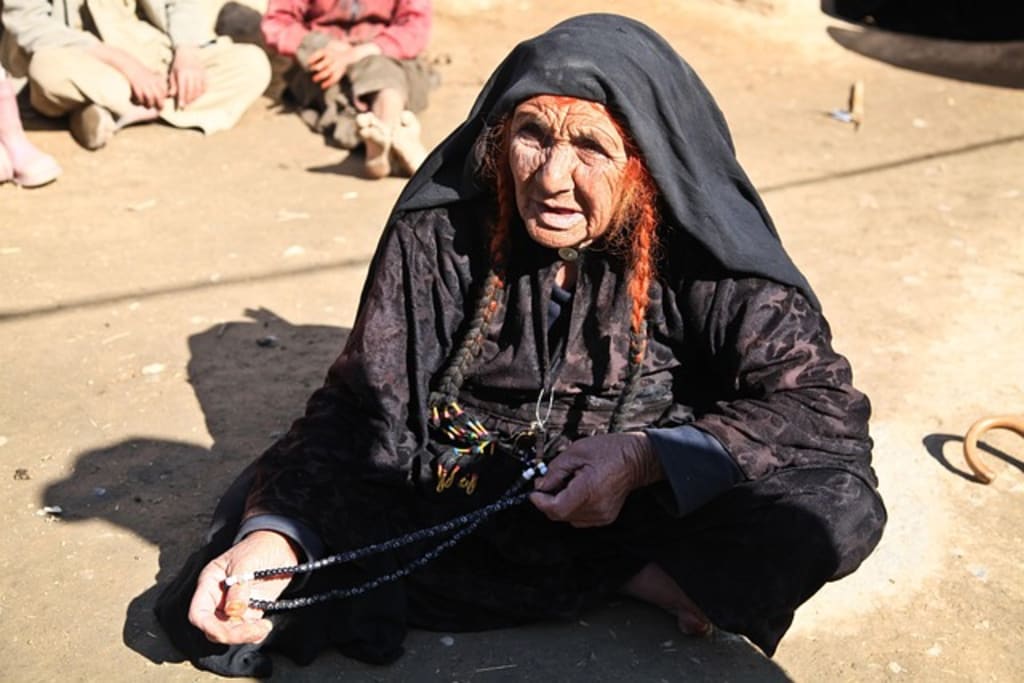
“The Life of an Old Beggar in Society” that explores the hardships, emotions, and societal reflections around the life of an elderly beggar.
The Life of an Old Beggar in Society
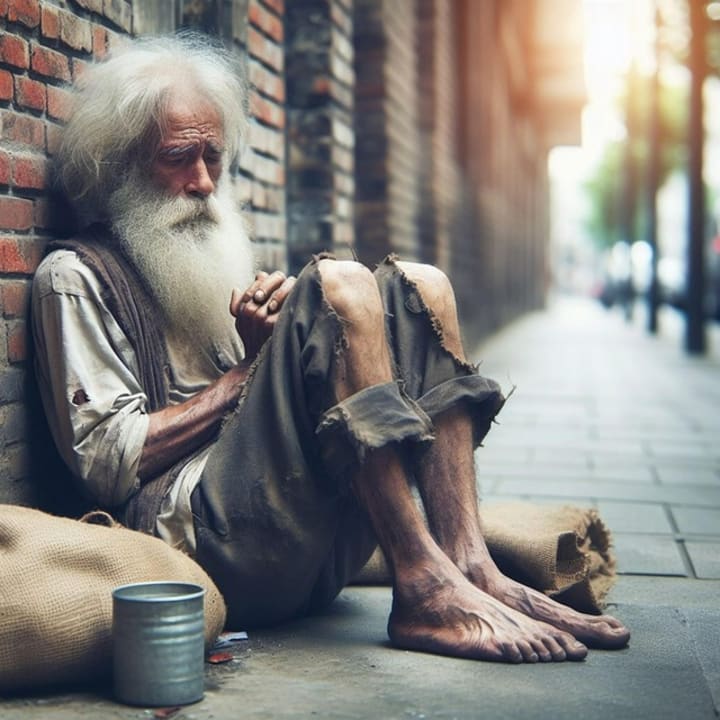
In the shadows of bustling cities and along the dusty roads of small towns, one can often find the quiet, hunched figure of an old beggar—often unnoticed, occasionally pitied, and rarely truly understood. The life of an old beggar in society is a somber tale of resilience, neglect, and the silent erosion of human dignity. While society progresses in technology and economy, individuals like the old beggar are stark reminders that progress is not always evenly shared.
A Face Weathered by Time and Trial
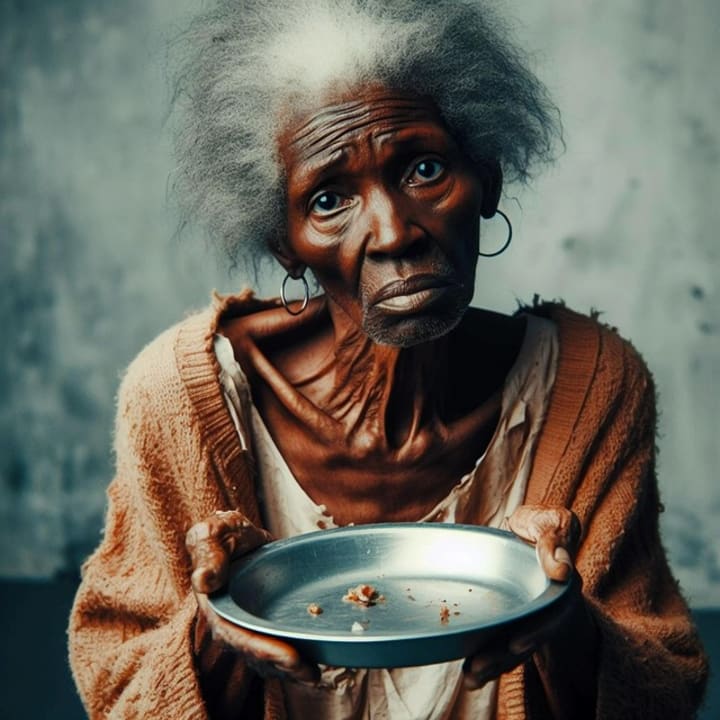
The face of an old beggar is often marked with lines that tell a story deeper than words could ever express. These are not merely wrinkles from age, but furrows carved by a lifetime of hardship. Years of exposure to the elements—scorching summers, bitter winters, and relentless rains—etch their marks into the skin. The body, once strong and capable, is now frail and tired, moving with effort and pain. But perhaps what is most haunting is the look in the eyes—an expression that carries the weight of abandonment, solitude, and a quiet longing for kindness.
How Did It Come to This?
The path to becoming a beggar is rarely straight. Most elderly beggars have not lived a life of idleness or irresponsibility. They were once farmers, workers, teachers, or caretakers. Some may have had families and homes, while others might have served their communities with dedication. However, circumstances—illness, economic downturn, displacement, personal tragedy—can quickly strip away the fragile securities people hold.
For the elderly, the loss is even more profound. As the body weakens and opportunities disappear, many find themselves pushed to the margins. Pensions may be inadequate or non-existent. Healthcare, if available, is often beyond reach. Those without family support—or those abandoned by their own children—have no choice but to seek sustenance through begging.
Daily Life on the Streets
The daily routine of an old beggar is a painful repetition of survival. They wake up on pavements, under flyovers, or in abandoned buildings. Their belongings may be no more than a blanket, a tin can, and a plastic bag of worn-out clothes. Meals are not guaranteed—they depend on the generosity of strangers, leftovers from shops, or discarded food.
Seeking refuge from extreme weather is a daily battle for survival. During winter, biting winds pierce through layers of worn fabric, while in the summer, the scorching heat turns every step into agony. Sickness is a constant companion, yet rarely addressed. Chronic ailments—such as aching joints, failing vision, and breathing difficulties—worsen with each passing day, aggravated by exposure and the absence of even basic medical attention. Despite the physical and emotional exhaustion, they continue to persevere. They do not ask for luxuries—only for enough to live, to eat, and to rest in peace.
Invisible in the Crowd
One of the greatest tragedies of the old beggar's life is invisibility. As people rush past in cars or walk by with eyes fixed on their phones, the beggar becomes part of the scenery—just another object on the sidewalk. Some offer a coin or two; others pretend not to see.
This social invisibility is often more painful than hunger. To be ignored by the very society that once benefitted from your labor is a quiet form of cruelty. In a world increasingly driven by productivity and success, those who can no longer contribute are easily forgotten.
The old beggar is not just poor in wealth, but poor in companionship, in recognition, and in dignity. Loneliness becomes their constant companion, and silence their unwanted comfort.
The Moral Failure of Society
A society’s true character reveals itself in the way it treats those who have the least power or voice. When it comes to elderly beggars, this reflection becomes especially sobering. The institutions meant to protect and uplift older citizens—like pensions, medical care, and shelter programs—frequently overlook the most vulnerable. For those without formal identification, education, or connections, these safety nets are riddled with holes, offering little more than a promise never kept.
In many cultures, the elderly were once revered, seen as sources of wisdom and experience. Yet, in today's fast-paced world, where age is often seen as a burden rather than a virtue, the old beggar is treated not with reverence but with indifference.
This reflects a deep moral failure. While we celebrate economic growth, innovation, and development, we turn a blind eye to those who have been left behind. True progress cannot exist without compassion, and the old beggar is a poignant reminder that compassion is fading from our priorities.
Stories Behind the Silence
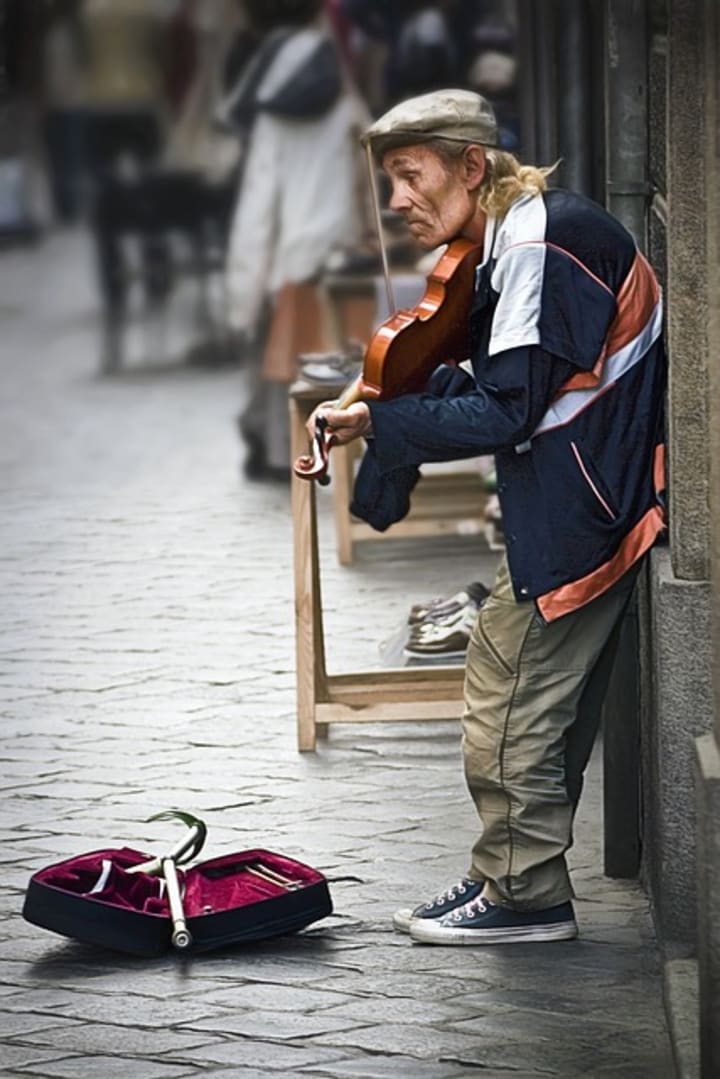
Each old beggar carries a story. Perhaps he once had a family who now no longer visits. Maybe she once worked as a midwife, helping deliver children in her village. Some may have traveled miles, displaced by war, communal strife, or natural disasters. Others might have been evicted from homes they could no longer afford to rent.
Their voices, however, are rarely heard. We rarely stop to ask, to listen, or to understand. We assume their past is irrelevant because their present appears so broken. Yet, recognizing the humanity in each old beggar is the first step to restoring their dignity.
Can We Change This?
The answer is yes—but it requires more than just temporary charity. It demands systemic change and a shift in societal attitude. Governments must invest in social protection programs that are inclusive, especially for the elderly poor. Affordable healthcare, old-age pensions, community shelters, and food programs can make a significant difference.
At the community level, initiatives to involve elderly beggars in simple, age-appropriate work can provide them not just income, but purpose. Volunteering groups and NGOs can offer companionship, health checks, and legal support to help them reclaim some sense of stability.
On a personal level, each of us can choose to see them—not as a nuisance, but as people worthy of empathy. A warm meal, a respectful conversation, or even just a smile can mean more than we realize.
Conclusion
The life of an old beggar in society is not just a story of individual suffering—it is a mirror held up to our collective conscience. It asks uncomfortable questions: How did we let someone live and die in such neglect? What values guide our progress if they do not include care for the elderly and the destitute?
These individuals are not just relics of the past. They are our responsibility today. They represent what can happen when society forgets its elders. And perhaps, in seeing them not as beggars but as human beings with stories, pain, and hope, we can begin to build a more compassionate world.
About the Creator
Keep reading
More stories from Md. Ashraful Azad and writers in Art and other communities.
How Two Fatal Shuttle Disasters Influenced NASA's Decision to Return Boeing Starliner Astronauts on SpaceX Dragon
NASA astronauts Suni Williams and Butch Wilmore, who embarked on a journey to the International Space Station (ISS) aboard Boeing's Starliner spacecraft on June 5, will now return to Earth, with the earliest expected return being February 2025, aboard a SpaceX Dragon capsule. This shift in plans marks a significant departure from their expected journey home on the Starliner spacecraft.
By Md. Ashraful Azad2 years ago in Art
'Till Death We Do Art
There would be nothing divine in this world without art. Nature may surpass the divine to all intents and purposes, but like everything it absorbs and is absorbed by, it remains here, stuck on the surface of this world, ever-present, physically bound to the universe.
By Avocado Nunzella BSc (Psych) -- M.A.P 27 days ago in Art
Keto and Kote
This story has been sitting in my drafts for a long time because I didn't have good pictures for it. Murphy's law: I went to the performance with my phone discharged. But then I found the entire performance on YouTube and am now delightfully happy to share it with you.
By Lana V Lynx7 days ago in Art
The First Rainbow Baby
Pitter-patter, pitter-patter. The rain fell in rhythmic splatters, slowly slowing, but still constant. Mira rolled onto her side pulling the blanket tight against her ears, but still she could hear chitter-chatter and scurrying feet of the creatures that refused to sleep in the lower decks.
By A. J. Schoenfeld3 days ago in Fiction




Comments (1)
While reading the article, I felt emotion and good written.