
How Two Fatal Shuttle Disasters Influenced NASA's Decision to Return Boeing Starliner Astronauts on SpaceX Dragon
The Lasting Impact of Tragedy: NASA's Safety-First Approach in Returning Starliner Astronauts on SpaceX Dragon
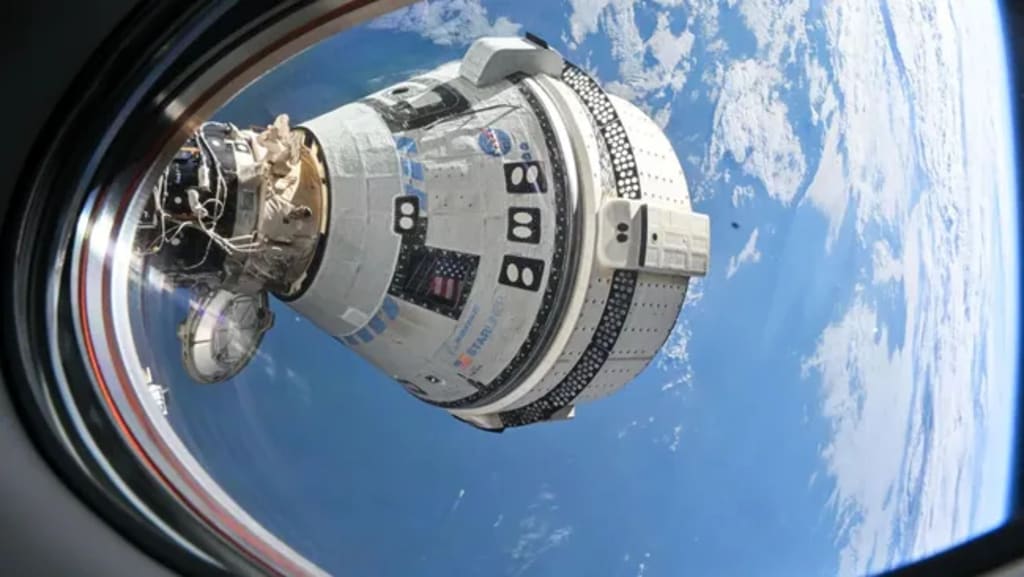
NASA astronauts Suni Williams and Butch Wilmore, who embarked on a journey to the International Space Station (ISS) aboard Boeing's Starliner spacecraft on June 5, will now return to Earth, with the earliest expected return being February 2025, aboard a SpaceX Dragon capsule. This shift in plans marks a significant departure from their expected journey home on the Starliner spacecraft.
The initial plan for the Starliner's first crewed mission was an eight-day trip to the ISS. However, the mission's duration has been extended multiple times due to ongoing concerns about the spacecraft's thrusters. These technical issues led to NASA’s decision, announced over the weekend, to bring Williams and Wilmore back on SpaceX's Crew-9 mission. This choice was heavily influenced by the hard lessons NASA learned from the Challenger and Columbia space shuttle disasters.
During a press conference on Saturday, August 24, NASA Administrator Bill Nelson was asked whether the tragedies of Challenger and Columbia influenced the decision. Nelson confirmed that they did.
"The collective decision made today, with input from everyone involved in the Flight Test Readiness Review this morning, was indeed shaped by the lessons learned from Challenger and Columbia," Nelson stated. We are committed to transforming the culture that allowed these tragic losses to occur, where critical warning signs were missed."
The Columbia disaster on February 1, 2003, resulted from a large piece of foam falling from the shuttle's external tank during launch, which damaged the orbiter's wing. This led to the shuttle breaking apart during reentry, killing all seven crew members. The Columbia tragedy followed the loss of the space shuttle Challenger in January 1986, when it exploded just 73 seconds after launch due to faulty O-ring seals in its solid rocket booster, killing all seven astronauts on board.
Nelson highlighted how, before the Challenger launch, engineers who raised concerns about launching in cold weather were ignored. Similarly, in the case of Columbia, efforts by some within NASA to obtain images of the damaged wing were disregarded, and the shuttle reentered Earth's atmosphere without further inspection.
"Since then, NASA has worked hard to foster an environment where individuals are encouraged to voice their concerns," Nelson said. "Today’s decision reflects that commitment."
Jim Free, NASA's Associate Administrator and another key figure at the press conference, emphasized that the issues with Starliner's thrusters still need more investigation. "We still don't fully understand the physics at play with the thrusters," Free said. "There are so more work to be done."
When asked if political considerations played a role in NASA's decision, Nelson was firm in his response, once again referring to the lessons of Challenger and Columbia.
"I can say without a doubt, from my perspective, that politics did not influence this decision," Nelson said. "What we've been striving for is a cultural shift, ensuring that safety remains our highest priority. In the unforgiving environment of space, a single mistake can have devastating consequences."
As a result of this decision, the upcoming Crew-9 launch will be adjusted to accommodate the return of the Starliner astronauts. The Dragon capsule will carry only two astronauts instead of the usual four, allowing space for Williams and Wilmore on their journey back to Earth early next year. Meanwhile, NASA and Boeing are working to bring the uncrewed Starliner back to Earth, aiming for a landing at White Sands Space Harbor in New Mexico sometime in September.
This change in return plans underscores NASA's commitment to safety and the ongoing challenges of human spaceflight. The experiences of Challenger and Columbia continue to resonate within the agency, guiding decisions that prioritize the well-being of astronauts and the success of missions in space.
About the Creator
Keep reading
More stories from Md. Ashraful Azad and writers in Art and other communities.
Thriving in High-Stress Environments: Mastering the Art of Working Under Pressure
Thriving in High- Stress surroundings learning the Art of Working under Pressure In moment’s presto- paced world, the capability to work effectively under pressure is n't just a precious skill it’s a necessity. Whether you’re facing tight deadlines, handling complex systems, or managing unanticipated challenges, the capability to stay calm, focused, and productive under stress can set you piecemeal in your particular and professional life. But how can you master this art? Then’s a companion to help you thrive in high- stress surroundings.
By Md. Ashraful Azadabout a year ago in Art
2026 Commercial Space Design:How Fbierglass Sculpture Drives Traffic
Today, offline commercial spaces are facing continuous pressure. With e-commerce offering convenient and fast services, physical stores must showcase unique features to attract customers. In this context, fiberglass sculptures are no longer merely decorative items; they have become visual focal points in shopping malls, brand stores, pop-up shops, and mixed-use commercial projects, playing a crucial role in increasing foot traffic.
By Shenzhen Ruiheng Crafts3 days ago in Art
Why Strategic Branding Is Essential for Long-Term Business Growth
In today’s fast-paced digital environment, businesses face constant pressure to stand out. Consumers are exposed to endless choices every day, making attention harder to earn and trust harder to keep. While quality products and services are important, they are no longer the only factors that determine success. Strategic branding plays a key role in helping businesses grow steadily and remain relevant over time.
By Ayush Bagwari3 days ago in Art
Ludacris and Nelly draw backlash over bookings at MAGA-coded music festival
Ludacris and Nelly headlining a mostly right-wing event is good for them. It’s also great for the genre of hip hop. The two rap veterans have showcased their talents on other stages. Why can’t they perform for mostly MAGA folks and grab that bag?
By Skyler Saunders3 days ago in Beat




Comments (1)
Very interesting account of the safety record of NASA and how their approach improved in the aftermath of the two shuttle disasters. Well done