
The Last Letter: A Final Farewell in Writing
Human existence is woven with moments that transcend time and space, leaving an indelible mark on our hearts and minds. Writing a last letter is one such experience. It's a final, heartfelt message that allows us to share our deepest emotions, thoughts, and farewells with those we love. This act of writing stands as a testament to the lasting impact of words.

Writing a last letter to a family member, friend, or partner can be deeply cathartic. It offers a rare moment of stillness in our fast-paced world. It's a chance to reflect on the memories, lessons, and lasting impact a person has had on our lives.
Key Takeaways
1.The last letter is a powerful tool for emotional closure and expression.
2.Handwritten letters convey a sense of intimacy and personal legacy.
3.Crafting a last letter can be a deeply meaningful and cathartic experience.
4.The last letter allows you to leave a lasting impression and share your final thoughts.
5.The act of writing a last letter can provide a sense of closure and peace for both the writer and the recipient.
Embracing the Power of Last Letters
The tradition of writing last letters has been a cornerstone of human expression, offering a deep and meaningful way to find closure and leave a legacy. This practice, rooted in our collective experience, acts as a powerful medium for reflection and the sharing of final thoughts and feelings.
A Timeless Tradition of Emotional Closure
Creating a last letter holds a unique significance, crossing cultural and temporal boundaries. It enables individuals to share their most intimate thoughts, emotions, and dreams, leaving behind a tangible piece of their life's story. This act of handwritten communication serves as a poignant testament, offering both the writer and the reader a sense of closure and comfort.
Through a last letter, individuals can impart their wisdom, values, and cherished memories to those they care about. This deeply personal form of expression becomes a tool for self-reflection, helping people reconcile with their past, find closure, and make a lasting impact on their loved ones.
Why People Write Last Letters
1.Provides emotional closure
2.Allows for personal reflection
3.Leaves a lasting legacy
4.Strengthens emotional connections
5.Facing terminal illness or end of life
6.Expressing unspoken sentiments
7.Passing on wisdom and values
8.Facilitating forgiveness and reconciliation
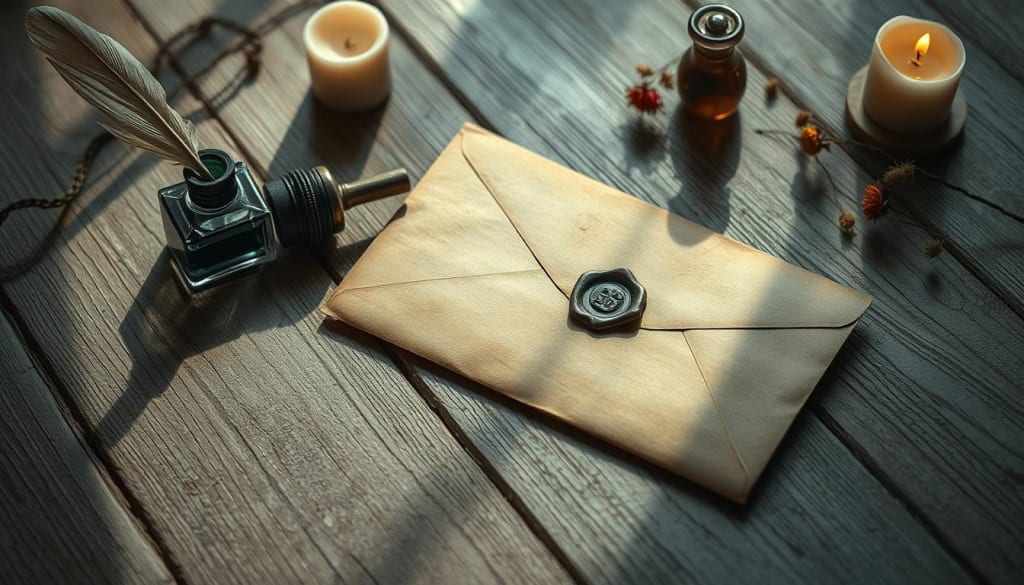
A beautifully aged envelope resting on a weathered wooden table, with a faint shadow of a quill and ink bottle beside it, elegantly sealed with a wax stamp, surrounded by dried flowers and soft candlelight casting gentle shadows, evoking a sense of nostalgia and farewell.
The tradition of writing last letters, a profound and meaningful act, continues to resonate with those seeking closure and connection. By embracing this tradition, individuals can find solace, share their legacy, and create lasting bonds that transcend time.
"The last letter is a final gesture, a tangible record of a life's journey, and a powerful means of finding emotional closure and leaving a lasting legacy."
Crafting a Heartfelt Last Letter
Creating a last letter that embodies your deepest emotions and the lasting legacy you desire is a deeply meaningful endeavor. Start by reflecting on your relationship and the cherished memories you've shared. Choose words that express your gratitude, love, and the legacy you hope to leave behind thoughtfully.
Make your letter personal by incorporating unique touches that reflect your bond. Share anecdotes, inside jokes, or meaningful moments that will resonate with the recipient. These personal touches will make your farewell special and memorable. Express how they've impacted your life, the lessons they've taught you, and how they've shaped you.
A heartfelt last letter is more than just a goodbye; it's about leaving a lasting impression. Use your words to offer solace, inspiration, and a sense of closure. Encourage the recipient to carry on your shared values and find strength in the love you've shared. By crafting a letter that speaks from the heart, you create a treasured keepsake that will be cherished for years.
FAQ
What is the significance of a last letter?
A last letter serves as a powerful tool for emotional closure and leaving a lasting legacy. It's a way to share your deepest thoughts and feelings, ensuring your loved ones feel connected to you even after you're gone. This tangible connection to your heart and soul is invaluable.
How can a last letter help with grief and healing?
Writing a last letter is a deeply personal act of reflection and emotional release. It helps you find closure and come to terms with your mortality. By leaving behind a piece of yourself, your loved ones can cherish your legacy forever.
What should I include in a heartfelt last letter?
In a last letter, focus on expressing your true emotions and sharing cherished memories. Convey the impact your loved one has had on your life. Make sure to add your unique personal touches, ensuring the letter captures your essence and the essence of your relationship.
How can I ensure my last letter is a meaningful legacy?
To create a lasting legacy, pour your heart and soul into every word. Reflect on the lessons you've learned, the values you hold dear, and the mark you hope to leave on the world. This way, you can transcend the physical realm and continue to inspire and guide your loved ones.
What if I'm struggling to find the right words for my last letter?
If finding the right words is challenging, don't worry. Seek guidance or inspiration. Reflect on cherished memories and draw from personal experiences. Let your heart guide you. The most meaningful last letters are those that come from the soul.
About the Creator
Keep reading
More stories from Iram zahid and writers in Art and other communities.
Exploring the World of Literature: A Reader's Guide
Literature has the incredible ability to transport us, challenge our views, and spark our creativity. It spans from classic novels' timeless beauty to the fresh insights of modern fiction and non-fiction. This rich landscape offers endless chances for growth, learning, and emotional connection.
By Iram zahid about a year ago in Writers
'Till Death We Do Art
There would be nothing divine in this world without art. Nature may surpass the divine to all intents and purposes, but like everything it absorbs and is absorbed by, it remains here, stuck on the surface of this world, ever-present, physically bound to the universe.
By Avocado Nunzella BSc (Psych) -- M.A.P 24 days ago in Art
The Great Museum Scandal: Half of the Artworks in French Museums Found to Be Fake
France is home to some of the most famous museums in the world, attracting millions of visitors each year who come to admire priceless works of art and historical artifacts. However, a recent investigation has sent shockwaves through the art world after suggesting that a significant number of artworks displayed in certain French museums may actually be fake.
By Irshad Abbasi 2 days ago in Art



Comments (1)
An excellent and thought-provoking words. I appreciate the depth and clarity of these words. Well written!