
The Great Gatsby: by F. Scott Fitzgerald
The Great Gatsby: An Enigmatic Era Unveiled, Love and Illusion in the Roaring Twenties
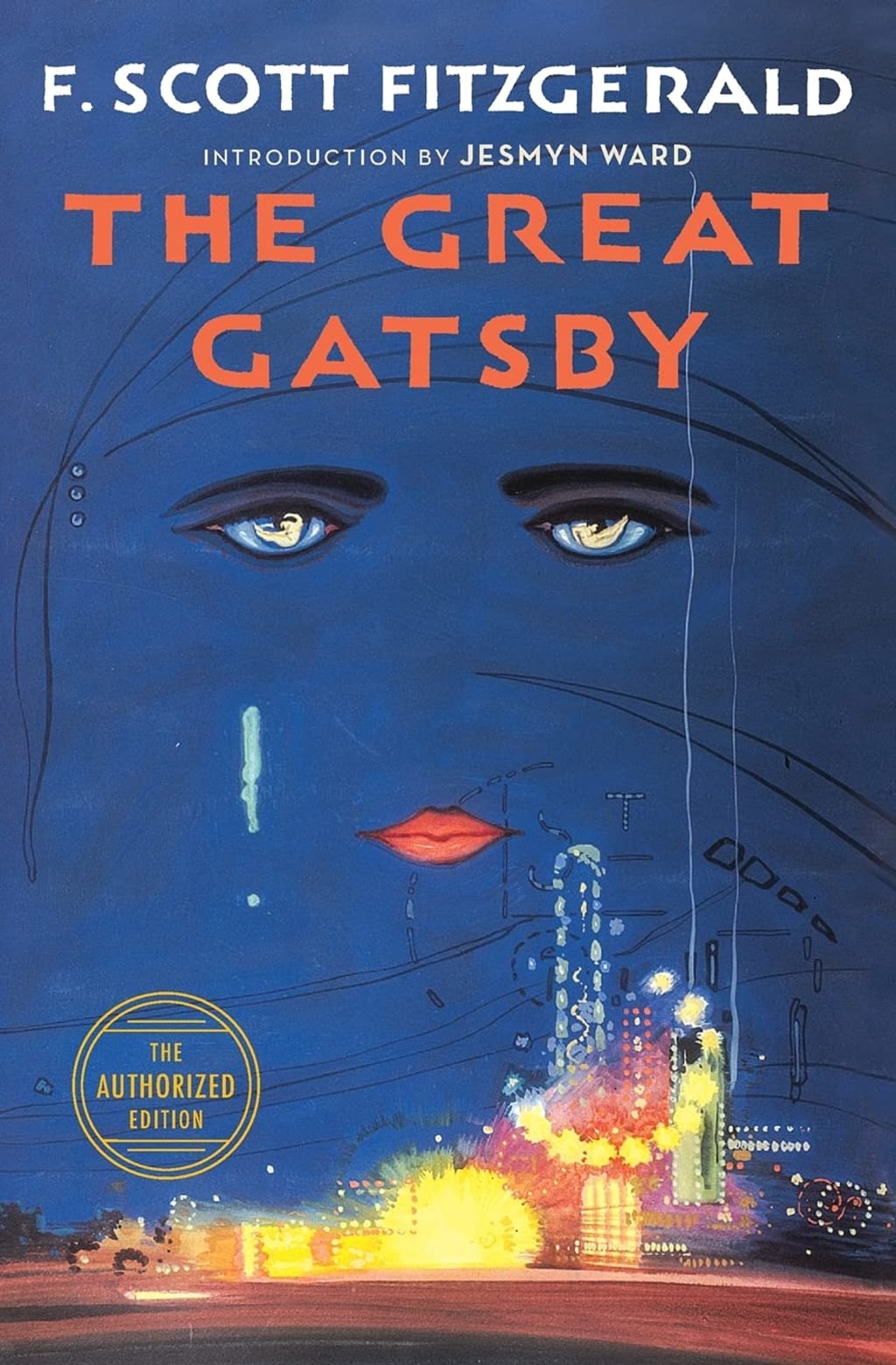
Introduction:
"The Great Gatsby," written by F. Scott Fitzgerald and published in 1925, is considered a classic American novel that delves into themes of wealth, ambition, love, and the ultimate disillusionment that comes with the pursuit of the American Dream. Set in the Roaring Twenties, Fitzgerald crafts a mesmerizing story centered around Jay Gatsby, a mysterious millionaire, and his obsession with the beautiful and unattainable Daisy Buchanan. This 2000-word summary aims to capture the essence of the plot's key events and explore the novel's prominent themes.
GET YOUR "The Great Gatsby" by F. Scott Fitzgerald HERE!!!
Summary:
"The Great Gatsby" is narrated by Nick Carraway, a young man from the Midwest who moves to the fictional Long Island town of West Egg, adjacent to the prosperous area of East Egg. Nick becomes a neighbor to the enigmatic Jay Gatsby, a man known for his extravagant parties and lavish lifestyle. Through Nick's eyes, readers become immersed in the world of the affluent and restless upper class of 1920s America.

Nick soon learns that Gatsby's immense wealth was acquired through shady business dealings and that his motivations are drivenby his love for Daisy Buchanan, a woman he met years earlier and who is now married to the wealthy, yet unfaithful, Tom Buchanan. Gatsby believes that by amassing wealth and throwing extravagant parties, he can recapture Daisy's love and turn back time to the blissful days of their youth.
As the story unfolds, Gatsby's obsession with Daisy becomes increasingly evident. He goes to great lengths to impress her, including buying a luxurious mansion across the bay from her home, with the hope that she will notice him. Gatsby organizes elaborate parties, hoping Daisy will attend one of them and their love will be rekindled.
Nick eventually arranges a meeting between Gatsby and Daisy, which sparks a passionate affair. However, their love affair is short-lived as Daisy is torn between the two men in her life. Gatsby's idealized image of Daisy clashes with the reality of their relationship, which is tainted by societal expectations, infidelity, and the inherent corruption of the wealthy elite.
The tension reaches its peak during a confrontation between Tom and Gatsby at the Plaza Hotel. Gatsby, fueled by his desperate love for Daisy, reveals his affair and his desire for her to leave Tom and marry him. Daisy remains torn, but ultimately chooses tostay with Tom, leaving Gatsby heartbroken and disillusioned.
Tragedy strikes when Tom reveals Gatsby's involvement in illegal activities during a subsequent confrontation. In an act of vengeance, Tom tells Daisy that Gatsby is responsible for the death of a woman named Myrtle Wilson, who was killed in a hit-and-run accident. The revelation proves to be fatal for both Gatsby and Daisy, as Myrtle's husband, fueled by grief and rage, seeks revenge.
In the novel's climactic ending, Myrtle's husband, George Wilson, mistakenly believes that Gatsby is responsible for her death and seeks him out at his mansion. In a tragic turn of events, Wilson shoots and kills Gatsby before turning the gun on himself. Gatsby dies alone and abandoned, with only Nick and his father attending his funeral.
The novel concludes with Nick reflecting on the moral decay and emptiness of the wealthy socialites he encountered during his time in West Egg. He recognizes that their pursuit of material wealth and superficial pleasures ultimately lead to their spiritual bankruptcy. In the end, Nick decides to leave the superficiality of the East Coast and return to his Midwestern roots, disillusioned by the emptiness and corruption of the Jazz Age.
GET YOUR "The Great Gatsby" by F. Scott Fitzgerald HERE!!!
Themes:
"The Great Gatsby" explores severalcentral themes that reflect the turbulent Jazz Age and provide a critique of the American Dream, disillusionment, and the emptiness of wealth and social status.
1. The American Dream and Illusion: Fitzgerald examines the concept of the American Dream as the pursuit of wealth and success. Gatsby's relentless pursuit of wealth and his idealized love for Daisy represent the illusory nature of this dream, highlighting how material gain alone cannot provide true happiness or fulfillment.
2. Corruption of the American Dream: Fitzgerald exposes the moral decay and corruption that lurks beneath the facade of wealth and prosperity. The characters in the novel, particularly the wealthy elite, are consumed by their own desires and pursue their ambitions heedless of the consequences, ultimately leading to their downfall.
3. Love and Obsession: The theme of love and obsession permeates the novel, as seen in Gatsby's unwavering love for Daisy. Fitzgerald portrays love as a force that can both inspire and destroy, highlighting the destructive power of unfulfilled desires and the consequences of obsessing over what cannot be attained.
4. Social Class and Inequality: The novel explores the stark divisions between the old-money aristocracy of East Egg and the newly wealthy, like Gatsby, residing in West Egg. Fitzgerald critiques the socialhierarchy and demonstrates how these divisions create tensions, false identities, and a longing to belong to a higher class.
5. Disillusionment and the Loss of Innocence: Through Nick's perspective, the novel delves into the theme of disillusionment and the loss of innocence. As he becomes entangled in the lives of the wealthy class, Nick witnesses the emptiness and moral bankruptcy that accompany the pursuit of wealth and status, leading him to question the values and ideals of the society he once admired.
Conclusion:
"The Great Gatsby" remains a timeless and evocative portrayal of the 1920s, capturing the essence of an era marked by excess, ambition, and the ultimate fragility of the American Dream. Through the tragic tale of Jay Gatsby, F. Scott Fitzgerald offers a scathing critique of the illusions perpetuated by wealth, the corrupting influence of materialism, and the emptiness that can lie at the heart of society's highest pursuits. The novel serves as a poignant reminder that the pursuit of true happiness and fulfillment cannot be found solely in the accumulation of wealth and social status.
About the Creator
Keep reading
More stories from Dejan Stevic and writers in Art and other communities.
"1984" by George Orwell
Introduction: George Orwell's "1984" is a dystopian novel set in a totalitarian society ruled by the Party, personified by Big Brother. Published in 1949, the novel takes place in the fictional nation of Oceania and serves as a chilling warning of the dangers of totalitarianism. "1984" explores themes of government surveillance, psychological manipulation, and the suppression of individuality. This 2000-word summary aims to encapsulate the plot's major events and explore the novel's most significant themes.
By Dejan Stevic3 years ago in Art
'Till Death We Do Art
There would be nothing divine in this world without art. Nature may surpass the divine to all intents and purposes, but like everything it absorbs and is absorbed by, it remains here, stuck on the surface of this world, ever-present, physically bound to the universe.
By Avocado Nunzella BSc (Psych) -- M.A.P 27 days ago in Art
The Rising Demand for Custom Physical Therapy Apps
Healthcare delivery is evolving faster than ever, and rehabilitation is no exception. Physical therapy — once limited to in-clinic sessions and paper-based exercise plans — is now being transformed by mobile technology. With increasing smartphone adoption and a growing demand for remote care, healthcare providers are exploring digital solutions to improve patient engagement and treatment outcomes.
By Steve Waugh4 days ago in Art
The Forsyth House Fire
Since 1851, Forsyth House has stood on the corner of Union Street and Gordon Street in the heart of Glasgow. Its iconic, or was... because on Sunday 8th of March, 2026, a fire broke out in a small, seemingly un-named shop in the building and tore all that history down. As I write, the rubble is still unsettled and the street is still blocked off. Central Station is quiet on the upper level, and around 30 small businesses have quite literally gone up in smoke.
By S. A. Crawford3 days ago in The Swamp




Comments
There are no comments for this story
Be the first to respond and start the conversation.