
"1984" by George Orwell
1984: A Warning from the Past, Illuminating the Dangers of Power and Control
Introduction:
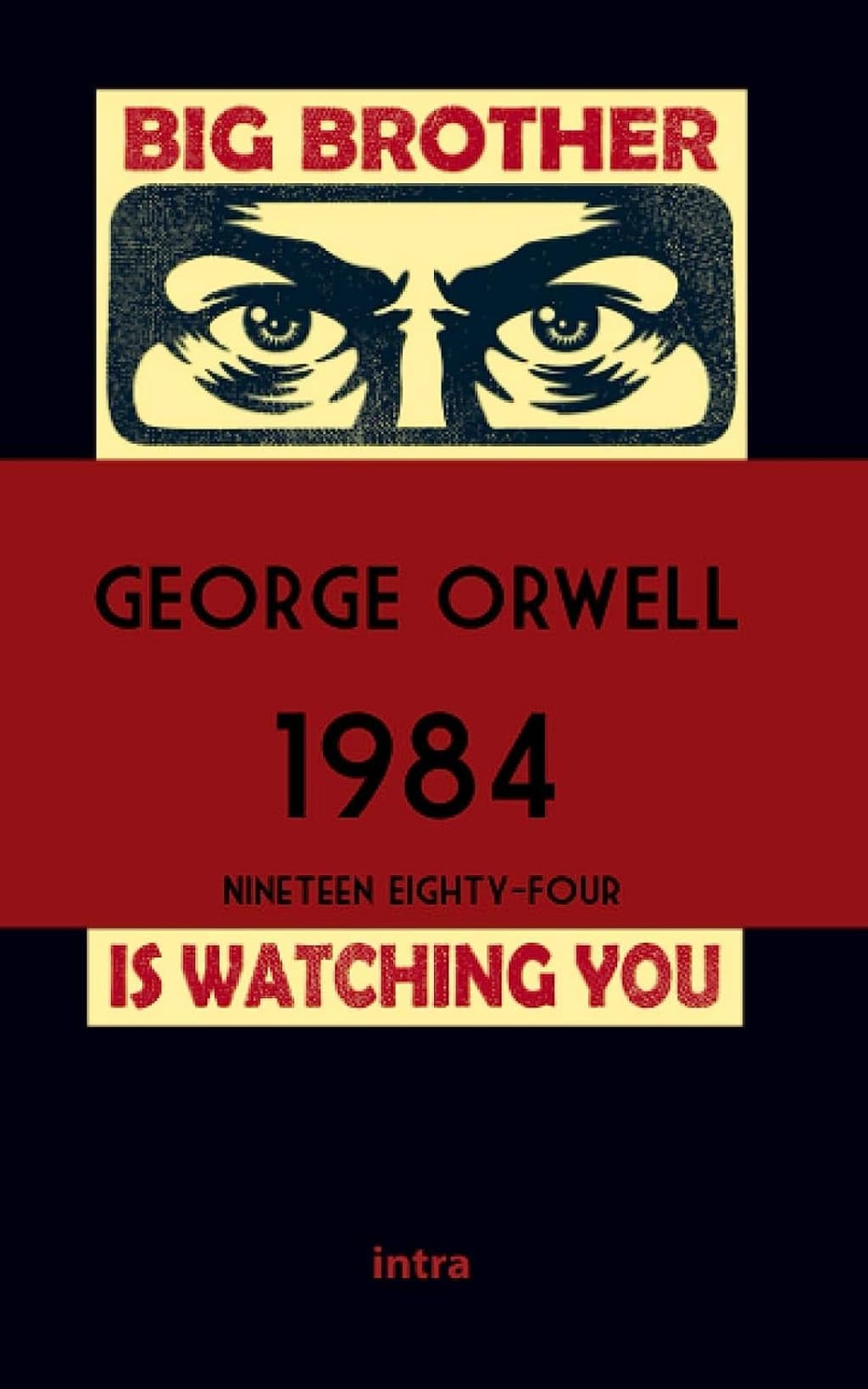
George Orwell's "1984" is a dystopian novel set in a totalitarian society ruled by the Party, personified by Big Brother. Published in 1949, the novel takes place in the fictional nation of Oceania and serves as a chilling warning of the dangers of totalitarianism. "1984" explores themes of government surveillance, psychological manipulation, and the suppression of individuality. This 2000-word summary aims to encapsulate the plot's major events and explore the novel's most significant themes.
Summary:
In the dystopian society of Oceania, the protagonist Winston Smith lives a monotonous life under the watchful gaze of the Party. The Party controls every aspect of its citizens' lives, implementing the concept of doublethink to ensure absolute loyalty. Winston works at the Ministry of Truth, where he alters historical records to match the Party's propaganda.
Winston begins to question the Party's authority and develops a rebellious spirit. He secretly purchases an illegal diary and writes in it, expressing his doubts and longing for freedom. Winston also becomes intrigued by a co-worker named Julia, and they start a forbidden love affair.
As theirrelationship deepens, Winston and Julia discover a hidden room above an antique shop, where they believe they can escape the constant surveillance of the Party. Inspired by their love and desire for freedom, they join the Brotherhood, an underground resistance movement against the Party.
Winston's rebellious activities catch the attention of the Thought Police, the Party's secret police force. O'Brien, a member of the Inner Party, tricks Winston and Julia into believing that he is a part of the Brotherhood, leading them to trust him. However, O'Brien reveals himself as an agent of the Party, torturing Winston to break his spirit and force him into complete submission.
During the physical and psychological torture sessions, O'Brien explains the Party's ideology and their ultimate goal of power and control. He forces Winston to confront his deepest fears and insecurities, attempting to erase his humanity and reshape him into a loyal Party member.
Betrayed and broken, Winston undergoes a gradual process of brainwashing known as "reeducation." He is made to believe that two plus two equals five, and that his love for Julia was an illusion. Eventually, Winston betrays Julia by wishing the same fate upon her, proving his complete submission to the Party. He no longer harbors any rebellious thoughts or desiresand fully accepts the Party's version of reality.
In the final chapters, Winston is released back into society, having been "cured" of his dissent. He encounters Julia but feels no connection to her, as if their relationship never existed. Winston's individuality and sense of self have been extinguished, replaced by blind obedience to the Party and its principles. The novel concludes with Winston's realization that he loves Big Brother, solidifying his transformation into a loyal Party follower.
Themes:
"1984" explores several central themes that provide a profound critique of totalitarianism and a warning against the erosion of personal freedom and the manipulation of truth.
1. Totalitarianism and Surveillance: Orwell portrays an extreme form of totalitarianism, where the Party exercises complete control over its citizens' lives. Surveillance and constant monitoring are prevalent, manifesting in telescreens that broadcast Party propaganda and monitor citizens' actions, ensuring conformity and preventing dissent.
2. Psychological Manipulation: The Party's ability to manipulate the minds of its citizens through techniques such as doublethink and Newspeak highlights the power of psychological control. By distorting language and manipulating history, the Party molds the minds of its citizens, making independent thought and rebellion nearly impossible.
3. Suppression of Individuality: Winston Smith representsthe struggle of maintaining individuality in a society that demands absolute conformity. The Party aims to destroy any sense of individual identity and replace it with loyalty to Big Brother. Winston's journey from rebellion to complete submission depicts the devastating effects of such suppression.
4. The Power of Language and Truth: Orwell emphasizes the importance of language as a tool of control. The Party utilizes Newspeak, a simplified language designed to limit thought and prevent rebellion. By controlling language and manipulating truth, the Party controls reality and eradicates the possibility of dissent.
5. Love and Rebellion: Winston and Julia's forbidden love serves as a source of hope and resistance against the Party's tyranny. Their relationship represents the human capacity for love and connection, standing firm against the Party's attempts to strip individuals of their emotions and autonomy.
Conclusion:
"1984" remains a powerful and influential novel that continues to resonate with readers today. Orwell's portrayal of a dystopian society ruled by a totalitarian regime provides a cautionary tale, warning against the erosion of personal freedoms, the dangers of surveillance, and the manipulation of truth. Through Winston Smith's journey, readers are confronted with the devastating consequences of surrendering individuality to oppressive rule. "1984" serves as a timeless reminder of the importance of maintaining critical thinking and resisting the encroachment of authoritarianism in order to safeguard personal freedom and the pursuit of truth.
About the Creator
Keep reading
More stories from Dejan Stevic and writers in Art and other communities.
Unveiling the Depths of Humanity: Summary of "To Kill a Mockingbird" by Harper Lee
Introduction: "To Kill a Mockingbird" by Harper Lee is a timeless classic that explores themes of racism, injustice, and the loss of innocence in the backdrop of the racially divided American South. Through the eyes of Scout Finch, a young girl growing up in the 1930s, Lee paints a vivid picture of a society grappling with its moral compass. This 2000-word summary delves into the key elements of the novel, offering readers a glimpse into the profound lessons and poignant narratives that have made "To Kill a Mockingbird" a literary masterpiece.
By Dejan Stevic3 years ago in Art
'Till Death We Do Art
There would be nothing divine in this world without art. Nature may surpass the divine to all intents and purposes, but like everything it absorbs and is absorbed by, it remains here, stuck on the surface of this world, ever-present, physically bound to the universe.
By Avocado Nunzella BSc (Psych) -- M.A.P 18 days ago in Art
Five world-renowned classic landmark sculptures
In many cities around the world, there is an iconic landmark sculpture. It may stand in a square, by the water, or at the entrance to a park, quietly becoming a symbol of the city. Over time, these pieces came to mean much more than just decoration. They become symbols, gathering places, and even cultural landmarks that represent the spirit of the city.
By Shenzhen Ruiheng Crafts6 days ago in Art
Becca
"Everything is so... flat." Denille said stupidly as she looked around her new neighborhood. She looked around at the muted desert where even the smallest sign of life seemed to have given up. The plant life was shrubs that were half cooked by the heat and where there should have been a lawn, a mess of white rocks laid glistening in the sun. Even the sky looked stretched thin, like the sun had ironed it smooth. She’d moved from Riverside, where at least there were hills, but here in Barstow, everything felt baked and brittle.
By Sara Wilsonabout 14 hours ago in Fiction




Comments
There are no comments for this story
Be the first to respond and start the conversation.