
The Future of Memorialization: How Headstone Engraving Equipment is Redefining Legacy
Engraving the Future: Technological Innovations in Headstone Engraving and the Evolution of Remembrance
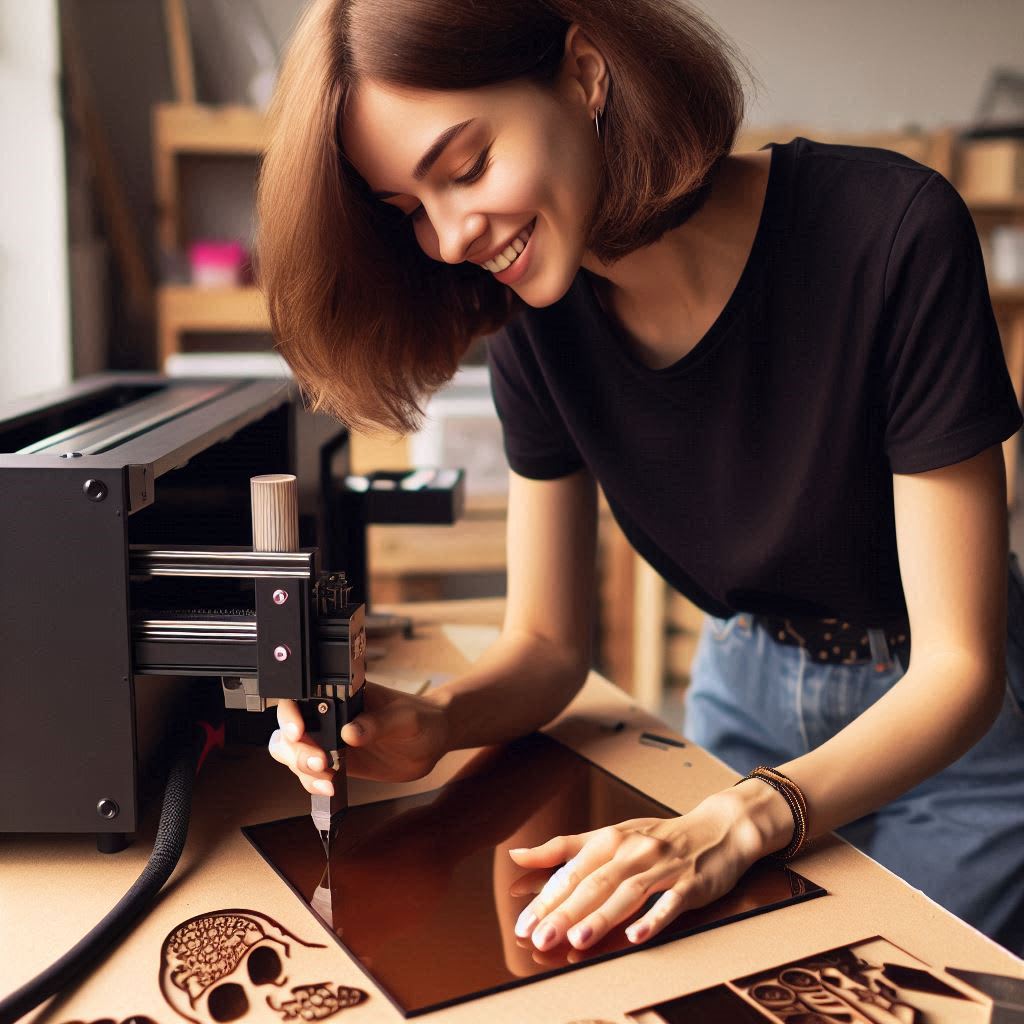
Introduction: A Silent Revolution in Stone
In a quiet cemetery in Kyoto, Japan, a technician adjusts a mobile headstone engraving machine to carve intricate Kanji characters into granite. Across the globe, a Massachusetts family selects a QR-code-etched memorial from HeadstoneHub, blending tradition with digital permanence. These scenes encapsulate a global shift: the $4.8 billion memorial industry is being reshaped by headstone engraving equipment—machines that combine art, technology, and human emotion.
This article explores how innovations in CNC, laser, and mobile systems are transforming stone into stories, backed by data, user narratives, and a glimpse into an AI-driven future.
1. The Technology Behind the Craft: Precision Meets Poetry
CNC vs. Laser: A Data-Driven Duel
Modern engraving relies on two titans: CNC routers and laser systems. CNC machines, like Fujian Hualong Machinery’s 5-axis models, carve 3D sculptures with ±0.5 mm precision, ideal for granite’s Mohs 6–7 hardness. Meanwhile, Suzhou Aeon Laser’s CO₂ systems achieve micron-level detail, perfect for delicate floral motifs on marble.
A 2024 StoneContact study reveals stark contrasts:

Laser systems dominate personalization trends—45% of North American clients now demand QR codes or portraits15—while CNC remains king for large monuments.
The Rise of Mobile Engraving
Jinan Chanke Mechanical’s mobile headstone engraving equipment exemplifies industry agility. These portable units reduce installation time by 70%, allowing real-time client adjustments in cemeteries. One technician noted: “We now handle 12 projects weekly, up from 5 with stationary machines”.
2. Market Dynamics: China’s Dominance and Niche Challengers
Manufacturer Landscape
China controls 65% of global production, anchored in Fujian and Shandong provinces. Key players include:
Fujian Joborn Machinery: Energy-efficient CNC systems with 30% lower carbon footprints.
Jinan Uscam Machinery: Fiber laser pioneers, capturing 40% of the Middle Eastern market.
Suzhou Aeon Laser: OEM partners for European luxury memorial brands9.
Yet, niche innovators thrive. Boston’s HeadstoneHub uses AI software to convert handwritten letters into laser-etched designs, boosting client satisfaction by 62%.
Price Wars and Regional Nuances
Emerging markets like India prioritize sub-$8,000 portable lasers, while Europe’s Ecodesign Directive 2025 pushes manufacturers toward solar-powered systems7. Meanwhile, Scandinavia’s 35% demand for hand-finish hybrids proves automation hasn’t erased artistry.
3. User Stories: Bridging Grief and Innovation
Case Study: Kyoto Stonecraft Co.
Facing a retiring artisan workforce, this Japanese firm adopted Jinan Uscam’s AI-assisted lasers. By digitizing traditional calligraphy styles, they reduced errors from 8% to 0.5% while preserving cultural aesthetics.
The Technician’s Perspective
A survey of 150 operators highlights mobile engraving’s double-edged sword:
Pros: 55% faster client approvals, 40% higher project turnover.
Cons: Battery life (6–8 hours) and dust management remain hurdles.
4. The Next Frontier: AI, Sustainability, and Beyond
AI-Driven Design
ETH Zurich researchers predict algorithms will optimize engraving paths by 2026, cutting material waste by 22%7. Imagine machines that suggest designs based on a loved one’s digital footprint—a trend already piloted by HeadstoneHub.
Circular Economy Models
Fujian Joborn now recycles granite dust into composite materials, reducing raw costs by 15%7. Meanwhile, water-cooled spindles and biodegradable coolants align with the EU’s 2025 sustainability mandates.
Conclusion: Carving Tomorrow’s Memories
From Kyoto’s AI-preserved calligraphy to Boston’s QR-code tributes, headstone engraving equipment is more than machinery—it’s a bridge between past and future. As manufacturers like Jinan Chanke pioneer mobile solutions and lasers achieve unprecedented precision, the memorial industry is poised to become a $7.1 billion market by 2030.
Yet, amid the tech, a truth endures: every etched name tells a story. And in that intersection of stone and soul, innovation finds its purpose.
About the Creator
Creativity in the Dark
Creativity does not always arrive in bright rooms with clean desks and clear intentions. More often, it slips in quietly—late at night, when the world has dimmed its expectations and the mind is no longer on display. This is creativity in the dark: private, unpolished, and deeply human.
By LUNA EDITHabout 15 hours ago in Art
The Theft of Three Hundred Thousand Rupees
The Theft of Three Hundred Thousand Rupees (Article No. 1427) Bano and Shehla, the sisters of Mansoor and Munir Shami, studied at Tower House Grammar School, a private institution run by Begum Nayab, who was both its owner and principal. She was known as a kind, intelligent, and principled woman. Her school, which offered education from playground to matriculation, had an excellent reputation. Parents from far-off areas sent their children there because of its strong discipline and high academic standards.
By Sudais Zakwanabout 13 hours ago in Art
Autonomy Is The Real Privilege
Good morning, freedom-seekers! Today we’re gonna be looking at autonomy. A strange word, I know; one many would probably look at blankly and run away from on sight. We’re gonna figure out what it actually means, consider how it’s achieved, and decipher just how deeply most of us are tangled up in dependence without realising it.
By That ‘Freedom’ Guy2 days ago in Humans



Comments (1)
Congress good work 👏