
The Fruit That Tastes Like Your Childhood Memories
flavor of childhood

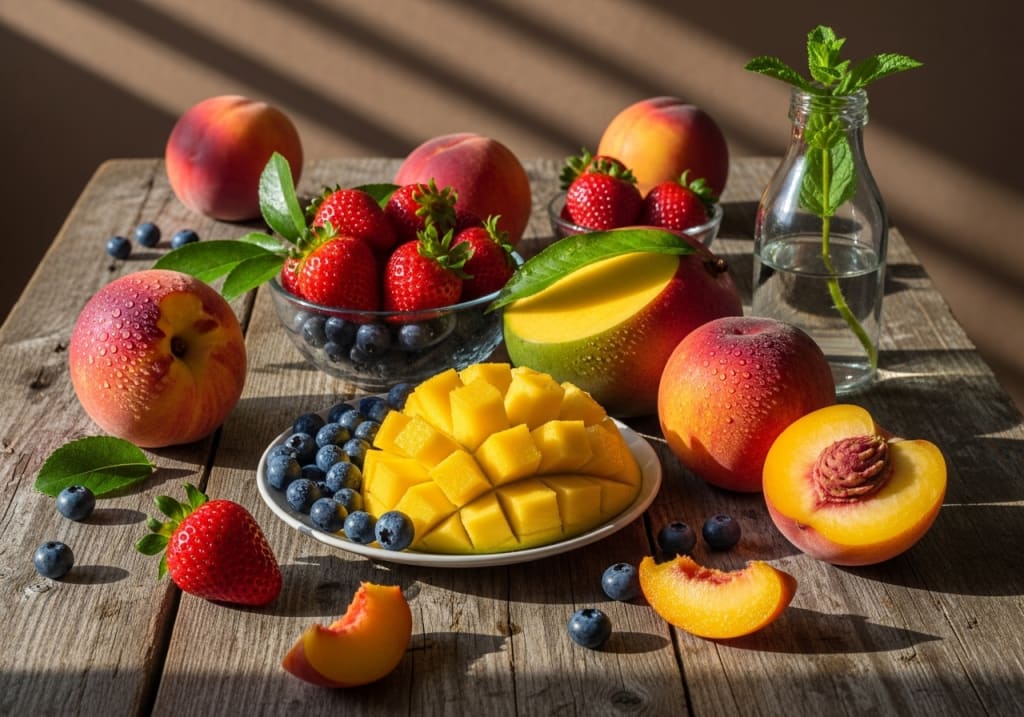
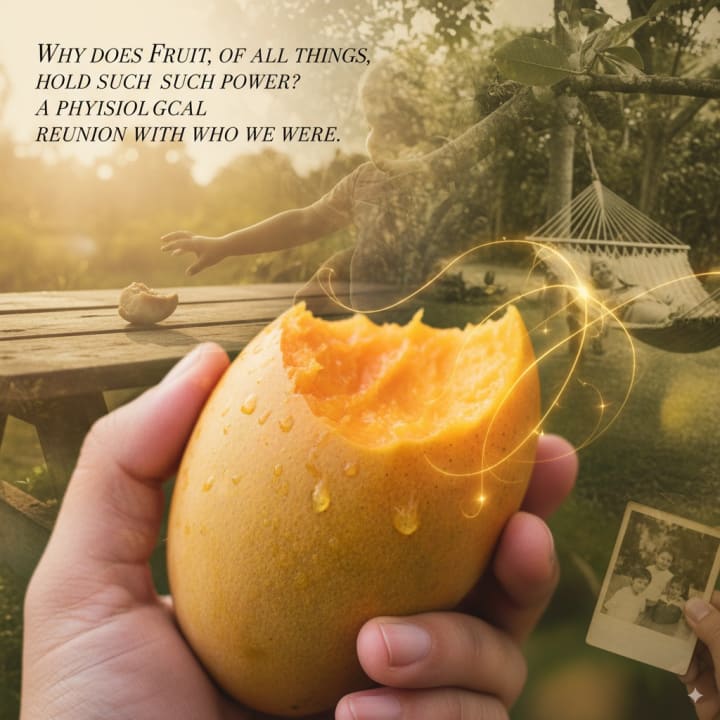
What is the flavor of childhood? For some, it’s the tart burst of a freshly picked berry, for others, the sticky sweetness of a mango devoured under a summer sun. The fruit that tastes like your childhood memories isn’t just about taste—it’s a time machine, a sensory bridge to moments of unfiltered joy, innocence, and discovery. This essay explores how a single fruit can encapsulate the essence of youth, evoking memories that linger like the scent of ripe peaches on a warm afternoon.
For me, that fruit is the mulberry. Growing up in a small town, our backyard was home to a sprawling mulberry tree, its branches heavy with dark, juicy berries. Every summer, my siblings and I would climb its gnarled limbs, staining our hands and clothes with purple juice. The taste—sweet with a hint of tartness—was less about the fruit itself and more about the freedom it represented. Those moments under the tree were unbound by schedules or worries, just the simple act of eating straight from nature’s pantry. The mulberry’s flavor, even now, pulls me back to those endless days, where time was measured by how many berries we could gather before dinner.
Fruit, as a symbol of childhood, is universal yet deeply personal. A friend once described how biting into a crisp apple transported her to her grandmother’s orchard, where she’d sit cross-legged, listening to stories of the old country. For another, it’s the watermelon, shared at family picnics, its juice dripping down chins as laughter echoed across the grass. These fruits aren’t just food; they’re vessels for memory, carrying the weight of specific moments—perhaps a parent’s smile, a sibling’s tease, or the quiet pride of picking something yourself. The taste is a key, unlocking sensory details we thought were lost to time.
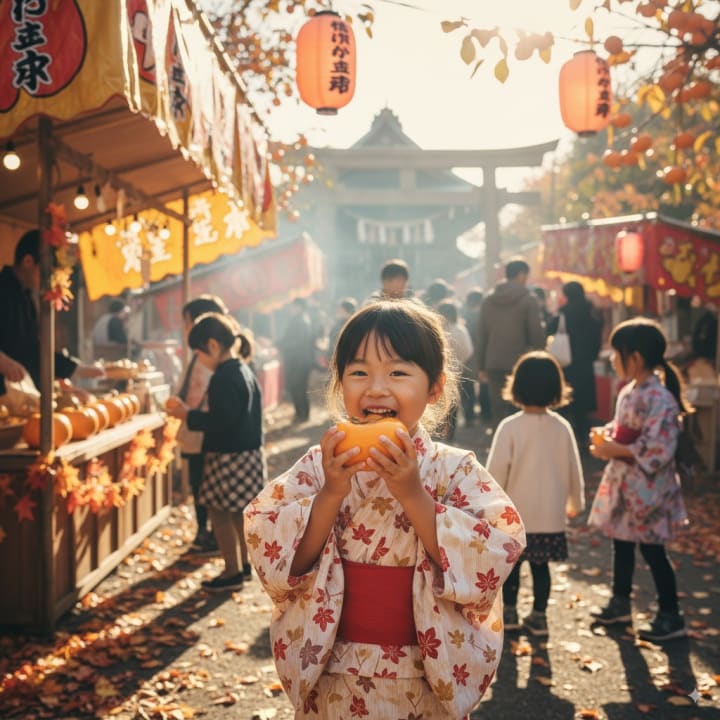
Culturally, fruit is woven into childhood across the globe. In Japan, children might associate persimmons with autumn festivals; in Mexico, the tamarind’s tangy pulp might evoke street vendors and after-school treats. These fruits become touchstones, markers of identity and place. They remind us of where we come from, grounding us in a world that often feels transient. Even now, as adults, we seek out these flavors, chasing not just the taste but the feeling of being carefree, if only for a moment.
The fruit that tastes like your childhood is more than a flavor—it’s a story. It’s the mulberry-stained fingers, the apple-scented orchard, or the watermelon’s fleeting sweetness. It’s the laughter, the warmth, the fleeting simplicity of youth. Next time you bite into a fruit that takes you back, pause. Let the taste linger. It’s not just food; it’s a piece of your past, preserved in every juicy bite, whispering memories of who you once were.
Investigate a rare, undocumented fruit discovered in a remote jungle that, when eaten, evokes vivid sensory memories of the eater’s childhood—specific smells, sounds, and even forgotten moments. Is it a chemical trick, a supernatural phenomenon, or a scam? Include firsthand accounts and a scientist’s attempt to explain the unexplainable.
In Japan, children might associate persimmons with autumn festivals; in Mexico, the tamarind’s tangy pulp might evoke street vendors and after-school treats. These fruits become touchstones, markers of identity and place. They remind us of where we come from, grounding us in a world that often feels transient. Even now, as adults, we seek out these flavors, chasing not just the taste but the feeling of being carefree, if only for a moment.
Fruit, as a symbol of childhood, is universal yet deeply personal. A friend once described how biting into a crisp apple transported her to grandmother
About the Creator
nahida ahmed
I am Nahida Ahmed, a specialist in artificial intelligence and marketing digital products via social media and websites. Welcome.
Keep reading
More stories from nahida ahmed and writers in Art and other communities.
The City Where Everyone Forgets Their Names
Amnesara’s streets hum with activity, yet no one introduces themselves. Residents, aware of their condition, wear colorful sashes embroidered with symbols—a star, a crescent, a tree—to distinguish themselves. These symbols become their temporary identities, a way to navigate a world without names. "Call me Star," one might say, their voice warm but their eyes searching, as if seeking a lost piece of themselves. The city’s archives, housed in the grand Library of Echoes, contain no records of personal names, only deeds and stories tied to these symbols. A baker known as Willow might be remembered for her honeyed loaves, not her birth name, long forgotten.
By nahida ahmed5 months ago in Art
What Voice Cloning Technology Means for Creators and Digital Identity
The rise of artificial intelligence has reshaped the creative landscape in countless ways, from AI-generated visual art to automated music composition, and one of the most intriguing frontiers today is voice cloning. With tools that let users clone your voice using only a short sample of speech, creators and digital communicators are discovering new ways to produce audio content that feels natural and expressive.
By aliyashahzadi6 days ago in Art
Introduction to Organic Solutions
In the realm of fitness, the role of nutrition cannot be overstated, and organic supplements are increasingly recognised as essential components of a well-rounded training regime. Unlike their synthetic counterparts, organic supplements are derived from natural sources, ensuring that fitness trainers can provide their clients with products that are free from harmful additives and chemicals. This not only promotes better health but also supports the body’s natural processes, thereby enhancing overall performance and recovery.
By Organic Products 4 days ago in Art




Comments
There are no comments for this story
Be the first to respond and start the conversation.